Author: whatifconcepts

Empowering those that inspire so they can excel at the work that matters.

Return on Investment

The above chart lists college degrees that have the best return on investment. Would your decision on which major to pursue or recommend to your child alter due to this data? If their passion was to teach, would you steer them away due to the projected lack of economic benefit? If they had a pathway to an engineering degree might you devote additional resources to make sure they benefited from the future forecasted earnings?

What program and resource allocation decisions have your enterprise made based on the calculations for return on investment? What if you are uniquely positioned to act but the momentary reward is not sufficient? Where does return on investment rank in your priority of screen questions when debating the merits of future strategy?

Sightseeing

When you take your fans on a sightseeing tour of your work, how does it stand out? Are you able to provide ‘behind the scenes’ experiences? Do you curate a remarkable event? Are you able to tour them in a unique manner? Do you have a secret door that gets opened? A surprise guest? A token of appreciation that is customized?

It does not take a lot to make an experience stand out. It is best when it adds meaning to our fan experience.

A Moment in Neutral

Remaining in ‘drive’ is the favored gear of business articles. They recommend how to stay out of neutral.

Neutral is a good gear at the right moment. Encounter an intersection, an unexpected detour, an unanticipated event. Shifting to neutral to assess the possibilities or consider alternatives provides a moment of reflection. Too often, the commandment of ‘just drive’ allows for progress but misses the decision points that add depth and dimension to the journey.

How might we intentionally add ‘neutral’ as a viable gear to our enterprise’s workflow? How might we define it as one of the most powerful moments in an organization’s existence?

Different Peaks

We are not climbing the same route. We might be mountaineering in the same range, or even ascending the same peak but from different approaches. When we compare ourselves to the progress of others, it is extraneous. Our focus and decision-making are best directed to wayfinding on the terrain in front of us. Keep climbing and once we summit, there will be another mountain to climb. Our goal is not to repeat what has already been done in the exact same order, but rather to find new combinations, unique approaches, and immerse ourselves in new experiences.

Your Pace

Find your pace, it is the amount of effort that you might sustain over the required distance. External factors like terrain, weather, and outside circumstances might dictate the exertion required. When we try to progress by calibrating our pace off of others, we may benefit from the draft or we may find ourselves over or under our ideal pace.

What is your happy pace? How do you know when you are in that zone? Where has it allowed you to travel?

Getting Out

It might be easy to enter. The door is open, the trail looks enticing, the seas are calm, or the new idea is energizing. When things do not proceed as anticipated, things get problematic. Our exit plan is not apparent. The door is locked, the trail has intersections we do not recall, the tide has turned, or the idea deflated our resources.

How might we consider the exit strategy before we launch? How might we leave clues to ourselves as we enter so we can retrace our steps?

Relative

Speed is relative. When running on the promenade deck of an ocean cruise boat, we get a peculiar GPS recording. The ship’s forward momentum might be faster than our average pace, so we progress across the ocean, even when our run changes to walking or standing. Viewed by a passenger sitting in a deck chair, our running speed might be assessed at 8 mph. Seen by a lighthouse tender as the vessel passes close by, we are estimated to be moving at our running pace, plus the ship’s speed. Now, our relative speed might be over 25 mph.

How might we recognize our perspective is relative? We see things from a unique perspective, and our assessment is relative to location. What may feel fast, slow, big, small, daring, safe, lonely, crowded, remarkable, or average is relative.

Skeuomorph

A skeuomorph is a derivative object that retains ornamental design cues (attributes) from structures that were necessary in the original. A dated example is a floppy disk serving as the ‘save’ icon on a computer screen even after primary storage transitioned to USB flash drives and the cloud.

What are skeuomorphs in your enterprise? How do they benefit or hold back the organization? A private investment bank I know uses roll-top desks in the partner’s room despite the move to more modern office decor throughout the rest of the building. Computers, cloud storage, and wireless forms of communication are mixed with slots for sorting written correspondence, ink wells, and deep filing drawers. The roll-top desk for the bank is a reminder of its heritage as a merchant shipping company and maritime history.

Backlight

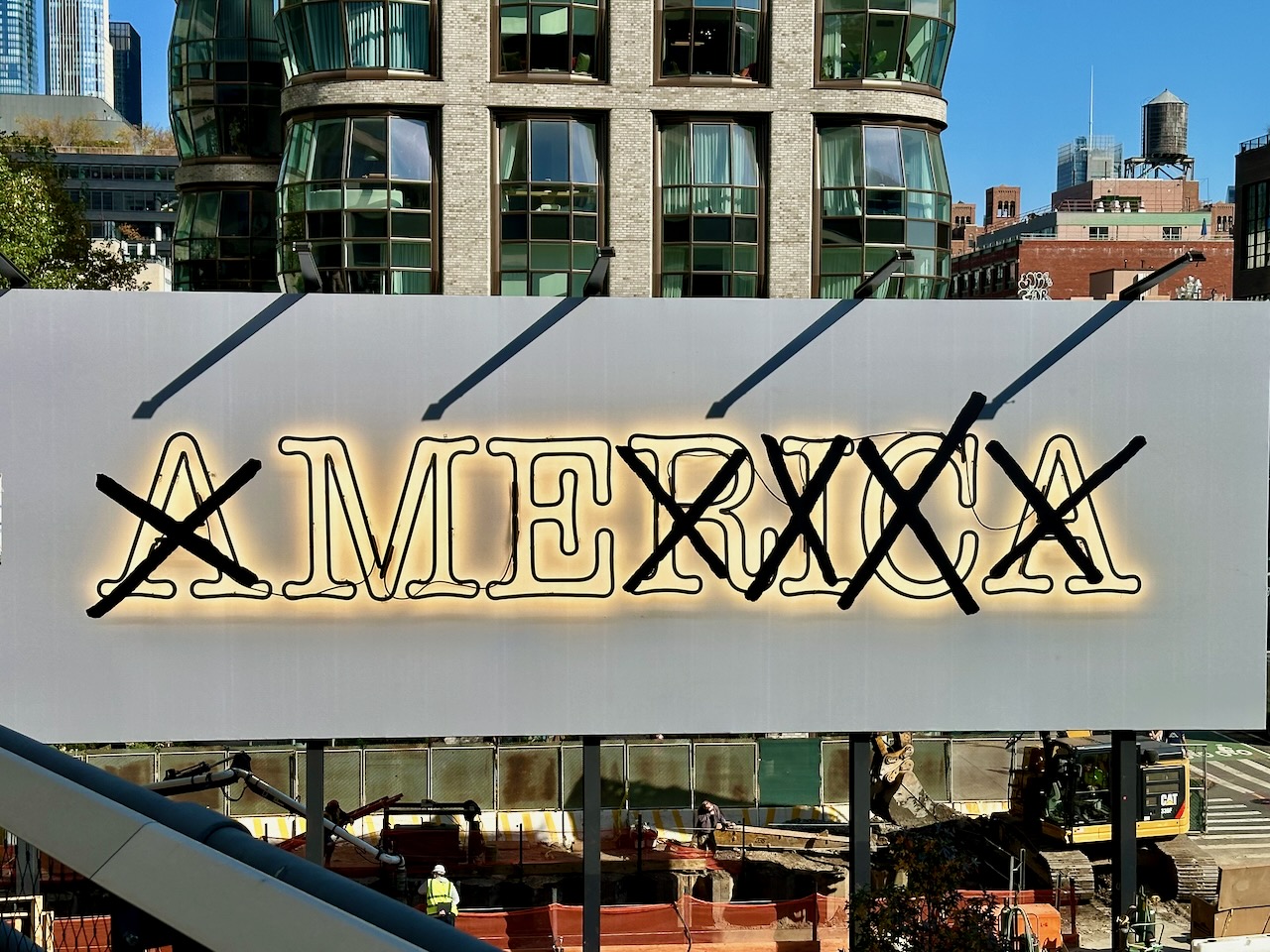
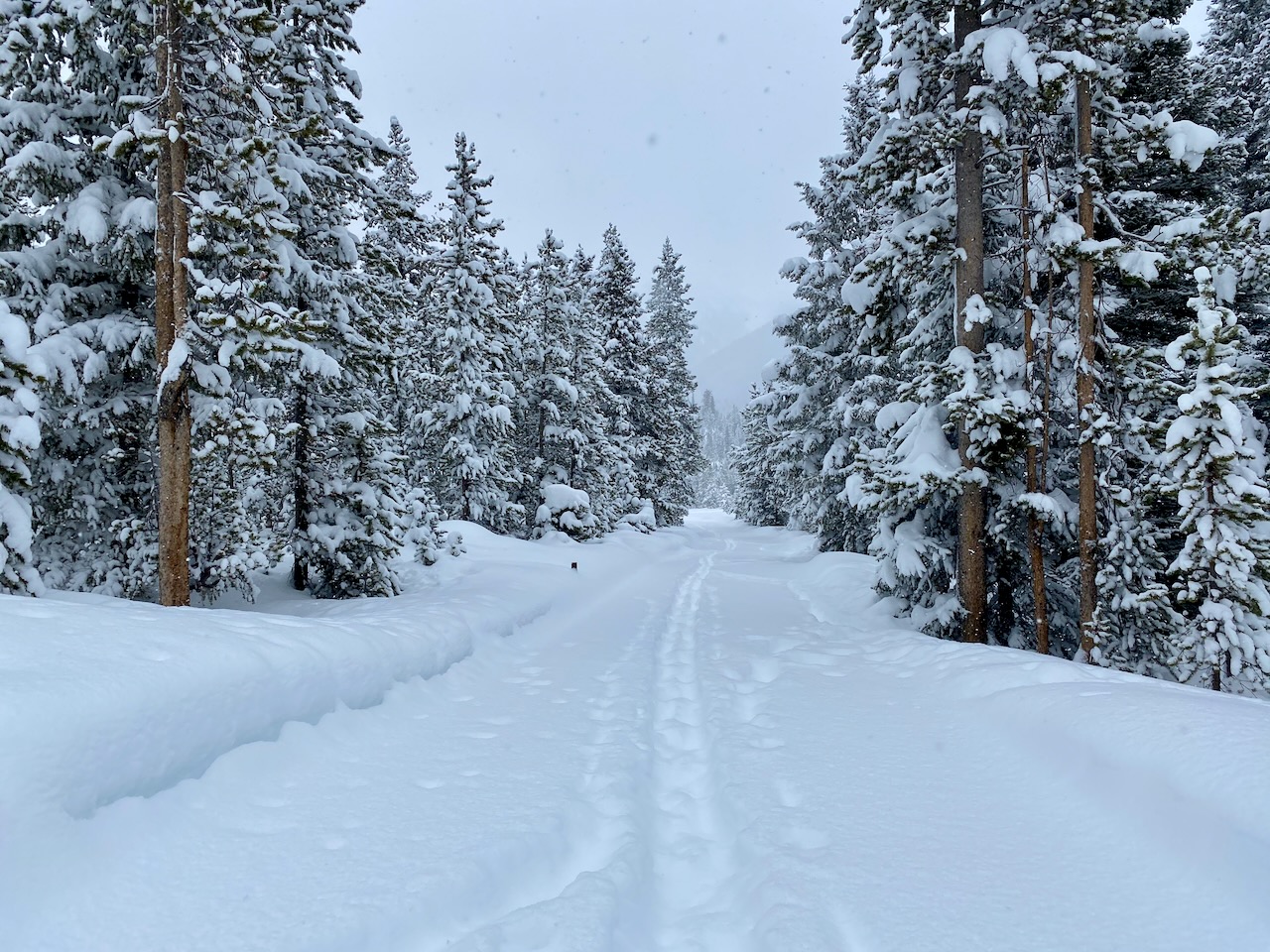
What perspective becomes visible when you add backlighting? How might we use different approaches to consider an idea instead of approaching from the same direction at the same time of day? If you head out on a night hike, navigate in a snowstorm, or work from poorly scaled maps, you experience alternate ways of traveling.

How might we occupy diverse vantage points at irregular times of day to see the terrain ahead in both ideal and challenging conditions?