Author: whatifconcepts

Empowering those that inspire so they can excel at the work that matters.

Under the Lights

Adventures under the lights change the experience. Backpack with a headlamp, soccer in the park with flood lights, running among street lights through a new town, or ice climbing aided by spotlights. Some elements move faster, a few details are more pronounced, and our peripheral vision might diminish. The sensations around the activity are altered. It transforms our mindset.

What alterations might we make to group activities to facilitate a new experience? A summer camp I served scheduled camp programs for the board to participate in, aiding our ability to assume a camp mindset. A horse pack trip, backpack, or trying camp activities brought out the joy of camp and an appreciation for the resources dedicated to these programs.

How are you incorporating mission moments and activities into your team’s engagement? How might changing just the time of day, meeting room, lighting, agenda, or guest speakers alter your team’s mindset?
Tools and Knowledge

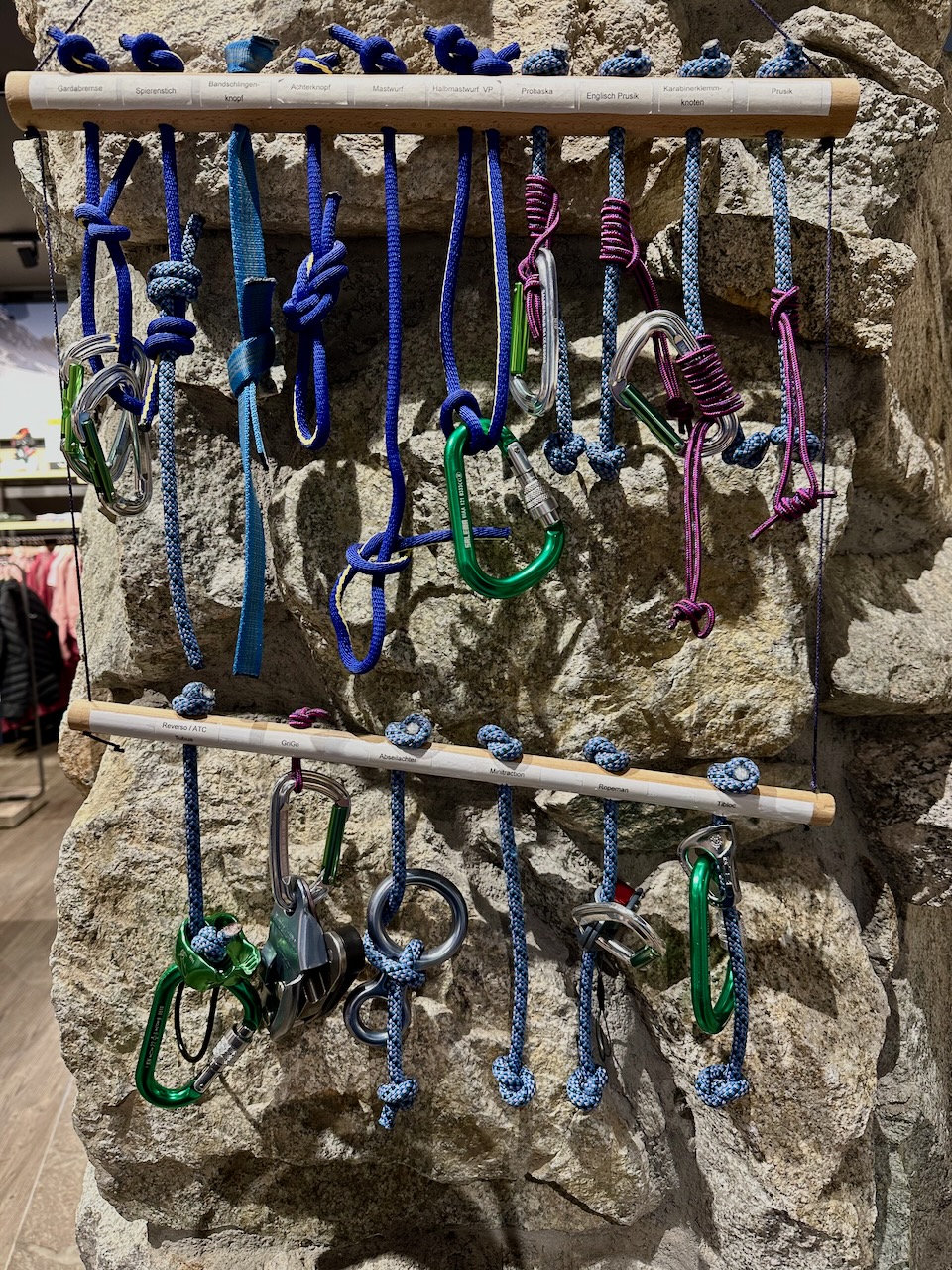
When I was in my teens, I participated in a 30-day mountaineering course. While rock climbing a peak in the Wind River Range of Wyoming, I got off the selected route and reached a pitch that required more proficiency than I possessed. I spent fifteen minutes communicating (shouting loud enough to be heard) with the instructor, who was on a ledge above me but could not see what obstacle I had encountered. Eventually, I down-climbed 100 feet before I rejoined the primary route and could start ascending. I had all the required tools, harness, helmet, carabiners, climbing shoes, a well-established route, and the safety of a belayed line. I lacked an understanding of how to identify the chosen route when multiple options appeared.

We can possess all the necessary tools but still need the ability to deploy them correctly and make real-time decisions. Going into the backcountry with an individual who owns the newest gear but has limited experience does not guarantee success. Understanding which equipment to deploy and relying on wayfinding skills are both important. How might we value both abilities in our own enterprises?

The Road Ahead Is Blank

The road ahead is blank, and the lines of his thoughts all incline inwards.

All the Light We Cannot See

Are we traveling on previously constructed roads, or do we gravitate toward blank spaces on the map? Are we focused on what the landscape reveals to us or what the terrain reveals within us? How might our thoughts reveal confluence points with the landscape we inhabit?

Acting Over Predicting

One of my favorite nonprofit organizations is the Cabin in Boise, Idaho. The Cabin’s staff, programs, board, and literary community are remarkable. Most importantly, their advocacy actions reinforce my trust in the Cabin, amplifying their Magnetic North (purpose, vision, mission, and values). When the Idaho State Legislature proposed bills to ban books, criminalize librarians, and create citizen review panels, the Cabin, in partnership with other critical literary partners, launched an advocacy effort, No Book Bans. I would argue that this commitment was their most influential strategic action. This course of action was unlikely to be predicted during the drafting of the strategic plan, but the clarity around organizational values made this decision more certain. The Cabin’s strategic plan left room for wayfinding, and the community gathered in force to do the work that mattered.

How might we show up for those on the periphery when their safety is jeopardized? What if this is our most remarkable and essential work? How might we act instead of worrying about predicting?

Cabin Mission: The Cabin is a literary arts nonprofit organization in Boise, Idaho. We forge community through the voices of all readers, writers, and learners. Our workshops, readings, lectures, camps, and other literary programs provoke creativity and experimentation, foster literary excellence, and inspire a love of reading and writing in children and adults alike across the Treasure Valley and beyond. 

Team Time Trials: An Insight Into Group Dynamics

In select professional road cycling stage races, the itinerary might prescribe a team trial. A squad of cyclists head out on a designated course, racing against the clock. Historically, the finish time was taken on the finish arrival of the fifth rider for each team. Those who fell behind registered their own time. The conventional strategy focused on keeping the team together so the fifth rider crossed the finish line in the same group as the first through fourth cyclists, thus benefiting from the aerodynamic draft provided by teammates. Together, it is faster.

The rules have been amended this season, and each team member receives an individual time at the finish of a team time trial. New strategies are being tested, such as utilizing the power and energy of lower-tier riders earl in the race before launching the top riders closer to the finish. Since the time stops for a rider upon their individual finish, finishing separately is more likely, the strongest riders might sprint ahead and be rewarded in the results.

How does your enterprise dose its efforts. Are you positioned to finish as a team, regardless of the pace or do you prescribe to the tactic of getting any one team member across the line as soon as possible? Do your cause’s core values match your tactics? How do you maintain comradery if some team members are asked to sacrifice their efforts for the benefit of others. Do stronger team members show a willingness to govern their outputs so the group remains together?

Areas needing higher technical skills, perhaps reading profit and loss financial reports, can be an exercise that divides or unites a group. Creating an accessible dashboard (snapshot) of the current budget may allow everyone to assess the organization’s general fiscal health. However, a conference with the auditors might require team members with higher levels of financial literacy, and a select group may need to forerun these conversations to maximize the details and navigate the nomenclature and footnotes.

How might your team decide in advance if the preferred tactic is to prioritize the group or amplify individual achievement?

Pre-Treating

In preparation for a forecasted snowstorm, the local road department might pre-treat the roads with magnesium chloride. The application works best if done in the hours before the first snowflakes fall. Miss the window of opportunity and the effectiveness of the product is marginal. It is the same with relationships. Ask your new neighbor for a 5 AM ride to the airport upon the first introduction; it might not establish a foundation for friendship. Make the same request after you assist the neighbors with moving furniture into their house, invite them to the neighborhood party, and remind them of an anomaly in the HOA rules; the reciprocation might be more favorable. How are you pre-treating your neighborhood (and those you serve) to set them up for success?

Lining Up

Some things are worth lining up for, and others moments are worth taking your own route. A key is knowing what you value. A paid lift ticket for the ski hill on a powder morning might be worth the investment. However, to others, it is a chance to put on climbing skins and ascend under their own power. Knowing your priorities helps you make decisions in real-time.