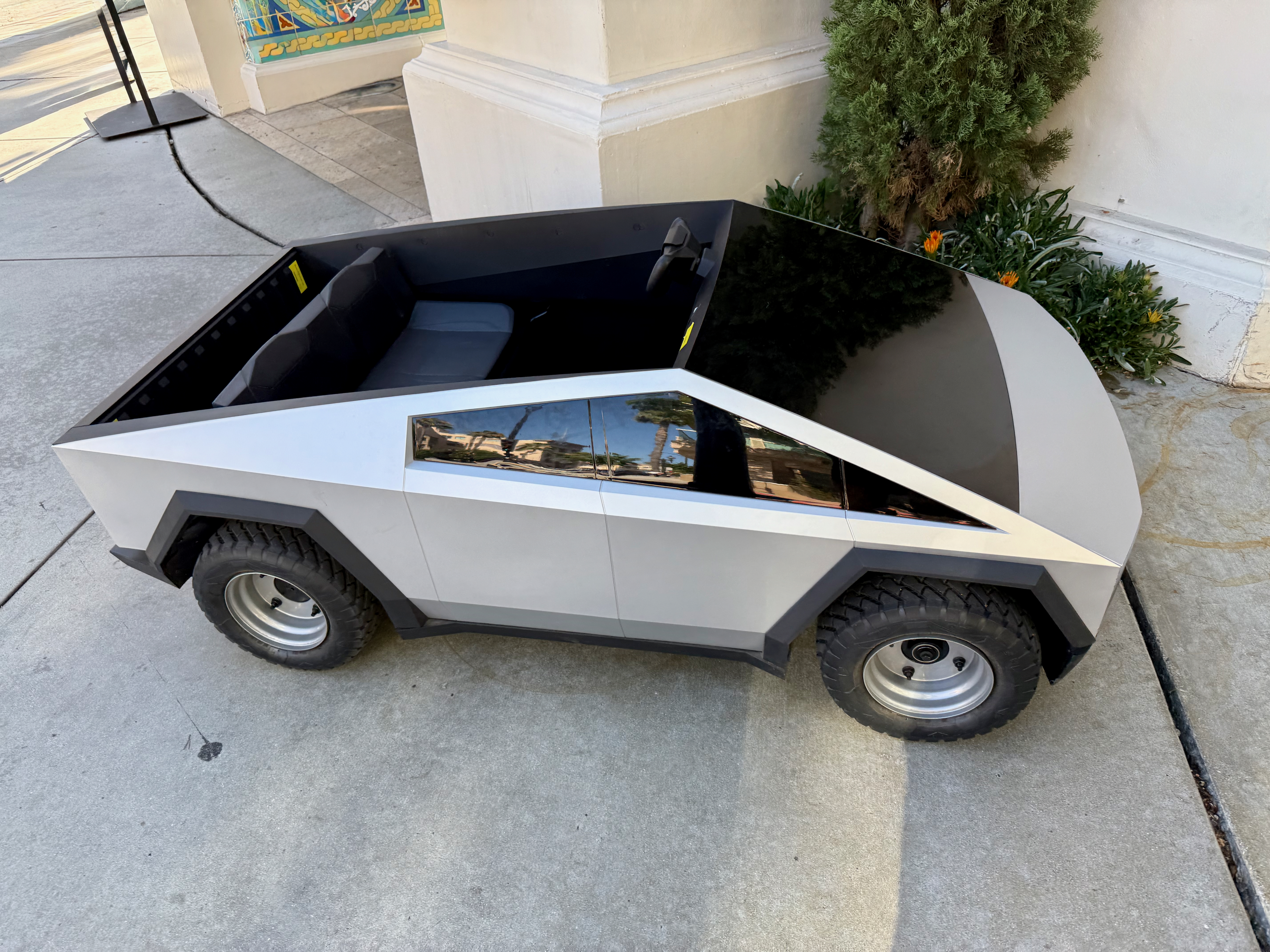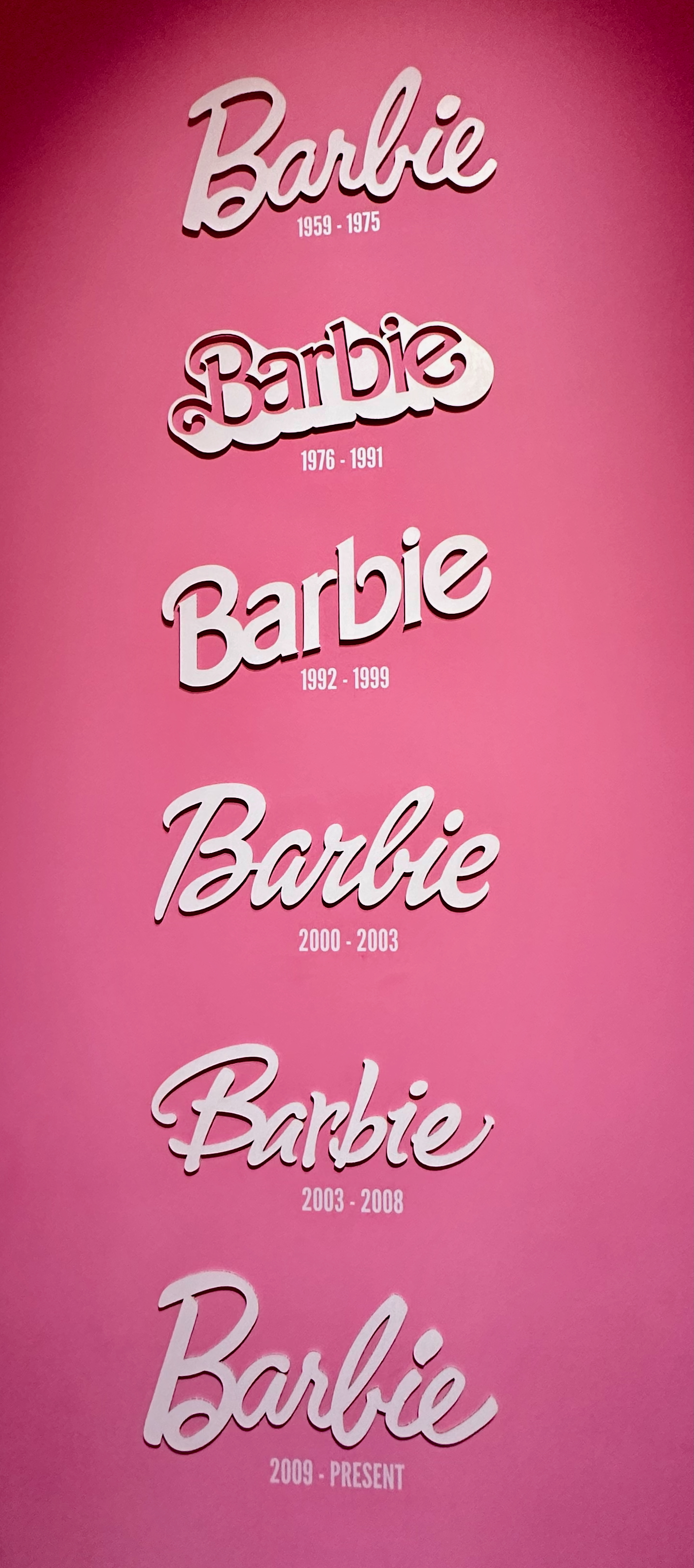
Choosing a car model using only the letters and numbers displayed on a showroom wall may not provide sufficient differentiation. We want to understand the features and benefits of the models. More importantly, we want to map a point of confluence. Where do our needs and resources intersect with those of the available models?
Author: whatifconcepts
On Course
Story
Mixed
AI
I prompted my photo app’s virtual assistant to identify images that contained artwork from my albums. Along with photos of traditional art from museums, it also produced some random pictures, including car tires that I had taken for an online ‘for sale’ post. I would not have selected the car tires as artwork if I had done this task manually.
AI is adept at compiling lists of information rapidly. It has yet to navigate the process of determining the validity of its response. For example, I received a special event announcement via email. There were several typos and a reference to a non-existent calendar date. This error-filled invitation was quickly followed by an apology email stating that the AI-generated draft had been sent before the professional team had started editing.
If we want something quick and are willing to accept inaccuracies, AI may be a good starting point. If we want a piece that will resonate, human oversight is probably required.
History or Opportunity?
Encountering a section of barbed wire fence that is coiled and leaning on an old fence post creates a moment of reflection. Does this fence line represent an era that is coming to an end? Or is it an opportunity to repurpose the fence line and generate a new narrative? A finish line can also be a starting line.
I recently completed a site visit for a youth education group. The former tenants of the building ran programs for preschool children. In the expansive community room, preschool furniture worth tens of thousands of dollars was piled high. It reminded me of the scene in the government warehouse from the movie Raiders of the Lost Ark. The preschool provider’s narrative is complete. The question now is whether somebody will start a new story by dispersing the preschool treasure to partner organizations. Will the provable fence line be revived or left dormant?
New Terrain
When emerging from a tunnel (actual or figurative), we encounter new characteristics. Terrain, weather, daylight, buildings, traffic, language, signs, density, and key landmarks change. It can reset out mindset.
How might we use the transitional moments to help us encounter terrain with a new mindset? How might the reveal create a sense of awe and wonder?
Greeting Committee
Who is the first person a guest encounters when visiting your enterprise? What is the setting in which this meeting takes place? Is it consistent with what your cause values? How do we balance safety, accessibility, a welcoming spirit, and functionality? What mindset does the first encounter establish?
Reframe
If your flight disembarks at a remote stand and you are instructed to take the bus to the terminal, it can feel like an unplanned deviation from your itinerary. However, when the pilot tells you that the bus drops passengers off directly at the customs hall, saving them a fifteen minute walk from the jetway that might have been used to reach the same location, it can feel like a bonus. Reframing circumstances can change how we perceive our reality.
How might we recognize that framing a situation can fundamentally change our potential impact?
Specialization
One aircraft (photo above) specializes in high-speed military engagements, while the other is ideal for general aviation flying and landing on short runways. One costs tens of millions, while the other can cost less than $100,000 on the secondary market. Understanding our needs and intended impact might allow us to assemble the best resources. If we are defending a territory, a 5th-generation fighter might be required. A Cessna may be more practical if we perform low-speed, low-altitude search and rescue support.
How might we focus on resources that best suit our needs rather than purchasing top-of-the-line variants? For example, maintaining a donor database on a basic (but secure) platform might save thousands of dollars in subscription fees and allow us to navigate just as effectively as the premium platform. Authentically doing our work with practical tools does not always require the latest version.