
How do you organize your efforts? Are they crowded and jumbled, or do they reinforce a message? How we build upon our ideas may be as important as the content.
How do you organize your efforts? Are they crowded and jumbled, or do they reinforce a message? How we build upon our ideas may be as important as the content.

How can an ancient archeological site that appears static embody change? With research, we might find black-and-white photographs of the locality from a century ago. Despite weathering, it looms untouched. What alters is our interpretation of the relic. Upon ‘discovery,’ it might have been viewed as the height of ancient civilization and the leading manifestation of an architectural style. Then, the narrative is amended. Perhaps another archaeological site was discovered underneath, complicating the story of who settled here and why one culture built over the remains of another. The legacy associated with the scene fractures and the lived history of different peoples are considered. Scholars present papers on the progress and regression associated with the people who constructed and lived on site. Historical interpretation signs are altered to reflect the language of the current times. The structure remains static, but the narrative evolves.
What organizational decisions and landmarks require reinterpretation in your enterprise? What have you inherited that may appear static but is layered with the need for further conversations. What have we assumed was settled only to be resurfaced?

Do you board the local train sitting at the station or wait for the delayed express train? Opportunities can be seized by making immediate progress versus waiting for a more direct route to a distant destination. How do you proceed? Certainty or uncertainty?
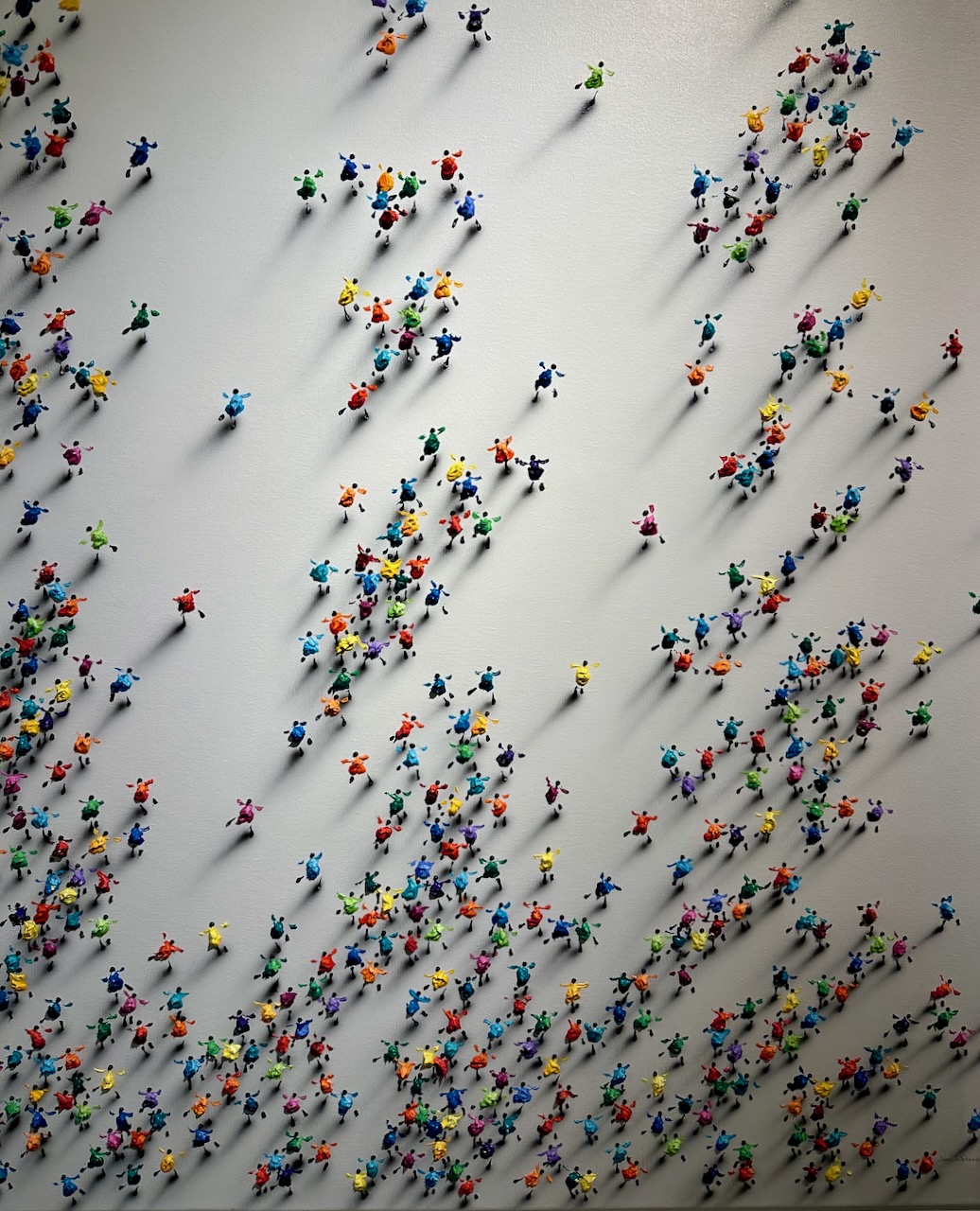
Dividing workflow into the quadrants of urgent, not urgent, important, and unimportant trends this time of year. Assuming this approach, the central question is, how might I focus most of my work on important projects?
For me, this mindset does not embrace the human dimension. When we travel, we might select an itinerary that includes transportation, lodging, restaurant reservations, meetings, cultural visits, and free time. Not much of it will feel urgent if appropriately scheduled. Some moments will be important, and some will be unimportant or not urgent. But one missed transportation connection or meeting, and instantaneously, the urgent task of getting back on schedule dominates. The itinerary that avoided urgent defaults to that mindset after a disruption.
What we are likely to encounter is serendipity. A chance encounter with an individual who offers an opportunity to engage in a future project. An epiphany when engaging with a work of art or geographic location that reshapes the dimensions of our internal map. An unforecasted weather pattern that has us stepping off a plane wearing a parka in tropical heat or a t-shirt during an arctic blast. Suddenly, the unscripted moments become areas of focus. These unanticipated events shift our internal question: how might I get back on schedule and closer to my planned reality?
If we start by asking our essential question, then force ranking our time allocation into quadrants is less relevant. For example, if I commence an engagement by asking, how might I deliver remarkable service and insights to inspire those doing the work that matters? This mindset widens the scope of what is relevant to my work. During ‘unimportant’ times, I might encounter a way of presenting an idea that improves how I serve the client. I might reread a blog post that reframes a discussion during ‘not urgent’ time. And when the itinerary is shifted, requiring travel in the opposite direction to get back on track, it supports the essential question, allowing me to model retesting an idea before it is ready to launch.
What is/are your essential question(s) that might break quadrant-dependent scheduling?
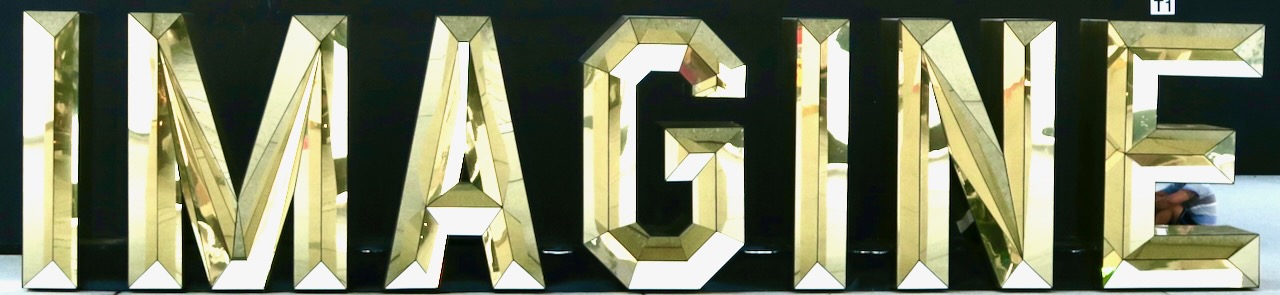
When do you and your team spend time imagining? Is it scheduled or happen organically? What is the mindset when it takes place? Is there a location where it seems most productive?
An organization with a headquarters building containing an open lounge with extraordinary mountain views overlooking an iconic river insisted we meet in the conference room, sequestered in the interior of the building. When I inquired about the location of the blue sky thinking session, the response was that all meetings take place in the conference room. The venue selection hindered the opportunity for generative thinking before the gathering commenced.
How might we embrace a culture of sense-making without starting from a place of tradition and hierarchy?

Are you building partnerships that rely on compression or tension? Are you squeezing (shortening) or stretching (elongating) through your work together? Are your partners working on the same strategy? How might we build remarkable programs amplified by the key members’ strengths?

What destination have you selected? What direction are you currently headed? Sometimes, we must head opposite our destination, but we are still on course. During the New Year’s resolution phase of the calendar, it can feel that we have planned poorly; however, do not confuse destination and direction. If the journey is a priority, we deploy our wayfinding skills to keep moving, even when the best route suggests we revisit paths already traveled.
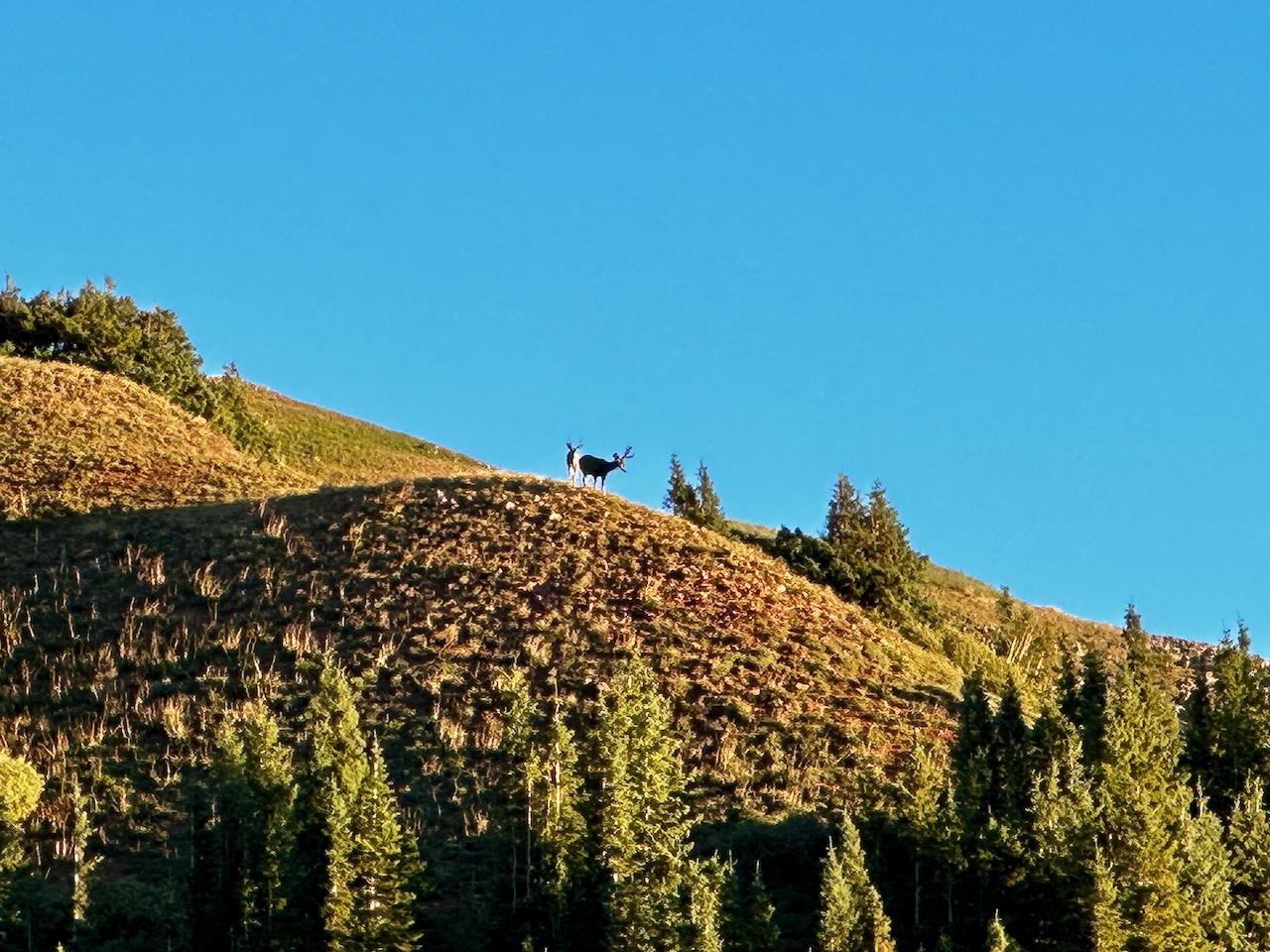
Have you had a moment when you were ‘way out there?’ So far out that the edge is visible. You occupy the liminal space of your known world. What did you feel, experience, see? Our most defining work takes place ‘way out there.’ Perhaps we should commit to the next expedition to that quadrant.

Somebody already accomplished their 2024 goal! Somebody already failed to achieve their 2024 goal.
If we take an infinite mindset, still being in the game is the goal. We may have the most, least, or occupy the busy middle, but we are still playing the game, and that is the work that matters.

Is the New Year a chance to celebrate what just took place or an opportunity to revel in plans for the future? What is your mindset on the New Year?
 What-if-concepts