Author: whatifconcepts

Empowering those that inspire so they can excel at the work that matters.

Rights & Responsibilities

img_4051

I met a National Park Ranger at the entrance of Teton National Park a few summers ago.  The road upon which I was attempting to enter the park was closed due to grizzly bear activity and there was no traffic behind me.  After he advised me of my re-routing options, I asked him about the people he encounters during the summer season.  He said he could divide park users into two groups.  Those that talked about their rights.  The right to a camping spot on a busy weekend; the right to light a fire while a campfire ban is in place; the right to get as close to wildlife as they pleased.  The other group talked about their responsibility.  They inquired about how to best enjoy their time in the park, what precautions they should consider, or where they could safely enjoy spotting wildlife.

It seems that there is a debate right now, a tussle over rights and responsibilities.  One of the great strengths of the social sector is its focus on responsibilities.  There are many people advocating for those in need and their case for support traces back to doing the responsible thing.

Does your cause spend more time talking about rights or responsibility?  I would argue that this question alone tells us a lot about the motivation of one’s enterprise.
Two Groups

img_4304

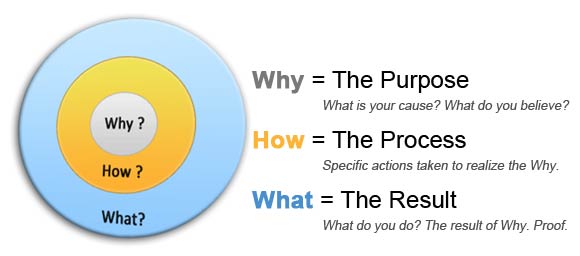
Seth Godin suggests that we can define super fans by identifying people who would miss us if our cause ceased to exist.  Said differently, who would contact us until they got answers when no one showed-up.  I believe there is a footnote to defining the super fans tribe.  There are those who would sincerely miss us and the remarkable services we provide.  A sub-group exists.  Individuals who believe we owe them something so they might continue to advance their own cause.  The super transactional tribe.  Those who confuse business, discounts, frequent flyer status for loyalty.  The people who interact with our cause because they get something that has less to do with achieving the mission than it does with inflating their standing.

These two groups run on parallel tracks when an organization is in growth mode.  It is hard to distinguish super fans from super transactors.  When the organizational lifecycle plateaus or a dips the interest of the two micro-tribes reveals itself.  Super fans inquire what fuel we need to continue the journey.  Super transactors fight to for the perks and benefits that came with their exchange of money for service.

Super fans and super transactors are powerful allies and critical to an enterprises success.  Understanding their motives is essential if we choose to embrace and reward them.  If we can only cultivate one tribe, super fans will endure longer than super transactors.

Hello!?


outside-subcard021508

How do we encourage people to join our cause?  Do we make it easy and convenient?  Are we relying on the post card inserts found in magazines?  When was the last time you filled out a subscription card (perhaps seventh grade and sent it to a friend’s address)?  When was the last time a prospective new member submitted a letter saying they were interested in joining?  When we opt in, we are giving permission to celebrate our action.  As an organization we have the opportunity to strike up the welcome band and amplify our values.

blazing_saddles_hurryp_up_get_those_flags_up_525

When I purchase a guide, conference ticket, or enroll in a course designed by Chris Guillebeau, I receive an email like this:

Thank you so much.  We are so excited that you are joining us at World Domination Summit.  Everyone in the office is giving high-fives and cheering right now.  We are rushing to the mailroom to send out your materials.  Our day could not be better and we hope yours is equally remarkable…

How we great people, new to us or  part of the the founding membership, matters.  When I board a legacy airline I expect a fake ‘hello’ and move on quickly.  We have entered into a transaction for service.  When I engage with a cause that shares my belief, I offer my talents.  How the insiders at the organization respond determines the depth and duration of the interaction.

Delayed Curiosity

screen-shot-2016-11-01-at-8-10-39-amHow does a single point of view carry the day in a conversation amongst intelligent, articulate people?  How does a way of thinking rise to the top and sweep away doubt and unaswered questions?  Too often we forego a culture of inquiry to adopt consensus.  It feels good to be on the same page at the end of a meeting.  Tension and stress are relieved.  However, we may be missing the greater opportunity to broaden our understanding of the place we occupy.  To consider multiple routes to the same destination.

This morning I read that the Good Design Award for 2016 was being presented to the Keio University Graduate School of Media and Governance.  Their innovation?  A new world map that better represented the land masses of earth.  Since 1569 humanity has accepted the Mercator projection as the best two-dimensional representation of our planet.  Other models exist, but change has been rejected.  We are working with flawed data, and yet we hold tight to what we know.  Reimagining representations of our globe on paper is not radical technology, but conventional wisdom persisted for centuries.

What have we accepted that would benefit from desging thinking?  What is our Mercator projection?

Creating the Opening

The responsibility of leadership is not to come up with all the ideas. The responsibility of leadership is to create an environment in which great ideas can thrive.                                                                                                         -Simon Sinek

If there is trust, our best ideas come forward.  We share both our most passionate thoughts and those that sit precariously not fully formed teetering on the edge. Best ideas originate when the aperture opens and we see more.  Creating this way of thinking requires consideration and preparation.  When it happens we are transformed into thinking about the future instead of glancing backwards into the past.

img_4199

What Game Do You Play?

content-marketing-as-an-infinite-game

Are you playing a finite game or an infinite game?  Are you working towards an arbitrary ranking or seeking joy from advancement?  If we play the finite game, we work to beat others, however if we play the infinite game, we focus on doing better work.  If we choose to be in the game, we also choose which game we play.  Very different cultures emerge depending on our focus.  The game we play defines our relationships,  work, world view, and politics.

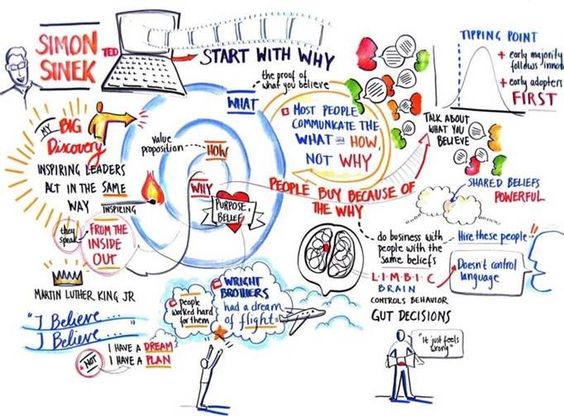
Simon Sinek illustrates the power of the game in a remarkable talk.  His message, we have a choice and that choice defines us and our work.

(Thank you Patricia for encouraging me to watch Simon’s talk)


Granting With Graphics

scenichudson_inside

Seth Godin encourages social sector organizations to be so great at fulfilling their purpose and mission that people line-up to lend resources and treasure.  The social sector is solving problems that are challenging and take time.  It is easy to get stuck into form and forget function.  What if we concentrate on making our work visible in numerous settings.  Take grant requests as an example.  The historic approach is to submit a letter in a standard business form layout.  It might include a few attached pictures and supporting budget but the body is composed of printed words.  I am encountering more grant requests that arrive in newsletter format.  Content supported by meaningful and impactful graphics.  Pictures, maps, graphs, flow-charts, infographics, and word art are all embedded.   Said differently, what if your grant requests looked more like an annual report?  What if we used a wider palette from which to better capture the story we were telling?  What if we submitted a grant request that made us proud, not just present and accounted for?  How might this resonate with those who are deciding on which initiatives to fund?


Different

Boat

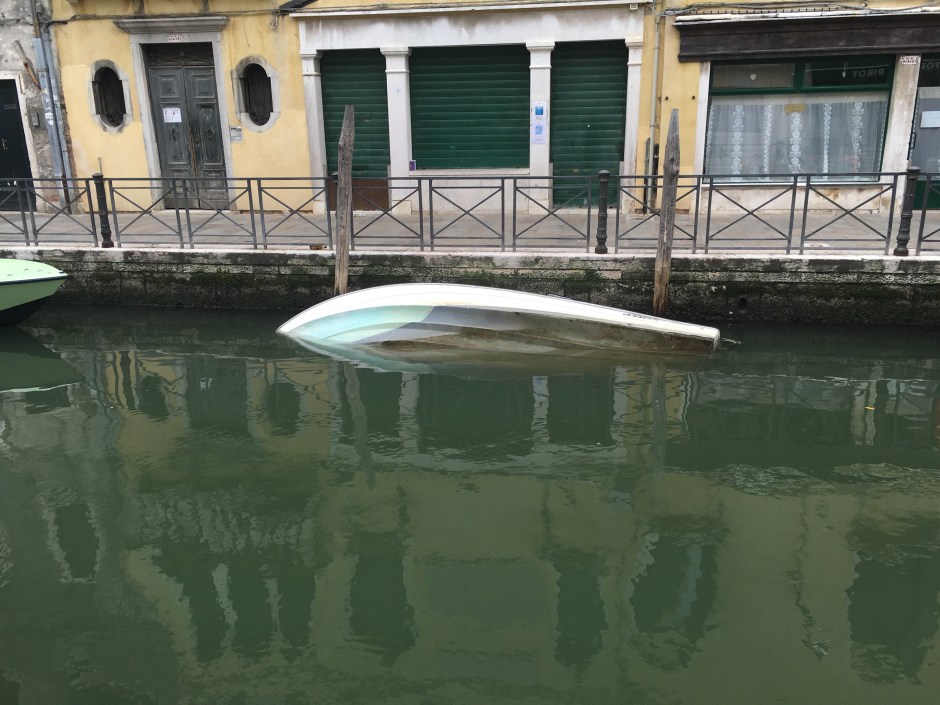
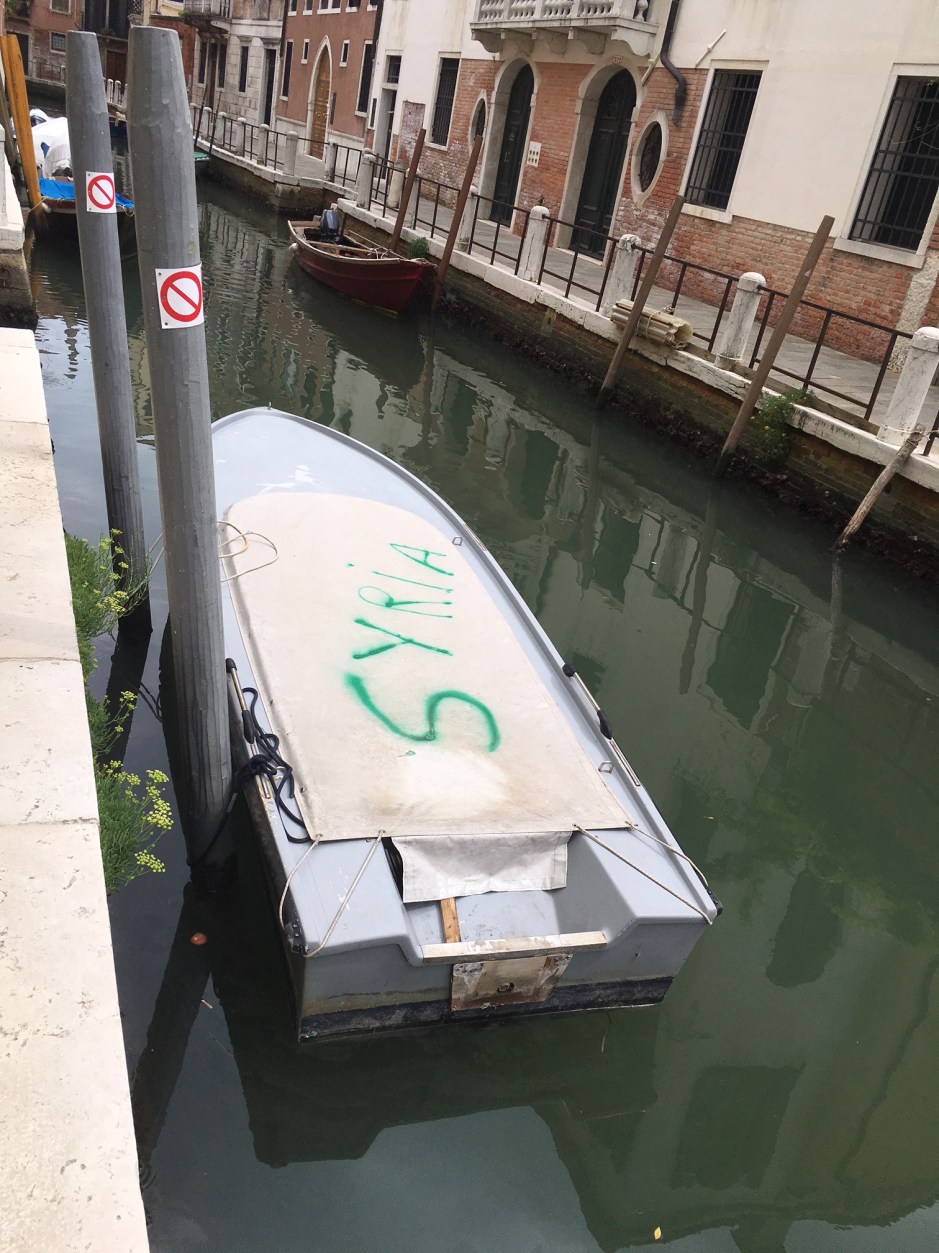
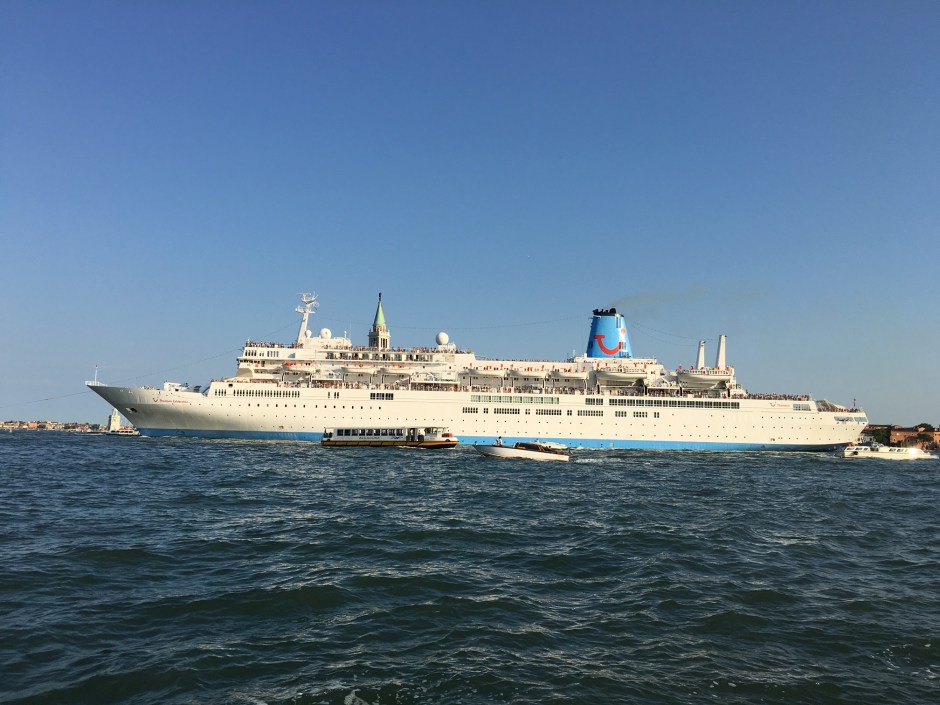
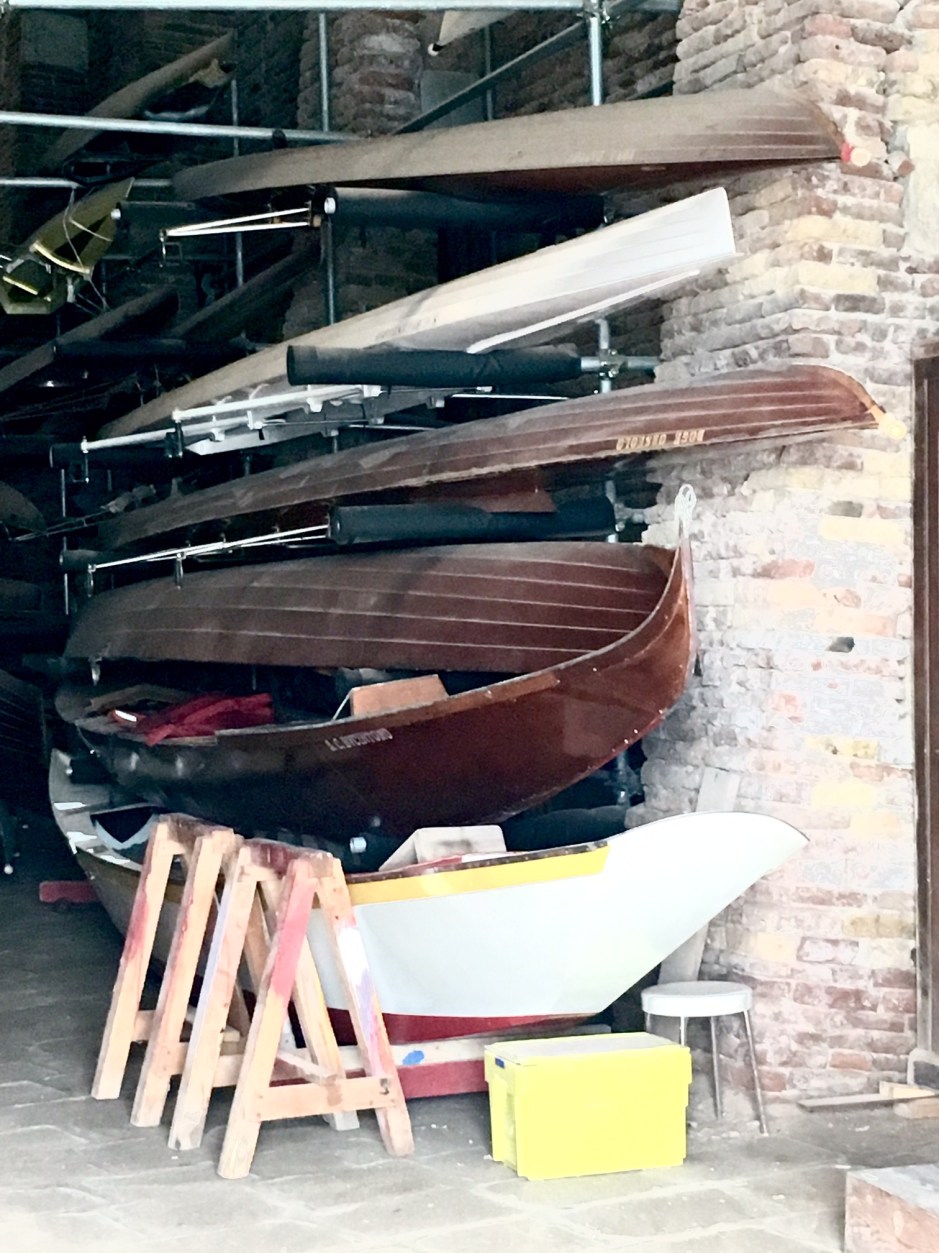
Walking in Venice, Italy one sees thousands of vessels.  Taking pictures of any one of them is a task similar to capturing an individual zebra or wildebeest on the savannah in Africa.  Our eye catches the ones that are different.  Being unique means people look beyond labels and see why you do not fit.  Sometimes the characteristics that you exhibit are exactly what they are looking for.

Syria Boat

CruiseMixed Boats