How do you understand if we are making progress? If we use your peers’ momentum as a metric, are we sure they are advancing? We might be keeping up only to realize we are motionless?
How might we use external waypoints and independent confirmations to assess our progress?
What was deemed entirely safe changed with more knowledge and time? What new information has transformed your understanding of reality? What everyday activities from your youth now make you reconsider adult oversight? How might we build in the ability to adapt and amend as new details reveal themselves?
As you gain experience and maturity, how does it impact your perspective? When we were younger, what age did you consider old? As we enter new decades, does our definition of old change? How might we recognize our perspective is associated with a sliding scale?
When does your adventure become ‘a situation.’ What tipping point crosses the line from Type A Fun to ‘looking for an escape route?’ Our values are stressed, and we must recalibrate or remove ourselves from the environment challenging our worldview.
When you share your story, do you prioritize continuity or curation of the narrative? Do you have a default mode, or does it depend on the audience? Does the purpose of the story matter? Are you entertaining or making a call to action?
What if your planning starts from the end? What if you reverse engineer from the finish line? How might it change your mindset and alter priorities? How might our investments of resources alter if our strategy works from a different perspective?
We can stand on the side of the road and wait for a cycling event to pass our location. In the most prominent races, a publicity caravan with sponsors proceeds the race’s arrival. Then, the competitors pass, followed by team support vehicles, and finally, a broom wagon signals the end of the race, and the road is re-opened. We glimpse the competitors, and for a fraction of a moment, we are part of the race’s orchestration.
Or, we can pin on a number and be a competitor. We can experience the event and be part of an event in motion.
We cannot join every competition, but knowing which ones are paramount to our progress might be helpful.
Obstacles can be complicated barriers that force us to stop, or they might provide an opportunity to negotiate them with artistry. Are people commenting on what stopped you or your performance?
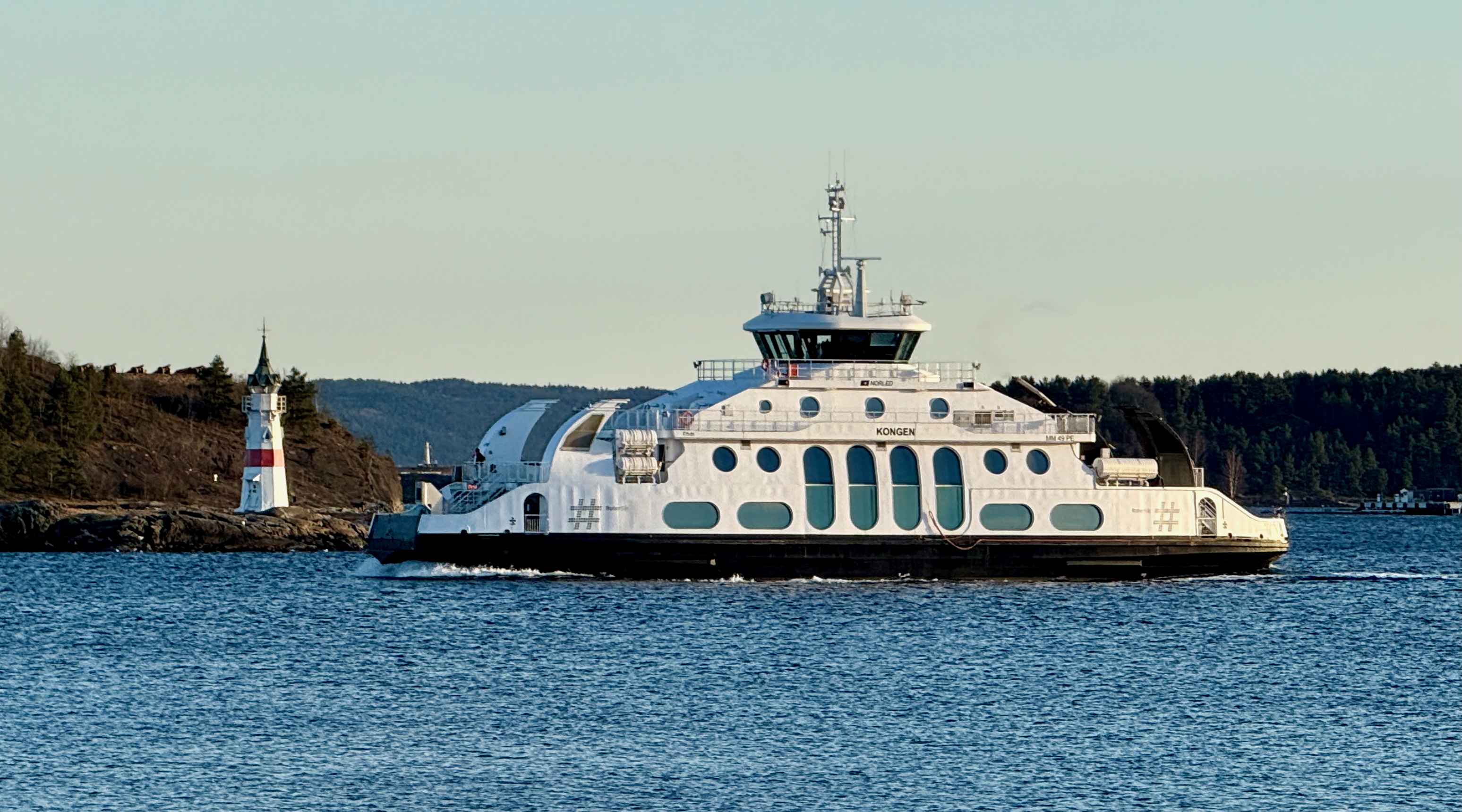
A ferry passing in the shadow of a lighthouse is usually on course. Further out, the lighthouse serves its greatest service. The first sight of the beam of light provides an initial point of engagement and alignment.
How might we recognize that those who make it into our organization probably engaged with our enterprise somewhere further afield and have been en route for some time?
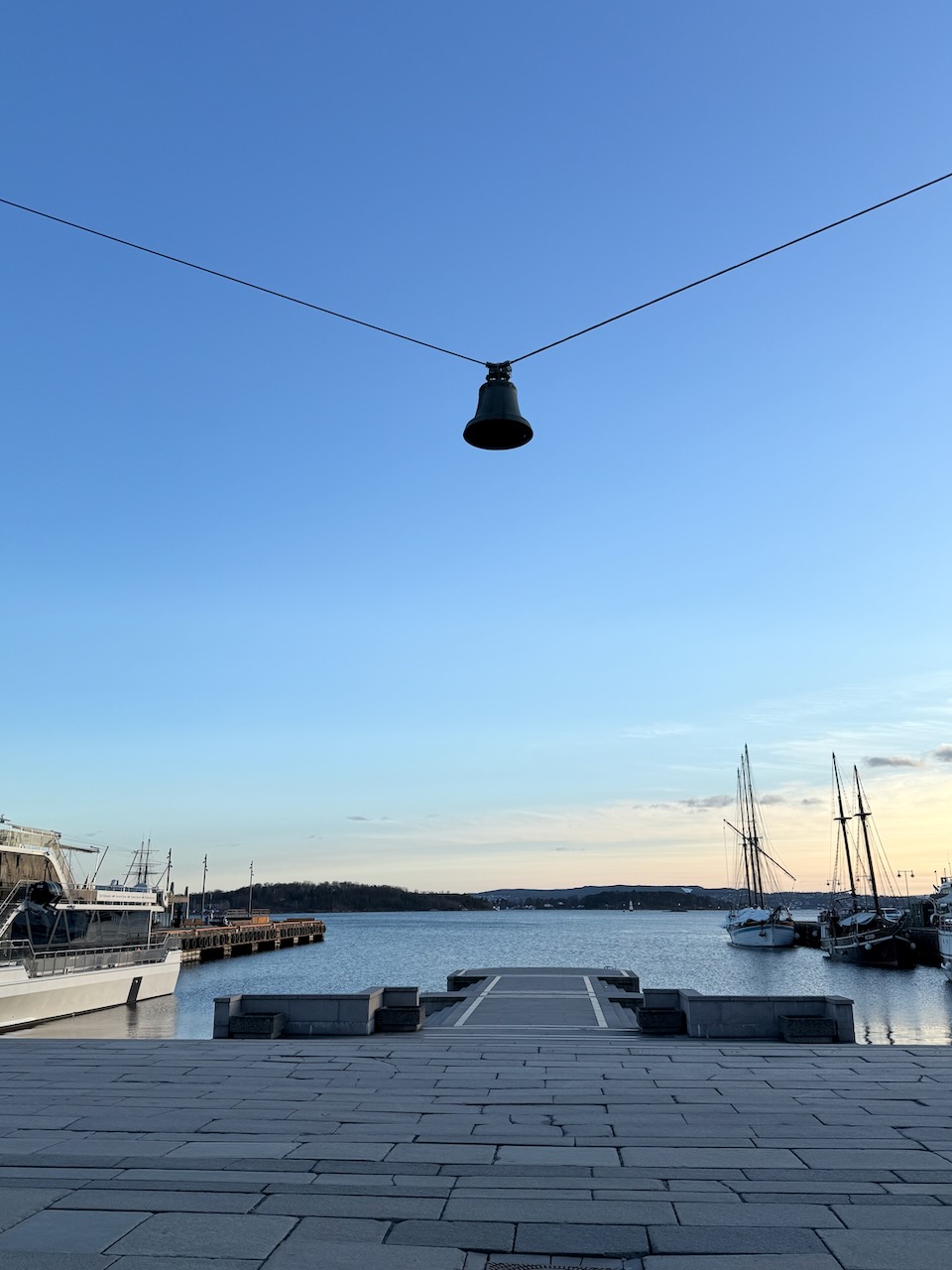
What distinct sound does the bell at your enterprise make? Is it a call to start? Does it suggest time to assemble? Is it tied to an emergency? Does it signify victory?




 What-if-concepts