
What We Become and Who We Serve
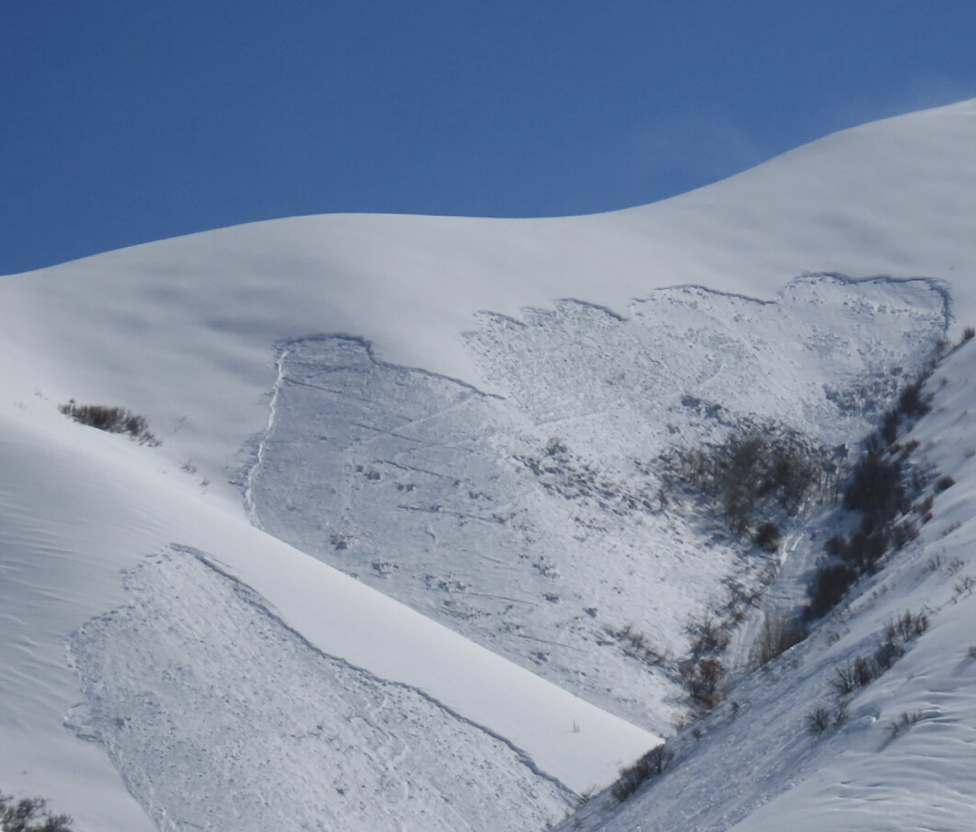
These recent avalanches exposed past backcountry skiers’ old skin track (ascending route). The diagonal lines that crisscross the avalanche bed are the work of skiers who climbed up earlier in the season.
How might we remember that today’s work will be revealed to those who follow? It might not tell the entire story, but it can leave clues about the journey we are on today.
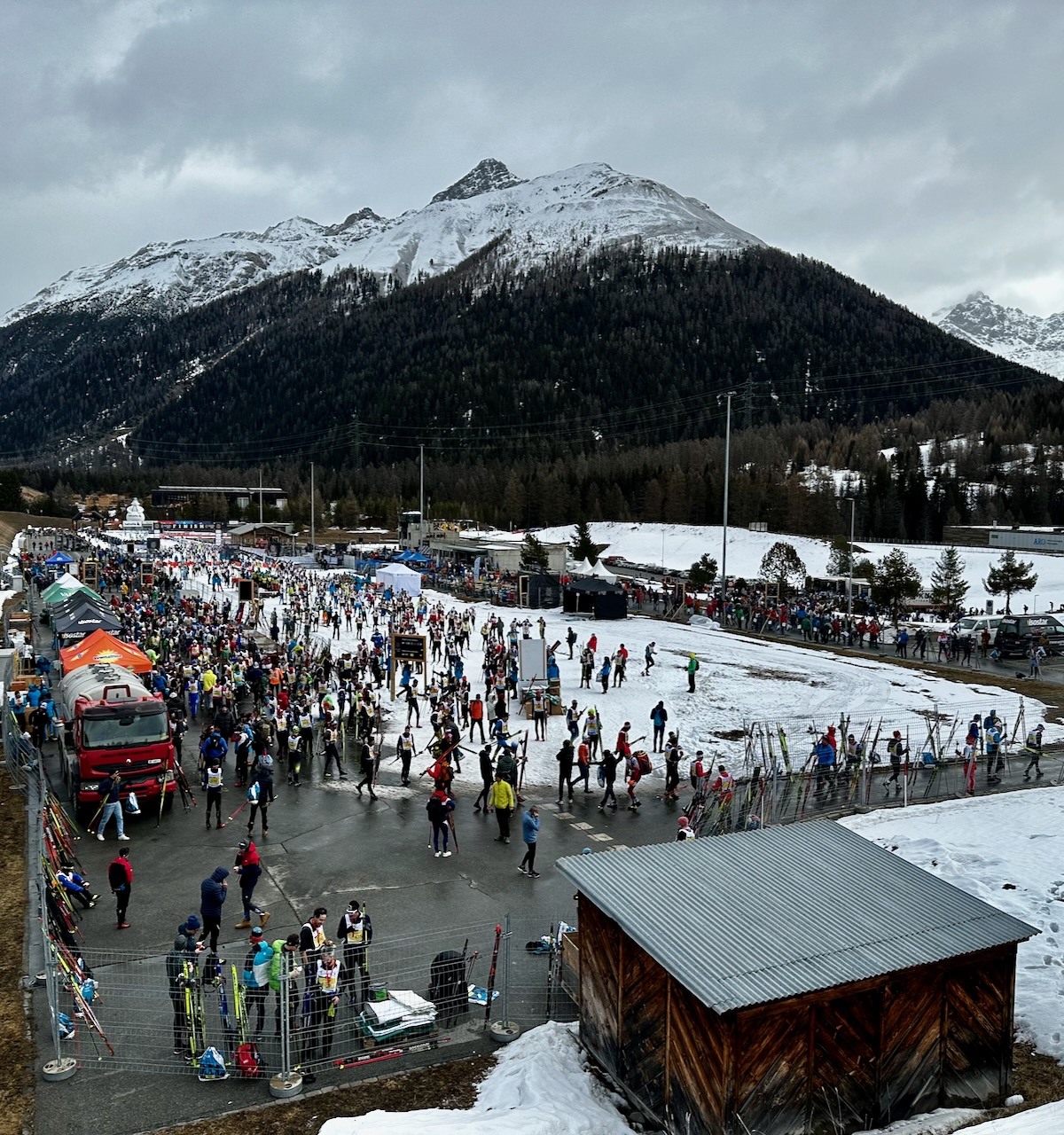
After completing a ski marathon, competitors gather. They congregate to tell stories, eat, drink, change into dry clothes, and find supporters. They finish, remove their skis, and inhale a sense of accomplishment. Then they begin to share.
How might we make space for our fans and participants to gather? How do we create intentional gathering places? When World Domination Summit (WDS) took place in Portland, OR, attendees assembled for breaks between presenters in the adjacent park—a selection of food and drinks available to nourish. The event’s superpower appeared through its performers, including a unicyclist with bagpipes that expelled flames, a steampunk group on stilts, and a roller derby team speeding about while serving snacks. The performers provided remarkable moments we could witness and share with other conference attendees. I remember some of the WDS Main Stage speakers, but I recall all the performers and many people I met in the presence of these buskers. The entertainers provided a sense of place and a point of connection.


How we approach a problem or an opportunity matters and impacts the outcome.

What once directed water to an arid agricultural region now provides recreational users a unique pathway to explore a vibrant river canyon. The irrigation ditch could have been left in disrepair after its lifespan; however, somebody adopted a creative mindset, and now it lives a celebrated second life.
What have you repurposed? What might be ready for another life?

We know what you mean if we have encountered a similar sign and route cues before. The scenario get complicated when the symbols are new to us. How might we set others up for success, even when those of us in the know already comprehend the intention behind the sign.
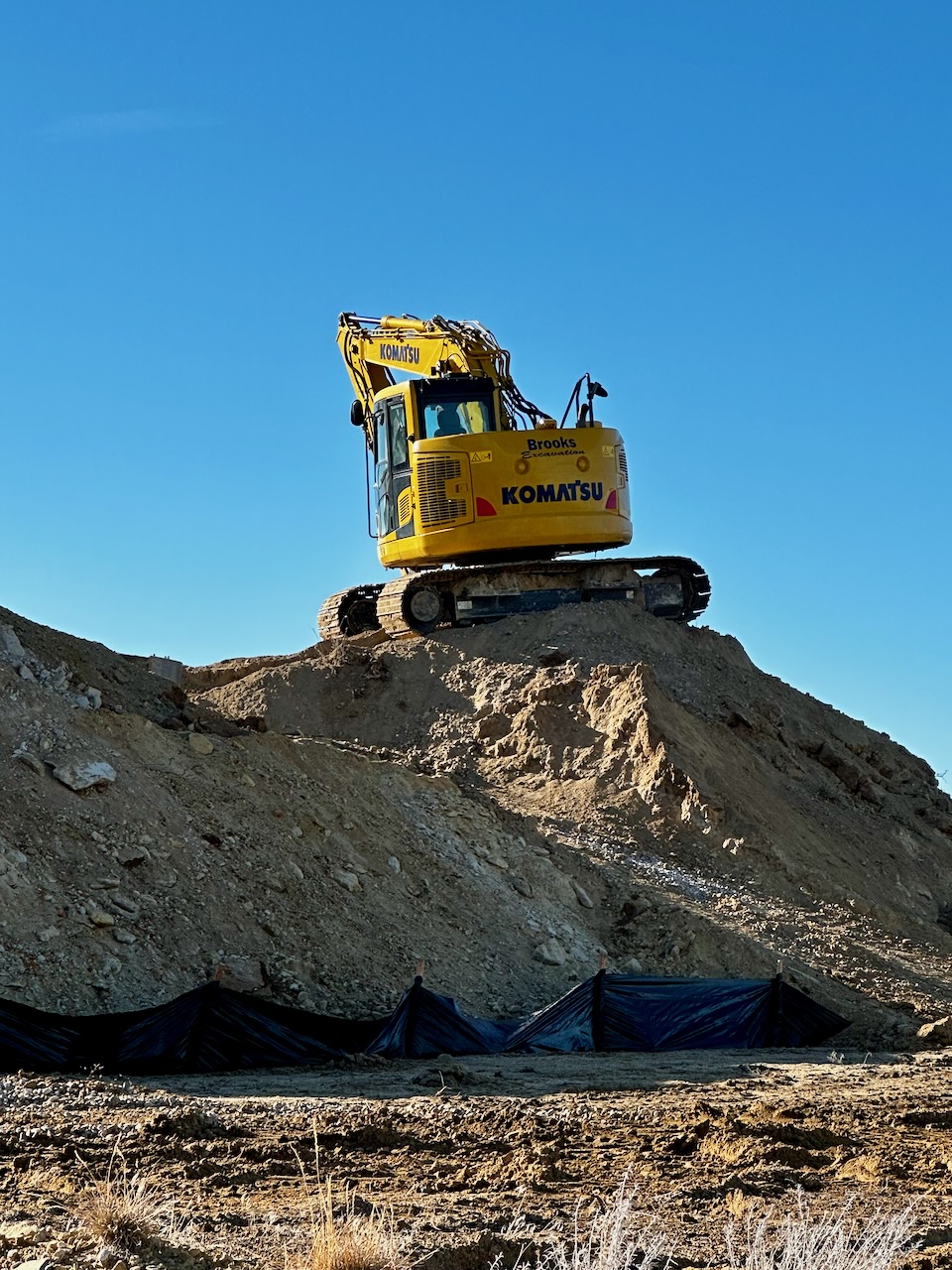
The direction from which we approach an obstacle impacts how we attempt to make sense of the problem. If we are committed to measuring success using data, numerical metrics are essential to our evaluation process. If we believe in the power of stories, then a compelling narrative is vital. If we seek intended impact as the ultimate symbol of success, we might be more committed to reaching the destination than visiting all the waypoints. Endurance and relevance might be our superpowers if we want to remain in the conversation.
How might we recognize that our approach to an obstacle is one of many mindsets in which it can be solved.

The movie Groundhog Day carries an undercurrent theme of service. In the repetition of the same day, the protagonist learns to position themselves throughout the community where they are uniquely positioned to serve. Be it catching a kid falling from a tree, changing a flat tire on a car, or purchasing life insurance from an eager associate.
We can all be of service. Some of our actions are actionable and measurable, and some of our work resides in the liminal or serving clients who cannot express their appreciation through social media. But we can all be of service.
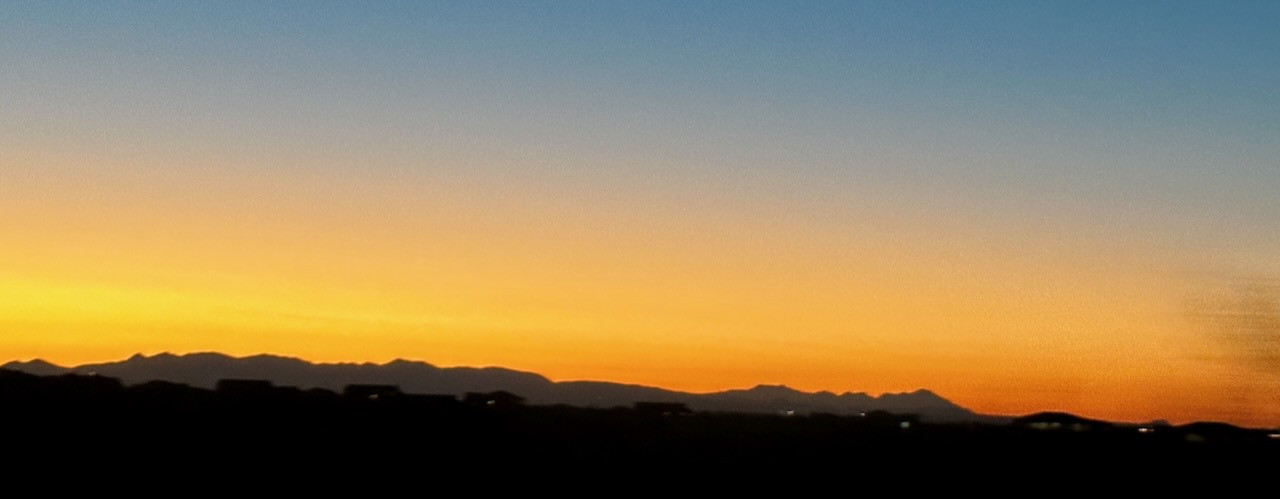
What horizon line has our focus? The houses sitting on the closest ridge? The mountains in the mid-ground? Is it the sunset taking place in the background? Depending on our mindset and the intended impact of our journey, one of these horizon lines might be more appropriate than the others. Is our expedition team aligned around the same horizon line? It might impact the supplies we procure in advance, the team we assemble, and the speed with which we proceed.

