“Floss all the teeth you want to keep.”
Annual Reports
I wonder about the main purpose of an annual report. I am beginning to suspect it is as much about a fundraising opportunity as it is a recognition of past donors or celebration of the programs and achievements. I believe a great annual report can be a bit of both. Highlight the programs and services. Provide me with a quick glance of the spectacular impact of your enterprise. Secondly, put as many names in print as possible. Everyone likes to know they have been acknowledged- even if it is as anonymous. Third, make a pitch for future support. If you engaged and recognized well why not capitalize on the moment.
Be honest with the recipients- the annual reports that most confuse me are ones that try to achieve a fundraising angle without being obvious. Tell me you have an ongoing need and give me a chance to participate.
Wikitravel
Take a moment to visit Wikitravel. Checkout what social sector enterprise programs or services are offered under the “See” or “Do” sections. Consider adding your program or organization where appropriate. Wikitravel offers a great chance to co-brand with the power of a recognized travel resource.
Quick Starts
Three balls are released at the same time. The track furthest from the camera has a steady downhill grade, the middle one has a steeper grade with an uphill finish. The track closest to the camera drops immediately and then curves upwards towards the finish line. As you can may be able to discern the ball on the track closest to the camera is clearly in the lead. It gains so much momentum in the first second that the balls on the other tracks have no chance to recover from their slower starts.
Perhaps the math riddle from grade school is another demonstration. A bridge is two miles long and if a car travels 60 MPH the driver will reach the far side in two minutes. The driver and car travel the first mile at 30 MPH. How fast must the driver and car cover the second mile in order to reach the other side before two minutes expires?
The answer which you immediately recognized is that the car has already taken two minutes to cover the first mile and driving 90 MPH or 120 MPH is not going to overcome the slow start.
Planning is important but scheduling the right itinerary is critical to success. How do you ensure your enterprise has assumed the right pace to be successful? If it is worth engaging into a enterprise.
Presence
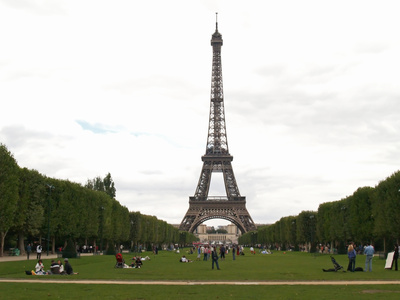
Sometimes it appears the best strategy it to develop a large footprint and lots of walls around your cause’s territory. A large presence seems necessary in order to remain relevant in the sector. Traveling is a great reminder that all you need is a doorway for entry. Take for example a hotel in any major European city. First floor space on most streets is expensive and rents for a premium. Why put non-vital services on the ground-floor where they take-up extremely desirable space? A well placed entrance to an enterprise with desirable services will attract the desired customers.
Are you competing to create the grandest entrance or developing the services that your customers desire once they arrive?
Questions You Must Ask Everyday to Improve
There are times during an athletic competition, consulting project, or eventful moment of life that I wonder how much longer I can maintain the pace. It struck me the other day that it is during these moments that life it revealed at its fullest. It is in the instant that you launch off the diving board and head for the pool water below. You are committed and can either execute the dive you planned or perform a painful belly flop. Put a number on your shirt and enter a running race and there will be a threshold that you reach where you have to decide if you can keep going or need to back-off. There is no right answer but living in that moment of questioning for just a few seconds or minutes longer seems to reveal more than a lifetime of dreaming.
The successes I most treasure are rooted in persevering when the questioning became most intense. “Can I keep this up? Will it be more painful a mile from now? Do I have the stamina to sustain this effort? What if a competitor pushes the pace faster, how will I match their acceleration?”
What are your questions? How have they inspired you? What lessons have you learned?
Off Track
Does your organization’s routine inspire innovation or wears down new ideas before they get a chance to fly?
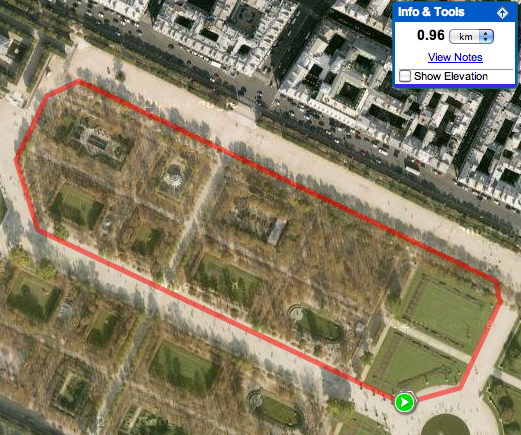
If you have ever run in a new city it is easy to find a loop that works and use it as your main route for the remainder of your stay. However, some of the greatest discoveries happen when you are willing to use the tried and true as a landmark and begin to explore.
If you stayed to the confines of the Tuileries in Paris you might miss…
How do you ensure that your routine does not keep you running laps on a track while making only left turns? What steps have you taken to explore new terrain?
Info
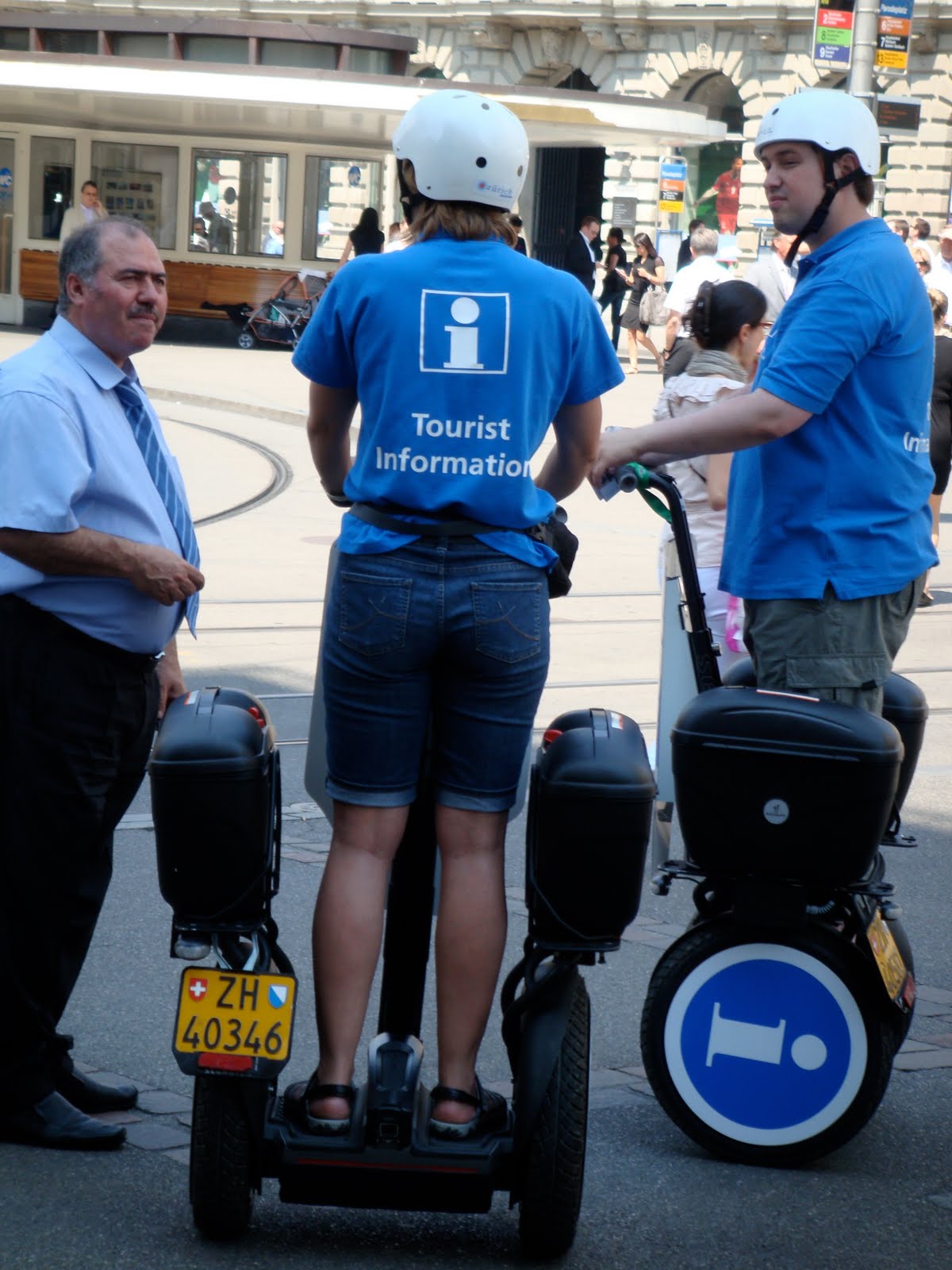
Where do your fans and customers get information about your cause? Is it easy to obtain? Is it accurate and up-to-date? Do they come to you or do you need to go to them? Have you asked those individuals seeking information which format works best for them? Do you use multiple platforms or just one? Do you need to get out and about of spend more time manning the information desk?
Many social sector organizations claim to be the best kept secret in town. Perhaps you need to consider a new strategy for expanding your presence.
Relevance
Daniel Pink’s book, Drive reminds us of the importance of relevance in the field of education.
Think of it as the fourth R: reading, writing, arithmetic…and relevance.
It is perhaps the central question when we consider using the time and talent’s of a social sector board, volunteers and staff. How do we keep the focus relevant to the mission of the enterprise?
What is really valuable?
If you had a limited data plan on your mobile phone and had to filter the emails and text you could afford to receive, which ones would you purge? How many enterprises send communications that act like a burden on your email box? Does your communication plan really hold your audience’s attention or is it easily distracted? Try the firework test- do you remember what you were doing before fireworks unexpectedly fill the night sky? Many times your competition for attention is as powerful as a 4th of July celebration.