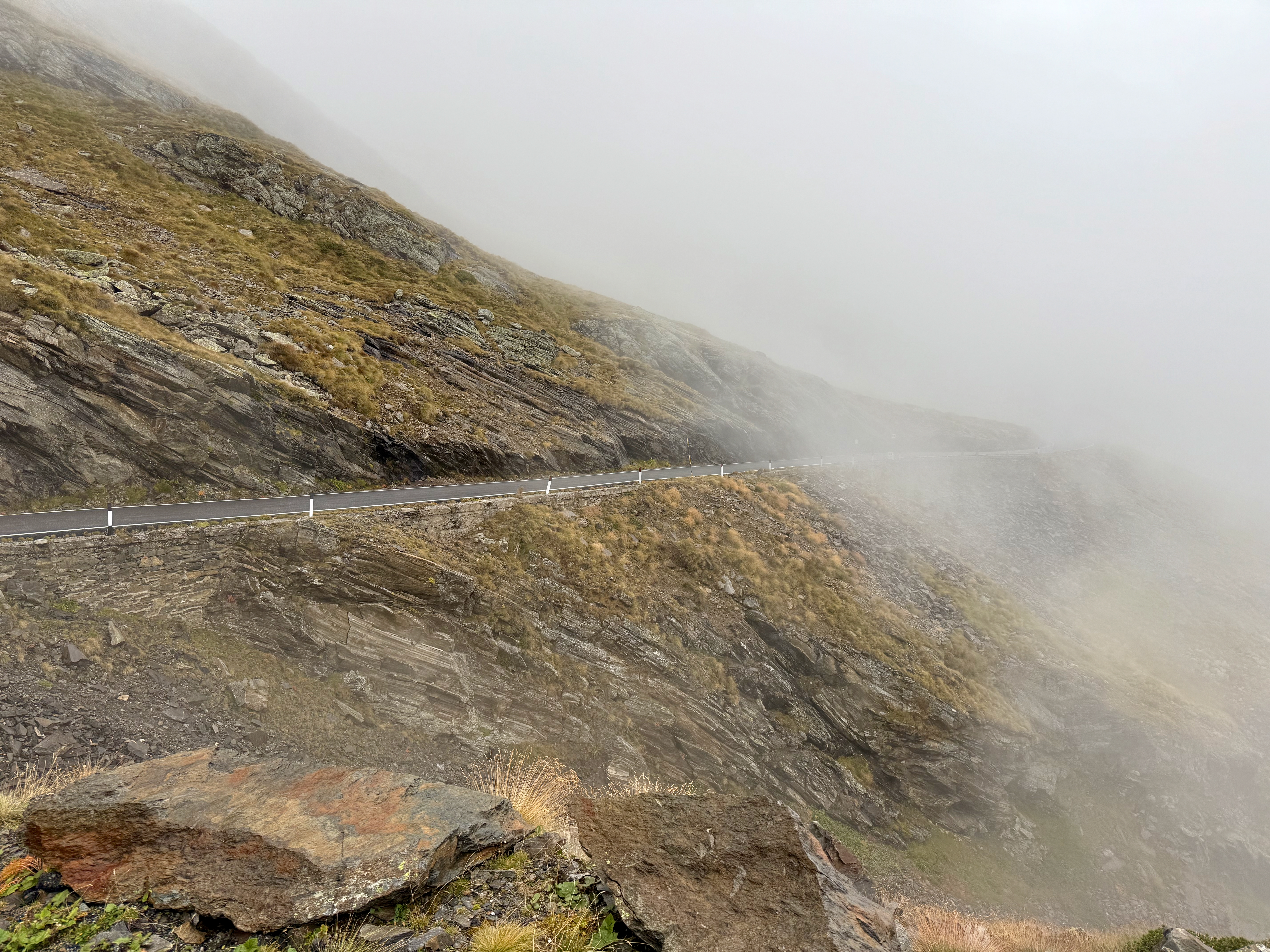
When your journey encounters visibility challenges, what gives you the confidence to continue? When we are unsure of what lies around the next corner, are there techniques and mindsets that offer reassurance?
When your journey encounters visibility challenges, what gives you the confidence to continue? When we are unsure of what lies around the next corner, are there techniques and mindsets that offer reassurance?

When does your adventure become ‘a situation.’ What tipping point crosses the line from Type A Fun to ‘looking for an escape route?’ Our values are stressed, and we must recalibrate or remove ourselves from the environment challenging our worldview.
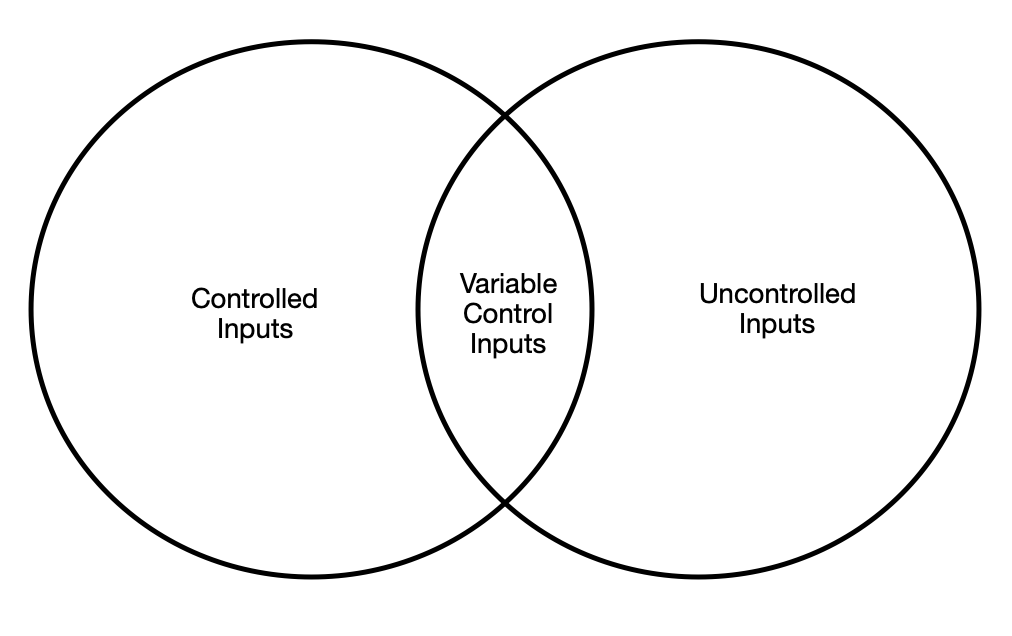
What can you control? What is beyond your control? What falls between these two categories? What if you took the time to map these quickly before your enterprise approves its next budget or decides on resource allocation? What if you started a generative conversation by adding Post-it notes to a larger template of the above graphic? How might our future discussions benefit from agreeing beforehand about what we control and what is beyond our influence?
Thru-hikers planning for one of the ultra-distance trail networks (e.g., Pacific Crest Trail, Continental Divide Trail, Appalachian Trail1, etc.) in the United States during 2025 are working on extensive details. They can control the gear they acquire, fitness level, re-ration boxes, and goals. They cannot control the snowpack, wildlife, availability of trail angels to assist them, or other trail users they will encounter. They have variable control over the distance they plan to cover, hiking partner(s), and probable scenarios encountered based on previous long-distance hikes.
A thru-hiker can spend most of their time on the controlled and variable inputs, leaving the uncontrolled inputs for evaluation as departure day approaches.

Are you more or less likely to trust a directional sign if it appears rickety and patched together? Is it safer to take guidance from a signal that appears in an original state versus one in a liminal state?
What opportunities do we miss when we forsake the uncertain? What risks do we avoid by staying on the main path? What resources are we willing to expend in search of something new?
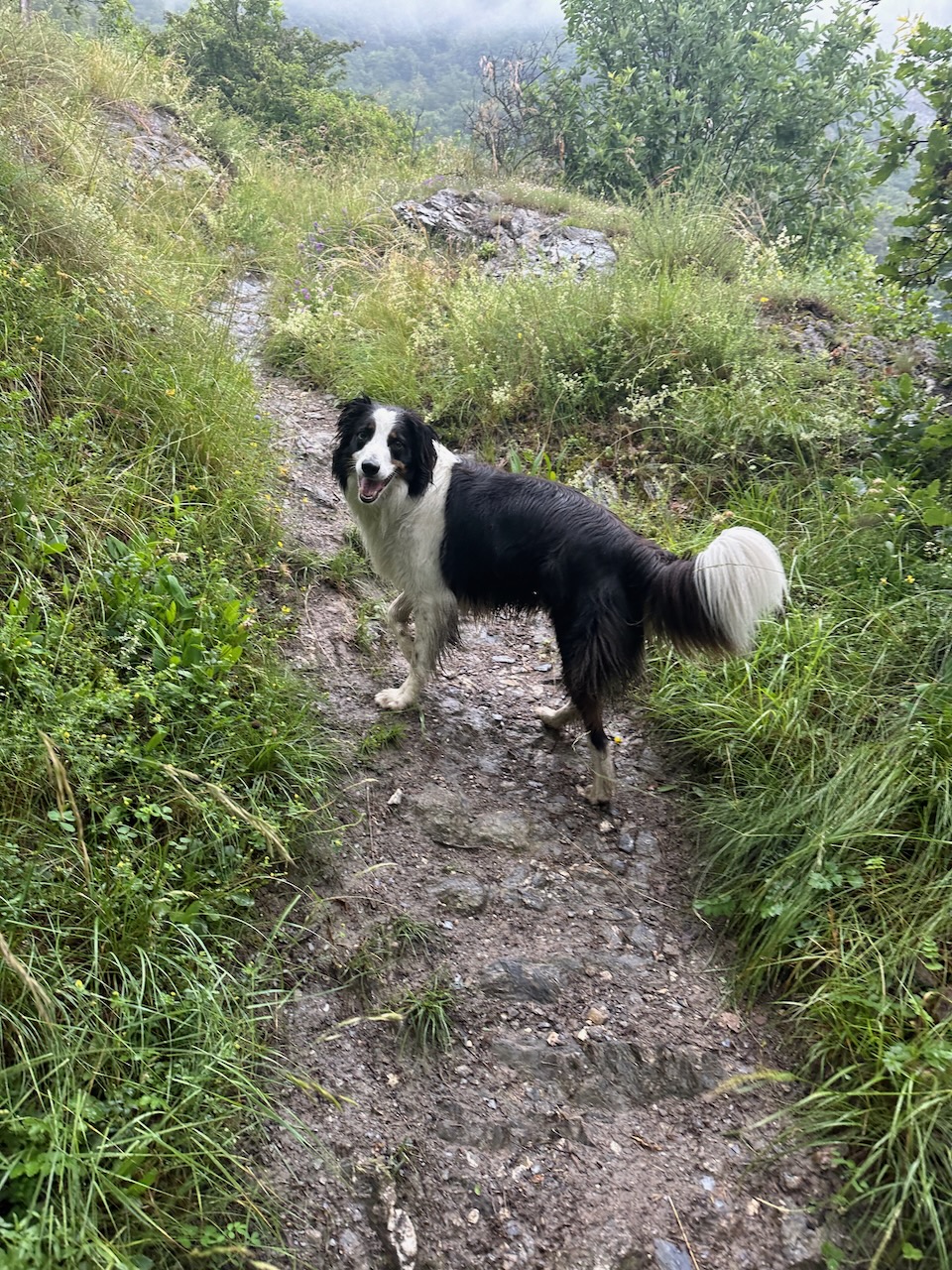
There are times when we select our trail companions, there are times they select us, and there are times when we happen to occupy the same section of the trail. I was running in the mountains when a dog decided to join me for a portion of my run. The adventurous canine appeared happy and confident, so I assumed good intentions. After a couple minutes of shared navigation, I noticed another trail user with an umbrella below me on the lower switchbacks, and the dog dutifully returned to their owner.
We do not always get to pick our partners while doing the work that matters. Sometimes, we join forces after strategic decisions; other times, circumstances compel us into a shared space, and occasionally, we just happen to be occupying the same point in our work (or organizational lifecycle).
How might we be open to all types of partnerships, not just the ones that primarily benefit us? How might we recognize that being a trail partner offers assurance to those who might have doubts or need a little inspiration to continue their journey?

Narrow roads can lead to exciting adventures or peril. What considerations should we make when deciding whether to continue our journey or seek a new route? Does it change our mindset if we bestow upon ourselves the title of ‘explorer’ or ‘adventurer’?

When the next section of the trail is obscure, it makes the journey remarkable. The wind, misting rain, racing clouds, and mud add depth and dimension. It makes the days with a highly visible trail more memorable.


What if you travel to the mailbox every day and find it empty? What if you sent out a request for funding as a year-end appeal and have not received a response? What if you asked people to provide their insights in a brief poll on an easy-to-return postcard and none returned? What if you announced you were going out of business, and nobody responded with good wishes or an inquiry about what happened?
It is convenient to think that our efforts do not inspire them just because we have yet to hear from our fans. I spoke with a thru-hiker who completed the Appalachian Trail. He remarked on how almost everyone adopted a trail name. Some were memorable, and one, in particular, stood out. A hiker who was roughly ten days ahead of him would sign in at various huts, peaks, and significant trail junctions. An individual that my friend had never met was an enduring source of inspiration. Each time he read this forerunner’s trail name in a trail log, he was inspired to keep going. He never caught or met this backpacker, but it influenced him to reach Mt. Katahdin in Maine and to share the story years later.
Your work might be creating the draft pulling along a whole peloton of invisible followers, and your endurance keeps them active in the adventure. Even if we cannot track every view, like, ride on, and accolade, we may be the linchpin for an unofficial team.

How might we embrace the adventure when the journey creates challenges that are beyond our control?
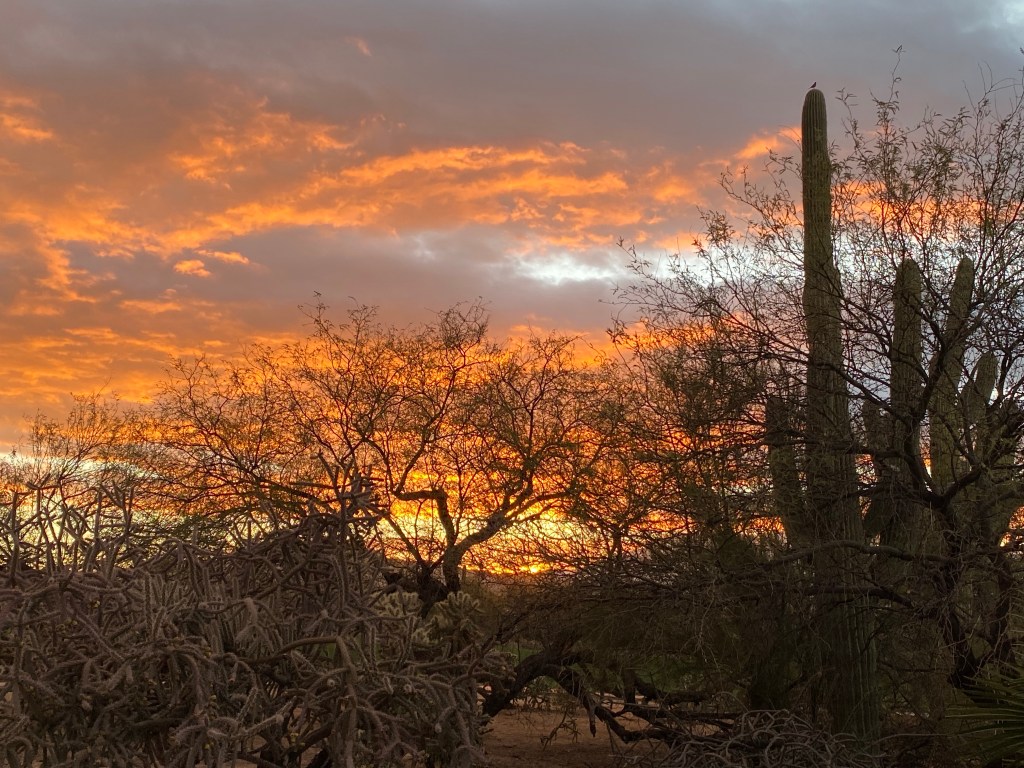
What if we start each day or meeting with a framing question? Something that provides insights and intention. Not a rhetorical question about how we can be more awesome but more on the generative side.
Yesterday, my question of the day was, ‘how might I find adventure while being in a mixed mindset that is trending towards adversity?’ An hour into my road bike ride and I was rolling on my rear rim at 12 mph, a victim of a second flat tire in a ten minute span. I limped towards a bike shop I found on Google Maps which was my last oasis before making the dreaded call for a ride home. Ben’s Bikes quickly outfitted me with two new tubes and air cartridges, plus the good karma of a bulldog who was clearly in-charge of all front door greeting operations.
Back on course, I was relieved to be riding and not headed home in a sag wagon. Quickly, I encountered another cyclist who was riding the same direction and we spent the next two hours sharing a great adventure. I able to guide through the less obvious sections of the bike path (my new cycling companion was on his first lap of The Loop in Tucson) and he provided great conversation and enthusiasm for being out for a ride.
Employing a framing question provided context for the day. I unexpectedly experienced both adversity and adventure. With a bit of focus, I was prepared to head a few more chapters into the journey when the plot took an unexpected turn.
How might questions created a more remarkable experiences?
 What-if-concepts