Change

Old School

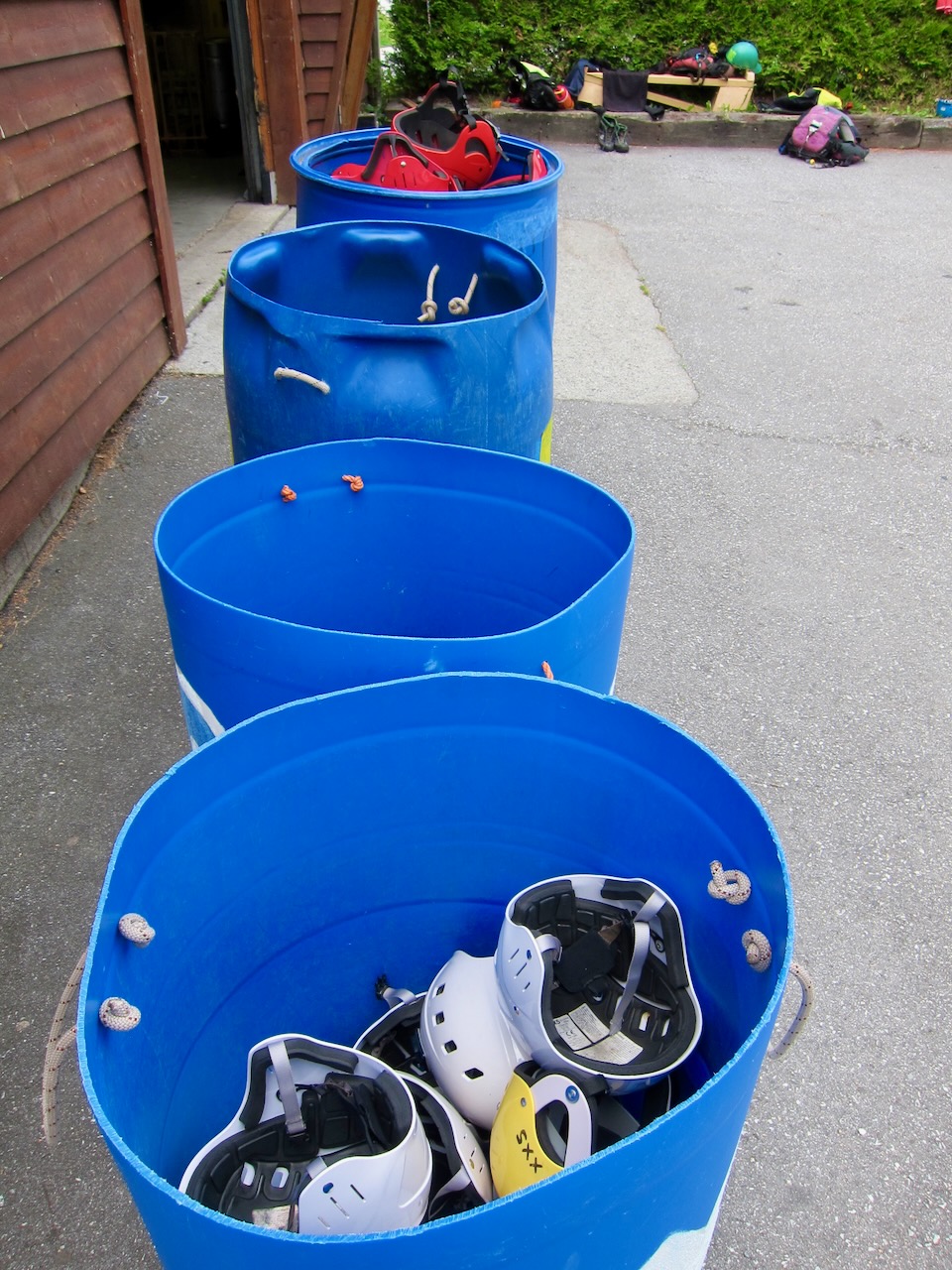
What still works but might be generations behind the newest technology? What old school methods and items do you continue to use without upgrading? What is the tipping point when you choose to upgrade? Do you make the leap to the most current version, or better than the current version? Does your pattern of adopting new ideas/items reveal something about your mindset?

Balloon

We can imagine being kids and playing a game with an inflated balloon. We use our hands and other appendages to keep the balloon suspended and discourage it from falling to the floor. It is a joyful memory.

What if we took the balloon’s perspective, directed upwards at random intervals, and had our journey impacted by a whimsical outside force?

Some enterprises are encountering the sensation of the balloon. They are reacting to unpredictable inputs from external sources. Funders, granters, board members, peers, state and government policies, communities, and society’s priorities are shifting rapidly.

How are you keeping stable when the certainty of staying afloat is tenuous? How do you thrive when remaining in the game is the primary focus?

New Start

Has a fresh start completely changed your mindset and the outcomes surrounding your actions? Head out on a bike ride with a rear tire that shows signs of significant wear, and we get a flat tire immediately; it can feel deflating (pun intended). Returning to the starting point, we change the tire and tube to place the wheel back in functional condition. We head off with greater certainty that our ride will be free from mechanical failures. Our mindset can focus on the activity of riding instead of the fifty-fifty chance our tire will not survive the ride.

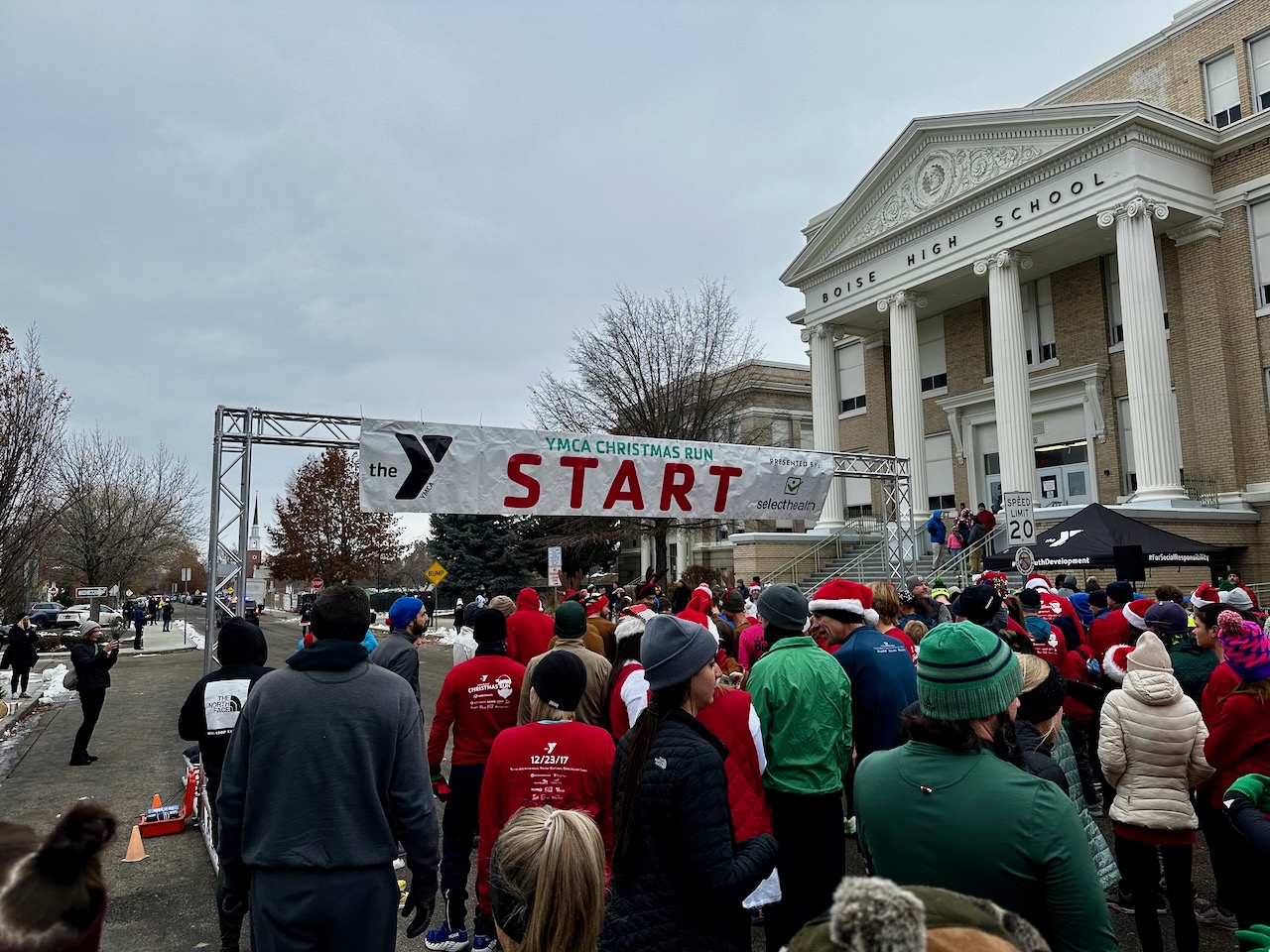
Fresh starts are magical; they do not take up a lot of energy to alter our mindset. How might we use a new calendar year to reset our patterns, assumptions, and behaviors? What might we focus on when we remove some of the most prominent distractions?

Changing the System

Disney changed the color of lifeboats on cruise ships and created the design for marking the difficulty of ski runs. Disney wanted a different color scheme for lifeboats, so they did research and convinced the US Coast Guard to expand the acceptable palette of lifeboat colors. When Disney considered owning and operating a ski resort, there was no universal system for marking the difficulty of ski runs. Disney created a system that was adopted by many ski areas. Ultimately, Disney never launched its ski resort but altered the ski industry.

We are all working to change the system in some way. We are trying to enforce the existing system, expand the system, or break the system. Understanding that we might effect change without being stakeholders is a paradigm shift.

Routine

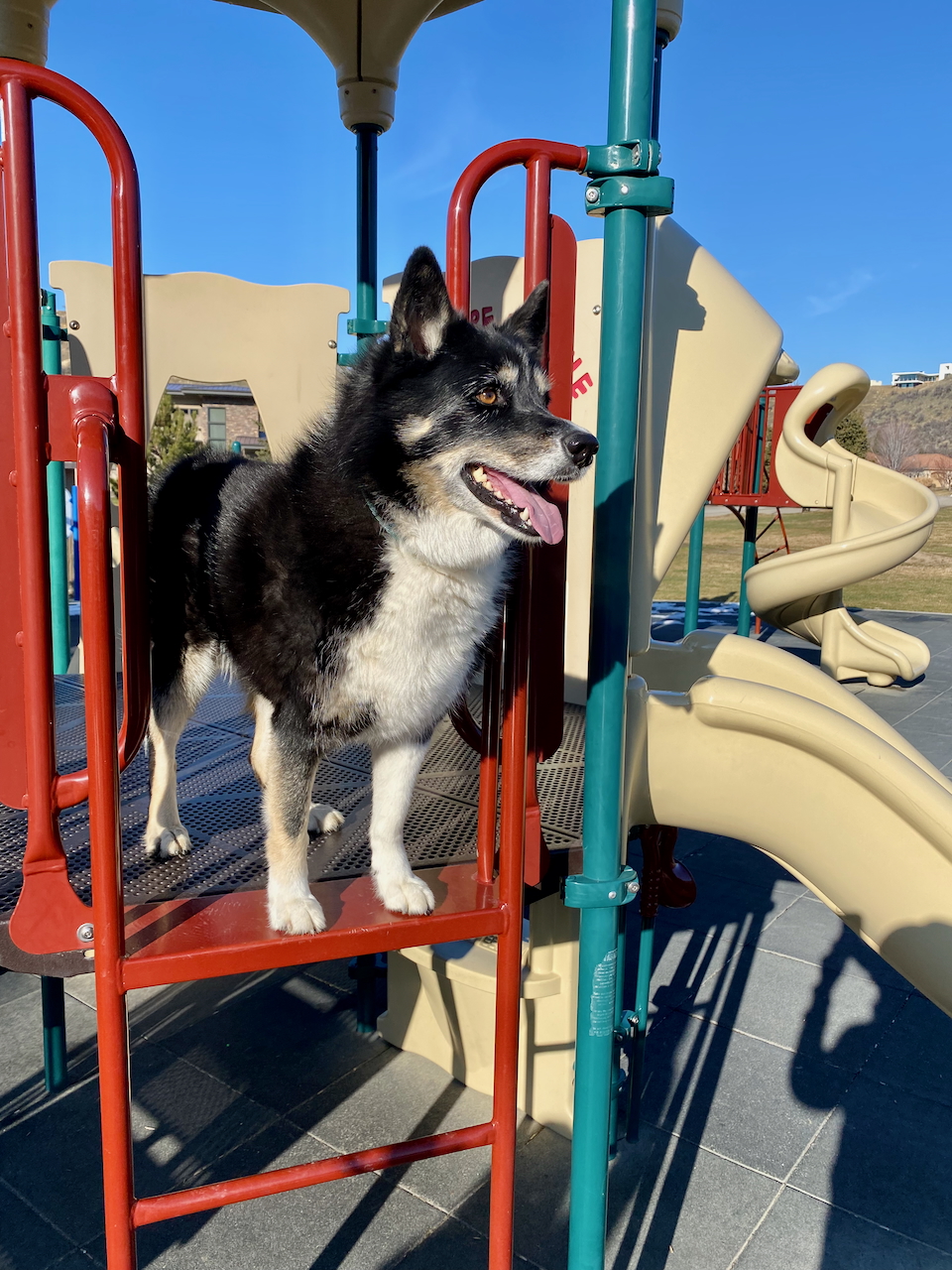
This morning I took my dog to the park. Walking back, I prepared to discard the dog bag into the trash bin but it was gone. There had been a music concert at the park last night; perhaps somebody had moved the trash can closer to the venue. My morning routine was disrupted, and my mindset changed. Where was the closest trash can? Why was our corner trash can missing? Who else was having a pattern disruption?

Some routines are disrupted by external forces, and some by internal choices. How might we disrupt our own patterns to challenge our status quo? How might a break in routine create new ways of thinking or confirm our current course of action? Emergency service and para-military groups perform pattern disruptions by running unscheduled drills. They move from a state of normal to a response posture with the sound of an alarm.

Quick starting points for a change to routine include moving your next meeting to a different venue, changing the agenda order, asking attendees to sit in a different seat, inviting a guest speaker, providing a report with different metrics, canceling a regular meeting to see the impact, and starting the meeting with a generative question.

How do you change your routine? What has forced you to change patterns?

Static Things that Change

How can an ancient archeological site that appears static embody change? With research, we might find black-and-white photographs of the locality from a century ago. Despite weathering, it looms untouched. What alters is our interpretation of the relic. Upon ‘discovery,’ it might have been viewed as the height of ancient civilization and the leading manifestation of an architectural style. Then, the narrative is amended. Perhaps another archaeological site was discovered underneath, complicating the story of who settled here and why one culture built over the remains of another. The legacy associated with the scene fractures and the lived history of different peoples are considered. Scholars present papers on the progress and regression associated with the people who constructed and lived on site. Historical interpretation signs are altered to reflect the language of the current times. The structure remains static, but the narrative evolves.

What organizational decisions and landmarks require reinterpretation in your enterprise? What have you inherited that may appear static but is layered with the need for further conversations. What have we assumed was settled only to be resurfaced?

Changing Course

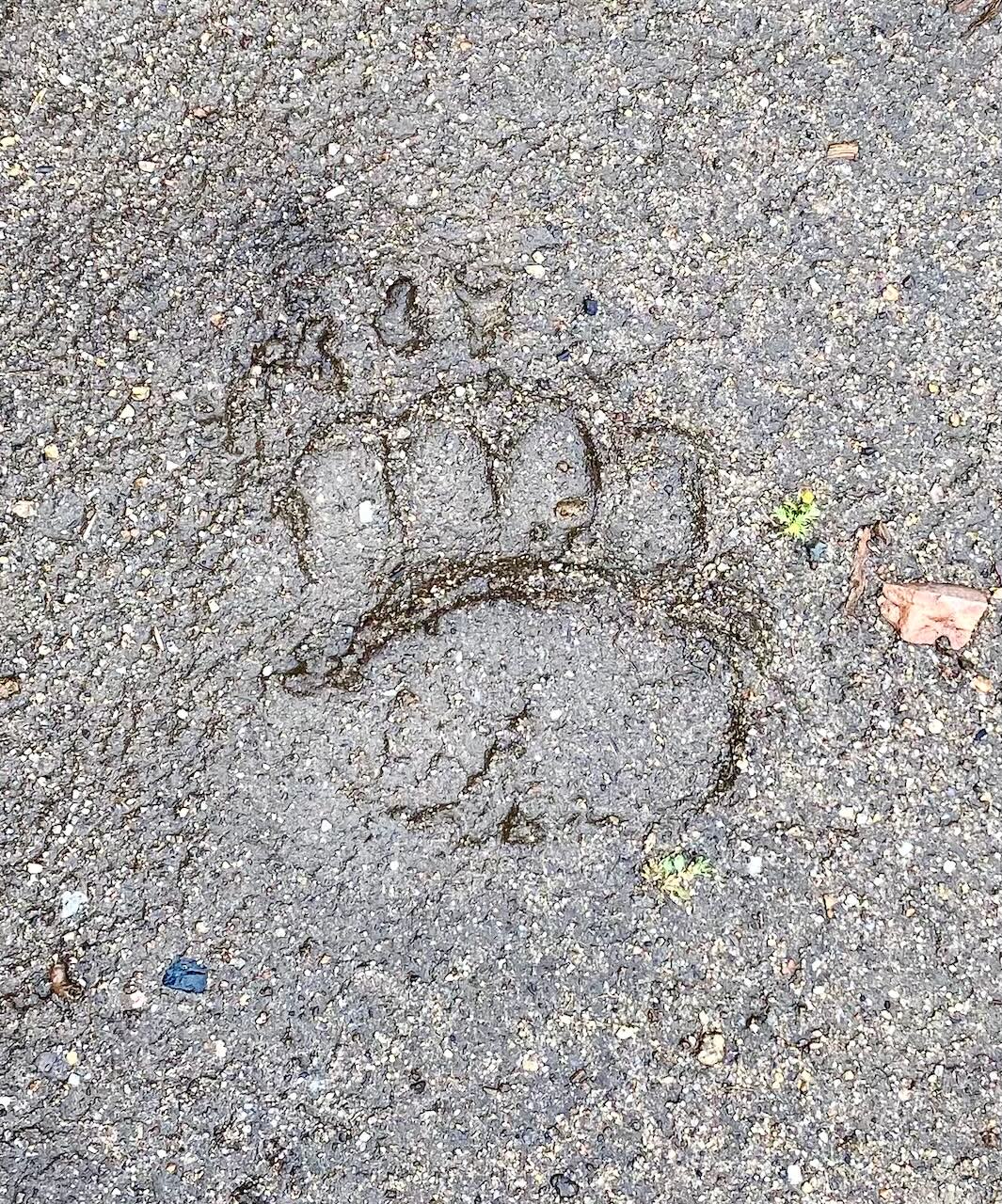
I was out for a morning run in Wyoming. It was rainy and low clouds hung in the valley. I decided to deviate from the main gravel road to a 4×4 track that led into the hills. After four strides on the muddy surface, I noticed animal prints. Quickly I assessed it was a grizzly bear, the claw marks at the top being the most evident. I decided I did not need to run into the woods, charging up behind a grizzly that was out for a morning forage. So I changed directions.


Further out the main gravel road, I encountered a bull elk standing on a high point just off the road. He eyed me as I progressed towards his elevated position. The elk turned and faced me, still a reasonable distance away. After a loud haunting bugle, he started trotting in my direction. I quickly recognized that I was a threat and decided to change directions again. I ceased the unintended battle for the high ground without thought and retraced my steps.


We do not always know what we will encounter on our adventures, and we can possess enough clarity about the work that matters to decide when to proceed and when to find another path. Changing directions is not defeat; it is the reality of navigating, and it does not always take bear tracks and aggressive elk to shape our new path.