Decision-making

Resistance

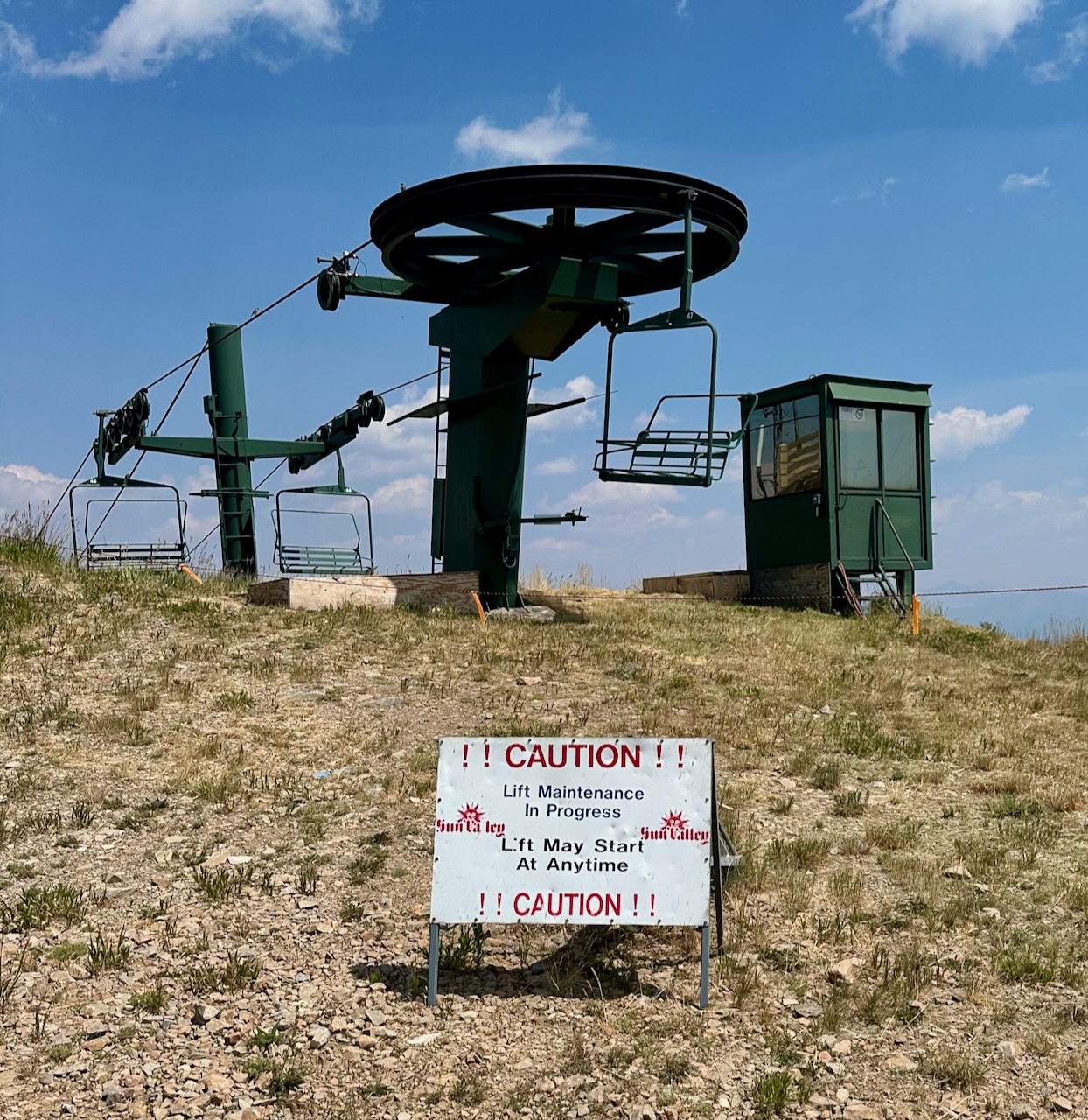
Resistance is a remarkable force for good and/or a formiable foe. It can appear in numerous forms, mechanical, psychological, chemical, environmental, and humanity to name a few. As winter grips parts of the northern hemisphere, our ability to adapt or subcome to cold is a form of resistance.

Making a decision has a layer of resistance embedded. Embracing homeostatis allows us to postpone resistance in some circumstances. Trying to navigate numerous choices creates points of friction and resistance in certain occurrences.

How might we prepare in advance for resistance points? How might we preload resources to overcome barriers that will postpone our progress? And, how might we adopt a mindset to honor resistance points that are impending signs of failure or damage?

Proxy

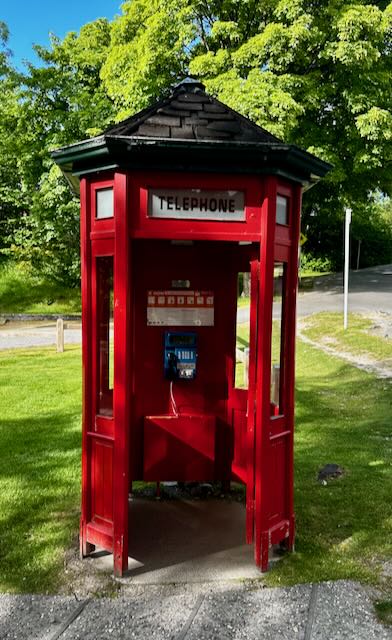
What decisions are we comfortable making via proxy? Which ones do we feel better about being present for? Where are you willing to leverage your decision-making authority, and which requires your presence? When ordering take-out food, a surrogate might be easily endowed with menu choices. Signing a lease for an apartment might fall in the middle. Choosing a life partner is probably best navigated with input from the two interested parties.

Reaction

How do you react when you get into your vehicle and the check engine light is illuminated? What if the scenario changes to a rental car? What if the warning flashes on randomly but then ceases?

One critical attribute many enterprises seek is individuals skilled at decision-making. Without more information, none of those incidents mentioned earlier have a proper solution. However, how we seek more context and react may reflect our decision-making ability.

How might we not always recruit the most credentialed individuals for our cause but consider their ability to help our enterprise navigate demanding decisions?

Rue Goldberg vs Planning

Rue Goldberg machines blend engineering, creativity, and autonomy. Designing and building a contraption is an art form. It requires the ability to trial scenarios and use objects in innovative ways. Watching the finished product in action can feel anticlimactic since we anticipate all the obstacles have been removed.

It occurs to me that some groups committed to strategic planning view their process as assembling a Rue Goldberg. They intend to design an elaborate apparatus, commit to a period of trial and error, and then reach a state of predictability where initiating a single event at the start will reach a desired ending. While relying on ingenuity and being flexible in deploying everyday initiatives are consistent with many planning efforts, the controlled environment is unrealistic. Obstacles are what divide planning and acting. We can always reach for tomorrow but only have today to shape the behaviors and processes that will impact our trajectory.

How might we remain flexible as we activate our plan on a daily basis? How might we recognize our plan is at best an outline, if not just some scribbled notes in the margin? How might we embrace the unanticipated instead of building elaborate set pieces to avoid disruption?

Discussing Uncertainty

When we cannot glimpse the landscape ahead from a superior vantage point, it creates feelings of uncertainty. The recent US Presidential election, which initiated a leadership change, means many social sector organizations will face an altered landscape to fulfill their mission. A complete rewrite of a strategic plan is perhaps too much work or inappropriate at this juncture. Perhaps a scenario panning session might offer a productive output. Several enterprises used scenario planning during the pandemic when the rules were unclear, and long-term viability remained obscure. One of my favorite models is the Six Thinking Hats from Edward de Bono. I appreciate that only some ‘hats’ (mindset) will resonate with our key attributes, but completing the process delivers a holistic experience. Generative conversations can replace fear and unknowing with alignment and increased clarity.

The Wand Chooses the Wizzard

In the movie Harry Potter and the Sorcerer’s Stone, Harry needs to select a wand before attending Hogwarts. He enters the wand shop, and the shopkeeper attempts to find the right wand while sharing, ‘The wand chooses the wizard.’

If we amplify the inquiry, does the organization we serve choose us, or do we choose the organization? There are causes I wish to serve but have never been asked to take a significant role. Other enterprises have asked me to join their team, and I am forever grateful after completing a term of service.

Where do you fall on the decision matrix? Do you believe the wand or wizard chooses?

Progress

Progress, not perfection, is an insightful mantra. If we wait to act, curate our art too much, or wait for ideal conditions, we might sacrifice the opportunity to progress. It might feel safer to continue our edits, build another version, or seek additional feedback, but this may delay our chance to generate a more meaningful discussion. Of course, we must assess the risk. We can break the fear threshold if the possible outcome leads to personal failure and hurt feelings. If the user’s safety is compromised, it is best to delay until our concerns can be mitigated.

Control

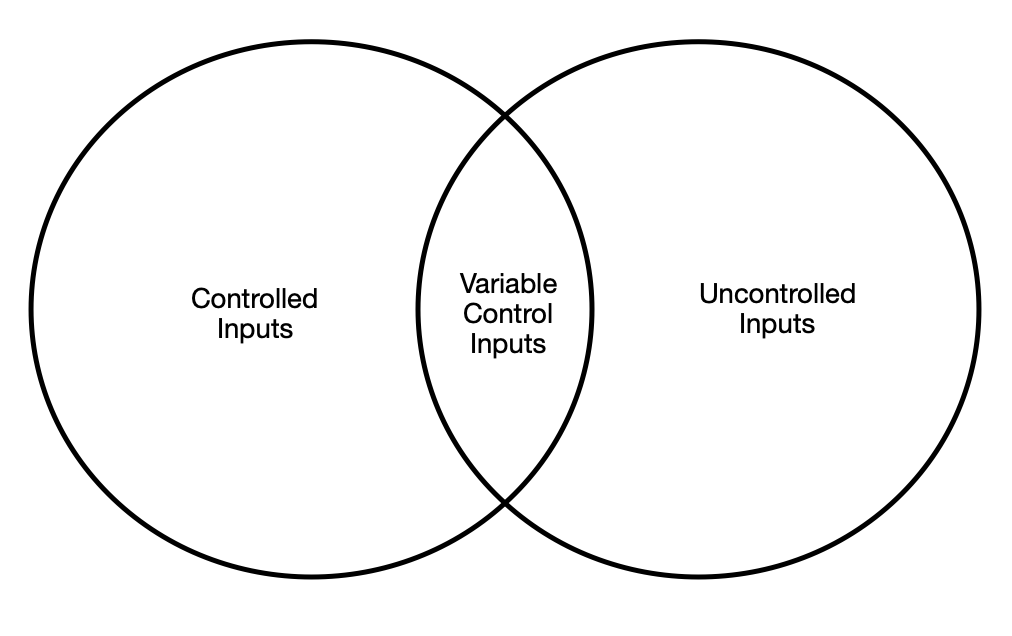
What can you control? What is beyond your control? What falls between these two categories? What if you took the time to map these quickly before your enterprise approves its next budget or decides on resource allocation? What if you started a generative conversation by adding Post-it notes to a larger template of the above graphic? How might our future discussions benefit from agreeing beforehand about what we control and what is beyond our influence?

Thru-hikers planning for one of the ultra-distance trail networks (e.g., Pacific Crest Trail, Continental Divide Trail, Appalachian Trail1, etc.) in the United States during 2025 are working on extensive details. They can control the gear they acquire, fitness level, re-ration boxes, and goals. They cannot control the snowpack, wildlife, availability of trail angels to assist them, or other trail users they will encounter. They have variable control over the distance they plan to cover, hiking partner(s), and probable scenarios encountered based on previous long-distance hikes.

A thru-hiker can spend most of their time on the controlled and variable inputs, leaving the uncontrolled inputs for evaluation as departure day approaches.

1Appalachian Trail Hurrican Damage Update

Algorithm and AI

Currently, on a book tour, David Sedaris has a great line in one of his pieces about how Instagram’s algorithm knows he wants to see a video of a Komono Dragon eating a live goat. The absurdity of the subject matter and the likelihood that such a video exists creates humor and repulsion.

NPR’s All Things Considered broadcast a story about AI generating the first result in a Google search. Using their proprietorial platform Overview, the search giant has allegedly suggested ingesting rocks for nutrition and putting glue on pizza to keep the cheese from sliding off.

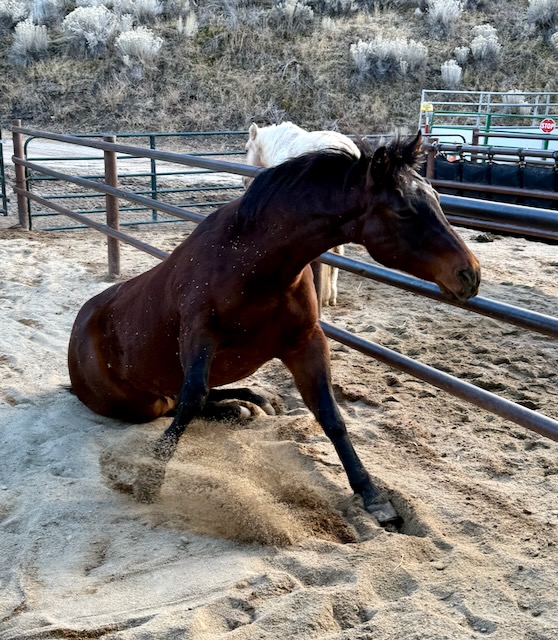
These models are unsteady, like a horse struggling to reach its feet after napping in the sun. They require a lot of power and input from outside data sources to create better results. The more we excel at our exceptional work, the higher the likelihood that algorithms and AI benefit from our creation. But they will always be working on a probability scale. Their suggestions and forecasts will be models. We possess the ability to fill the liminal space between real-time and strategic priorities. While the models might focus on ways to get a napping horse to stand, we can consider the choices we will make on this particular horse, using a specific bridle, while out on our favorite trail just beyond the barn’s fence line.