delight

Please Review Your Item

A hardware store emailed the other day and asked for a review of the three-foot wood dowel I purchased. I received a second request identifying the wood dowel as an item that had not been reviewed, and the store was seeking input. If I did review the item, I am not sure it would benefit future customers.

How might we ask for feedback on experiences and items that alter the course of our work? If we ask for a review of everything or uniform items, we might be frustrating our fans instead of offering a chance to delight future users.

Confidence and Perception

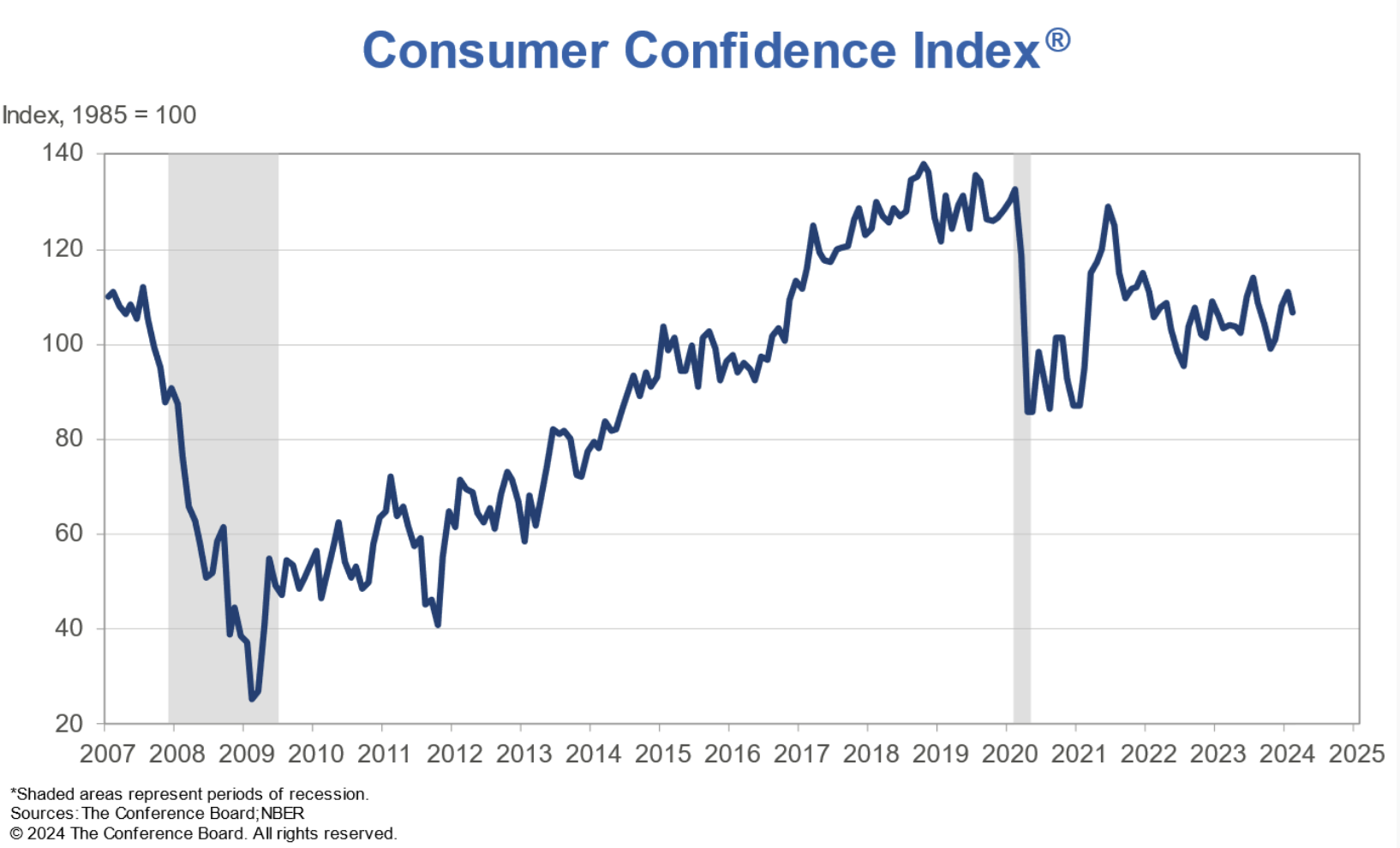
Despite all the economic data accumulated and monitored, the emotional perception of the economy is gathered in a few reports; the Consumer Confidence and Survey of Consumer Perception reports are headline examples. These are reminders that despite economic indicators pointing in one direction, the consumer’s emotional state may be uncoupled from economic trends.

How might we incorporate the perception and confidence of those we serve into our deliberations? Few dashboards capture the human element, instead prioritizing headline numbers. Enrollment might be increasing, but the trust we anticipated we were building is actually eroding the foundation. Our assessment of an enterprise’s progress (or regression) may be forecasted by anecdotal narratives before the data quantifies the disruption or delight we have generated.

Front Row Super Fans

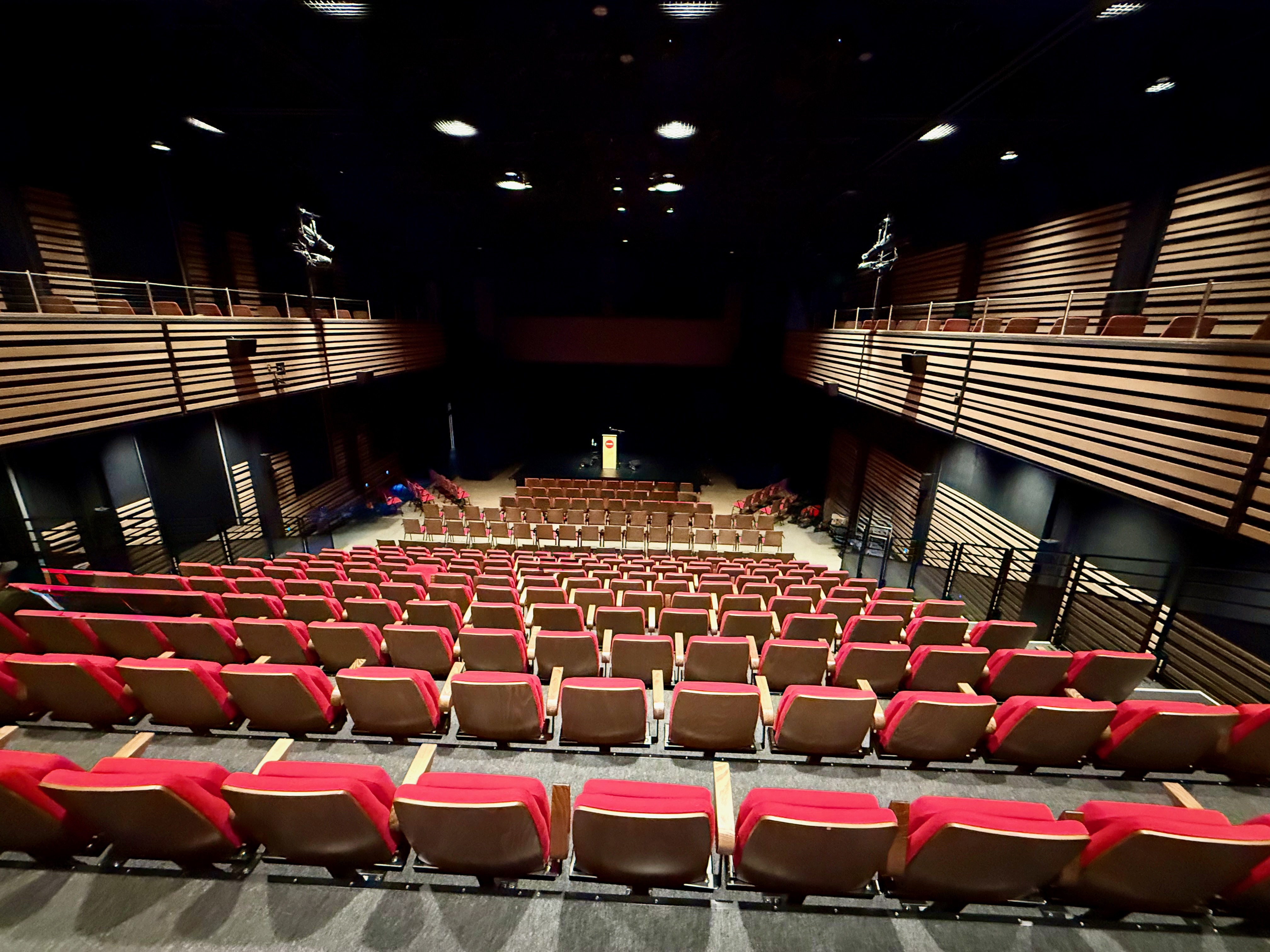
What if we reserved the front rows for our super fans? How might our programs feel different if the people occupying the floor seats were highly passionate, dedicated, and knowledgeable? How might your audience’s mindset change if they were upgraded? The other option is to sell the best seats for the highest price (or allow transactions on the secondary market) and set high expectations. If we pay a premium, the margin to delight people is usually marginal. We can control certain aspects of our events, so why not promote the individuals who cheer for everyone?

Taglines

Taglines are a fantastic way of articulating the essence of our cause, except when they are not. I notice taglines more often when experiencing a disruption or disappointment than when things are in a state of delight. United Airlines champions, ‘flying the friendly skies.’ But that does not feel on point when we are requested to deboard a suddenly canceled flight, and there is no customer service agent to assist with rebooking options. Disneyland promotes being the ‘happiest place on earth,’ but a disconnect is palpable when a favorite rides break down, a cast member snaps at us, and waiting for the most popular attractions edges towards triple-digits.

We want to present our best selves, and taglines are aspirational. They set an expectation and a standard. What gives them depth and meaning is how we cover the range of emotions our clients will encounter, from extraordinary moments of joy to unintentional disruption. If we show up and embody the spirit of the values embedded in the tagline, our fans are likely to deepen their relationship with us. If we say, ‘Get over it,’ then we have broken the relationship, and it becomes transactional.

*** Sometimes, we must intentionally break our tagline in order to maintain the circle of safety. That is how we further trust and those who show up know we care.