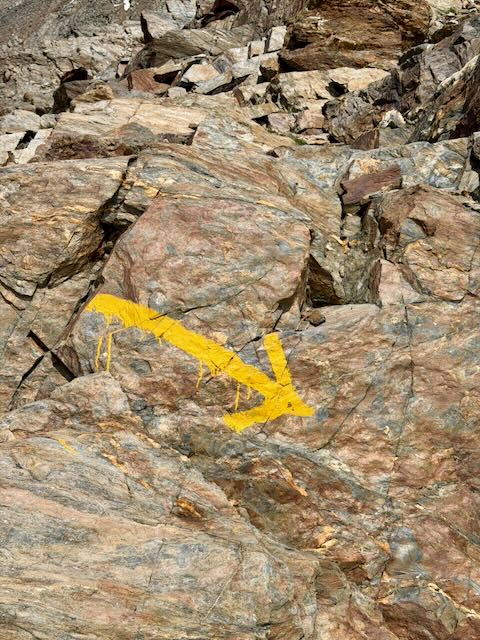
Some signs are obvious and intentional. Others appear applicable but may just be a coincidence.
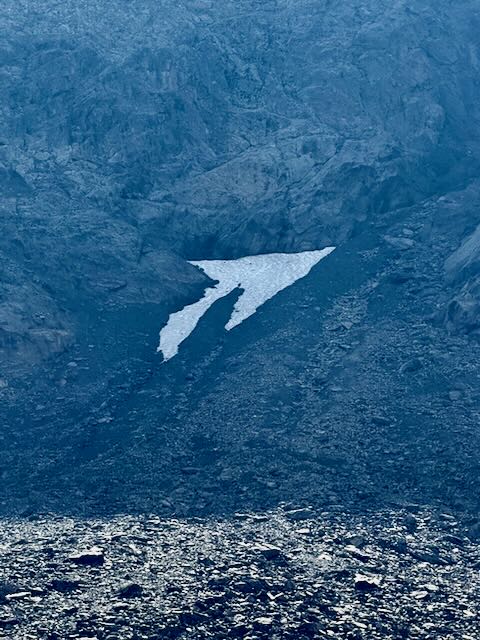
Some signs are obvious and intentional. Others appear applicable but may just be a coincidence.
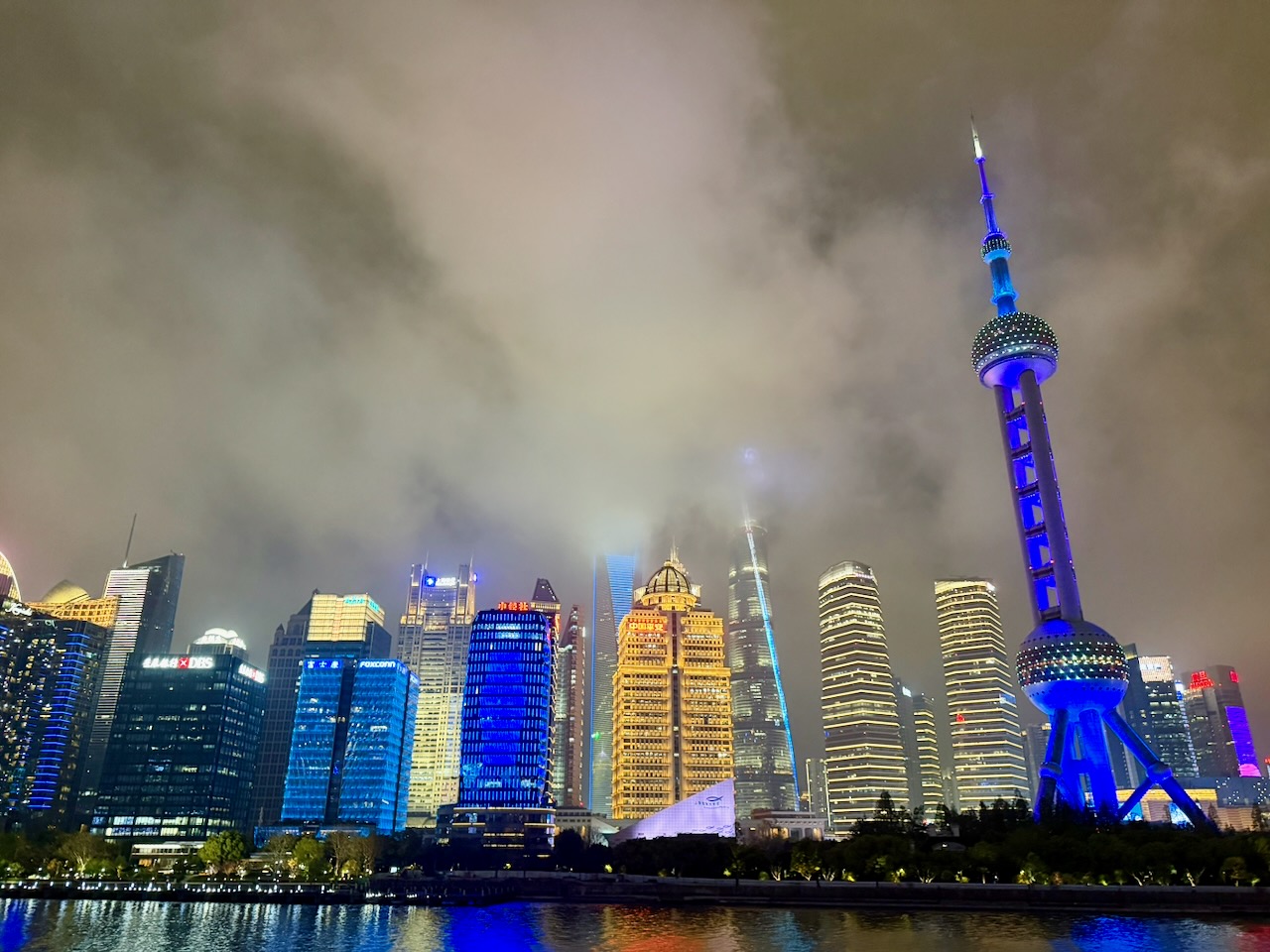
Shanghai at night, without the illuminated skyscrapers and spotlights, might be just another city. However, Shanghai has leaned into nighttime illumination and developed a palette of architectural and marketing features. When we shine a spotlight, we are drawing attention to an area of focus. The spotlight also obscures peripheral features and adjoining parts of our work.
How might we use our spotlight intentionally (and possibly collectively)? How might we avoid appearing like a desperate roadside attraction that is just trying to catch anyone’s eye?
 This morning a blueberry fell to the floor from my spoon and rolled somewhere out of sight. I spent a few minutes searching before it was corralled. I was amazed to find the berry four times further away than the immediate area underfoot where I located my initial reclamation effort. The search and rescue annoyed and amazed me. If I had dropped the blueberry intentionally in hopes that it will roll away like a bouncy ball and it had just landed flat I would have been disappointed. However, I found myself aggravated because this blueberry traveled far beyond what I thought was possible.
How often do we under/over-estimate an object’s potential? Fundraising campaigns intended to raise millions fall silent despite a sophisticated marketing campaign. A blog post finds an audience even though the topic was a random observation. A passing comment at a conference spurs a new organizational strategy. Or, a single discouraging look brings us down.
Our intentions and reality rarely play on the same scale. We should anticipate serendipity, surprise, and lack of correlation. If we embrace a culture of inquiry then we might ask, ‘what else might this be,’ when unanticipated events appear. Perhaps we might spend more time preparing for a broad range of results and less time selecting the spot to place our soon to be won trophy.

