Location

Who Is It For?

Two Starbucks, located across the street from each other, appear like poor business planning; until we recognize that the stores exist in an urban design that prioritizes automobiles. If ease of pedestrian travel were a preference, perhaps one store would be sufficient.

How might we understand ‘who it is for’ before we begin our design and implementation phase? Starbucks does not exist to serve vehicles, but it does serve people. That said, it inhabits an environment that has amplified the needs of motorized travel; therefore, its design model accommodates those arriving in vehicles.

Framing the Location

We might build a viable enterprise if we establish a solid foundation and frame our strategies with appropriate materials. We invest significant resources to occupy a distinct location. As an alternative, we can carry our basic necessities and be mobile.

How might we decide if our location defines our work or if our work defines the location?

Bus Stop

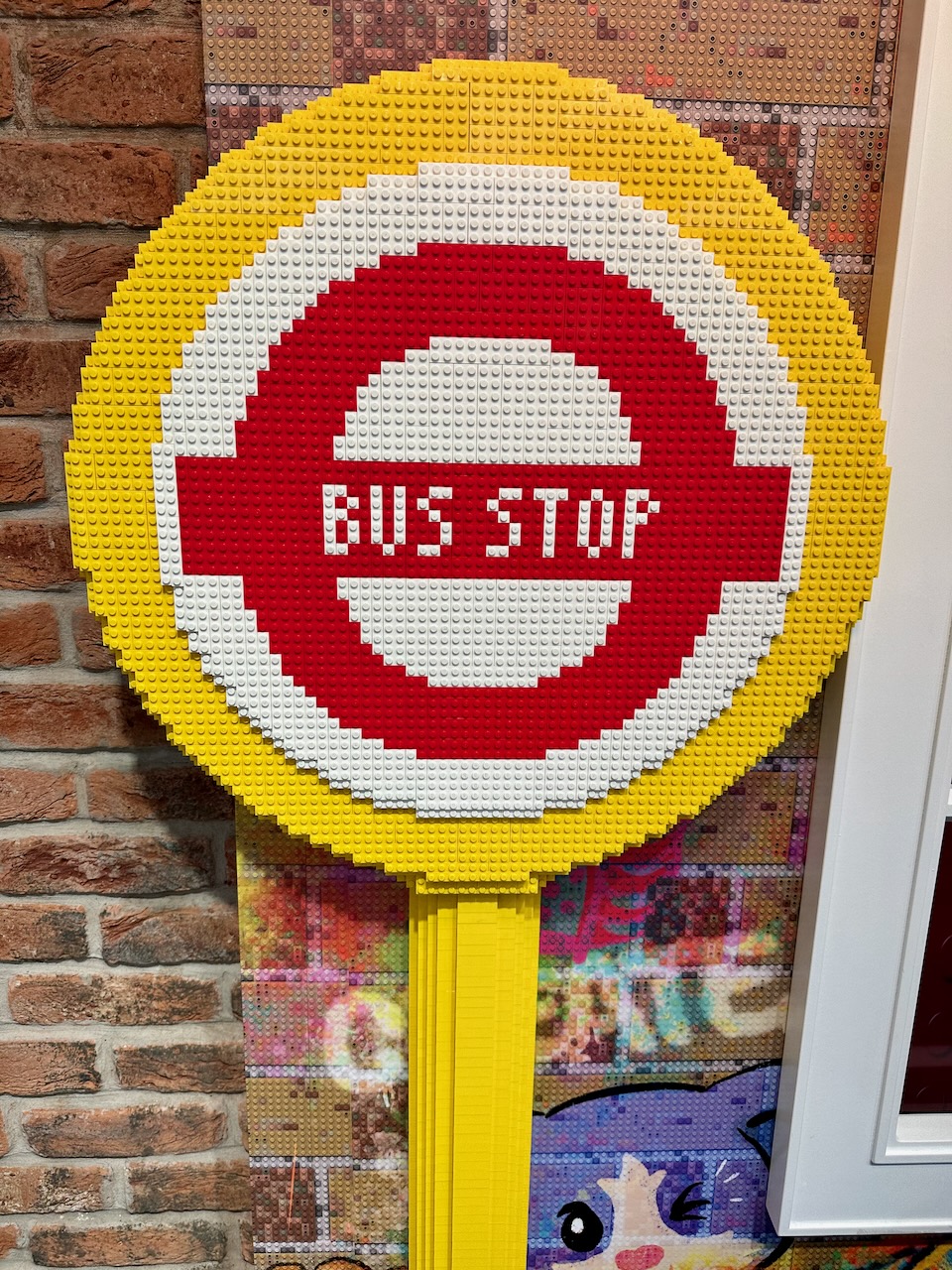
It is not convenient or realistic to wait to engage our fans on the shoulder of an interstate highway between exits. We are more likely to engage if we position ourselves at a bus stop (or any accessible location) where those we serve might be disembarking.

How might we assess if we are accessible to those we wish to support or if we have created unrealistic barriers?

The Refugio Paradox

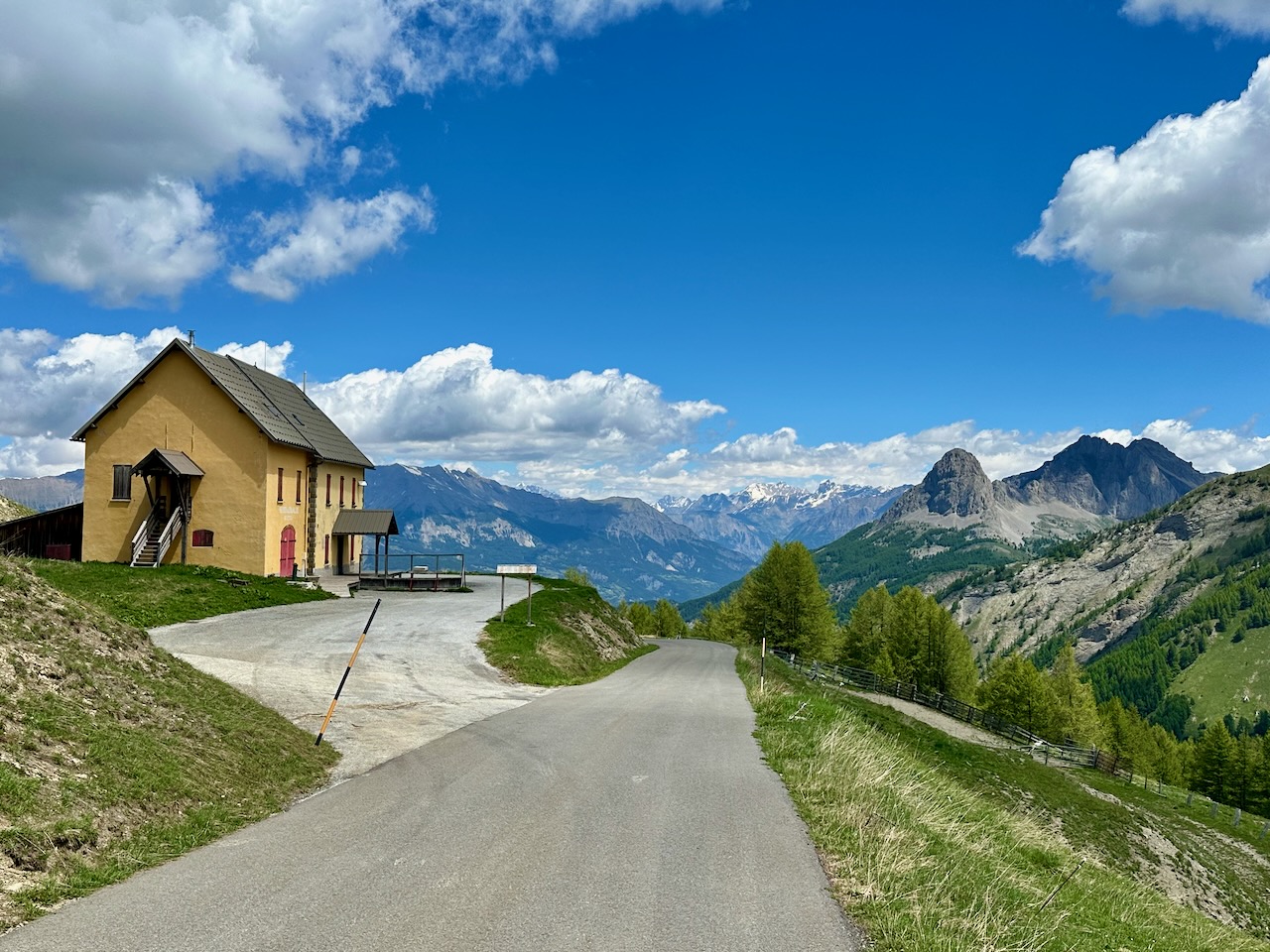
When the mountain pass is open, the snow melts from the road, the weather is inviting, the refugio is well stocked, and business conditions are set for capacity. If the environmental conditions alter, business at a mountain hut can cascade to zero quickly. A closed road due to a mudslide, a challenging patch of weather, or a larger event in the valley villages creates challenges.

Location can make us remarkable, but it can also leave us outside the circle of safety. Awareness dissipates when nobody can reach us. However, our setting attracts those seeking our attributes when the conditions are right.

Waterfalls

Waterfalls tend to attract attention. If reaching one requires navigating a hiking trail, many people use the waterfall as a turn-around point or a place to rest before continuing up the trail.

How might we position ourselves as a point of confluence with the surrounding environment? How might we evaluate our location as part of our strategic value proposition?

Setting

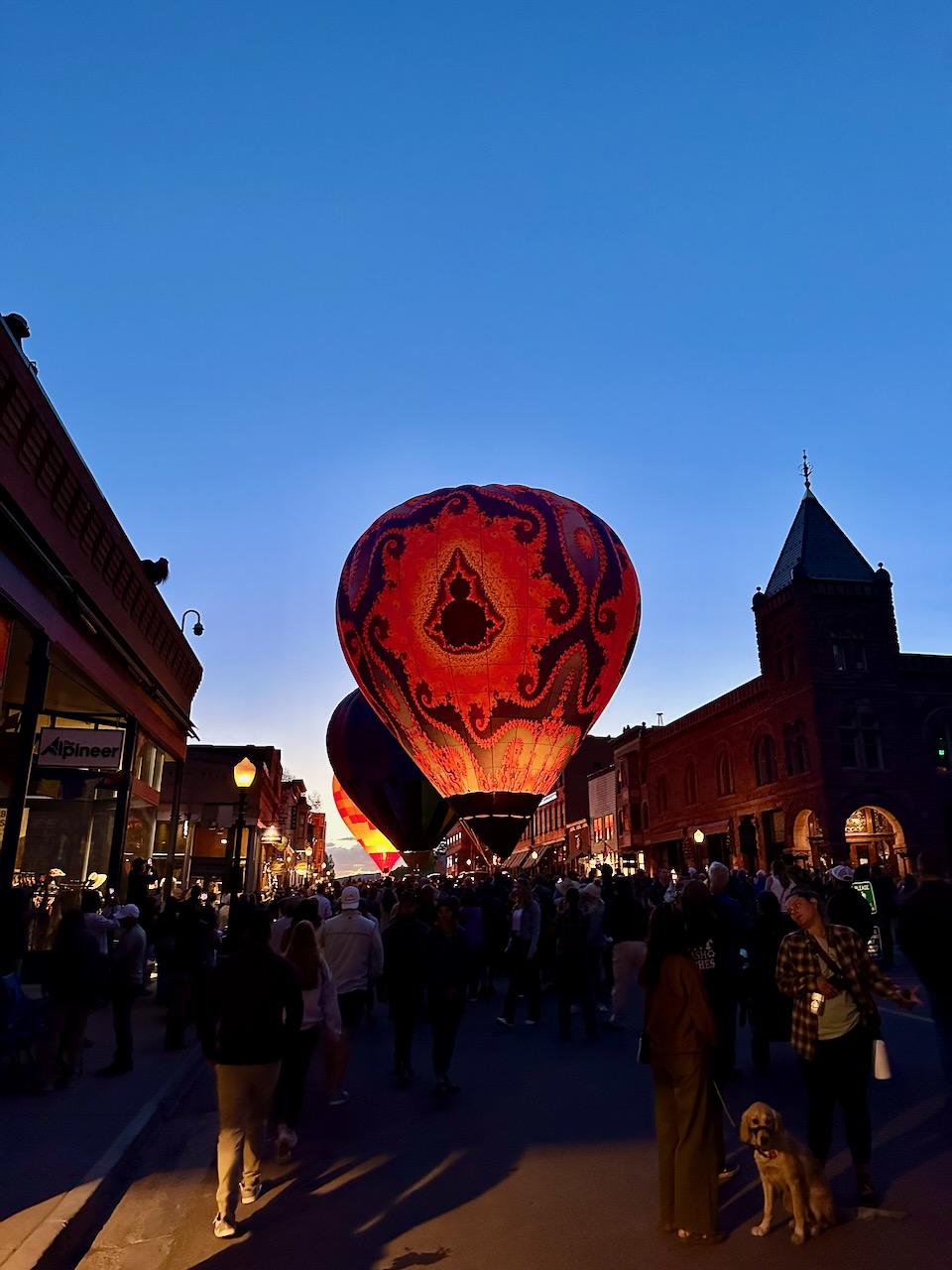
Selling travel insurance at the airport baggage carousel is a poor prospect. Running a lemonade stand after exiting a fast food drive-thru window presents fewer sales opportunities. Giving a keynote on ‘how to get the most out of a conference’ as the closing presenter might be less impactful. Inflating a hot air balloon in a remote field with no spectators generates less excitement.

How might we recognize that our setting matters? If we are uniquely positioned, then our services will be relevant. If we hide in the shadows, we may be of value only to those who took a wrong turn.