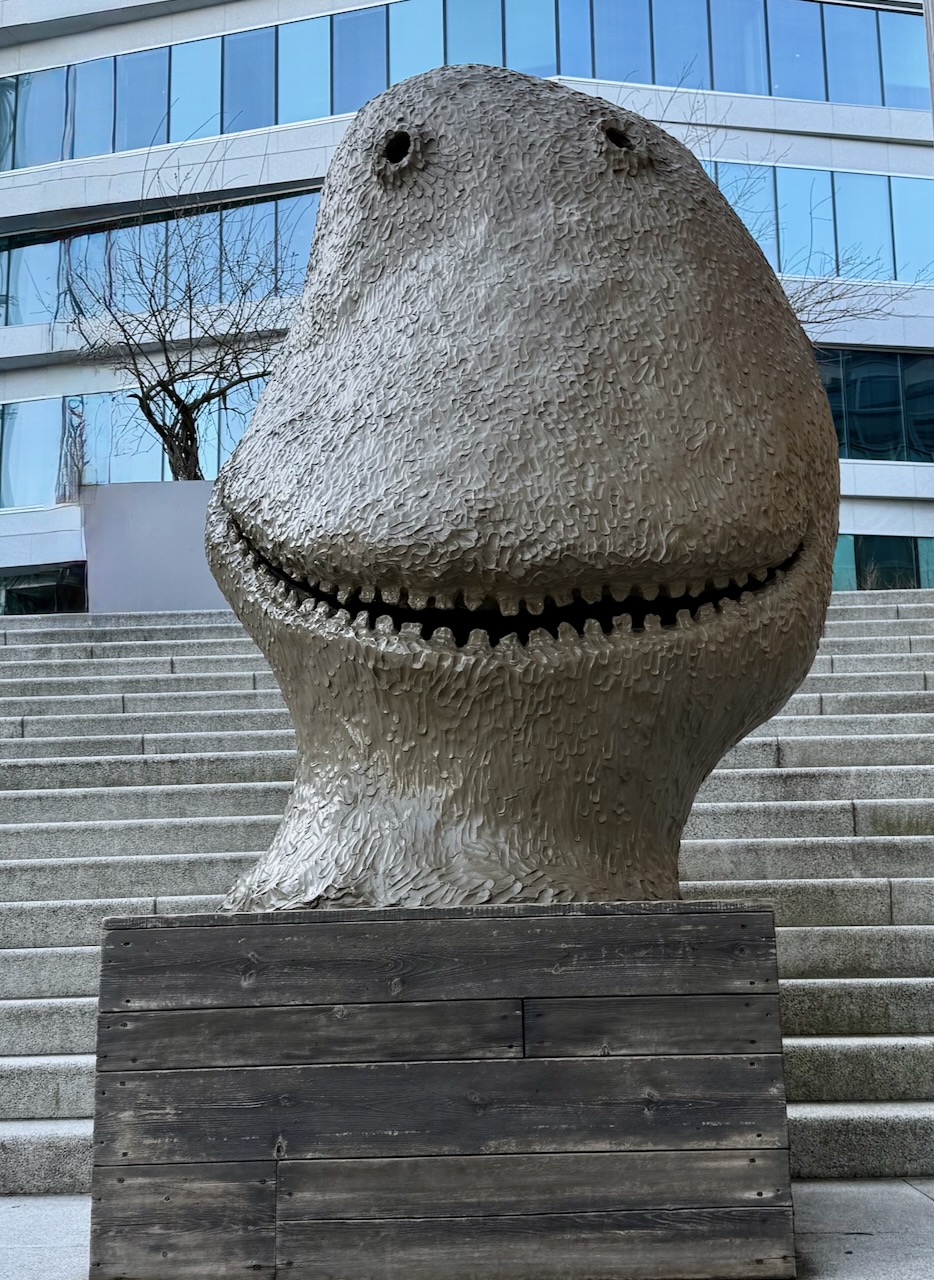
How might a smile change your mindset?
How might a smile change your mindset?

Every start and finish line is an opportunity. What is your mindset at the start? How does it transition when you reach the finish?

How do the departure and arrival experiences differ? When leaving an airport, I am keen to wayfind to my mode of transportation. When I return for departure, I often notice details that eluded me on my way out. We are looking for different clues and ignoring characteristics when we focus on a specific task.

When do choices become overwhelming? Does the scale of the decision make it more or less essential to have greater choices? When buying a toothbrush, do you want an expansive selection? When selecting a new CEO for your cause, do you want an equal number of choices for the final round? Do the consequences of our choice change the options desired?

What still works but might be generations behind the newest technology? What old school methods and items do you continue to use without upgrading? What is the tipping point when you choose to upgrade? Do you make the leap to the most current version, or better than the current version? Does your pattern of adopting new ideas/items reveal something about your mindset?
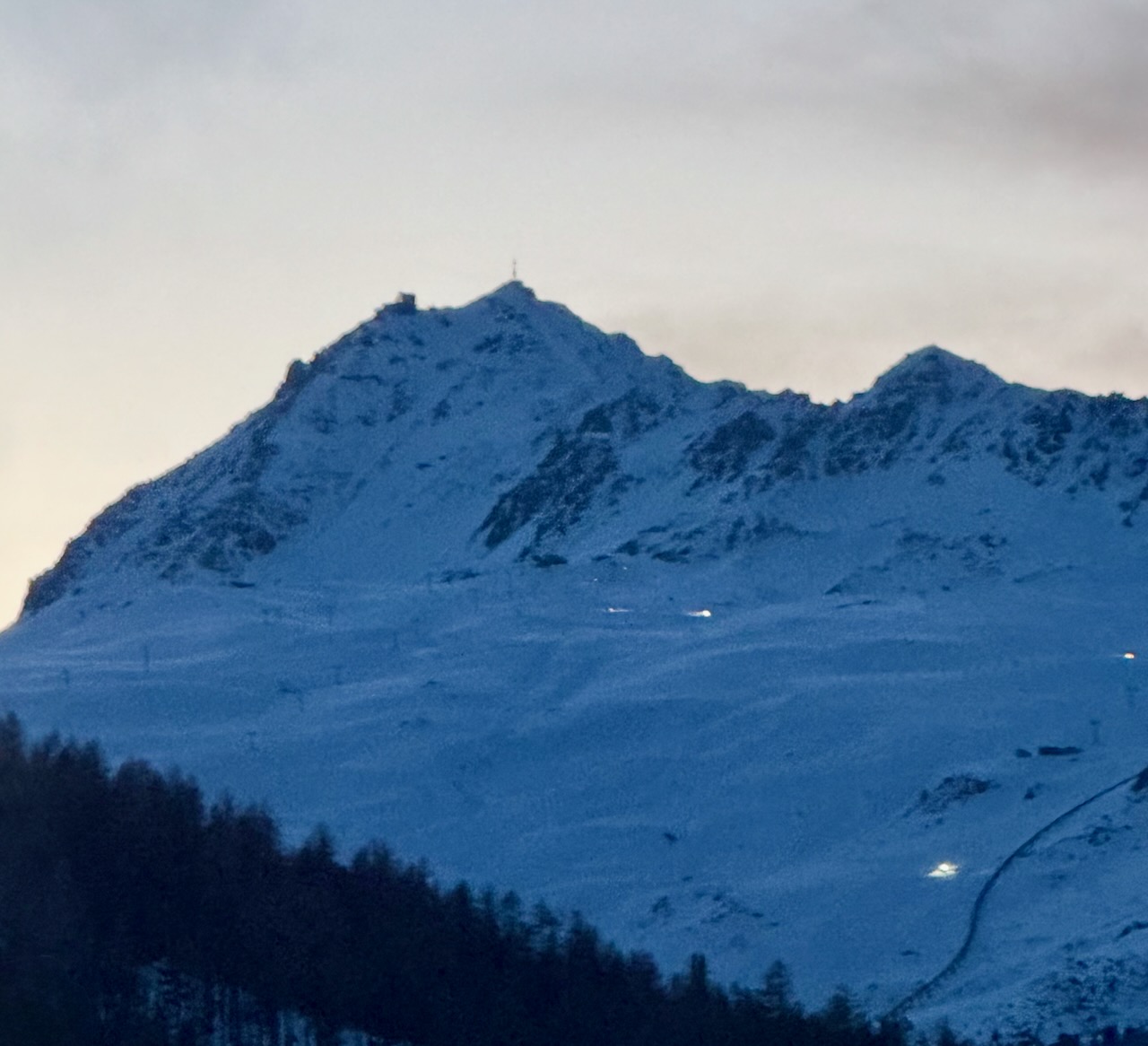
Grooming at larger ski resorts typically takes place in the evening. With the addition of halligen lights, grooming cats illuminate the night sky. Spend a few moments, and you will see their work in progress. Even when the mountain’s scale is hard to comprehend, knowing their overnight labor is tomorrow’s joyous adventure is rewarding.

The mountain glacier used to occupy this location in the 1800s. Today, you have to travel more than 3 kilometers (almost 2 miles) up the valley to view the glacier, and even then, you are not at the glacier’s terminal moraine. We are so keen to measure progress but are reticent to monitor regression. What does regression tell us? It might be the most crucial narrative we can explore.
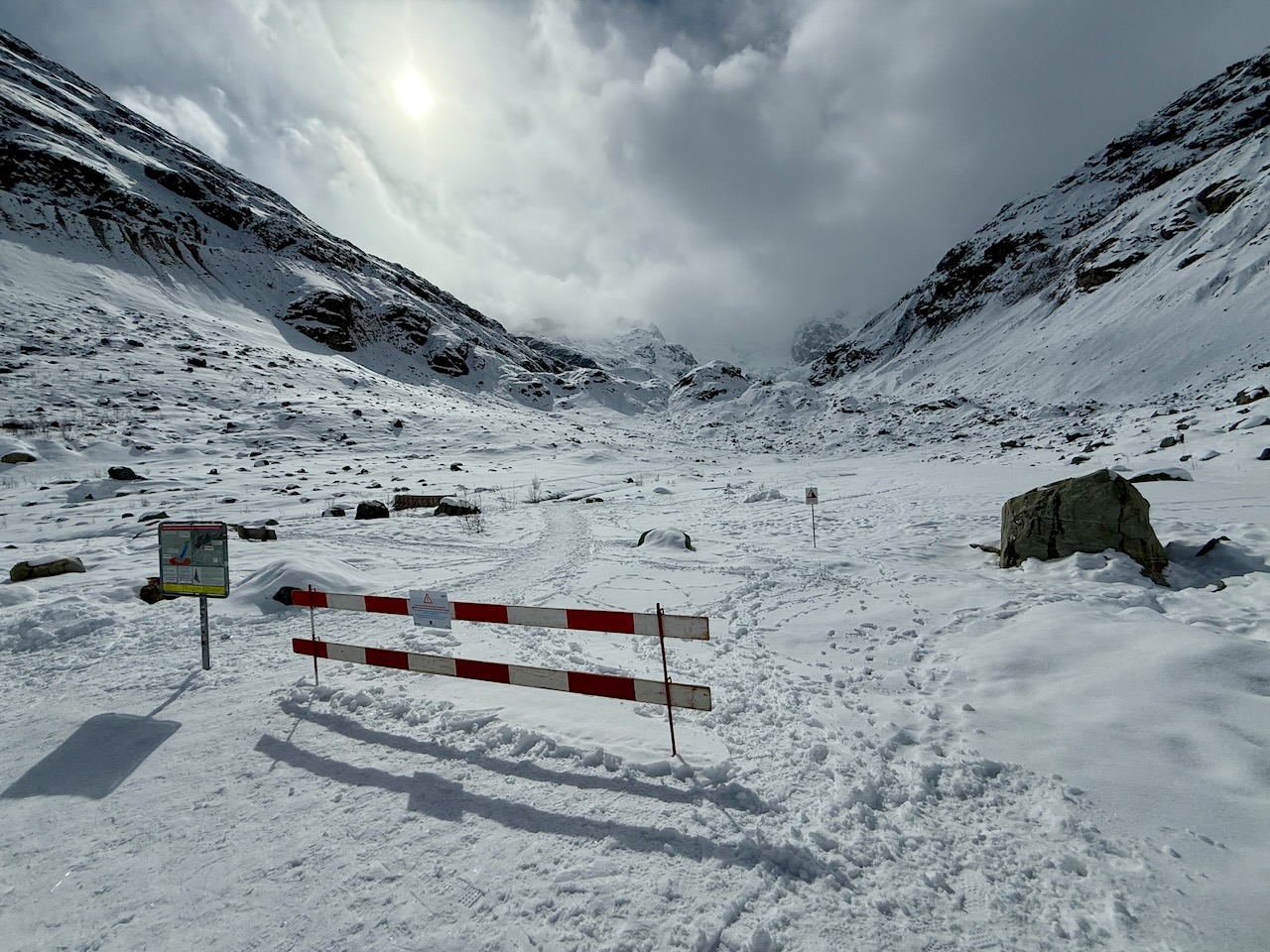
Safety barriers can be seen as inconvenient and unnecessary. When they appear placed too far away from the object we intend to observe, it is easy to ignore their presence. What we do not know is the magnitude of the potential hazards ahead. We are rarely the experts and yet we consider our mastery of conventional wisdom to be all the safety we need.
If we are ready to embrace edgecraft, we must understand that traveling beyond edges has consequences. How do you evaluate warning signs and the potential benefits of navigating beyond the barrier?

If we shine the brightest light on our area of focus, it washes out the details. However, allowing light to appear from different directions and shadows to drift in might reveal features and understanding that we did not previously possess.
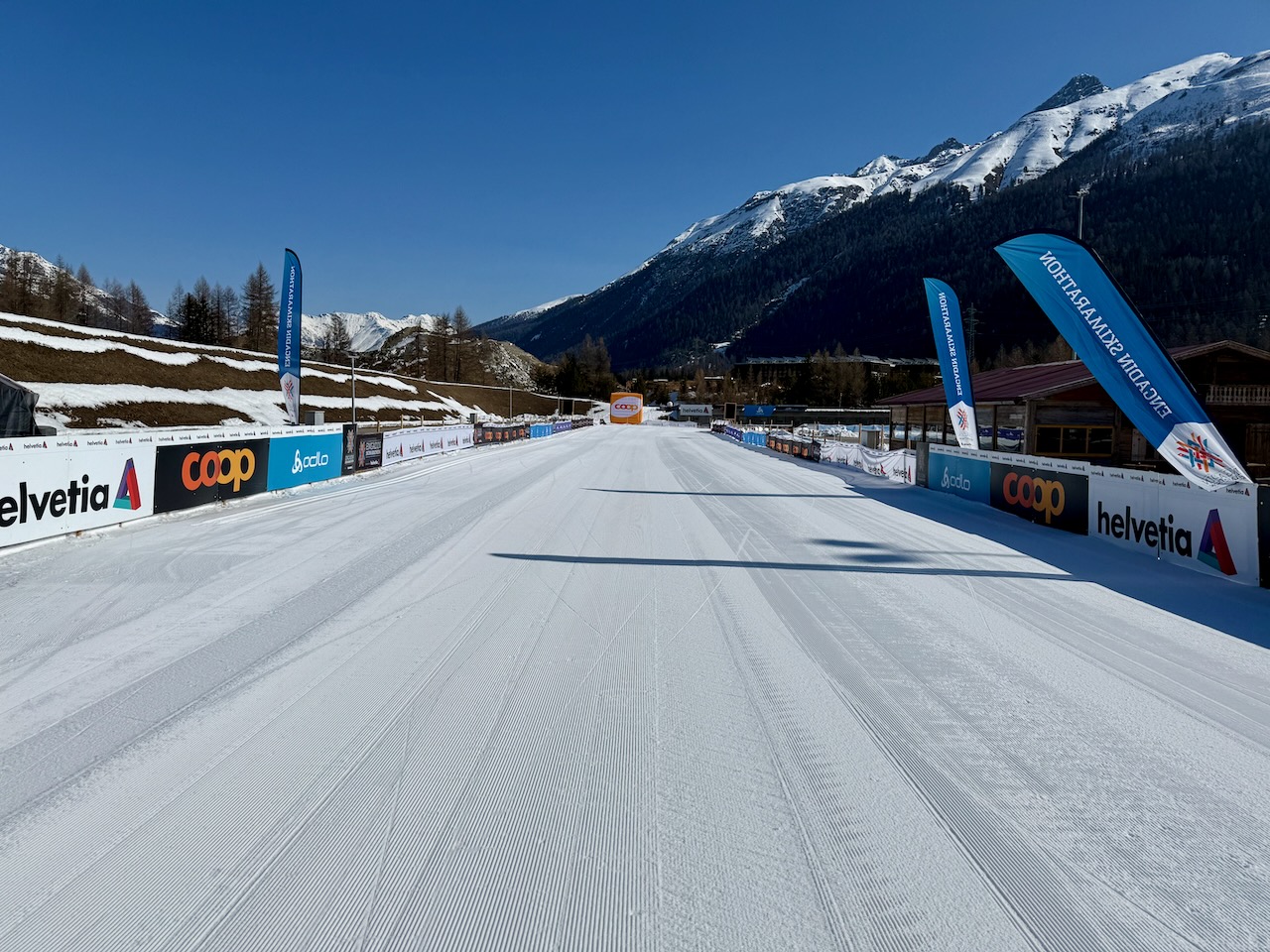
What would be your first step if you had an open travel lane unhindered by resource limits? It is not often we get an unmitigated opportunity. So, what would you do?
 What-if-concepts