mindset

Common Language

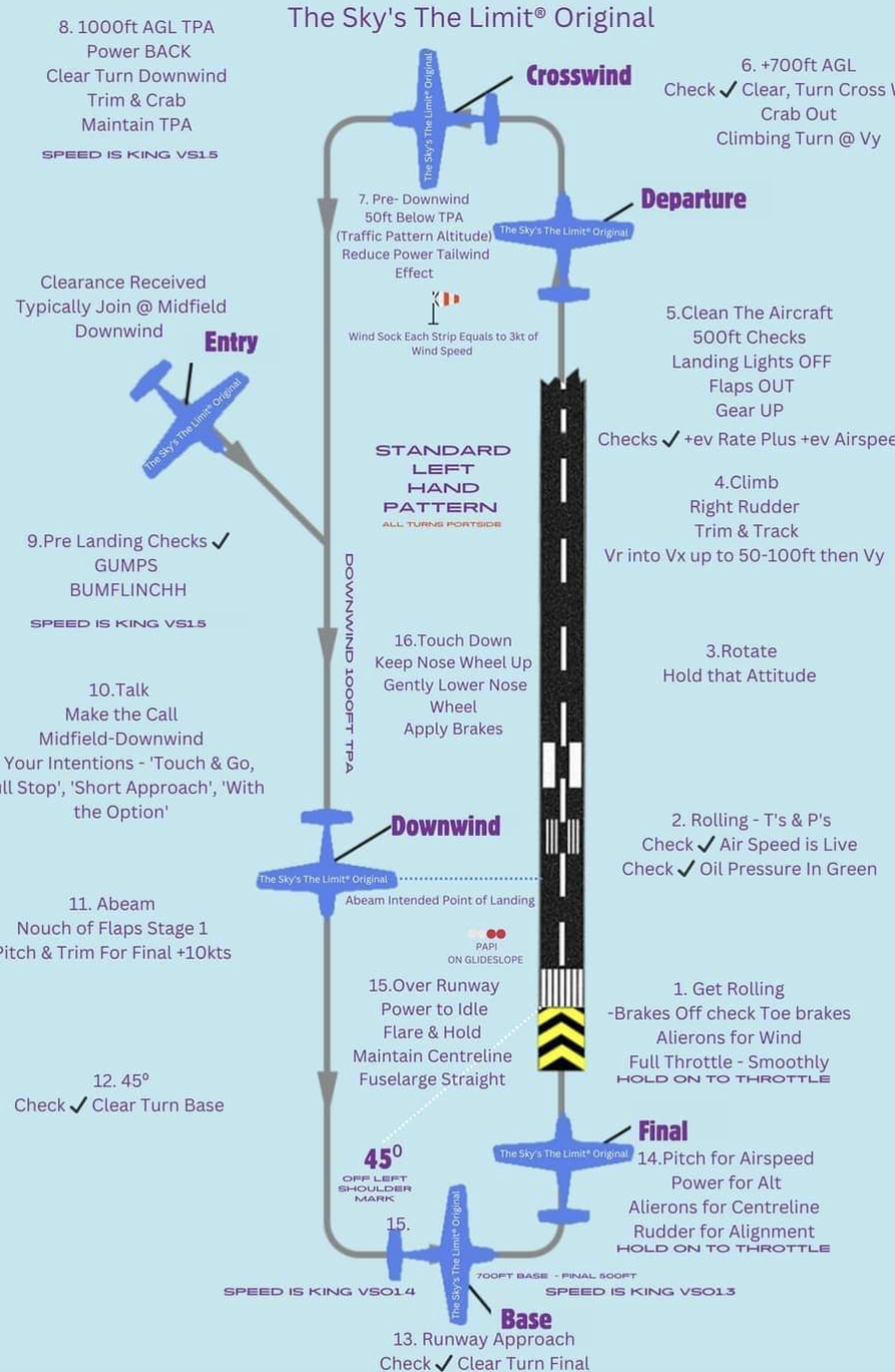
An aviator might use the following terms during a flight: departure, crosswind, entry, downwind, base, and final. It is vital that other aviators and control tower operators understand these terms. This allows for a shared language and expectations.

What is your enterprise’s common language? How do you orient new members of the community to the terms? What value do they add to your cause? When (if ever) do they fail?

The Rules of Buck

In my early teen years, my parents owned a buckskin quarter horse (named Buck) who had lived a traumatic life before arriving at our barn. He had been starved one winter, receiving too little hay to survive. In response, he ate his hay from the ground by standing over it and working backward, prepared to kick any horse who came up behind him. He propelled to a gallop the moment one put a foot in the stirrup, a neat trick for a cowboy who wanted to make a fancy exit but not ideal for recreational horsemen. He had frequently been caught by a cowboy who threw a lariat to capture him from a herd of running horses. In turn, we built a small side corral to trap Buck for our rides and slowly haltered him, despite his constant threats of bolting. We had a mental list that was referred to as the ‘Rules of Buck.’ Every month or so we added a new entry. For example, while on a trail ride, my Dad attempted to put on a raincoat when the weather turned. Buck bolted and only settled when the slicker was dropped. We later learned Buck had been used at hunting camp to pack out harvested and quartered elk, which were secured to him on a pack saddle and covered with a tarp that resembled a raincoat. The joys of riding Buck outweighted the numerous rules but he required empathy and a compassioante approach.

We are all a bit like Buck. Past events inform our current mindset and perspective. What rules have helped you succeed, and which do individuals unknowingly violate? Where has empathy and compassion allowed you to progress in arenas that might have been unimaginable in a just proceed forward approach?

Ok, Let ‘Em Go

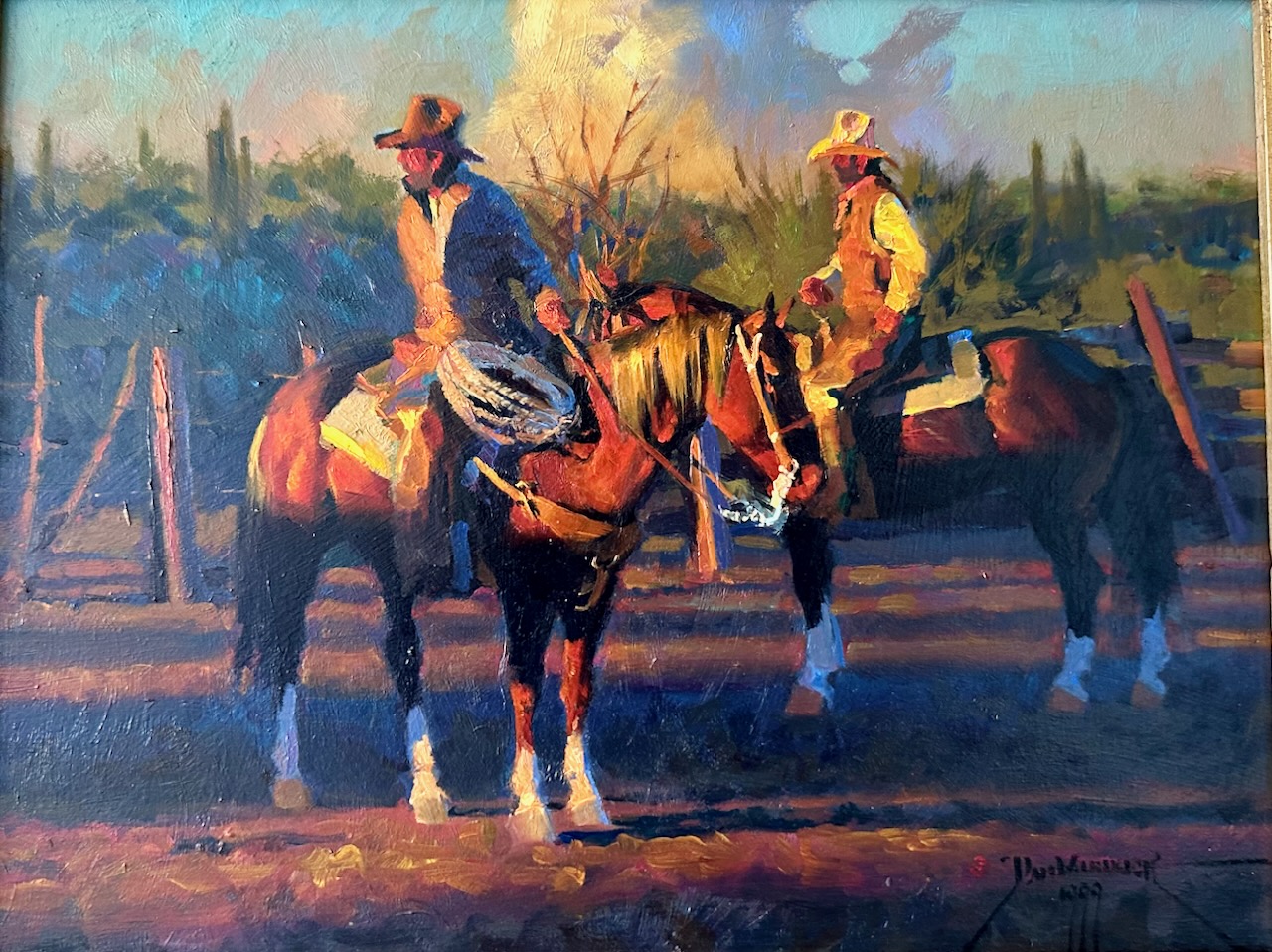
Dan Mieduch painted the above picture titled, ‘O.K., Let ‘Em Go.’ I look at it on occasion and wonder about the narrative. Did a herd of cattle or horses escape the cowboys at the end of the day? Was the stock turned out from the corral for a night to graze on green grass and drink from cool rivers? Was there a confrontation, and the adversary retreated?

It also makes me wonder what we might benefit from letting go of in our efforts. What project or area of focus has absorbed a remarkable amount of time and resources and yet fails to manifest into a viable model? What relationship has ceased to work? What interactions are taking more than we can give?

What if we let something go? What might take its place, and how might a new chapter reveal itself?

The Void

Flightradar24 is an excellent app for tracking flights. You might comprehend some consistent travel patterns by visiting the site enough times. For example, the flights departing for Europe tend to depart in the afternoon and fill the Atlantic routes as the evening progresses. Alternatively, FedEx and UPS aircraft dominate overnight as they sequence into their respective bases in Memphis and Louisville. Occasionally, an anomaly is visible. A disruption to the patterns that stands out, even without activating additional filters like weather or volcanic activity. A void forms. It is easy to see the pattern disruption as an opportunity, like an open travel lane during a traffic bottleneck. But upon closer inspection, we might recognize the barrier.

How might we not race into each opening, focused on getting ahead without evaluating the environment surrounding us? How might we seek the insight of trusted partners before acting?

Staying In Your Lane?

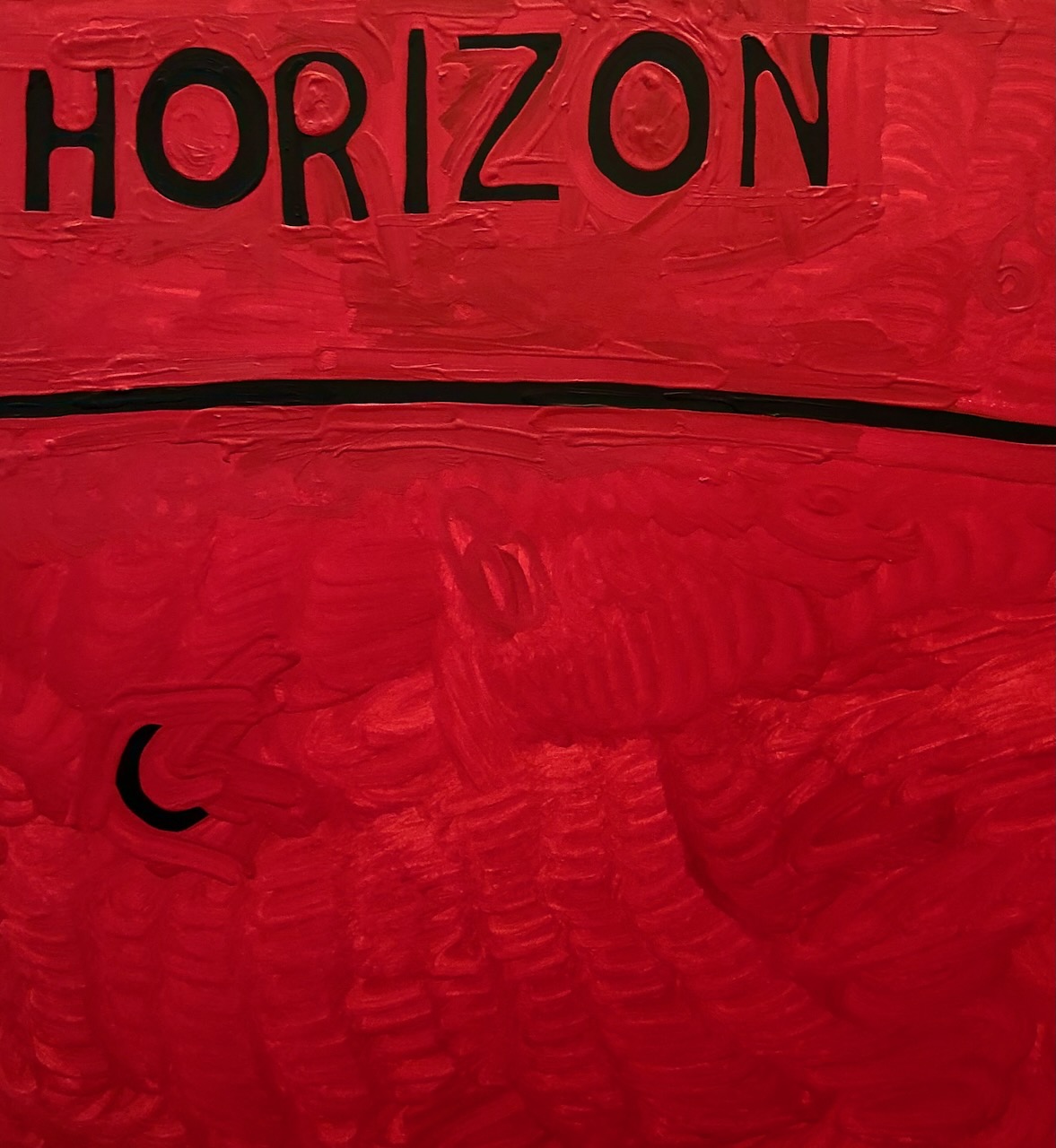
In meteorological recorded history, hurricanes and tropical cyclones have not crossed the equator. There is a distinct gap between their documented paths.

What is the gap between your enterprise’s work and those of partners and affiliates? Is the unique land of travel discussed, reviewed, and confirmed? Would it benefit from generative conversation, or does tradition dictate perceived autonomy? Is your cause’s lane of travel yours, or has nobody else attempted to merge onto the route? What if everything merged tomorrow? What if a barrier forced an even wider gap?

Static

Static might be disruptive and aggravating. It can seize our attention and disrupt our regularly scheduled programs. It transforms how we perceive time. But, it might be the forerunner to a significant event or tectonic shift. How might we remain curious about moments of misalignment and uncertainty? How might we remember that those who came to the edge of the Grand Canyon or trekked into Yellowstone’s Geyser Basin felt doubtful until something unprecedented emerged?

Correlation and Causation

Correlation is not causation. In a US Presidential election cycle, there are references to one party’s ascendency to power equating to economic outcomes. These correlations and causation folk tales either lack evidence, do not account for other factors, or focus on limited outcomes.

It is a convenient trap in which we get caught. We believe that adding a certain type of board member, hosting a specific gala, running a certain program, or marketing on a particular platform will lead to a specific outcome. There may be correlation and causation links, but often, they are anecdotal and conceal better decision-making opportunities.

How might we not inherit the C-to-C trap and remain curious, even if it appears to go against tradition?

The Wallace Line

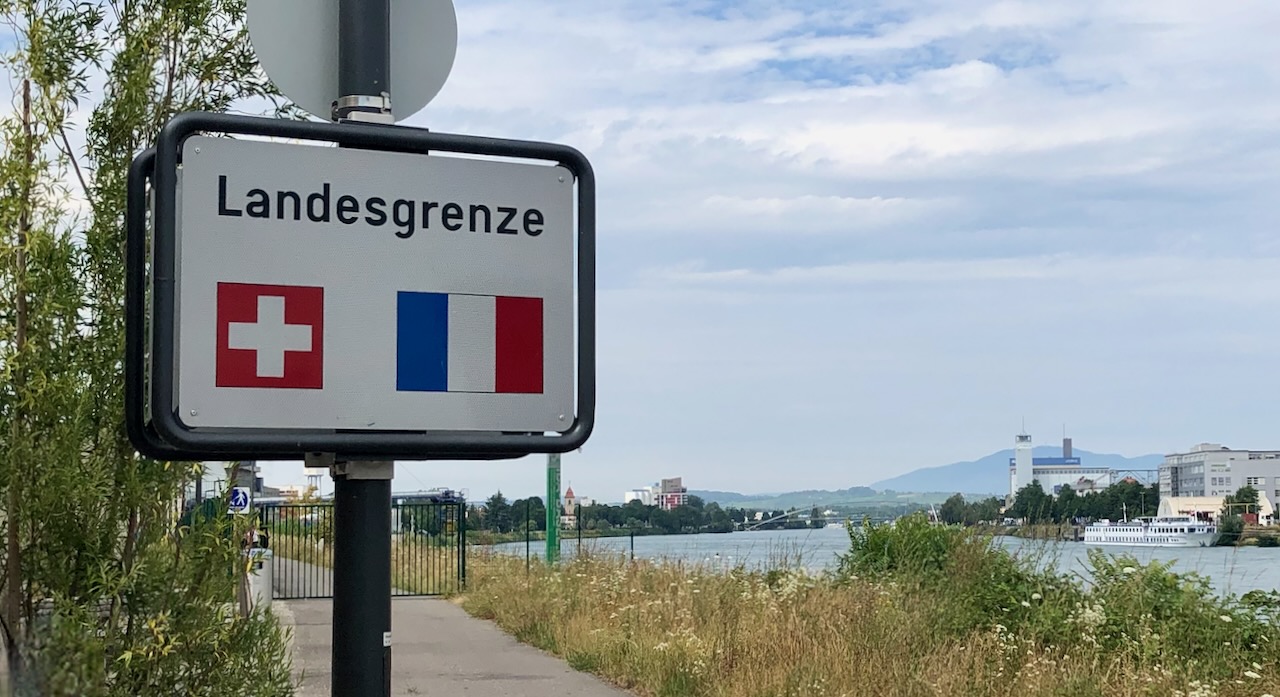
Naturalist Russel Wallace noted the Wallace Line in 1859. It is defined as a narrow border region in the Sula Sea that marks a natural border of Asia and Australasia’s flora, fauna, and animal species. The theory suggests a remarkable distinction between the animals inhabiting islands and landmasses approximate each other. There is a dispute about the exact line, but general evidence demonstrates that numerous wildlife and plants on one side are not evident less than a mile away on the other side of the line.

How might we not assume that just because we witnessed a program, event, resource, or perspective in one part of our community, it also exists just a few blocks away? How might we recognize that the macro and micro can be captured in Venn diagrams with dynamic overlaps and self-contained characteristics?