Perspective

The Rules of Buck

In my early teen years, my parents owned a buckskin quarter horse (named Buck) who had lived a traumatic life before arriving at our barn. He had been starved one winter, receiving too little hay to survive. In response, he ate his hay from the ground by standing over it and working backward, prepared to kick any horse who came up behind him. He propelled to a gallop the moment one put a foot in the stirrup, a neat trick for a cowboy who wanted to make a fancy exit but not ideal for recreational horsemen. He had frequently been caught by a cowboy who threw a lariat to capture him from a herd of running horses. In turn, we built a small side corral to trap Buck for our rides and slowly haltered him, despite his constant threats of bolting. We had a mental list that was referred to as the ‘Rules of Buck.’ Every month or so we added a new entry. For example, while on a trail ride, my Dad attempted to put on a raincoat when the weather turned. Buck bolted and only settled when the slicker was dropped. We later learned Buck had been used at hunting camp to pack out harvested and quartered elk, which were secured to him on a pack saddle and covered with a tarp that resembled a raincoat. The joys of riding Buck outweighted the numerous rules but he required empathy and a compassioante approach.

We are all a bit like Buck. Past events inform our current mindset and perspective. What rules have helped you succeed, and which do individuals unknowingly violate? Where has empathy and compassion allowed you to progress in arenas that might have been unimaginable in a just proceed forward approach?

Two Versions

easyJet flies people between two locations (most likely cities). To maximize the number of passengers, the flight needs to be scheduled in advance and the expectations of what is included (or is a la carte) are best presented in a transparent matter. Then there is the bird (seen above easyJet in the photo) who is also participating in the joys of flight. The bird’s agenda is more flexible and their destination may be unknown.

There are two versions of the same form of transportation. They have different strengths and weaknesses. It is easy to get focused on one mode, one option, one way. Sometimes we need to see an alternative to expand our mindset.

Two Realities

For a few individuals, it is a misty morning. For others, it is sunny with ground fog below. Both are accurate representations generated by individuals occupying the same building.

How might we recognize that multiple realities are forged within the same space? We might report on what we see and benefit from what others notice. The collective is probably more accurate than a single viewpoint.

Both

Acclaimed poet Rumi stated, “You are not a drop in the ocean; you are the entire ocean in a drop.”

I think both mindsets matter. The optimist and dreamer in us embraces the remarkable state of being that believes the entire ocean resides in each and every drop. The empathetic self needs to recognize that ourselves or individuals we encounter temporarily adopt the mindset that we/they are a lonely drop in the ocean.

Managing our mindset allows us to toggle between the drop and the ocean.

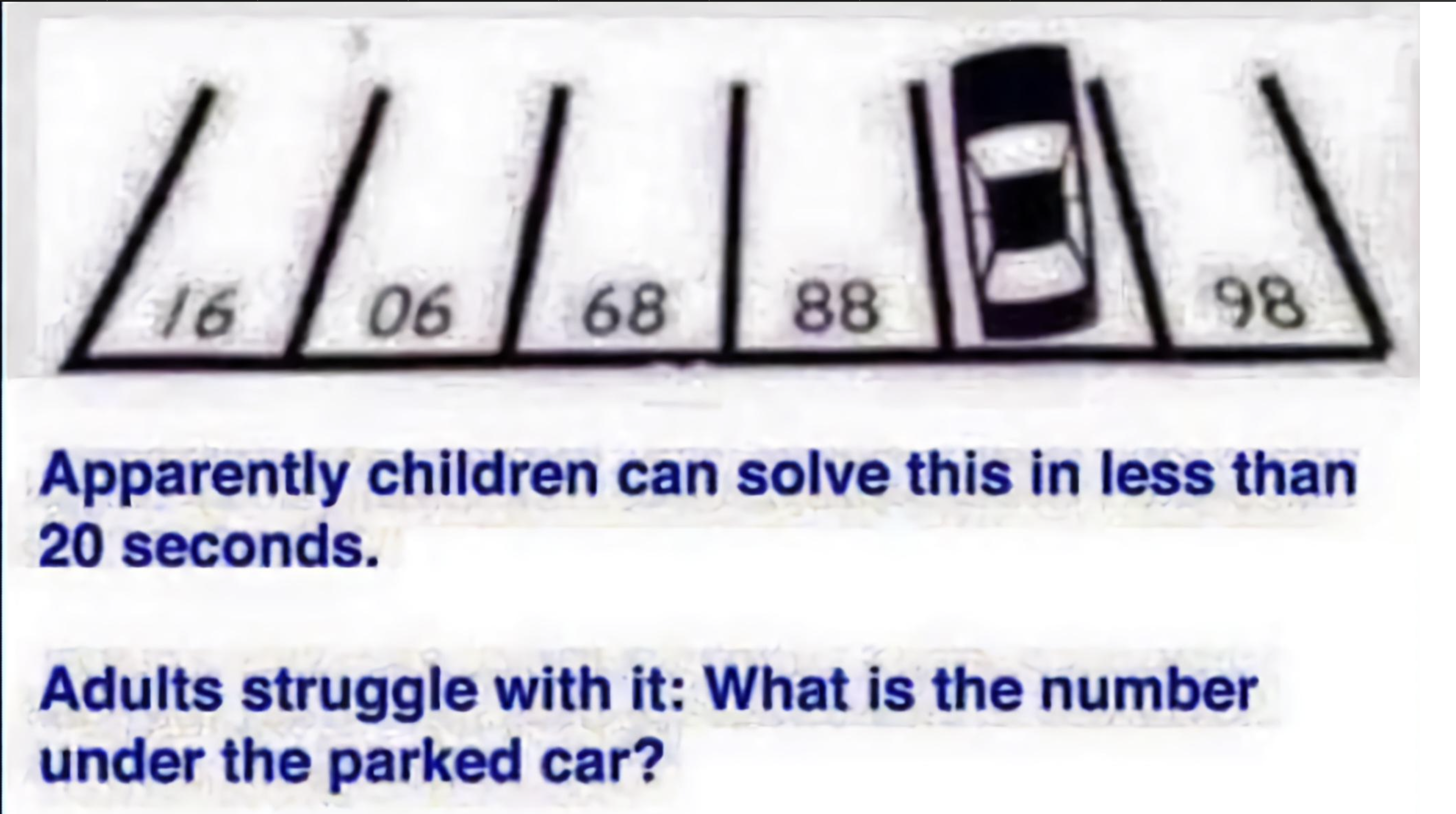
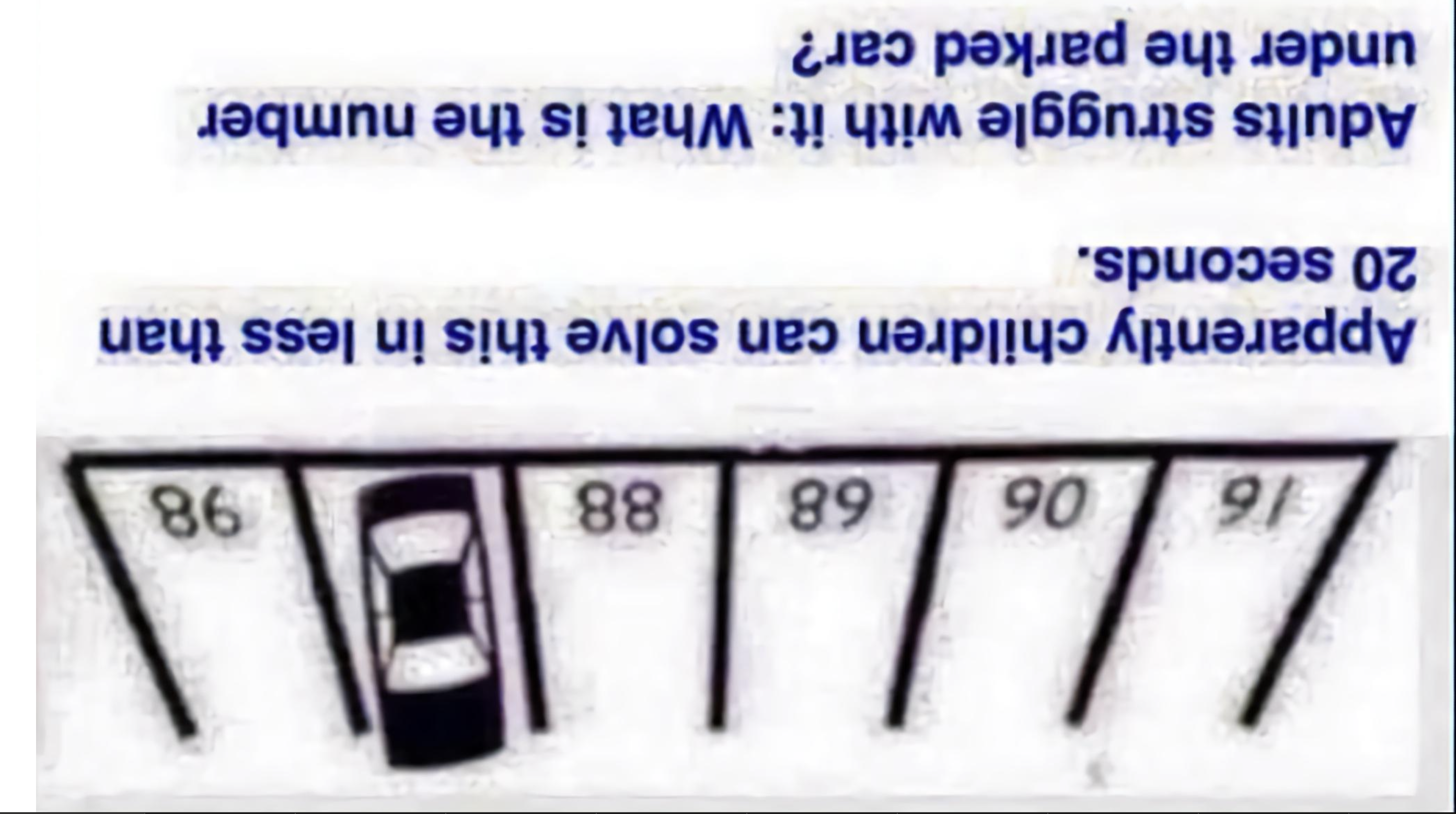
Incomplete Data

We might be right about our assumptions with limited data. However, if the data set expands we may discover a different answer. How might we conclude when we have sufficient information to make our best decisions? What would an outsider conclude using the same data? Our goal is not to be certain but rather to remain curious. A better understanding of our world means we can better do the work that matters.