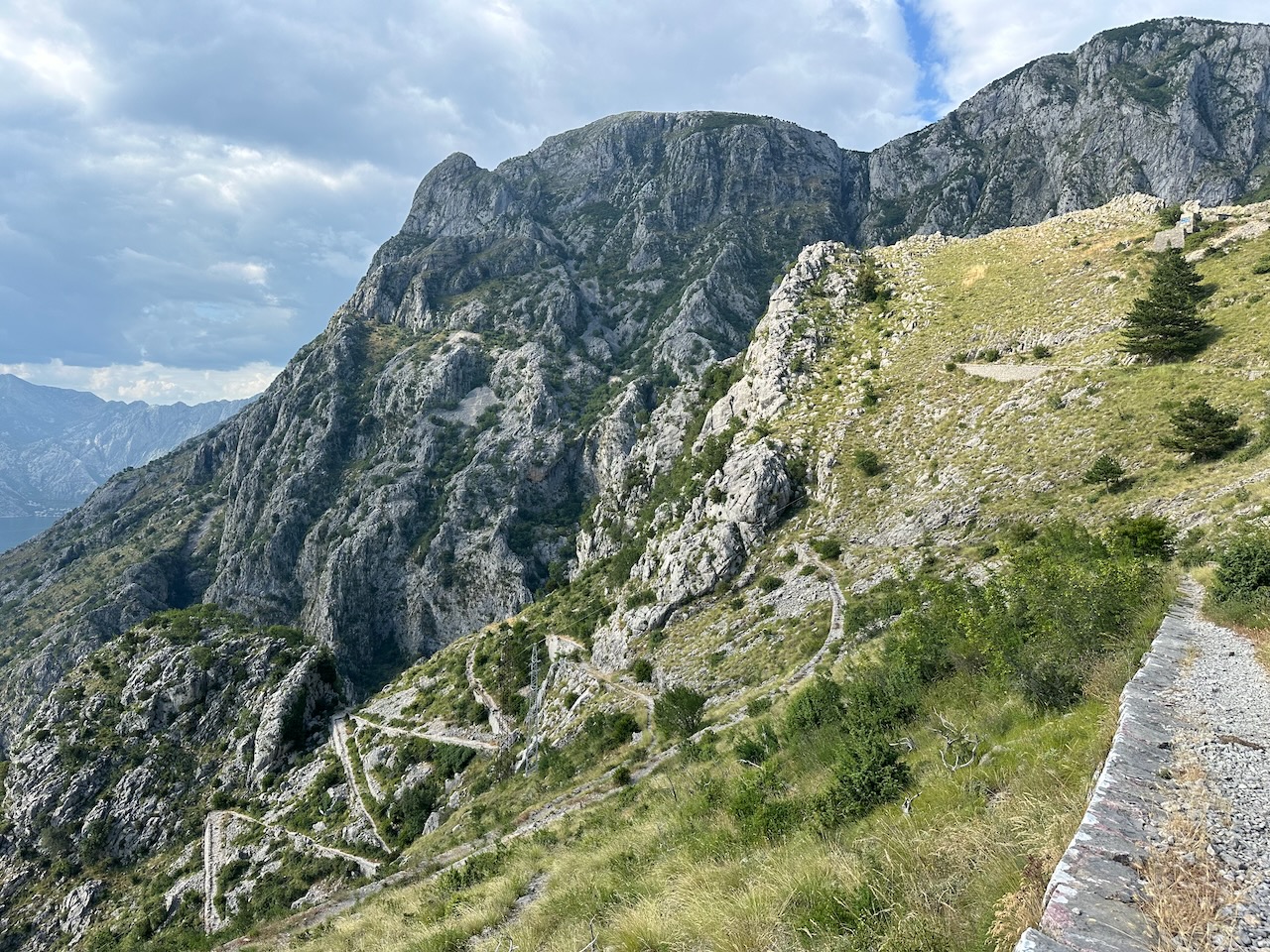
What challenges do you use to test your fitness (physical or organizational)? What do the results tell you? How does it impact future decision-making and planning?
What challenges do you use to test your fitness (physical or organizational)? What do the results tell you? How does it impact future decision-making and planning?
If we can predict the future, why did we schedule the gala performance on the night of an enormous summer thunderstorm?
How might we recognize that we cannot predict the weather and, therefore, probably cannot anticipate other critical future events? Perhaps we should leave space in our planning to adjust and reroute.
The power of generative conversation is similar to playing in a sandbox. We can build, alter, and discard ideas without worrying about the constraints of reality. Like the Topography Sandbox, we can quickly alter the terrain and consider new possibilities. How might we make room for generative conversation in our next meeting?

If you are writing a murder mystery, you must know the ending in order to sequence the narrative and clues. If you are writing to create suspense, you just require a situation. This is the reflection of the iconic author Margaret Atwood during an interview at the Sun Valley Writers’ Conference.
If you are trying to write a plan that predicts the future, then you need to know the ending. If you are writing a plan that focuses on creating a better version of your enterprise, you need to decide which direction you intend to travel.
Although the distinctions are subtle, it changes the mindset and the focus of the author.

When we elevate, we gain a distinct perspective. We might see things in a manner that has eluded us previously. The layout of our world might reveal connections and corridors that we had not thought were possible from ground level.
How might we make time to gain altitude and assess the terrain we occupy and that which lays ahead?

When we add relief to a map, it adds depth and dimension to our understanding of the landscape. When we plan on paper, it is easy to draw a straight line between our current position and our future. The reality is we often forget to add the relief for a better understanding of the terrain we will encounter.

Which improvements do you need to make that are worth disrupting the flow of traffic? We often need to detour from our current paths of navigation to create a better future.
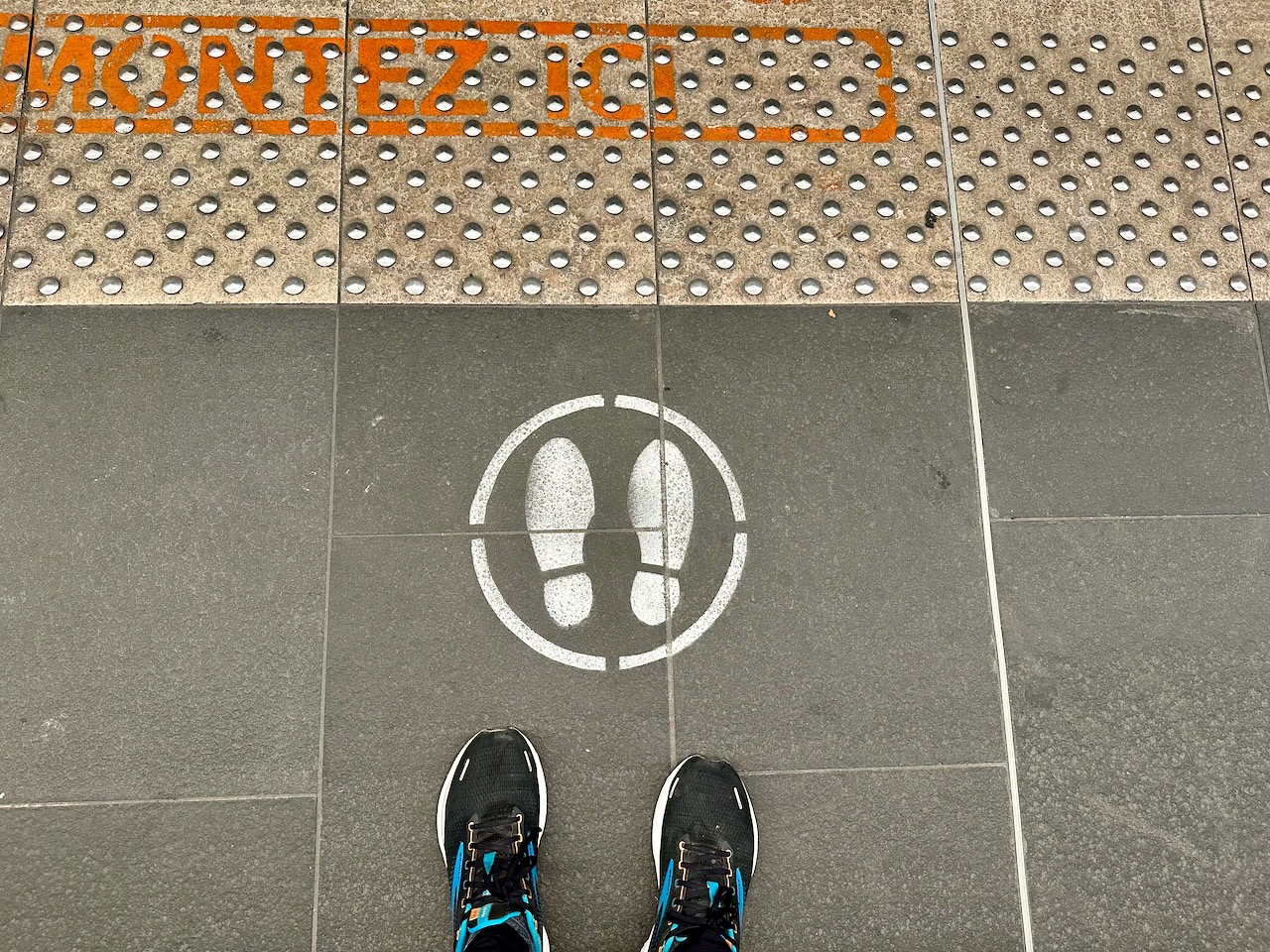
What do your VIPs experience that eludes your general members? It is reported that Elon Musk had a small group of employees annotating data from his Tesla automobile to ensure self-driving mode worked most effectively. His data received special attention to maximize performance. This level of service was not available to the average Tesla owner. Elon’s driving experience is different than all other Tesla owners, unless they drive the same routes he uses with his Tesla.
What VIP services might conflate the experience the general member receives? How might we assess the service we provide to all our customers, not just those who have the special phone number and secret doors into our enterprise?
How might we monitor the experience of all our fans? How might we not focus solely on the VIPs who have secret phone numbers and private entrance privileges? If our organization’s stated values and actions diverge when it comes to our most important members, perhaps we need to have a generative conversation about our priorities.

How might a forecast change your priorities? What if the forecast is inaccurate? What if the forecast is fifty percent of the actual event, will you have bandwidth in your priorities to adjust?
How might we evaluate the forecast but leave room for wayfinding when real-time events present a different reality than the prediction?
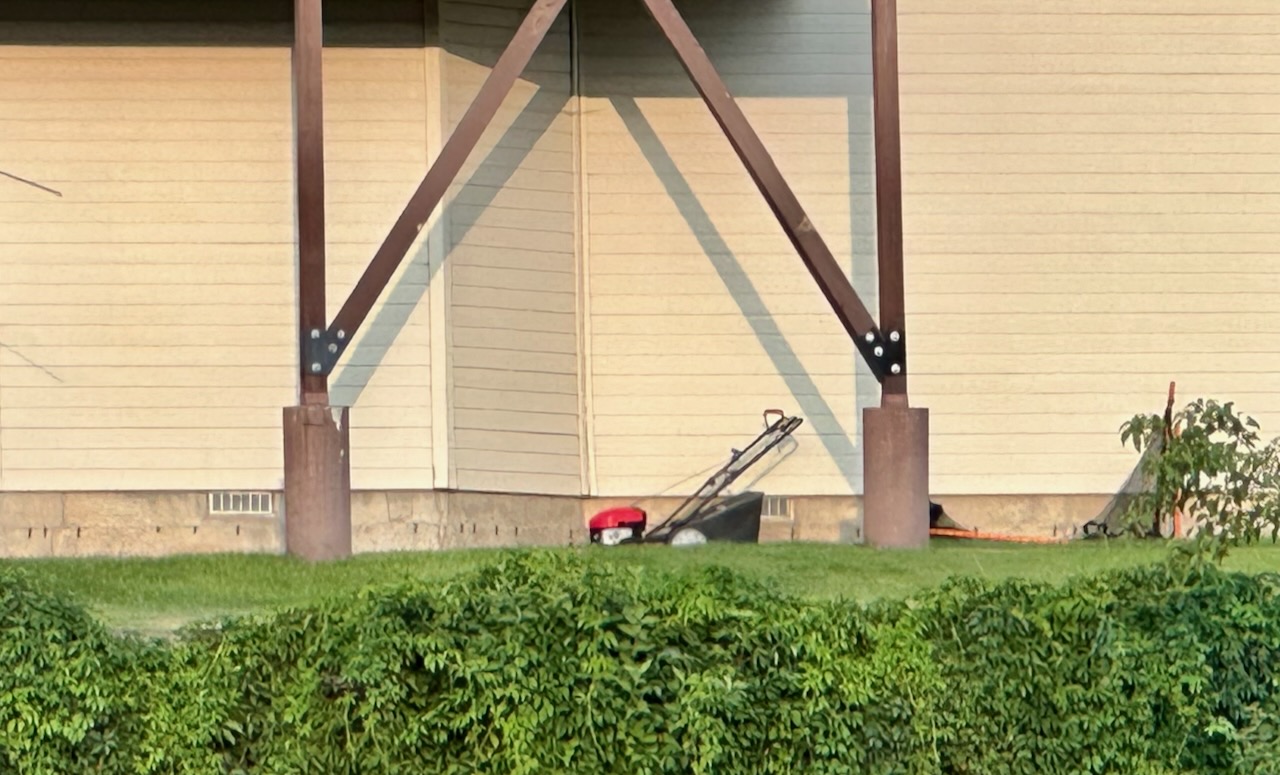

I noticed multiple lawnmowers staged on lower yards around our neighborhood. Due to the slope’s grade and the proximity of stairs, it is more convenient for homeowners to place a second push lawnmower at the low point of their property and use it for a limited area that is difficult to reach.
How might we stage our resources so we can act when needed, even if it means dedicating an item with a greater range than the deployment area? How might we identify where staging might be more effective than repetitive load-in/load-out scenarios?
 What-if-concepts