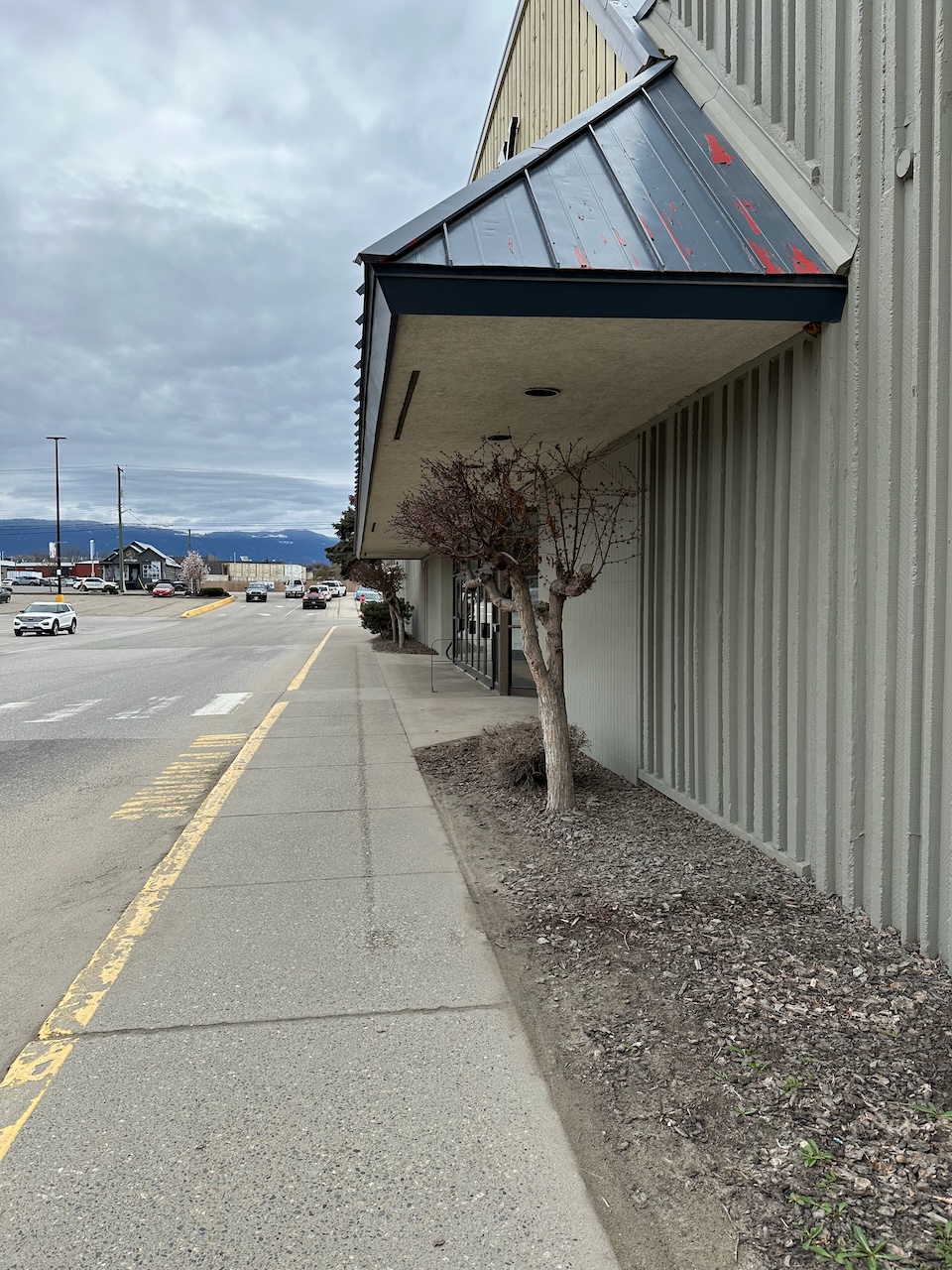
We tend to make an impact when we commit to repeated actions. Take a drip line from an overhang; the constant recurrence of water droplets falling onto cement leaves a dent. It is convenient to believe that we are doing the work that matters, but our actions may be inconsistent or applied to the surface that does not benefit from our emphasis.
How might we ensure our work has the planned results?
Are you more enthusiastic about the route or the horizon line? Does the idea of travel or the destination resonate more? If you could time travel to the journey in progress or the arrival back home, which would you select? Knowing our preferences influences our mindset. Our mindset prioritizes which aspect of the adventure we deem most important. All of these aspects will allow us to put our signature on the way forward.
What are you building? Do you have plans, or is it more of an organic growth situation? How do you keep your fans apprised of your progress? When do you bring them into the conversation, at the inception of the idea, the grand opening, or somewhere in between?
How might our building project enhance our relationship with the community? How might we position and activate it so that the neighbors embrace the noise and disruption since they understand the impact of the final product?
When do you persist, and when do you seek another path? Do you rely on instinct, metrics, feedback, emotions, and past experience? What drives your decision-making? How might it vary from moment to moment? What external factors impact your judgments? How much priority do you give your instinct when captured in a liminal moment?
Your best tool left behind, no matter how integral, is valueless. Checklists matter and might change the outcome of your work. Atul Gawande’s Checklist Manifesto provides powerful insights into developing a culture that thrives under an agreed-upon protocol.
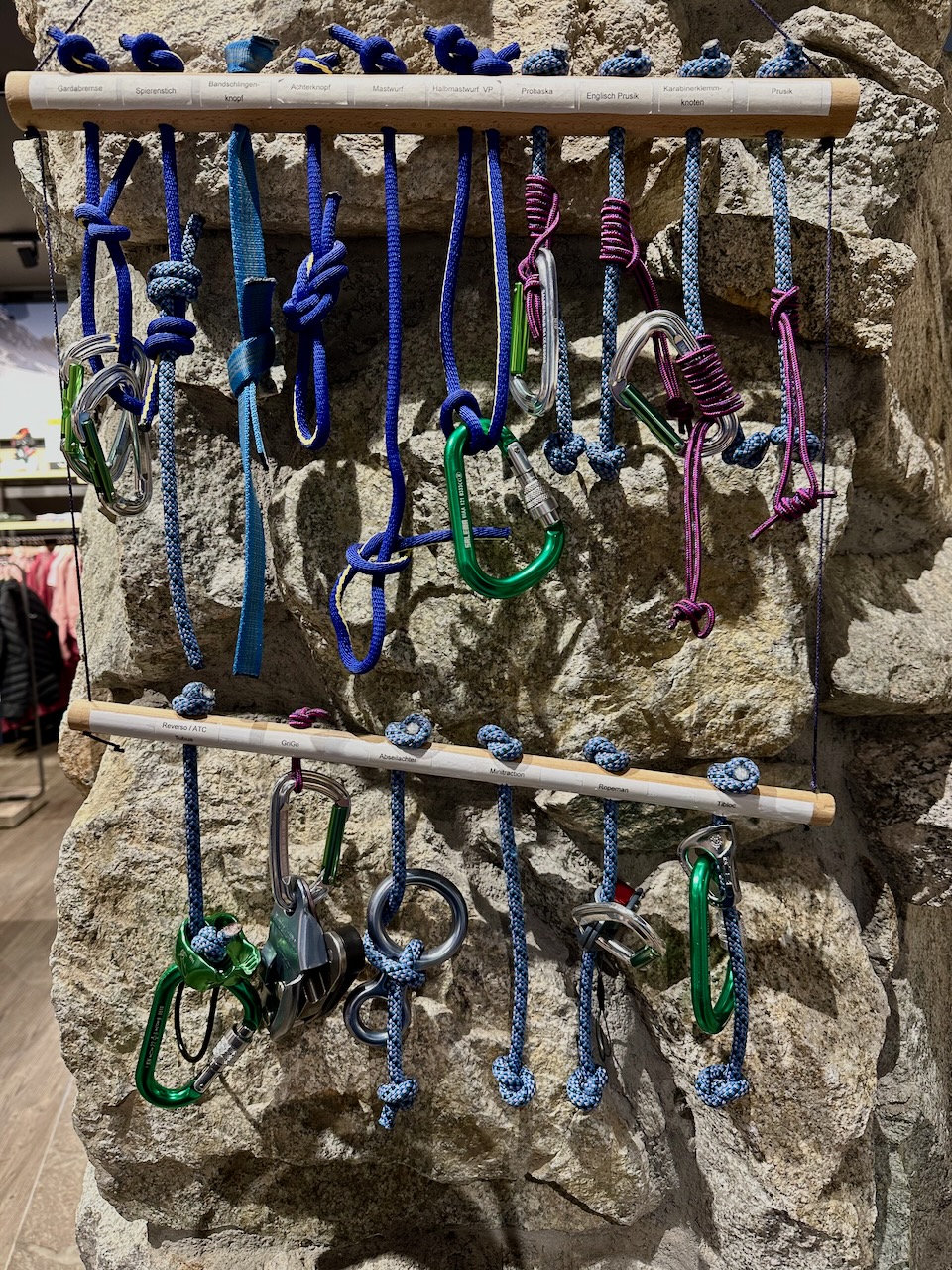
When I was in my teens, I participated in a 30-day mountaineering course. While rock climbing a peak in the Wind River Range of Wyoming, I got off the selected route and reached a pitch that required more proficiency than I possessed. I spent fifteen minutes communicating (shouting loud enough to be heard) with the instructor, who was on a ledge above me but could not see what obstacle I had encountered. Eventually, I down-climbed 100 feet before I rejoined the primary route and could start ascending. I had all the required tools, harness, helmet, carabiners, climbing shoes, a well-established route, and the safety of a belayed line. I lacked an understanding of how to identify the chosen route when multiple options appeared.
We can possess all the necessary tools but still need the ability to deploy them correctly and make real-time decisions. Going into the backcountry with an individual who owns the newest gear but has limited experience does not guarantee success. Understanding which equipment to deploy and relying on wayfinding skills are both important. How might we value both abilities in our own enterprises?
If we are trying to compose a story, pre-defining key plot points allows us to work the narrative toward these waypoints. We may not know all the details, but we have coordinates as our orientation points. What plot points have you selected to drive your next chapters?
When we leave our ideas, fitness, mindset, or environment unattended, other forces take priority. Sometimes, an unattended period allows for the answer to reveal itself or a new perspective to present. Other times, our prior work is overgrown by new forces with another purpose.
Wayfinding parallels solving the New York Times Letter Boxed game. There is no perfect solution; sometimes, we rely on patterns we encounter in other parts of our journey. We are endeavoring to stay in the game, relying on what we can achieve now, even if it is a three-letter word, to reach the next attempt. Solve the puzzle in one remarkable turn; you are a genius. Complete the game in five guesses, and you are a player. If it takes six or more turns, you are still in the game and acquired knowledge that will serve you well in the next chapter. Even when we backtrack and undo a previous guess, we still navigate toward a waypoint that moves us closer to delivering the work that matters.
How might we employ Bayes’ Therom, tested and written about by Kahneman and Tversky, to provide more reliable goals and outcomes when planning? Simply deploying the visual representation of the theory might quickly confirm or recant our hypothesis and assumptions.
Actual social sector scenarios I encountered where this deliberation framework might resonate:
A performing arts group evaluates how much of the community seeks opera and, of that subset, how many are drawn to celebrated performances versus those seeking unknown operas.
A land conservation group trying to draw attention to its efforts to preserve and manage riparian ecosystems in a region. How many community members are influenced by the river, and of that group, how many are willing to risk their social capital to act on behalf of river preservation?
An education institution launching a new foreign language program trending at other peer schools. How many students are interested in any foreign language and are ready to commit (or start) to a new foreign language program? How many students commit three years of study to their foreign language studies?