Reflection

Vista

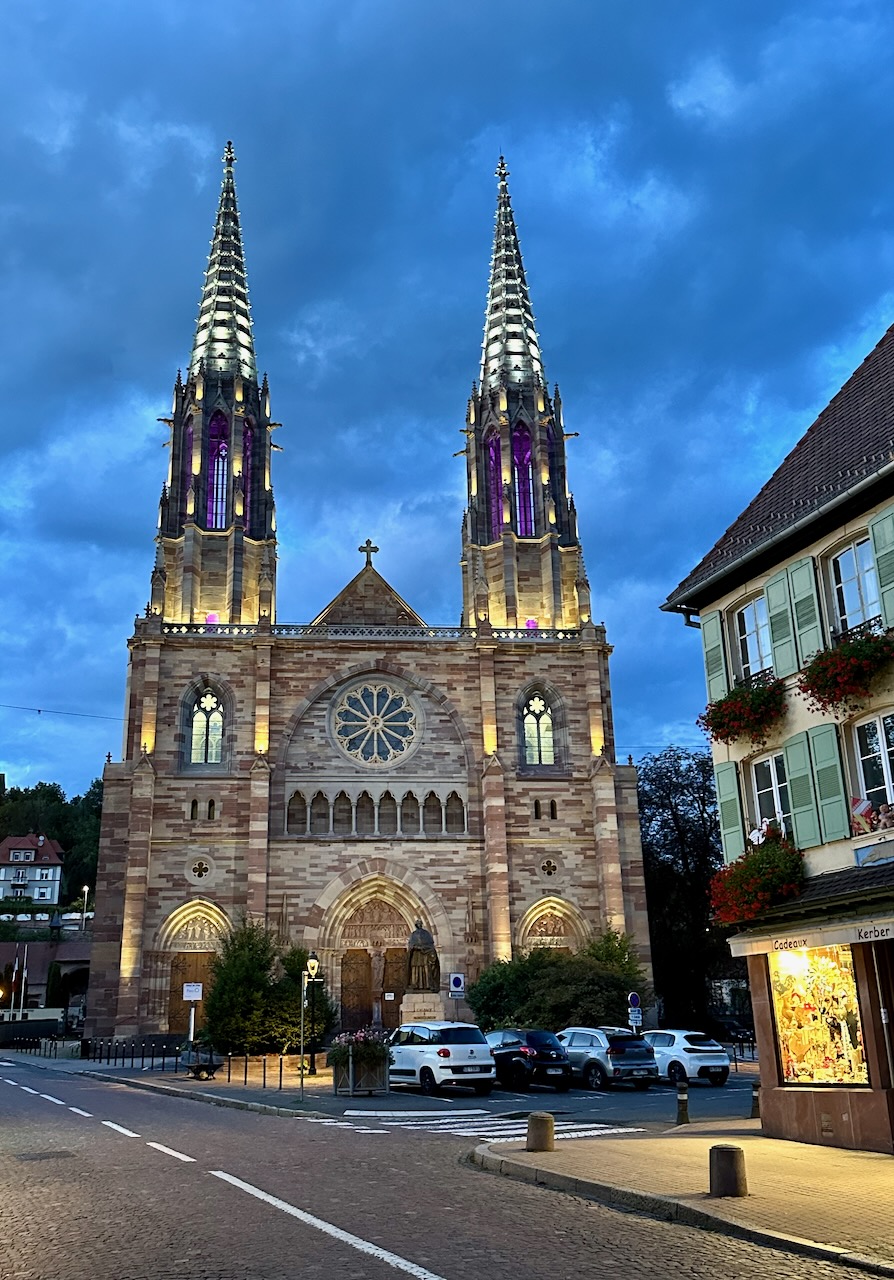
It can be rewarding to arrive at an overlook or a lake shore that provides an expansive view. If we have been navigating paths that have restricted our ability to assess the surrounding landscape, an open area offers solace. This is often why we might take a break in such an area. It calms our primitive mind on the lookout for danger and allows us to reflect and project.

How might we use this approach in our own work? What moments of overlook provide a new mindset and allow us to access unique reflections?

Analyzing

As we approach the last few weeks of 2024, reflection becomes a theme. We look at our data, our accomplishments, highlights, and lessons learned. Embedding a culture of curiosity is a hallmark of a healthy community. Dissecting the data is a balance of art and science. If we are running the 100-meter track event, finding a tenth of a second saving might require days of analytics. However, if we are thru-hiking for a few thousand miles, we are afforded more opportunities to trial different techniques and equipment to assess what works best.

How do you review your work? Is there a best time or mindset? What have been your best learnings?

Reflection

We project reflections to those we serve. Despite our original narrative and authenticate approach, the process of interpreting us is left to the receiver, who must decode numerous cues and subtle outputs. No matter how vast, rapid, versatile, gritty, dedicated, inspired, generous, or empathetic our intentions, they must be converted into the base language of the recipient.

How might we remain curious about the impact of our superpowers? We may think we are saving the village nestled in the mountain valley by removing the giant balance rock perched precariously on top of the cliff, but perhaps that boulder was the iconic centerpiece of the town’s identity and folklore.

How might we consider, ‘What else can this represent’ before reacting to our reflection?

Footprints

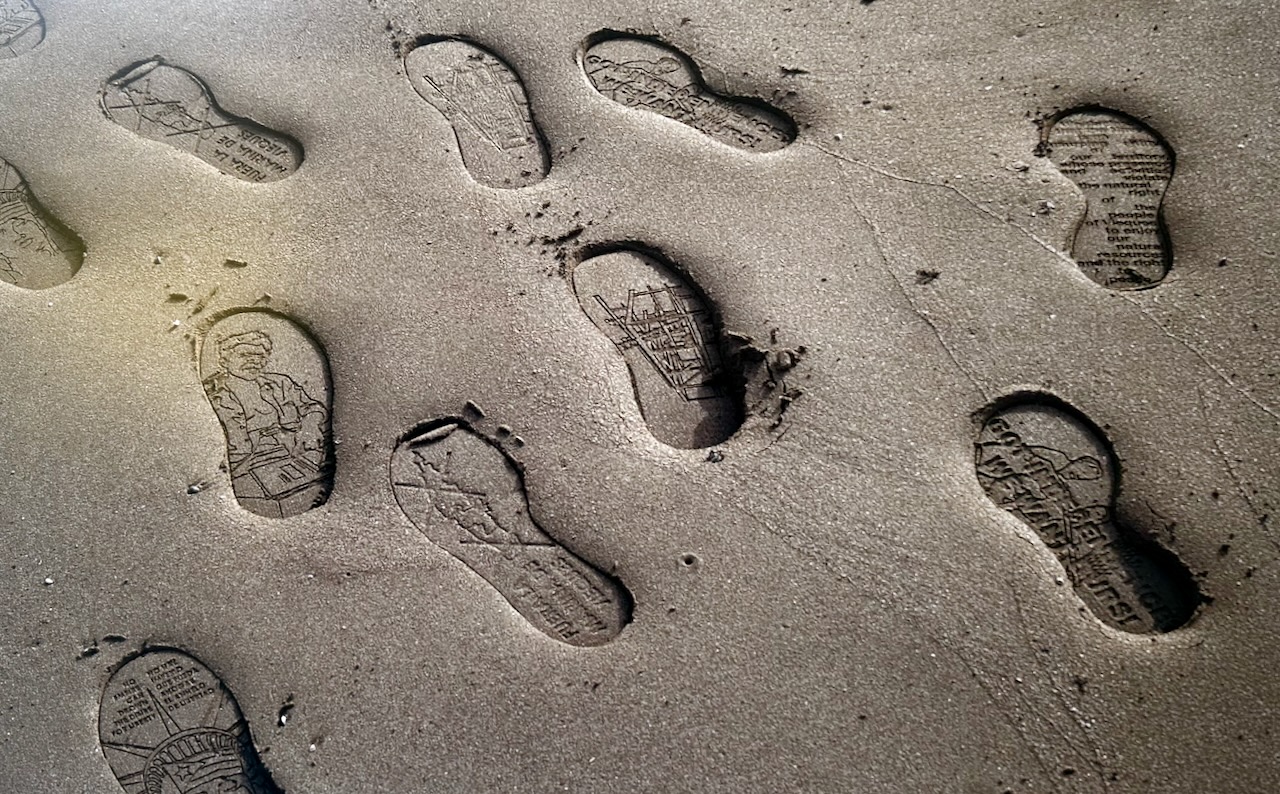
What message do our footprints represent? Are we setting a path for others to follow? Do we intend to seek sanctuary and obscure our tracks? Might we follow the crowd and tread on historically worn trails? Is it possible to inspire those who follow?

It is easy to think of our footprints as follow-through. The activity has been completed, and we do not witness our tracks unless we commit to pivoting to observe our path. It is usually in difficult terrain that we might commit to a review of the terrain we have previously traveled. The propensity of time, our focus is only forward?

When do you consider the topography already covered? What is the lasting impact of your completed work?

Casting Our Shadow

Screen Shot 2017-12-16 at 9.51.43 AM

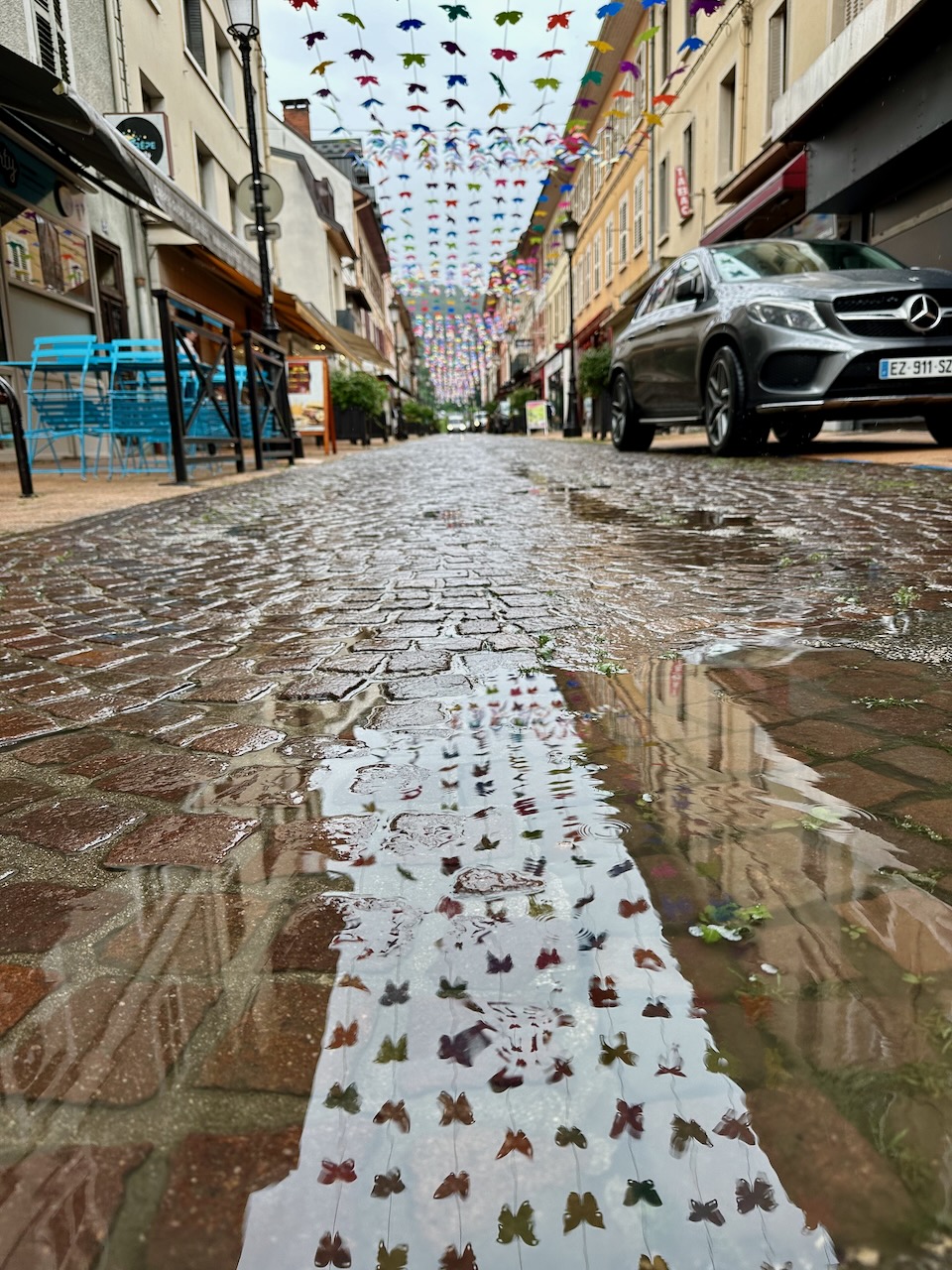
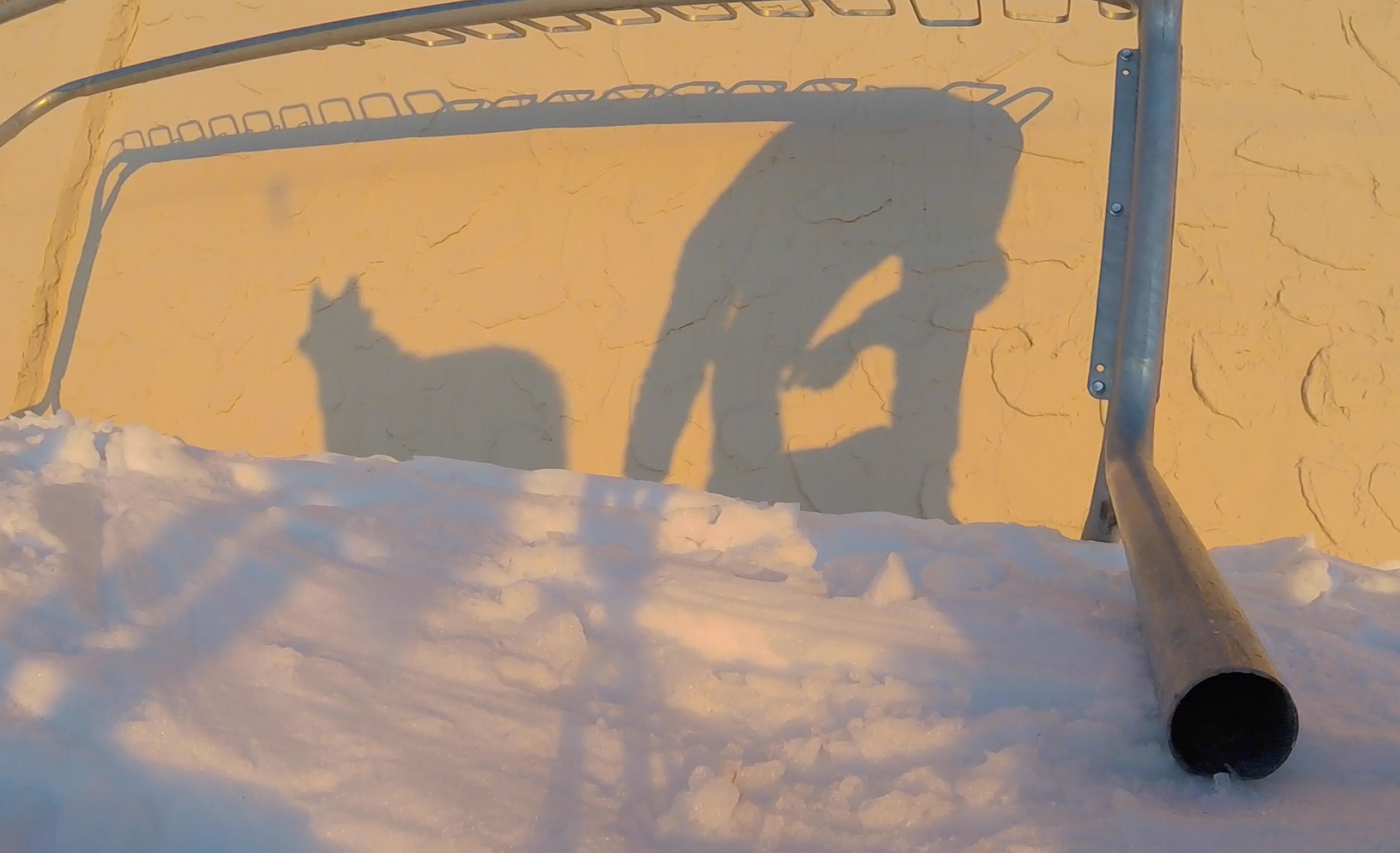
People may remember more about us because of our reflection. We are not always aware of what backdrop upon we are projecting. We stumble on a puddle in the middle of a hiking trail, only to be captivated by the reflection of the moon, a mountain spire, or evergreen boughs creating an overhead canopy. The same happens in community narratives.

Volunteers, program partners, and neighbors offer testimonials that are highly contagious. Encounter a citizen who speaks glowingly about an enterprise, and we are intrigued. Travel to a new location, and we rely on the recommendations of others. Sometimes the information is accurate, or suggestions are based on old information. But their reflections start to shape our worldview. As a child residing outside of New York City, Time Square, the subway, and Central Park were all things to be avoided at night. I could continue to share those observations but those landmarks have changed in today’s New York City.

How do we set the people around us up for success? How do we make sure they possess an accurate worldview or at least the courtesy to encourage others to create their own experience?  How do we make sure people make it to our front door without being misinformed or detoured by the neighbors?