Service

Who Is It For?

Two Starbucks, located across the street from each other, appear like poor business planning; until we recognize that the stores exist in an urban design that prioritizes automobiles. If ease of pedestrian travel were a preference, perhaps one store would be sufficient.

How might we understand ‘who it is for’ before we begin our design and implementation phase? Starbucks does not exist to serve vehicles, but it does serve people. That said, it inhabits an environment that has amplified the needs of motorized travel; therefore, its design model accommodates those arriving in vehicles.

Branding

How does your cause construct its brand? Does it start by employing SEO, identifying a target audience, establishing a voice, agreeing upon a style guide, and investing in research? Or, does it tell an authentic story? We can build trust with people and their values, and we can establish a meaningful relationship. We might think we have a connection with a brand, but it is similar to a conversation with AI, all the right sentiments, but no depth or dimension.

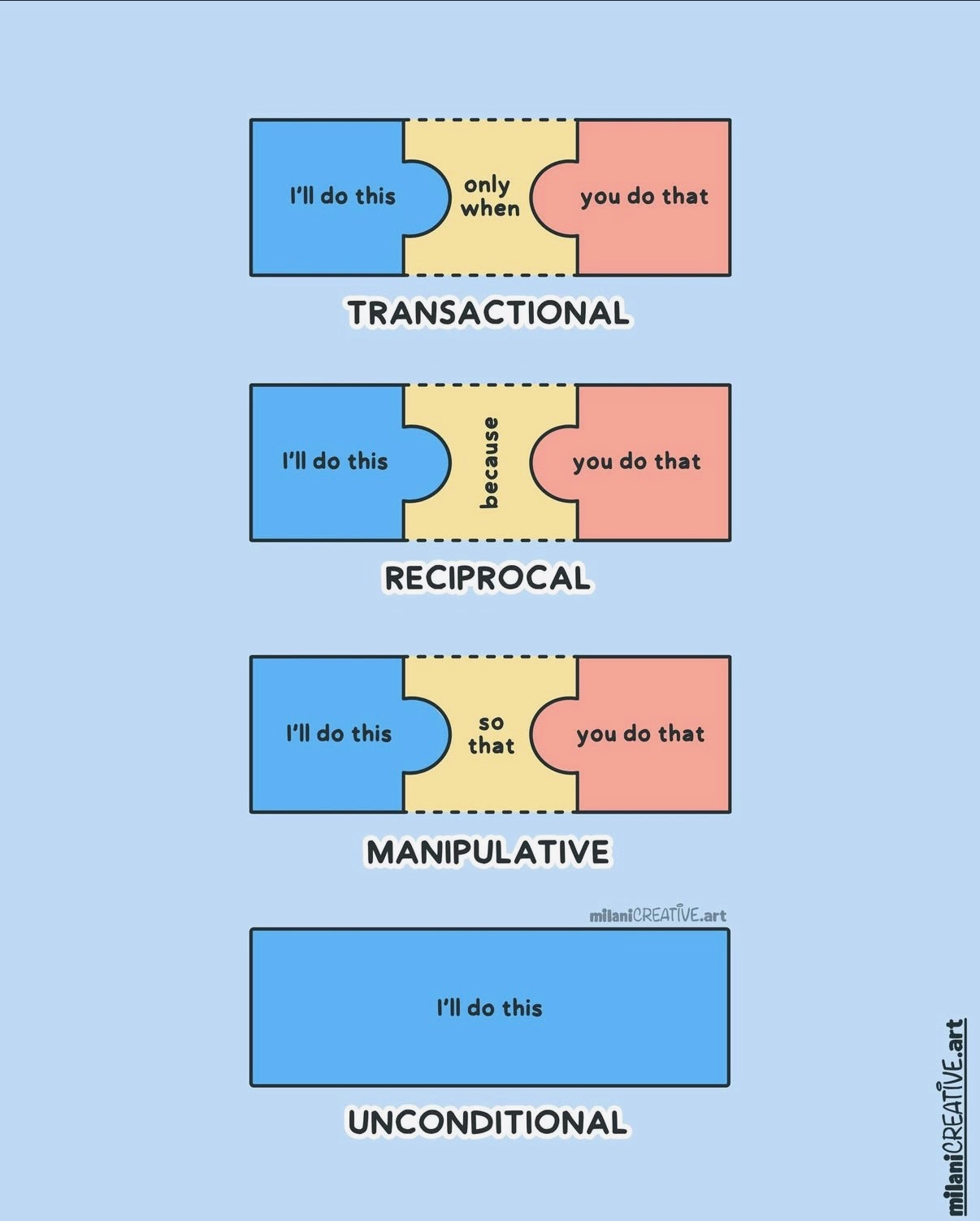
United Airlines, Marriott, National Car Rental, Specialized Bikes, and Garmin have all added value to my adventures, but none of them has developed anything beyond a transactional relationship. They provide a service and offer loyalty reward benefits, but there is little to sustain our interaction. For comparison, I support social sector causes and am familiar with the individuals who work for these organizations. The blend of the organization’s vision and the team’s role of serving builds the brand.

When we attempt to advance our brand over people, our relationship with them transitions, diluting our connection with those we serve.
Advance Warning

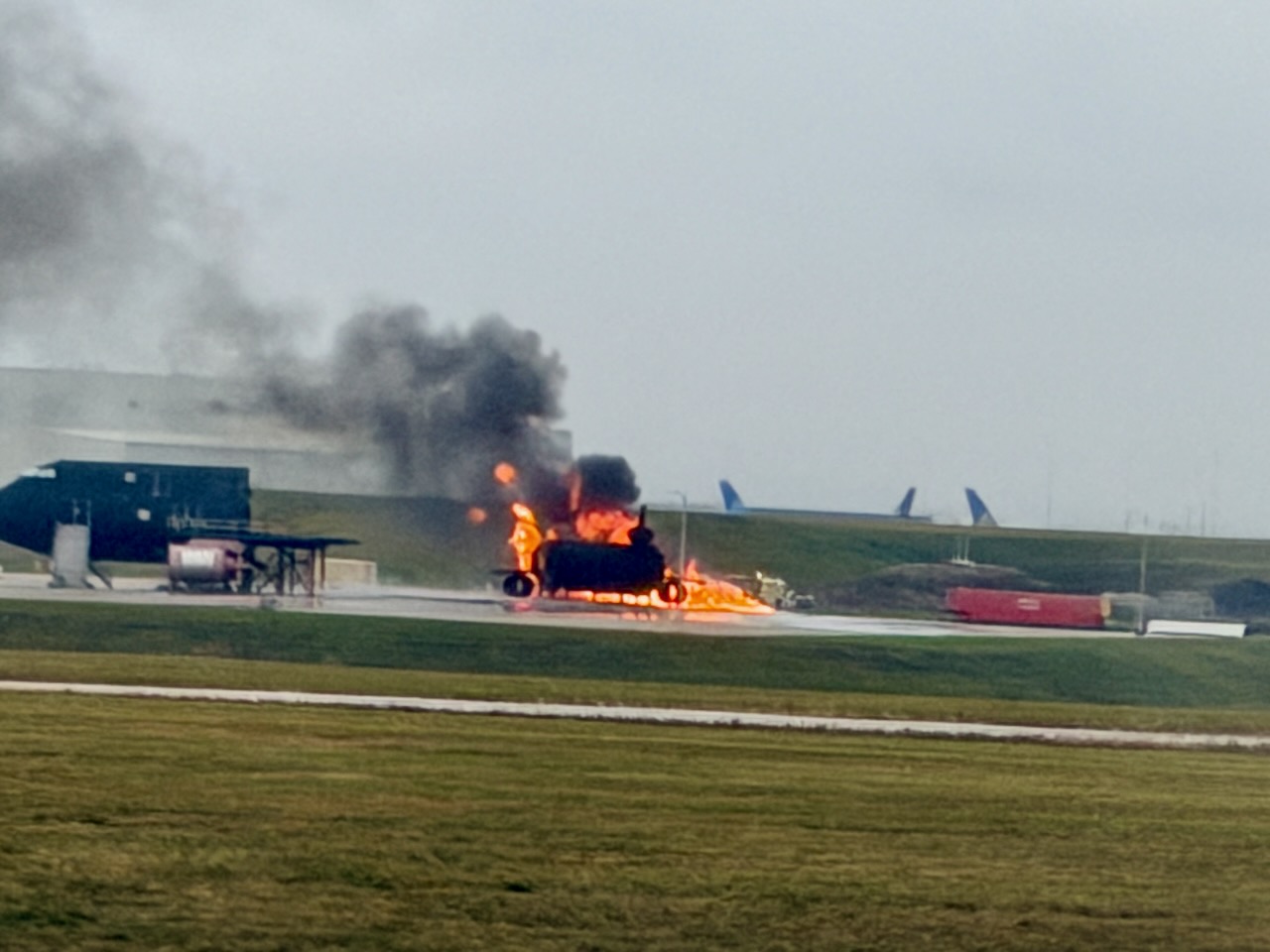
Landing at a large airport contains many sights. The other day, when taxing to the gate, we passed a training fire exercise, which caught the attention of a few passengers on my flight. The pilots did not mention the fire in advance as a courtesy to reduce the alarm, but eventually, the passengers worked out that the flames did not merit panic.

How can we provide advance warning to our constituents when we anticipate turbulent events on the horizon that might not be visible from their perspective? How might we set people up for success? Treating our fans to an amusement ride, where masking adrenaline-inducing drops and climbs is a key part of the design, is welcomed if that is the agreement; otherwise, broadcasting the forecast might be more beneficial.

Echo

When you yell ‘echo,’ whose voice responds?

In the right environment, we can create an echo by deploying our voice so that it reverberates and returns to us as if shouted by another person located some distance away.

We can take for granted that we generate echoes in our world. We can communicate out, and there are those who respond quickly and with affirmation or empathy as needed. But what happens when those voices cease to respond?

How often do you celebrate and nurture the voices on the other side of the echo? Do you develop a symbiotic relationship, or is it one-sided? What if you made time to prioritize your echo reflectors and make sure they are recognized for the essential role they play in your work?

Purpose

Why does purpose matter? If you are building a castle, knowing its purpose yields dramatically different features and results. Are you defending? Entertaining? Controlling a harbor? Making an architectural statement? Each version shares iconic similarities but adopts critical elements that amplify its purpose. Knowing who you are serving changes the focus of your work.

Fractional Utilization

Top performers learn how to use their elite capacity in doses. Instead of maintaining an output that is always at their redline, they can calibrate the scale of their effort to the requirements of the terrain they face.

How might we scale our efforts to better reflect the real-time demand on our resources? How might we set those who serve up for success by coordinating their efforts to the work that matters?

Update!

How many posts, announcements, launch celebrations, press releases, or community meetings have you observed during which information was shared about a new initiative or a significant organizational event? How many of these organizations continued to share relevant updates and nurture your engagement?

In my experience, people are keen to make the first announcement but struggle to find an appropriate communication cadence along the journey. It does not take much, but checking deepens connections.

Imagine boarding a long-haul international flight on which the pilots never confirm the destination, make no remarks about the flight plan, do not address abnormal flight conditions, and provide no update before landing. This might make some passengers a bit apprehensive about the journey. Perhaps we can aspire to be more like a well-regarded commercial pilot. Greet passengers, orient them, care for their safety, point out remarkable landmarks, address the unexpected, prepare them for landing, and thank them for their loyalty.