Service

Fuel for Your Journey

A water fountain requires little maintenance but provides essential fuel (hydration) for those who pass. A thirsty hiker, cyclist, runner, hot canine, and many others benefit from a good water source’s self-service, always-on nature.

What services do you provide that are easy to use, simply designed, and require little labor to monitor?

The Refugio Paradox

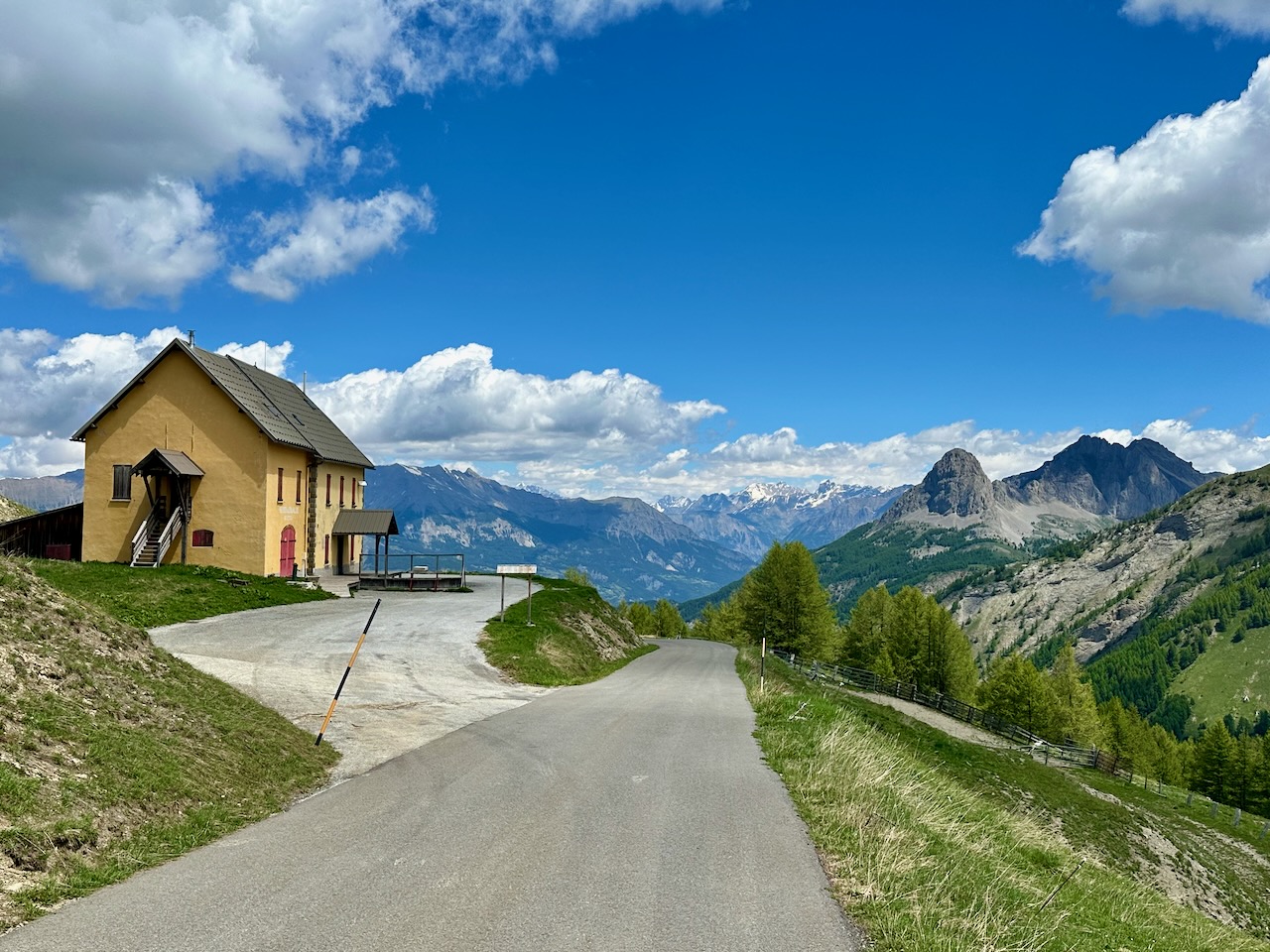
When the mountain pass is open, the snow melts from the road, the weather is inviting, the refugio is well stocked, and business conditions are set for capacity. If the environmental conditions alter, business at a mountain hut can cascade to zero quickly. A closed road due to a mudslide, a challenging patch of weather, or a larger event in the valley villages creates challenges.

Location can make us remarkable, but it can also leave us outside the circle of safety. Awareness dissipates when nobody can reach us. However, our setting attracts those seeking our attributes when the conditions are right.

Waterfalls

Waterfalls tend to attract attention. If reaching one requires navigating a hiking trail, many people use the waterfall as a turn-around point or a place to rest before continuing up the trail.

How might we position ourselves as a point of confluence with the surrounding environment? How might we evaluate our location as part of our strategic value proposition?

Setting

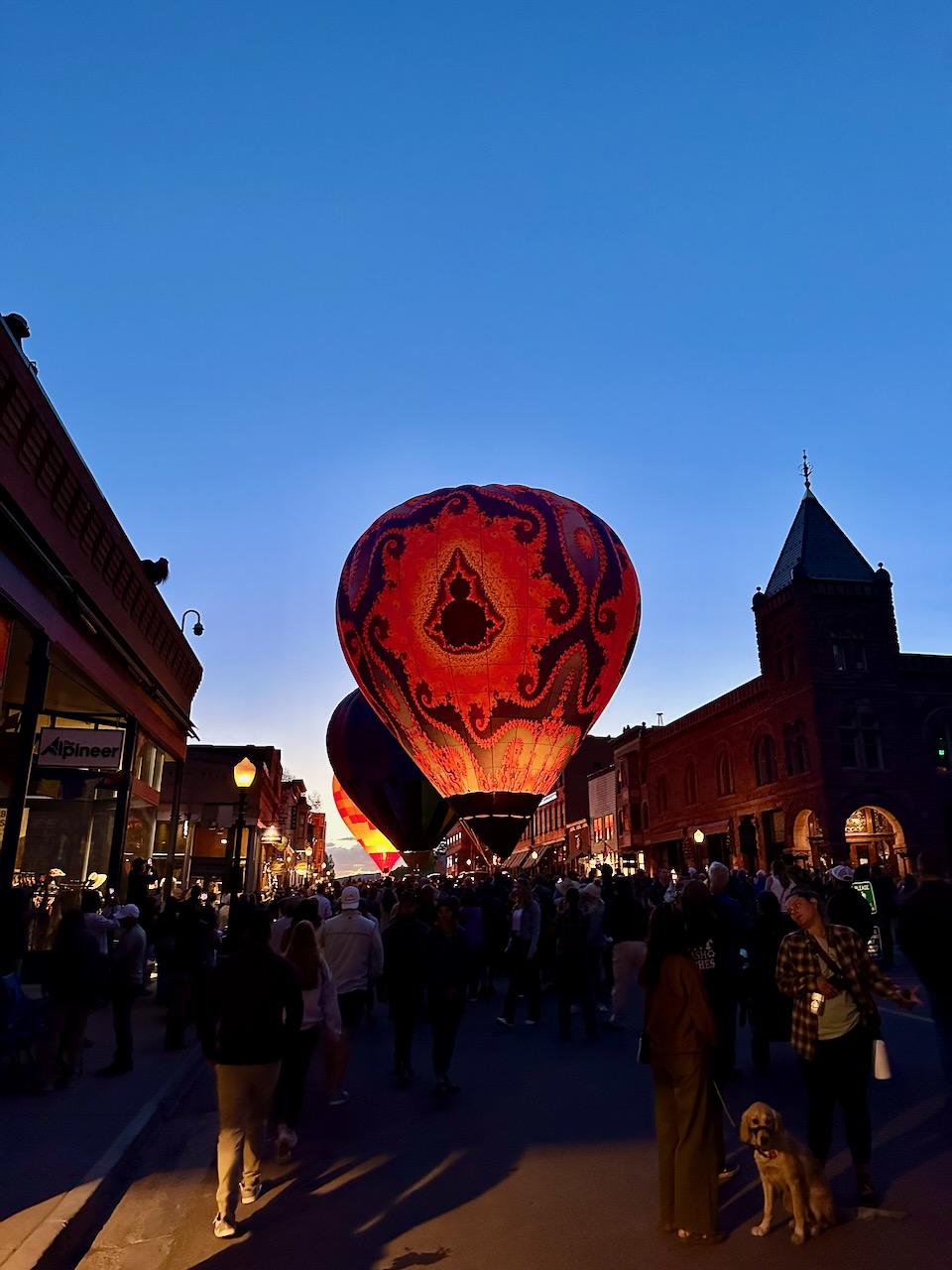
Selling travel insurance at the airport baggage carousel is a poor prospect. Running a lemonade stand after exiting a fast food drive-thru window presents fewer sales opportunities. Giving a keynote on ‘how to get the most out of a conference’ as the closing presenter might be less impactful. Inflating a hot air balloon in a remote field with no spectators generates less excitement.

How might we recognize that our setting matters? If we are uniquely positioned, then our services will be relevant. If we hide in the shadows, we may be of value only to those who took a wrong turn.

Upgrades

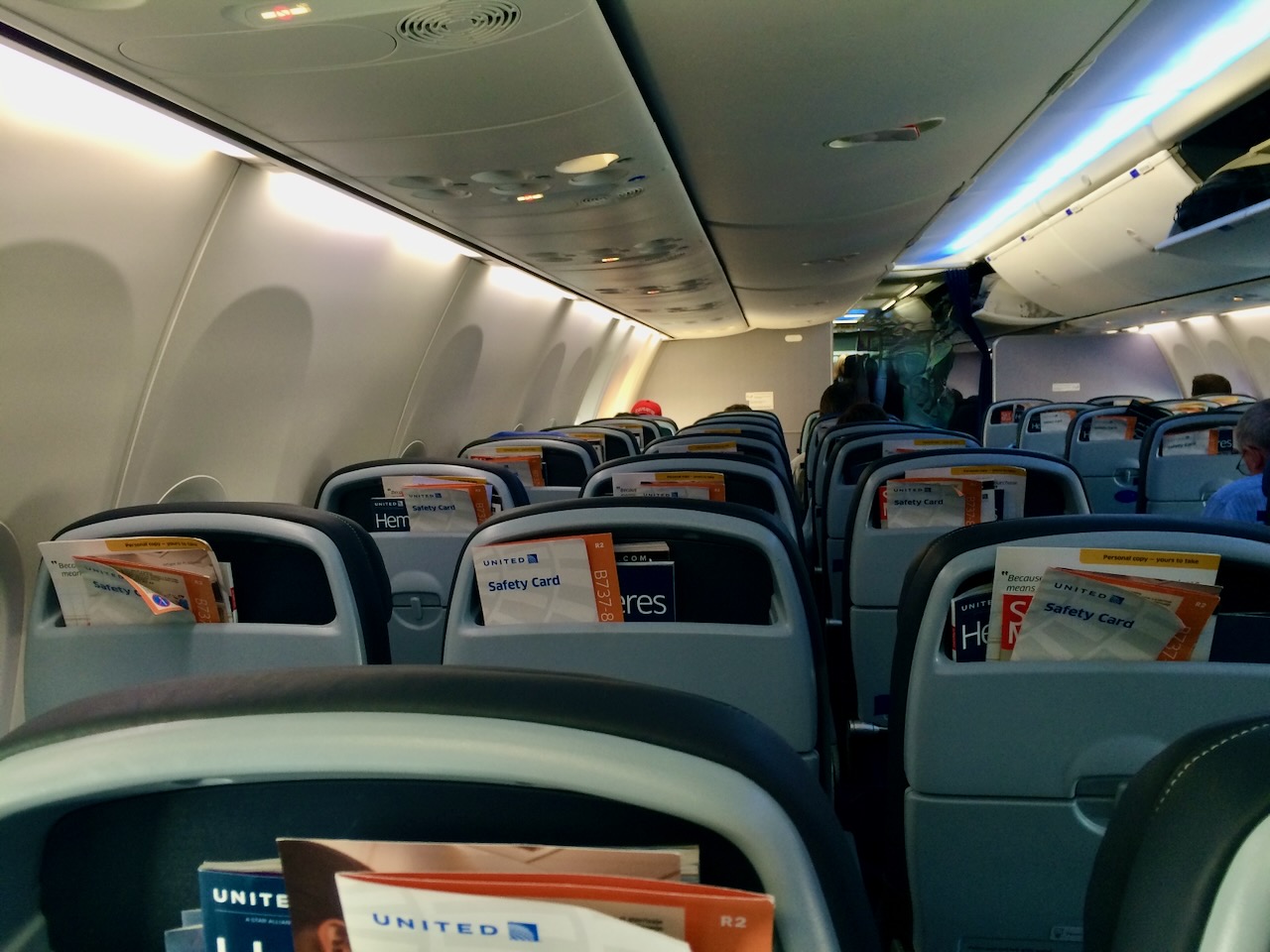
Note the in-flight magazines, a mainstay of domestic flights 10-years ago

When traveling as a group, how do you treat the opportunity to upgrade? It may be a bus seat with more legroom, a cafe table by the window, or an aircraft class of service upgrade. Do you take the upgrade, give the upgrade to somebody in your party who may not have experienced the opportunity, or decline the opportunity unless the entire group can advance together? What does your group suggest if one person is provided a better way of traveling? Does the quality of the upgrade matter to your group’s decision-making process?

When upgrades are offered, they are a good test of our values and priorities. There is no right or wrong, but it represents a chance for actions and beliefs to align or bifurcate.

What have been your experiences in real-time?

Being of Service

Leaving the barn for a horseback ride, dirt and debris from one horse collects in the aisle. So, I could sweep just outside my horse stall. Or, I could sweep the entire aisle. The entire job might take a few additional minutes, and it leaves the barn cleaner for those who come after.

Are we serving ourselves, or are we being of service to others? We cannot always do more than needed but when we do, we amplify the work of those around us.

Care Committee

My father served on the vestry of an Episcopal church. He was commuting to the city for work and knew he had limited time outside of weekends to serve on the church committees so he joined the Cemetary Committee. Much to his surprise, he received frequent calls (landline days) regarding landscaping or other issues around the graves. My Dad’s perception was that general upkeep was the goal. To the relatives of the deceased, there was much to be done, most importantly attention to the details that honor the legacy of their loved one. My father’s initial view was the committee was a passive assignment. To the family members, it was an active site to observe memories.

How might we align our intentions with the intentions of those that we serve?