Service

Providing Access

How do you deliver your services to those who benefit from your superpower? Is the access point narrow and secretive, or is it broad and expansive? Are you offering urgent care level availability, or are you a specialist that requires an appointment and a long wait? Knowing where we are uniquely positioned to serve allows us to think about the platforms where our services are most effectively delivered.

How might we provide access for those in need? What is worth positioning in the public domain, and what requires safeguarding behind a robust fortress rampart?

Vision vs Visionary

When the conditions are right, I can see the horizon line from the right viewpoint, and if someone designs a functional orientation point, I can align myself. However, imagining the future we are trying to create is harder when obstacles appear.

How might we provide the proper orientation for those we serve? How might we set people up for success? How might we provide a sense of the work that matters for those seeking to fuel our journey? One requires end-user empathy. The other relies on wayfinding attributes.

Designed With Purpose

How might we design our services with the end user in mind? If we publish a “how to” app but fail to assess which language is native to most users, the app will fail to scale if language is required to navigate the app.

How might we consider the needs of the end user before we consider how well the service works for our portfolio of offerings?

Entry Point

What is your entry point for engaging those you are seeking to serve? Opinel created “My First Opinel” knife with safety features, including a rounded taper blade. Offering an entry point allows people to feel part of the club, even if they are not ready to access all the features and benefits of the best version of your enterprise (services and products).

How might we be intentional about our entry point and not solely focus on the best-designed version of our work?

Fuel for Your Journey

A water fountain requires little maintenance but provides essential fuel (hydration) for those who pass. A thirsty hiker, cyclist, runner, hot canine, and many others benefit from a good water source’s self-service, always-on nature.

What services do you provide that are easy to use, simply designed, and require little labor to monitor?

The Refugio Paradox

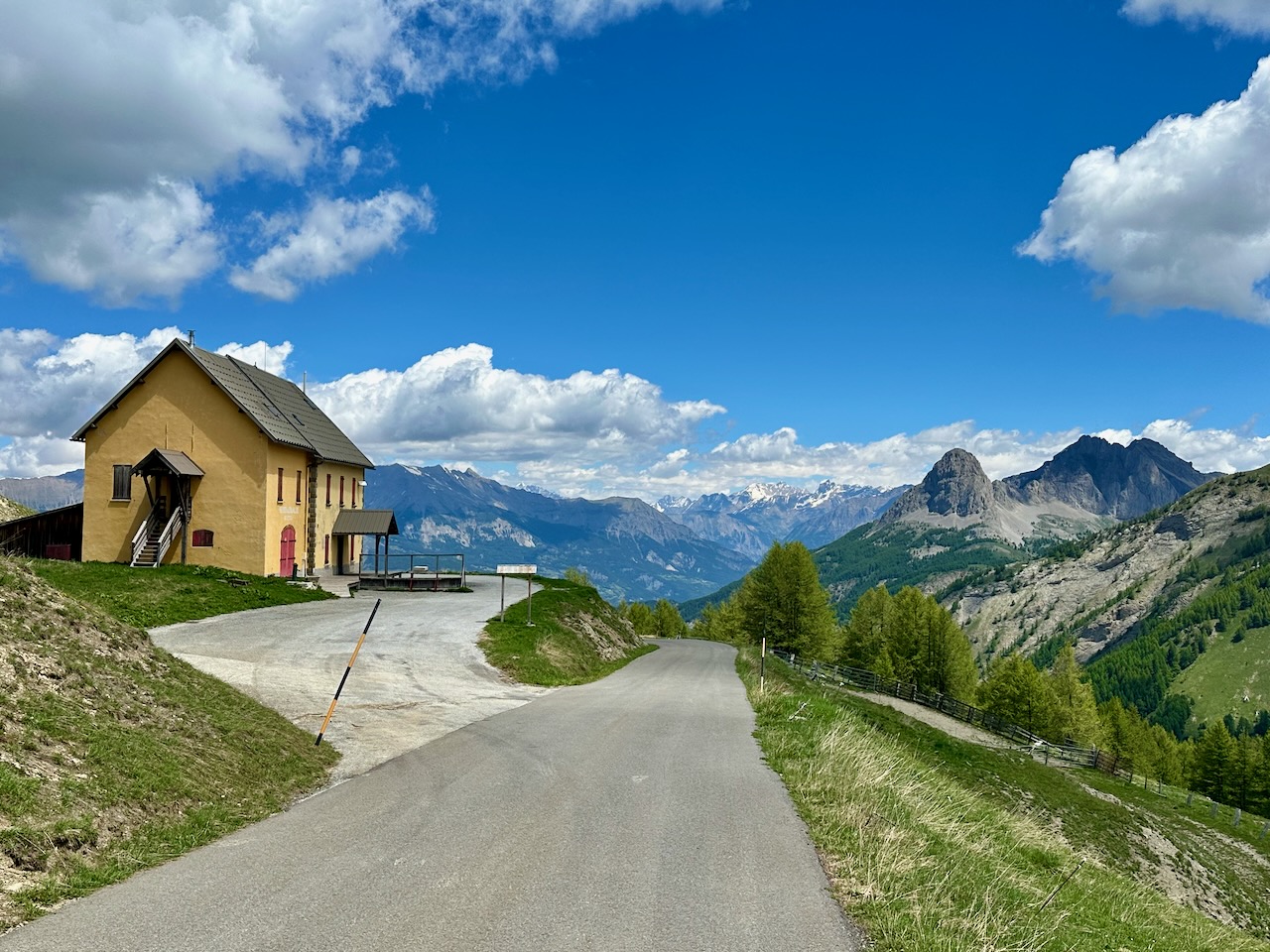
When the mountain pass is open, the snow melts from the road, the weather is inviting, the refugio is well stocked, and business conditions are set for capacity. If the environmental conditions alter, business at a mountain hut can cascade to zero quickly. A closed road due to a mudslide, a challenging patch of weather, or a larger event in the valley villages creates challenges.

Location can make us remarkable, but it can also leave us outside the circle of safety. Awareness dissipates when nobody can reach us. However, our setting attracts those seeking our attributes when the conditions are right.

Waterfalls

Waterfalls tend to attract attention. If reaching one requires navigating a hiking trail, many people use the waterfall as a turn-around point or a place to rest before continuing up the trail.

How might we position ourselves as a point of confluence with the surrounding environment? How might we evaluate our location as part of our strategic value proposition?

Setting

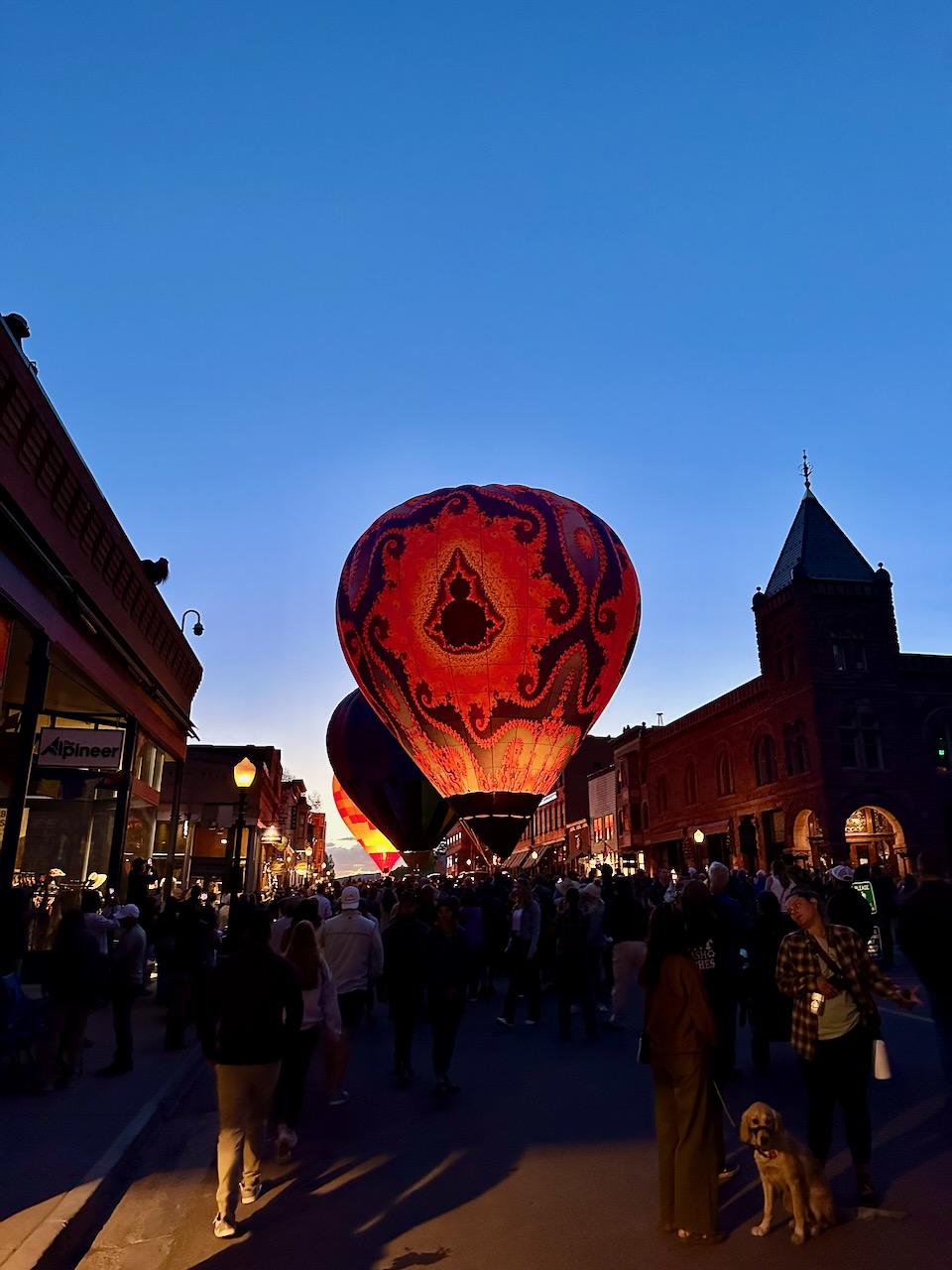
Selling travel insurance at the airport baggage carousel is a poor prospect. Running a lemonade stand after exiting a fast food drive-thru window presents fewer sales opportunities. Giving a keynote on ‘how to get the most out of a conference’ as the closing presenter might be less impactful. Inflating a hot air balloon in a remote field with no spectators generates less excitement.

How might we recognize that our setting matters? If we are uniquely positioned, then our services will be relevant. If we hide in the shadows, we may be of value only to those who took a wrong turn.