Strategic Planning

Battleship Strategic Planning

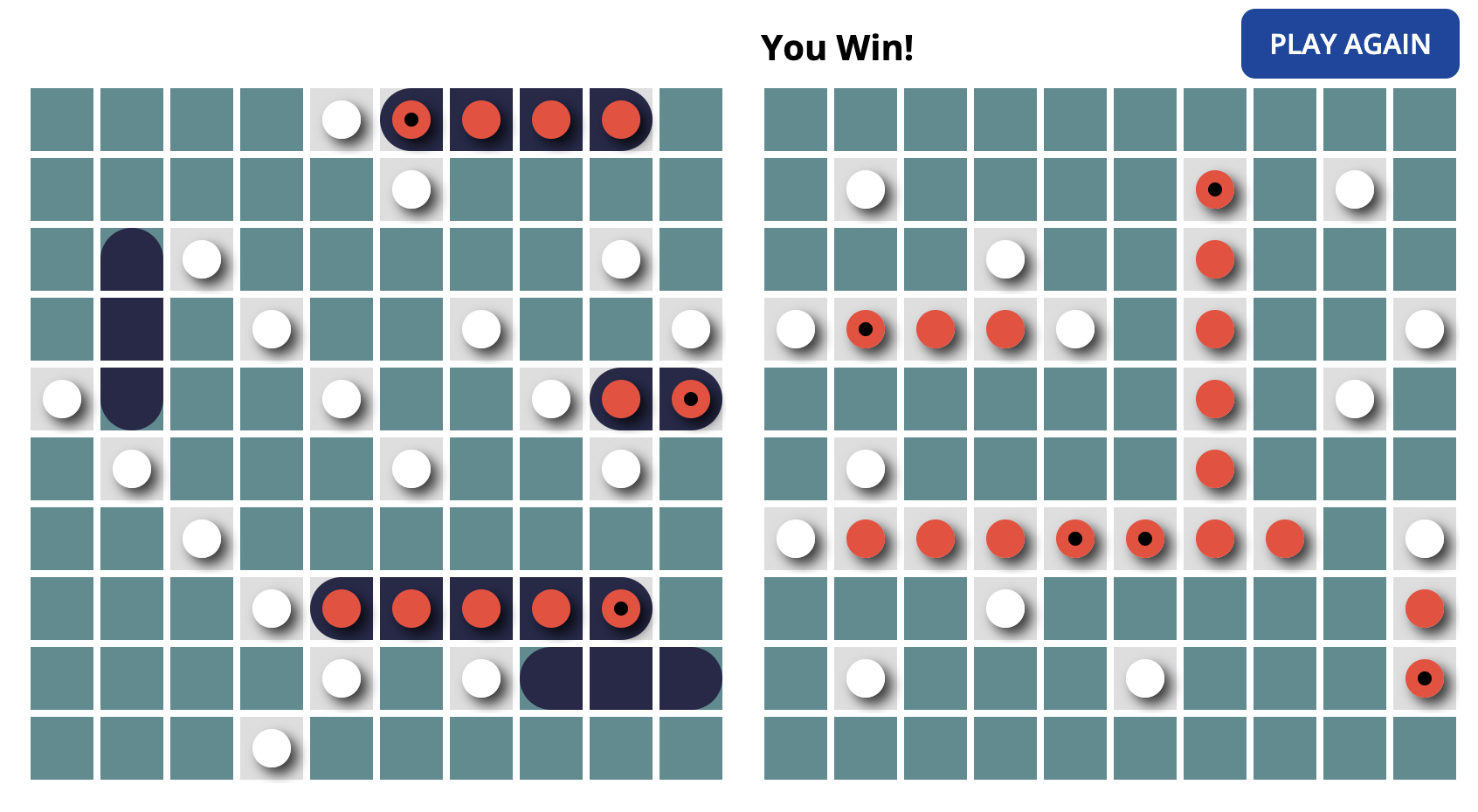
If your strategic planning attempt reflects playing the strategy game Battleship, then the prospects of success are limited. The possibilities of arranging the ships on the board are vast. This is akin to selecting the strategies and goals in a traditional plan. Then, we must start guessing in some methodical or random order to hit the correct positions and create an impact. The calculations behind the probability are significant.

There are a surprisingly large number of ways that the ships could be arranged: for example, a blank board with the usual 5 ships has 30,093,975,536 possible configurations. Source C.Liam Brown

What if we adopted a more durable approach? What if our goal was not to ‘win’ strategic planning but to remain in the game (and mindset) of planning and amending. What if the act of thinking strategically was a sign of progress? What if we collaborated with others instead of playing in a silo? What if we relied on others to succeed so that we could thrive?

You Are Seen

A relative’s daughter transferred to a new High School this year. She is joining as ‘the new student,’ trying to navigate the complexities of teenage networks. After her first day, friends from her previous High School texted her to ask how the day had gone and about her experience. To me, this is the best of humanity, looking out for others as we aspire to be forces for good.

A recurring question from social sector organizations is, ‘Why have a strategic plan?’ Their typical barriers list include time, resources, frustration with the process, lack of engagement, failure of past plans, etc. I respond with counter-points and shifting mindset possibilities. However, I changed my focus the other day, advocating that these plans are for those we serve. They represent a hat tip, a shout-out, and an ‘I see you’ text to our community. It is a promise that we value their presence, and here are our best ideas to serve each of them. It is an opportunity to offer a point of confluence, a shared journey forward, but it only works if they have a seat in the boat to help us paddle around the next bend.

What if your next plan adopted the perspective of a shout-out to those you serve, reminding them of the miles traveled together and the opportunity to craft a narrative for what will come? What if it is as simple as texting your fans, ‘We see you. Thank you for being with us. Will you join us as we strive onwards?’

No Perfect Brackets; No Perfect Plans

100 million NCAA March Madness collegiate basketball brackets are filled out yearly, and they cannot correctly select all the winners. How do we expect to predict our organization’s future if we do not have the benefit of professional analysis and endless metrics? Are we so confident in our ability to forecast the future that we can write strategic plans as if we are completing a winning NCAA March Madness bracket? We might get some themes right, but the odds are against perfection.

Want more info on March Madness bracket statistics- watch here

Acting Over Predicting

One of my favorite nonprofit organizations is the Cabin in Boise, Idaho. The Cabin’s staff, programs, board, and literary community are remarkable. Most importantly, their advocacy actions reinforce my trust in the Cabin, amplifying their Magnetic North (purpose, vision, mission, and values). When the Idaho State Legislature proposed bills to ban books, criminalize librarians, and create citizen review panels, the Cabin, in partnership with other critical literary partners, launched an advocacy effort, No Book Bans. I would argue that this commitment was their most influential strategic action. This course of action was unlikely to be predicted during the drafting of the strategic plan, but the clarity around organizational values made this decision more certain. The Cabin’s strategic plan left room for wayfinding, and the community gathered in force to do the work that mattered.

How might we show up for those on the periphery when their safety is jeopardized? What if this is our most remarkable and essential work? How might we act instead of worrying about predicting?

Cabin Mission: The Cabin is a literary arts nonprofit organization in Boise, Idaho. We forge community through the voices of all readers, writers, and learners. Our workshops, readings, lectures, camps, and other literary programs provoke creativity and experimentation, foster literary excellence, and inspire a love of reading and writing in children and adults alike across the Treasure Valley and beyond. 

Mini-Series

If you were selected to produce a mini-series, what would you choose as your topic? What story would you tell? How would you add depth to the main characters? What is the series’ purpose (entertainment, education, documentary)? What outcome do you anticipate for your audience after viewing the series?

Often, strategic planning parallels a mini-series. We select a journey we hope to travel, then procure the crew, cast, locations, and resources and set a timeline. We adapt and overcome as unanticipated barriers appear throughout production.

One of my favorite Netflix series is The Queen’s Gambit. The production team took an intellectual and static game and provided depth and dimension. They expanded the fan base far beyond chess aficionados. In chess, the intention is to predict the future and implement a strategy but adjust our play constantly. There are parallels to the social sector, where we often need help to gain engagement. How might we present our work with authenticity? All the chess matches in The Queen’s Gambit were based on real games and make it resonate for those seeking to make a difference.

What mini-series are you producing? What are you dreaming about launching?

Analog Adds Depth and Dimension

What follows is a strategic plan generated by ChatGPT for a generic nonprofit land trust.

Mission Statement: “Our mission is to conserve and protect natural lands, wildlife habitats, and water resources for the benefit of present and future generations.”

Vision Statement: “A thriving and sustainable ecosystem where people and nature coexist harmoniously, with 1000 acres of preserved land and 10 miles of river safeguarded for posterity.”

I. Executive Summary

In the next five years, our nonprofit land trust aims to secure and protect 1000 acres of land and 10 miles of river, advancing our mission and vision. This strategic plan outlines our key objectives, strategies, and actions to achieve this ambitious goal.

II. Goals and Objectives

Goal 1: Land Acquisition

Objective 1: Secure 1000 acres of ecologically valuable land.

Strategies and Actions:

  1. Assessment and Prioritization: Identify and prioritize lands with high ecological value and alignment with our mission.
  2. Fundraising: Launch targeted fundraising campaigns, including grants, donations, and partnerships.
  3. Community Engagement: Engage the community in the selection and acquisition process, seeking public support and donations.
  4. Legal Expertise: Seek legal expertise to facilitate land acquisition processes, including negotiations and contracts.
  5. Landowner Collaboration: Collaborate with willing landowners to explore conservation easements and land donations.

Goal 2: River Protection

Objective 2: Safeguard 10 miles of river and its surrounding habitats.

Strategies and Actions:

  1. Water Quality Monitoring: Initiate a comprehensive water quality monitoring program to assess and track river health.
  2. Erosion Control: Implement erosion control measures to protect riverbanks and adjacent lands.
  3. Riparian Restoration: Collaborate with experts and volunteers to restore native riparian vegetation.
  4. Advocacy and Outreach: Advocate for policies and practices that support river conservation at the local and state levels.
  5. Partnerships: Collaborate with other environmental organizations and governmental agencies with similar river protection goals.

III. Organizational Capacity Building

Goal 3: Organizational Sustainability

Objective 3: Strengthen the financial and operational capacity of the land trust.

Strategies and Actions:

  1. Diversified Funding: Develop a diverse funding portfolio, including grants, membership dues, individual donations, and corporate sponsorships.
  2. Staff and Volunteer Development: Invest in staff training, volunteer recruitment, and capacity building.
  3. Technology Upgrade: Upgrade technology infrastructure to streamline operations and enhance outreach efforts.
  4. Board Engagement: Engage the board in fundraising and strategic planning.
  5. Partnerships: Forge strategic partnerships with organizations, educational institutions, and businesses to share resources and expertise.

IV. Public Engagement and Education

Goal 4: Community Involvement

Objective 4: Engage the community in our conservation efforts.

Strategies and Actions:

  1. Public Events: Host educational workshops, nature hikes, and community clean-up events.
  2. School Programs: Develop educational programs for local schools to foster environmental stewardship.
  3. Media and Outreach: Use social media, newsletters, and public presentations to raise awareness and engage the public.
  4. Advocacy Training: Offer advocacy training to empower the community to champion environmental causes.

V. Performance Measurement

Goal 5: Monitoring and Evaluation

Objective 5: Monitor and evaluate the progress and impact of our conservation efforts.

Strategies and Actions:

  1. Key Performance Indicators (KPIs): Establish KPIs to measure land acquisition progress, river health, and community engagement.
  2. Regular Reporting: Provide periodic reports to the board and stakeholders on the achievement of strategic objectives.
  3. Adaptive Management: Continuously assess strategies and adjust plans based on performance data and changing circumstances.

VI. Conclusion

This five-year strategic plan outlines our commitment to securing 1000 acres of land and protecting 10 miles of river. Through diligent execution of these objectives and strategies, we will work tirelessly to fulfill our mission and achieve our vision of a sustainable ecosystem for generations to come. Together, we can create a lasting legacy of environmental stewardship and conservation.

It is brilliant and covers the classic strategic areas of focus. It took less than one minute to generate. The linchpin is that it lacks meaning. There is no struggle, no points of resistance, and no need for a culture of curiosity to create the strategic framework. 

Would you nominate a proxy to take your marriage vows on your wedding day? Would you elevate an unknown bystander to present your work at a conference? Would you substitute an amateur for a professional firefighter to attack a working structure fire at your residence? I hope we have sufficient pride and commitment to the organizations we serve that the thought of not being present for critical decision moments is unthinkable. Although AI is efficient, it needs directions and insights to handle the human-centered elements.

How might we use our wayfinding abilities to struggle with the essential questions? How might our commitment to drafting an answer and deploying our best resources provide us greater context, even if we reach a less desired result? The act of striving for mastery to be a force for good and be of service requires tension, struggle, and curiosity. When we listen to an analog recording, it is the scratches, imperfections, and skips that make it one of a kind. It also adds depth and dimension. Creating the art provides a sense of ownership that is impossible when we inherit a template.
A Limited Number of Photos

If you had just ten photos to take during a week-long trip, how would you decide when to snap one of these precious images? In the age of digital photos, we take multiple shots without consequence unless our storage capacity is limited or our battery life is at 1%. But our mindset changes when a natural or artificial limit governs our activity. Looking at a recent adventure, I have deleted at least seventy-five repetitive photos, poorly framed, out of focus, or unintentional. It cost me little but some editing time. However, I am hard-pressed to select my ten favorites from the trip, a challenge to cover the highlights and iconic moments.

A powerful outcome of design thinking is generating numerous ideas. Creativity and multiple mindsets allow for expanded horizons and innumerable pathways. There is a moment when we must select a limited course of action. A portion of strategic planning includes this moment of refinement. I refer to it as an ‘energy management plan’ since we only have so much capacity to focus our resources. If you had to select three areas of focus, what are they? If your three areas are raising more money and funds, I suggest those are the results of focusing on the work that matters.

I am handing you a virtual Polaroid camera. What images are you hoping to capture if given three photos to take of your organization’s strategic future? Do they capture the superpower of the organization where you are uniquely positioned to act or are they a wishlist of certainty (endowment, waitlist of potential board members, and everyone in the community is a member of the organization)?

Power

Energy comes from numerous of sources. It is easy to take it as an absolute, there will be power when needed. It is omnipresent. However, how we channel it becomes the question. It can propel us across the sky, turn on our lights, move us across open ground, or focus our attention. How might we direct our energy sources to have the greatest impact?

I have re-framing the act of strategic planning as an energy management plan. There is much we can work on, but where we direct our output is a critical decision.

Why Human-Centered Strategies?

It is convenient to believe that the money our cause raises, the facilities we build, the programs we nurture, and the brand we build are the core of our cause’s work. However, none of these elements can tell our story. They are the results of our work. The people who inhabit these space, donate resources, attend the programs, and ride for the brand are the story-tellers. They represent the conduit through which our narrative transfers from one individual to the next.

The bib I wore during a nordic ski race and the medal that might come with an age-group award are just ordiments. They alone do not have much depth, possibly props in my story. I can hold them-up to talk about the fierce cold and headwinds that faced the race participants. I can point to them and describe the pack of skiers who worked together to battle the elements. I can hang them on the wall and they remind me of an adventure, but they do not tell the story.

Our travel photos capture a moment in time but are exponentially more powerful when they support the story. Was our Eiffel Tower photo taken during a romantic walk, evening run, from a train crossing the Seine, or just a screenshot? The photo might be memorable but the story provides a greater dimension.

We must get comfortable elevating our stories. Unless we can compete on scale and overwhelm our fans with endless offerings, our narratives will be our strongest point of engagement. If we agree to amplify our stories, then how might we generate human-centered strategies to support our community? How might we be remarkable for the behaviors and experiences we curate?

Now

CxIamsQ5TnCLpGjhCyAZ5g

The remarkable impact of human-centered strategic planning is that we can execute fully on the strategy immediately. If an organization’s stated goal is, to build a dynamic community, that starts now. There is no need to wait to assemble resource, staff, and funding. The strategic imperative is a commitment to an experience, a way of being, a core value.  However, if the plan identifies a specific initiative, perhaps executing a capital campaign and building a new facility, it will take years to realize. Supporting and enhancing a dynamic community in every action and communication starts the moment the individuals within the organization decide it is a priority. Buildings, programs, funding goals are results of a human-centered strategy. An enterprise does not exist to occupy a facility. The cause was founded and supported to amplify a human experience that takes place within the structure, regardless if it is a yurt awarding winning platinum-certified LEED newly constructed center-piece in the community.

The human-centered design process provides strategic imact and execution at the highest level, right now.