wayfinding

Debris Piles

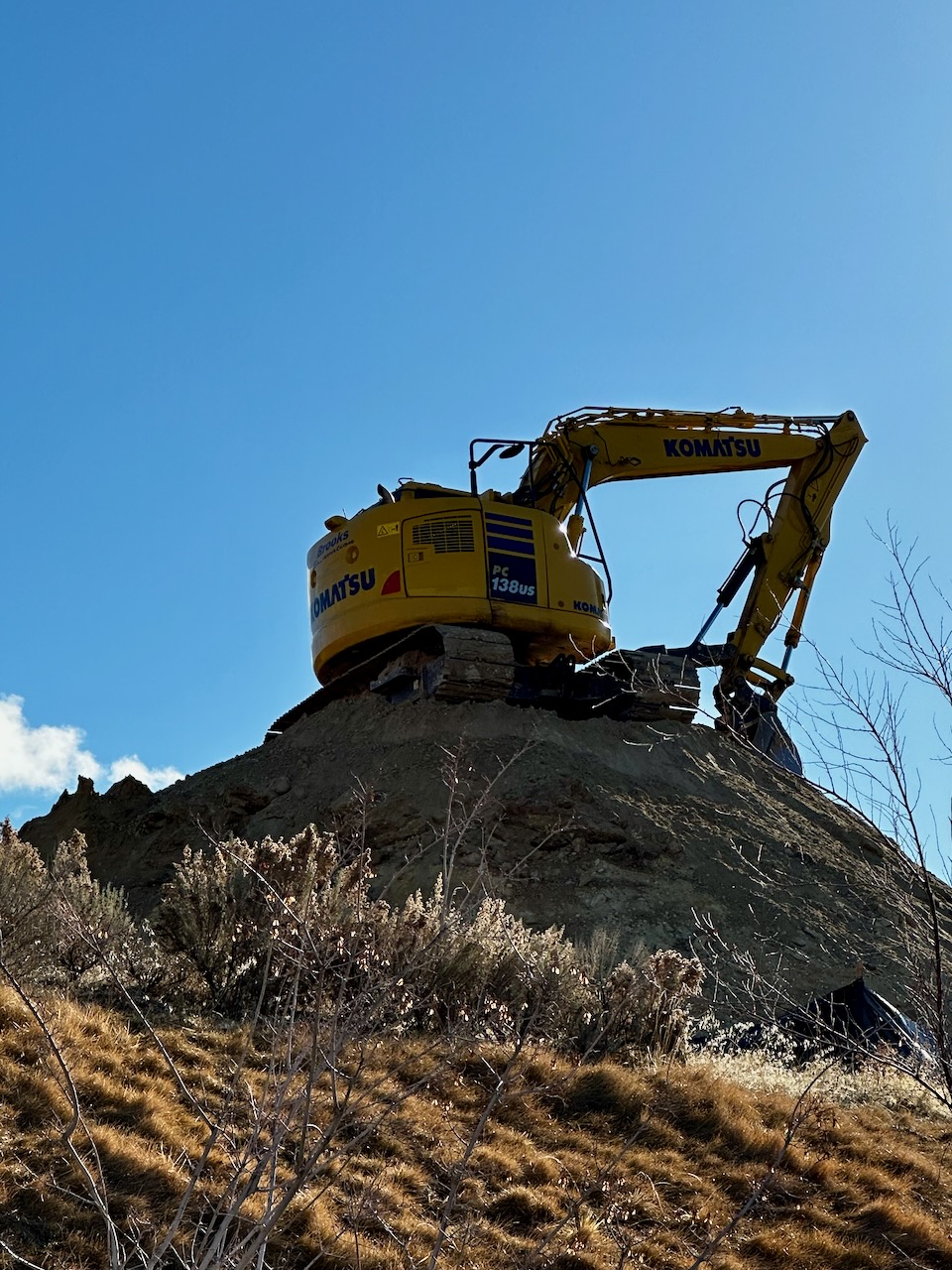
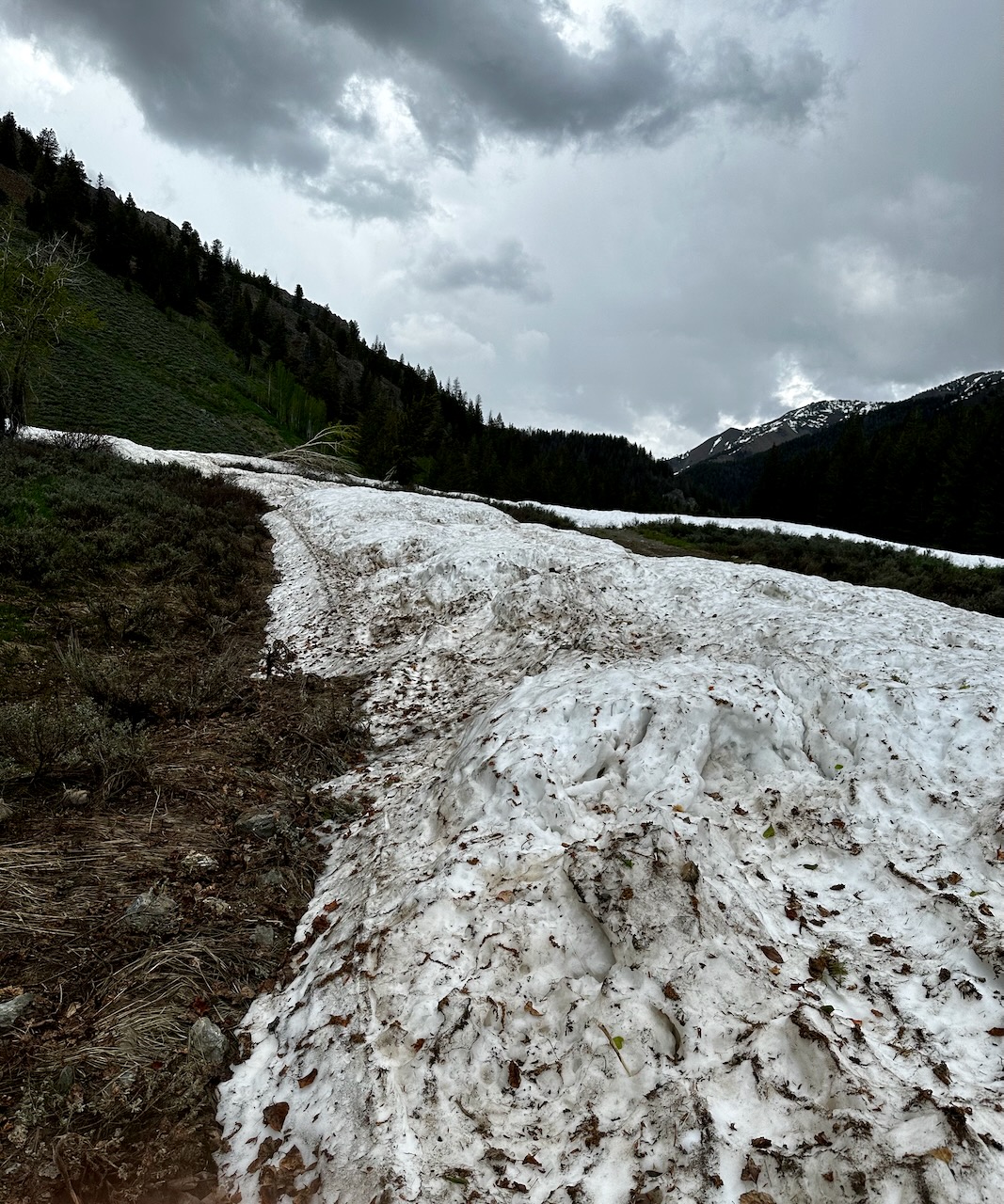
After an avalanche, we might encounter a debris pile months later. Common social sector equivalent debris piles include:

  • Post gala events.
  • Strategic planning brainstorming.
  • Recruitment or rotation of board/staff members.
  • Post Day of Giving events.

These obstacles block forward progress and are challenging to clean up. Possible remedies include:

  • Reaching out to gala patrons disappointed by the event (seating, food, auction items, messaging, etc.).
  • Prioritizing genuine strategic opportunities from the amplification of dead-end initiatives.
  • Orienting new board/staff and finding points of engagement for board/staff that departed but who want to stay involved.
  • Finding meaningful ways to thank the many donors who gave quickly.

Ignoring an avalanche debris pile is optional, and eventually, the concrete snow melts, and a path forward might appear. It takes energy to tackle a debris pile, but waiting to resolve the blockage tends to provide less satisfactory results.

How might we be prepared with a rescue team to jump into action after creating unusually high activity? What if we intentionally only exhaust some of our team so we can act in the days that follow our big events? What if our organization’s superpower was our ability to follow up?
Setting Others Up for Success

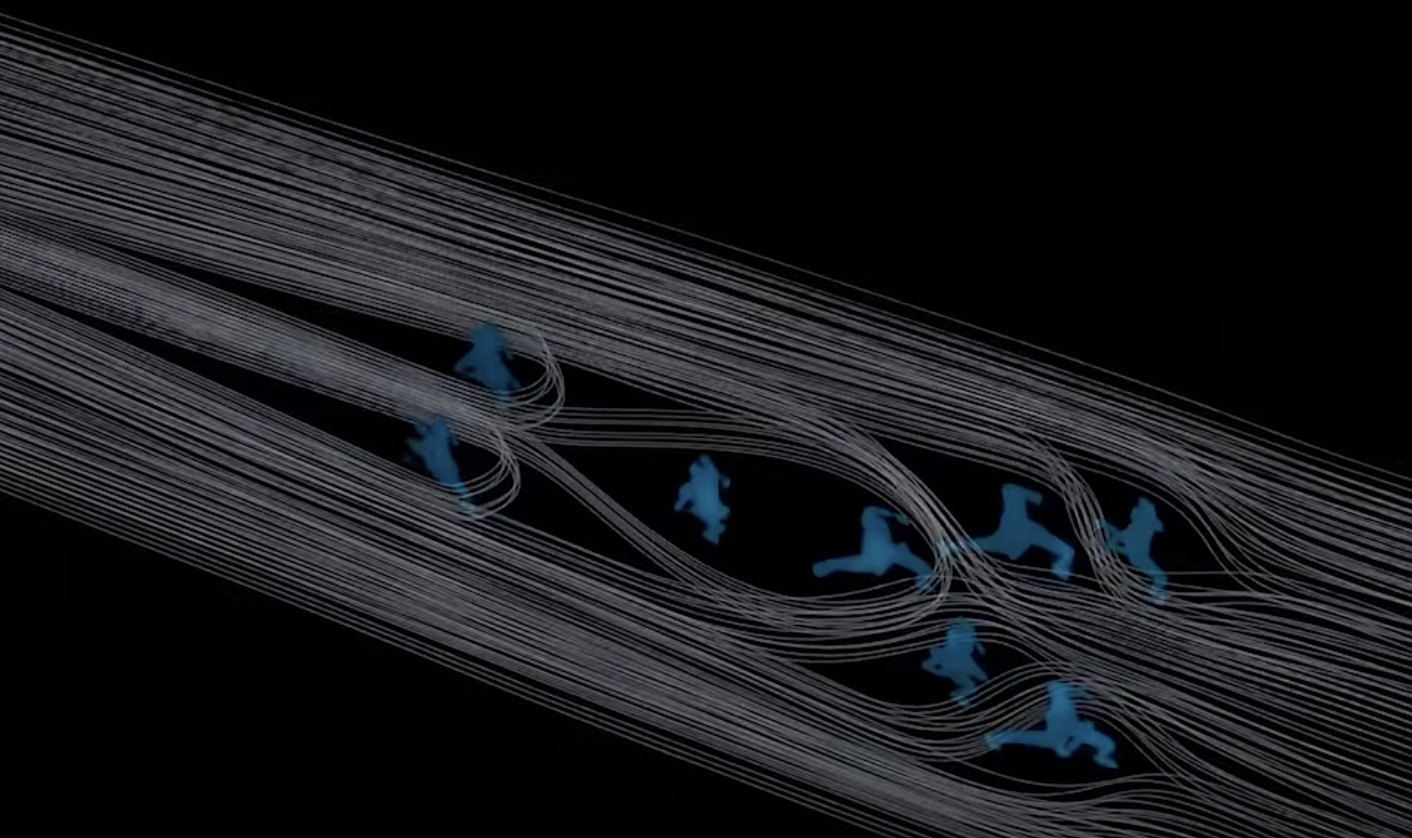
If we move in the correct formation, we can make it easier for those who follow. In an attempt to break the two-hour barrier for the marathon, Eliud Kipchoge deployed his pacers in a variation of the original pattern they used previously.  A diamond head pattern was less effective than an open V formation. By questioning conventional wisdom, the performance team found a better way to reduce the drag and create a less turbulent pocket of air for Kipchoge to run.

How might we embrace a culture of curiosity to find better ways to support those we intend to serve? How might we avoid getting stuck in a historic mindset? Even those trailing behind the person being paced can contribute. Studies found that a support vehicle packed with spare bikes on the roof offered a marginal gain to a time trialist over the traditional single spare bike on the vehicle’s roof. A kind of bow wake created a vortex to boost the cyclist riding ahead.

Strategic Wordle

We have to start somewhere when we play a puzzle like Wordle. We may not get the letters right on the first round; if we do, they are probably in the wrong place. We make the next round of guesses, informed by our previous entries.

What if we took the same mindset to our strategic initiatives? Let’s invest in our best guesses as the work that matters. Then adjust based on the responses. We refine and initiate another round of investment. We are irrelevant if we wait until we are handed the answer by those who have solved the problem already. If we take too much time between inputs, people will think we went offline. We are considered reckless if we make six quick guesses, barely consulting the results.

How might we move at the right cadence, informed by our previous inputs but not held up by fear? The narrative behind our inputs creates a personal story.

Speed vs. Utility

We can talk about how fast we can go and highlight impressive numbers. However, our speed might make our intended impact less. How might we better understand the needs of those we aspire to serve so we can calibrate our effort? A regional passenger train that stops for just three seconds at appointed stations is useless to any potential riders not prepared to board instantaneously. An arts organization that says it serves 1,000 students because it flashed a single image on a screen without context for five seconds during a school district-wide assembly is not doing the work that matters. Finding our cadence is essential, which is why detachable ski lifts have become so successful. We can load and unload at a slow pace. The journey between the bottom and top stations travels at a higher rate of speed, where the reduction in total ride time is more significant.

Waiting Equals Progress

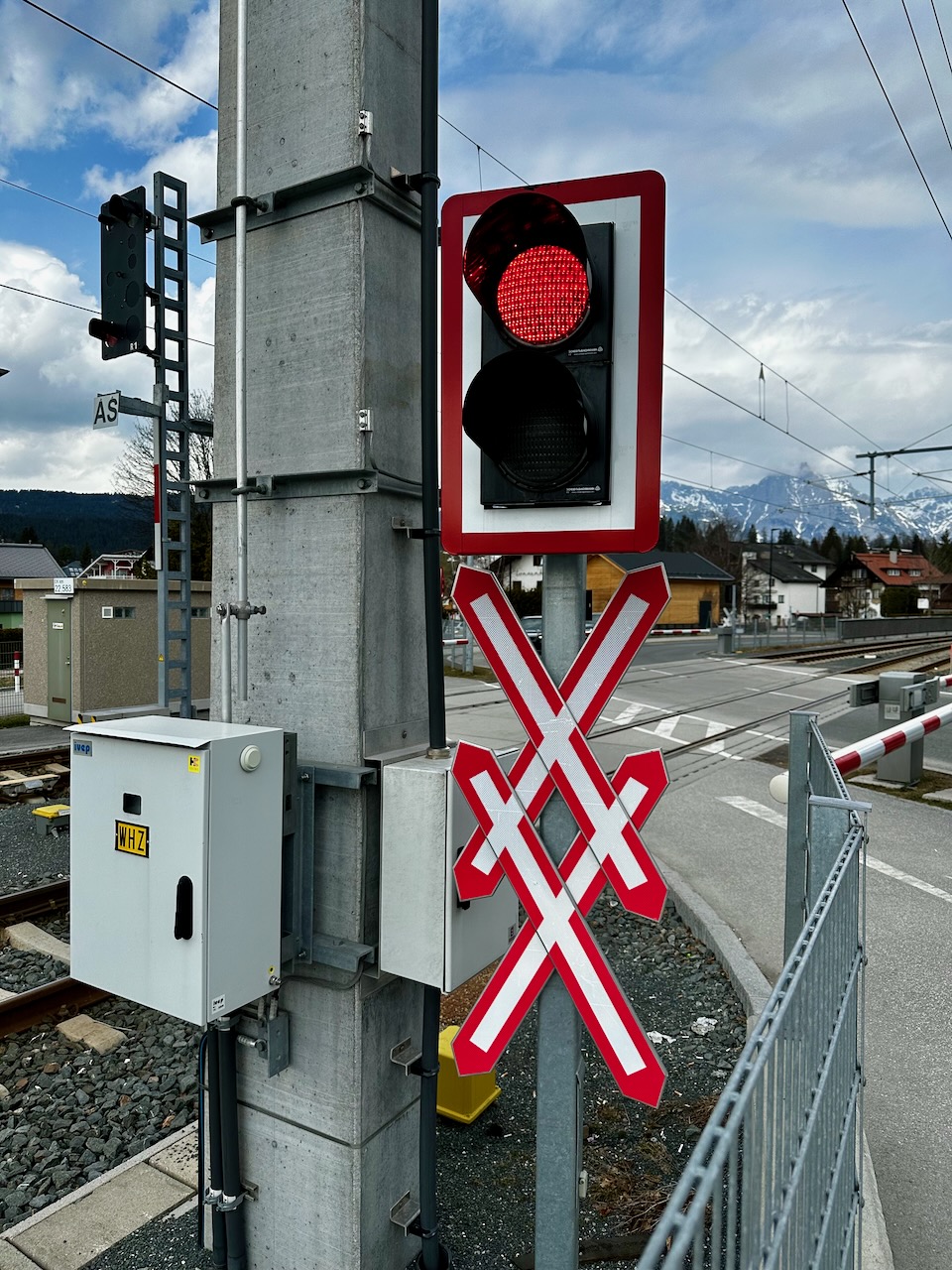
We wait at a train crossing because the consequences of not obliging the warning signs are too high. The outcome of a train versus vehicle/pedestrian is cataclysmic and probably seared into our minds.

When has waiting turned into progress? Where have you stopped only to gain clarity and more impact in your subsequent actions? Which initiatives succeeded because they paused? When has waiting kept you in the game, allowing you to be present when it mattered most?

Repurpose

What once directed water to an arid agricultural region now provides recreational users a unique pathway to explore a vibrant river canyon. The irrigation ditch could have been left in disrepair after its lifespan; however, somebody adopted a creative mindset, and now it lives a celebrated second life.

What have you repurposed? What might be ready for another life?

Perspective

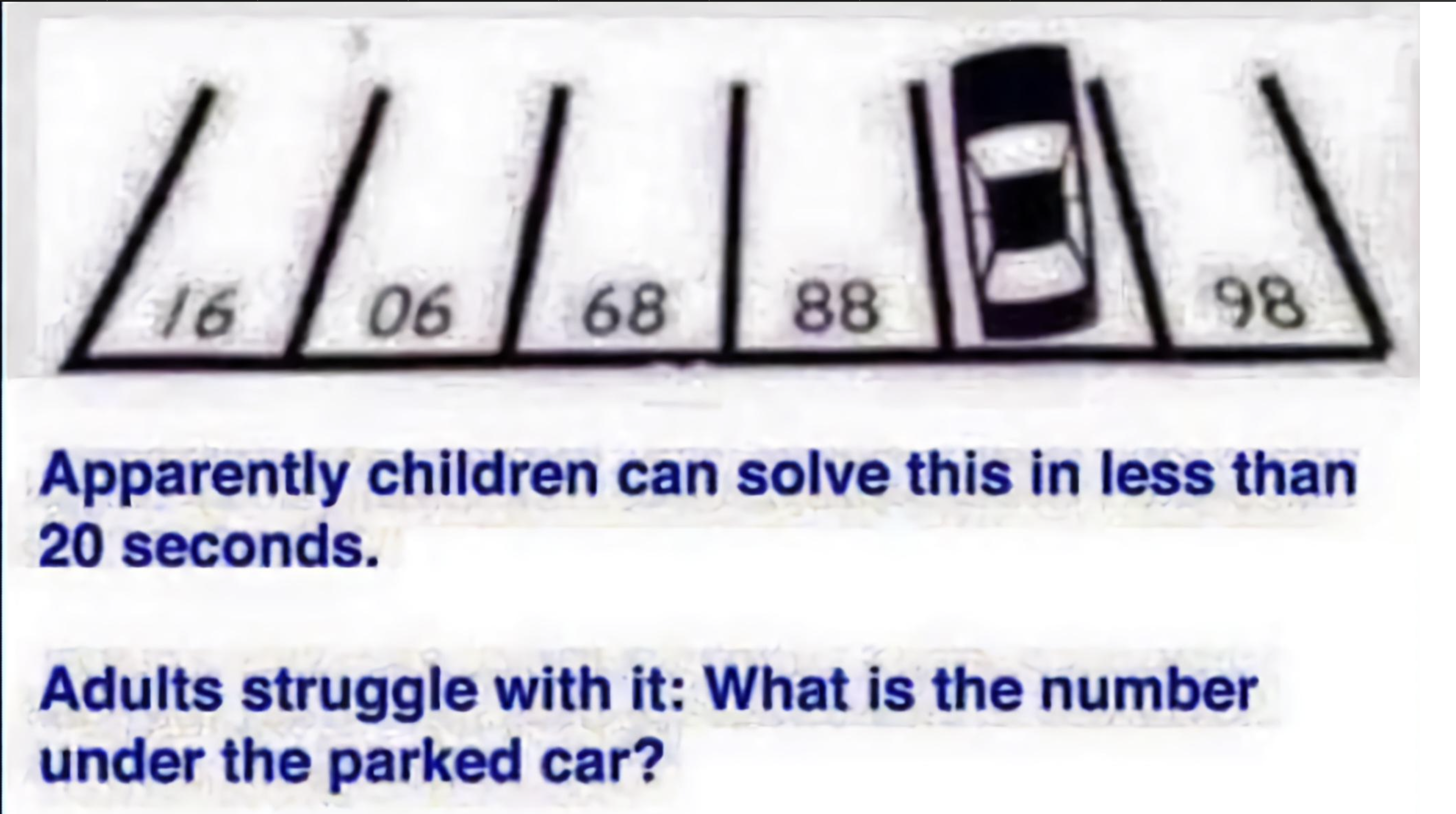
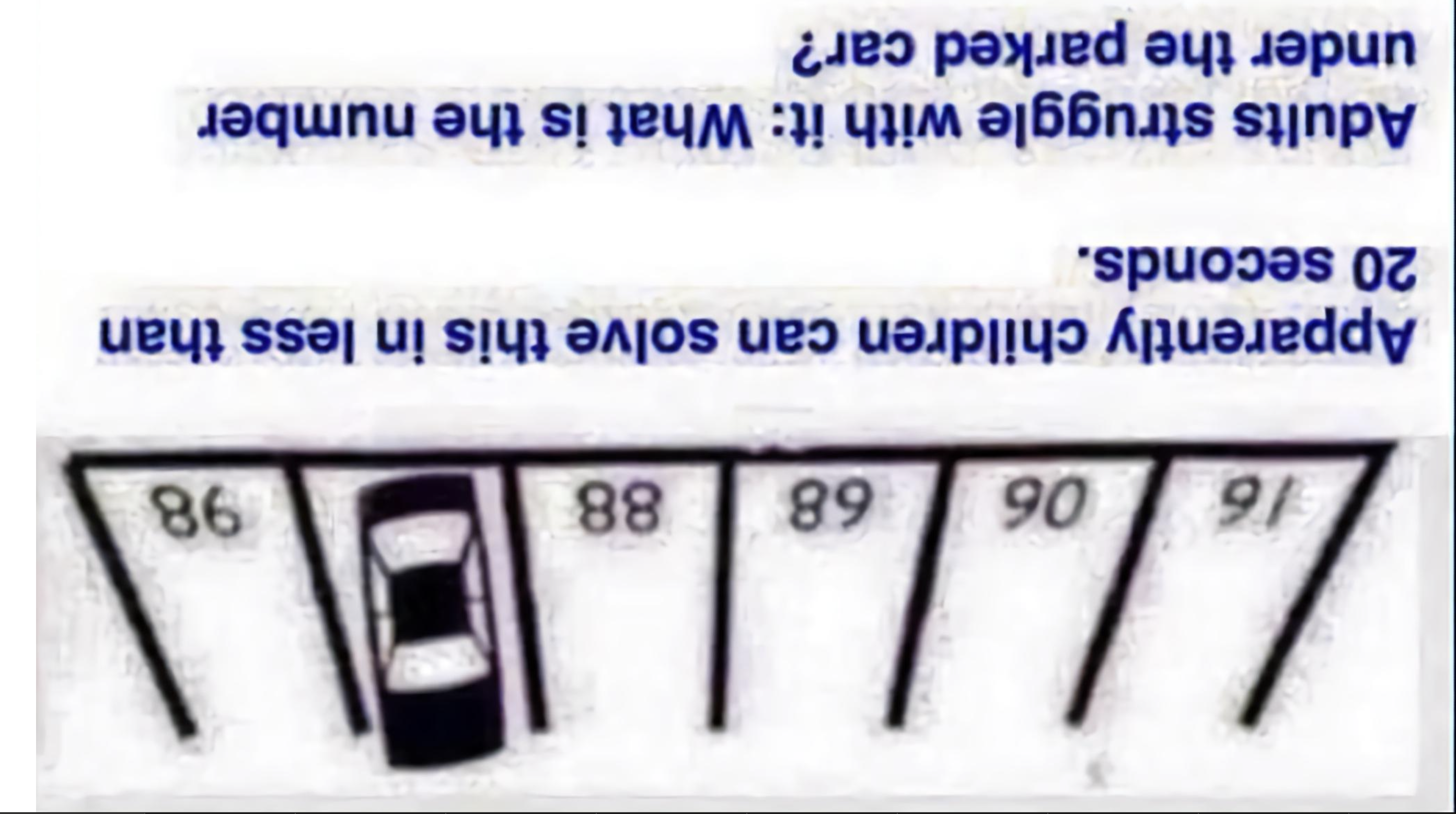
The direction from which we approach an obstacle impacts how we attempt to make sense of the problem. If we are committed to measuring success using data, numerical metrics are essential to our evaluation process. If we believe in the power of stories, then a compelling narrative is vital. If we seek intended impact as the ultimate symbol of success, we might be more committed to reaching the destination than visiting all the waypoints. Endurance and relevance might be our superpowers if we want to remain in the conversation.

How might we recognize that our approach to an obstacle is one of many mindsets in which it can be solved.