If every destination had an express lane and no traffic, we would quickly underappreciate the journey required to reach the edges of the map. Because of the switchbacks, wayfinding, and moments of confusion, we are forced to endure the moments of high friction. The liminal space between certainty and uncertainty is where our best stories originate.
Features and benefits that set people up for success can also cause damage. How might we recognize that our newest upgrade might disrupt the user’s experience when approached in the wrong direction or with misaligned intentions?
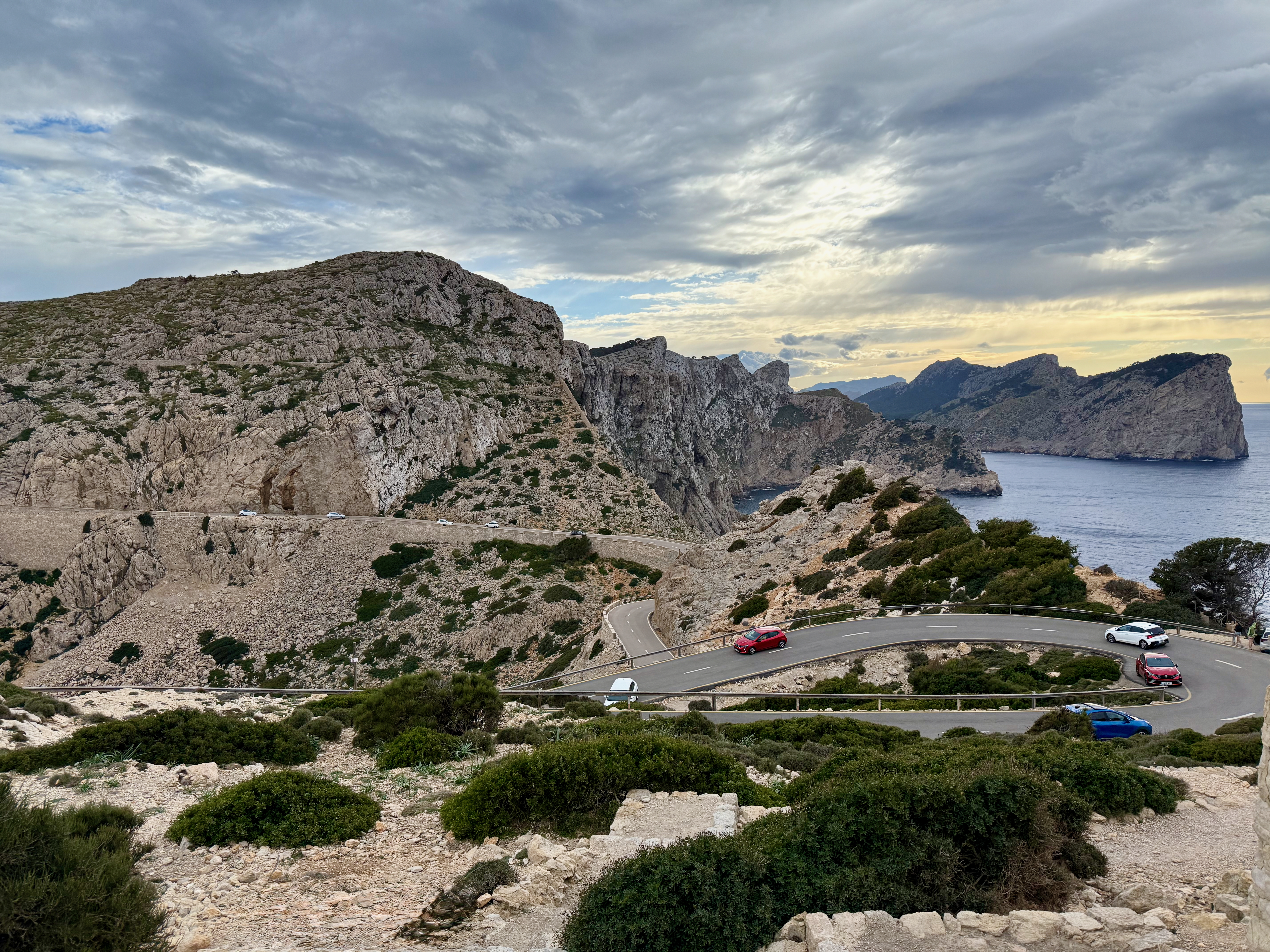
When we encounter terrain changes, some give us pause, some cause us to re-route, and others go almost unnoticed.
What topography do we navigate without as much thought as perhaps they are worthy of? What geography causes us to stumble when it might not require special consideration?
We can boast about our top-end capabilities, but if we do not have the skills to adjust to the terrain, we will crash fast in a straight line. Being able to navigate might be more important than harboring unlimited power.
What was deemed entirely safe changed with more knowledge and time? What new information has transformed your understanding of reality? What everyday activities from your youth now make you reconsider adult oversight? How might we build in the ability to adapt and amend as new details reveal themselves?
What if your planning starts from the end? What if you reverse engineer from the finish line? How might it change your mindset and alter priorities? How might our investments of resources alter if our strategy works from a different perspective?
A sample of school test questions listed online demonstrates that even those responsible for creating tests (exams) can get the answers wrong. It reminds us that despite implied and/or earned expert status, the knowledge/process source might be wrong.
Who are the authority figures that your enterprise relies on as sources of information, resources, funds, and/or accreditation? What happens when they provide incorrect information and/or make the erroneous assumptions? How has your team responded? What lessons have been learned? Is it an anecdote still being discussed, has the organization moved on, or was it catastrophic?
Light is considered essential. However, shadows provide depth and dimension to our work. If we capture our creation with the right balance of light and shade, we might add appreciation and better comprehension of our efforts.
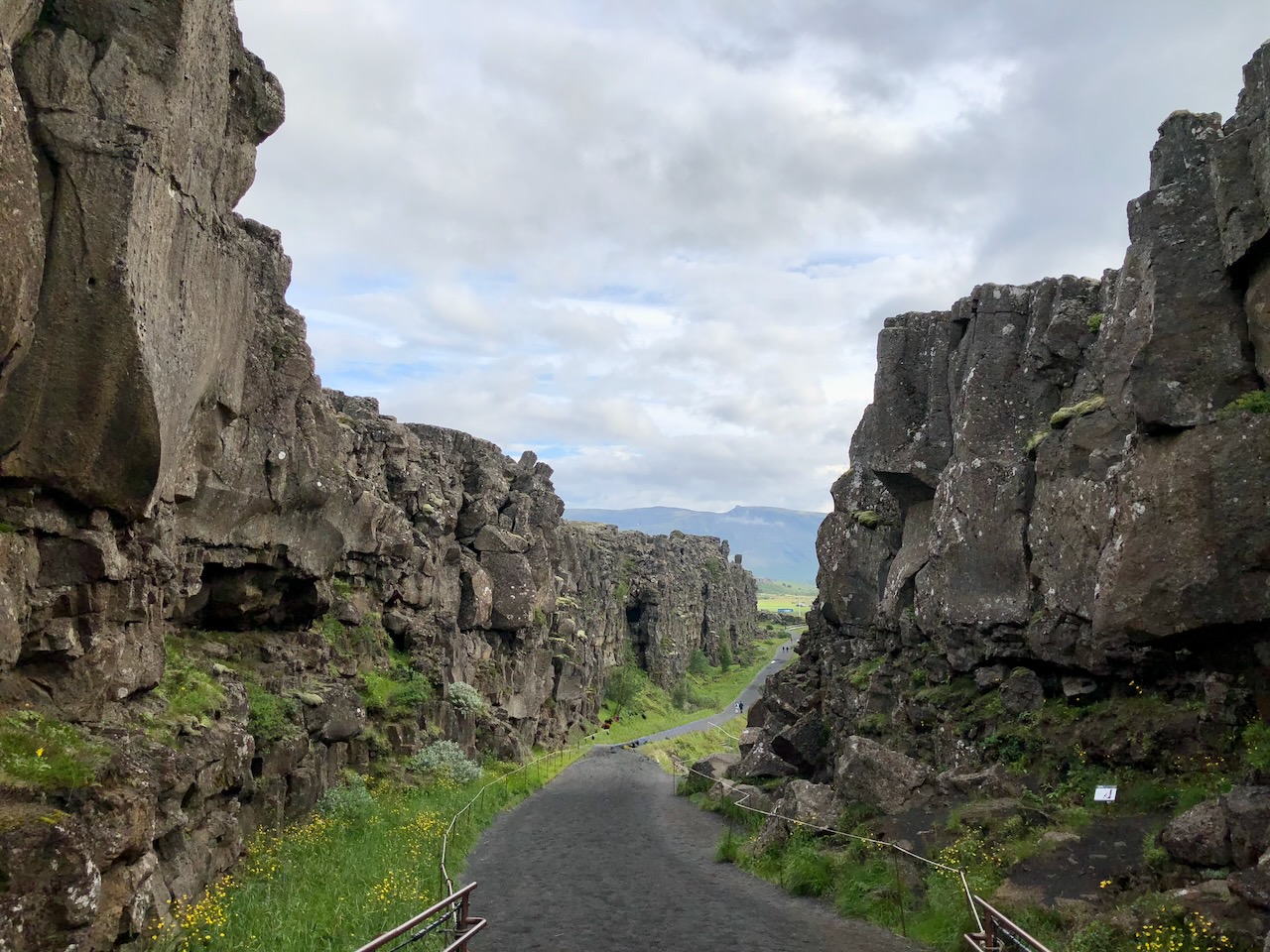
Mid-Atlantic Ridge in Iceland: Meeting of the North American and Eurasian tectonic plates
If we build on a fault line, expect dynamic experiences. If we desire stability, we may need to seek more durable ground. Flying into my city earlier this year, I spoke with my seatmate who worked as a facility manager, building served farmers (data centers). He was overseeing the construction of a new center outside the town. I asked him why his company picked this location, and he stated that it met four critical criteria: geologically stable land (i.e., limited seismic activity), a good source of inexpensive power (hydro and wind), less expensive land, and the cost to build was attractive. The exact property would not work well as a prospective site for a geothermal pool or a national park that contained geysers.
Where we work may influence our impact and ability to establish a stable foundation. A ski instructor has more prospects in the mountains than being based in the tropics. A social service organization might likely thrive in a region with an established nonprofit center and a community foundation. If your cause is a search and rescue organization, it exists on the frontier between emergency services and volunteer resources. The business model demands working in dynamic settings and functioning on fault lines.
How might we assess where our services are most needed within a community? How might we be willing to migrate if the need has relocated?
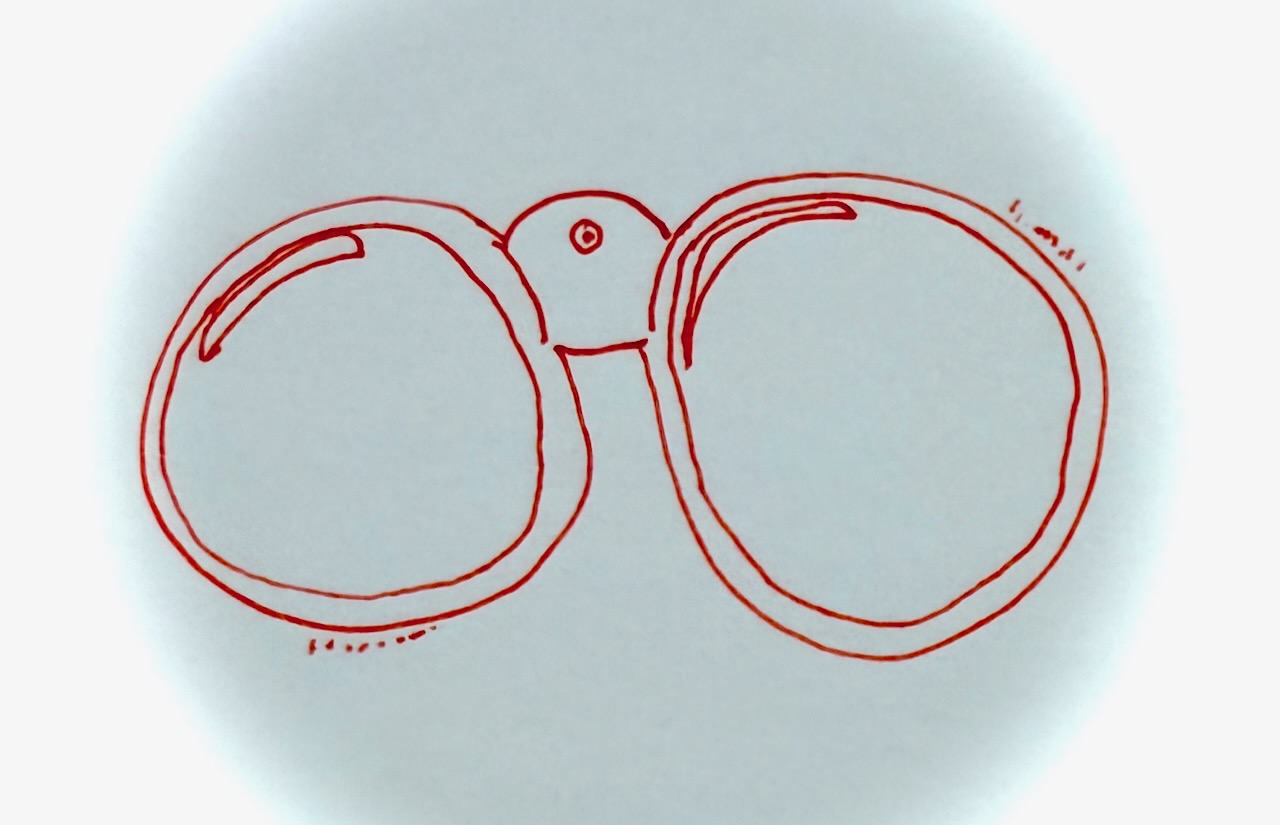
Binoculars are a liminal object to me. Most binoculars I have encountered are safely positioned in a case or sitting static on a shelf; they are more accessory than instrument. But, when required, they can transform quickly. Is that a wildfire on the ridge? Is there a vessel at sea requiring assistance? Is that an Ivory-Billed Woodpecker? Did my favorite musical artist playing in a mega stadium change into a new costume? Who walked into the building at the far end of the property?
Using them constantly makes the world myopic, and our sense of scale is unrealistic. By deploying them randomly, we spin the wheel of serendipity, hoping a worthwhile subject will appear. Treating them as a resource can enhance our culture of curiosity and provide confirmation of our interest or render the subject matter a lower priority.
What are the binoculars of your enterprise? What can your team leverage at key moments to make sense of the territory ahead?




 What-if-concepts