wayfinding

Second Career

If you are a donkey that was a companion to a horse, it is a powerful relationship. However, donkeys live a factor longer than horses, so they can find themselves looking for a new function if their companion horse passes away. One Colorado nonprofit runs a donkey sanctuary. To keep the animals engaged and interacting socially, they participate in events, assuming various roles. For last night’s wedding ceremony, they carried around bottles of beer and other beverages. They were adored and celebrated, once again finding their purpose.

When our first thing is done, it may mean a new opportunity is waiting.

Beacons

If we build a beacon on top of a mountain, people will naturally climb towards it or use it for orientation purposes. However, if we place a beacon on a ridgeline full of other towers and ariels, we might get lost in the crowd. Our mission is to position our towers as close to the edge of the map as possible, making them useful without being so far off that they are never seen.

History or Opportunity?

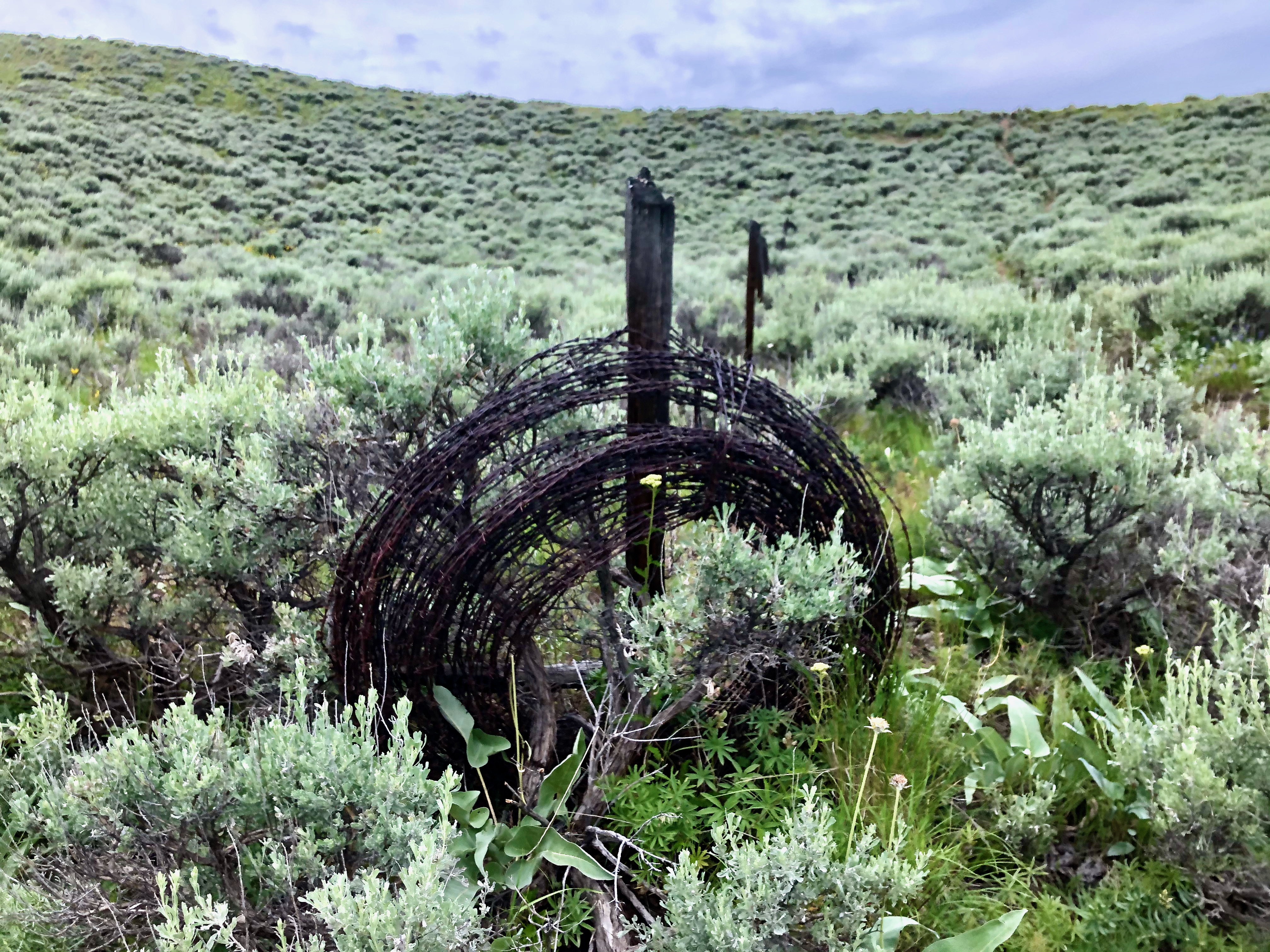
Encountering a section of barbed wire fence that is coiled and leaning on an old fence post creates a moment of reflection. Does this fence line represent an era that is coming to an end? Or is it an opportunity to repurpose the fence line and generate a new narrative? A finish line can also be a starting line.

I recently completed a site visit for a youth education group. The former tenants of the building ran programs for preschool children. In the expansive community room, preschool furniture worth tens of thousands of dollars was piled high. It reminded me of the scene in the government warehouse from the movie Raiders of the Lost Ark. The preschool provider’s narrative is complete. The question now is whether somebody will start a new story by dispersing the preschool treasure to partner organizations. Will the provable fence line be revived or left dormant?

Reframe

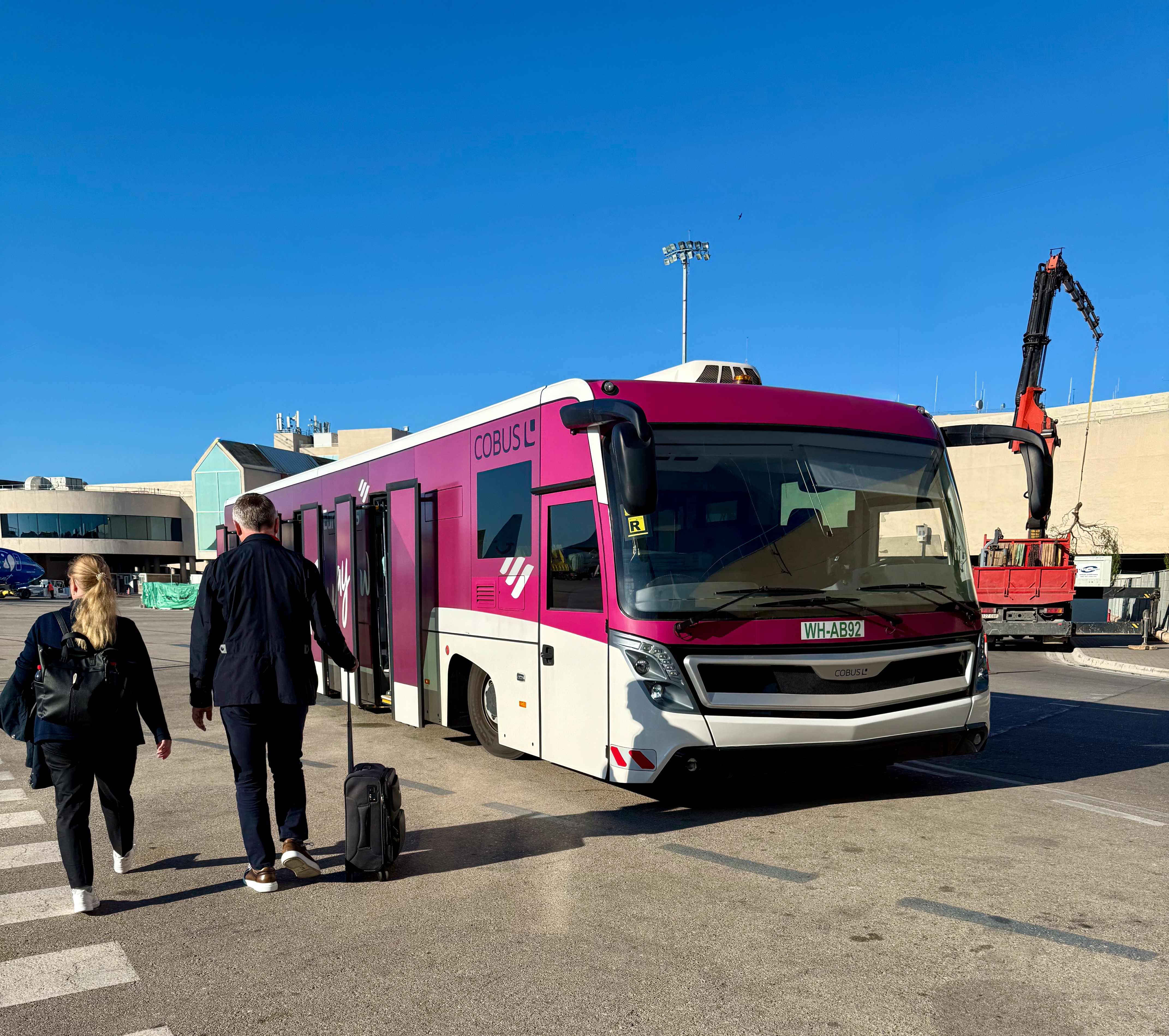
If your flight disembarks at a remote stand and you are instructed to take the bus to the terminal, it can feel like an unplanned deviation from your itinerary. However, when the pilot tells you that the bus drops passengers off directly at the customs hall, saving them a fifteen minute walk from the jetway that might have been used to reach the same location, it can feel like a bonus. Reframing circumstances can change how we perceive our reality.

How might we recognize that framing a situation can fundamentally change our potential impact?

Update!

How many posts, announcements, launch celebrations, press releases, or community meetings have you observed during which information was shared about a new initiative or a significant organizational event? How many of these organizations continued to share relevant updates and nurture your engagement?

In my experience, people are keen to make the first announcement but struggle to find an appropriate communication cadence along the journey. It does not take much, but checking deepens connections.

Imagine boarding a long-haul international flight on which the pilots never confirm the destination, make no remarks about the flight plan, do not address abnormal flight conditions, and provide no update before landing. This might make some passengers a bit apprehensive about the journey. Perhaps we can aspire to be more like a well-regarded commercial pilot. Greet passengers, orient them, care for their safety, point out remarkable landmarks, address the unexpected, prepare them for landing, and thank them for their loyalty.

Operational

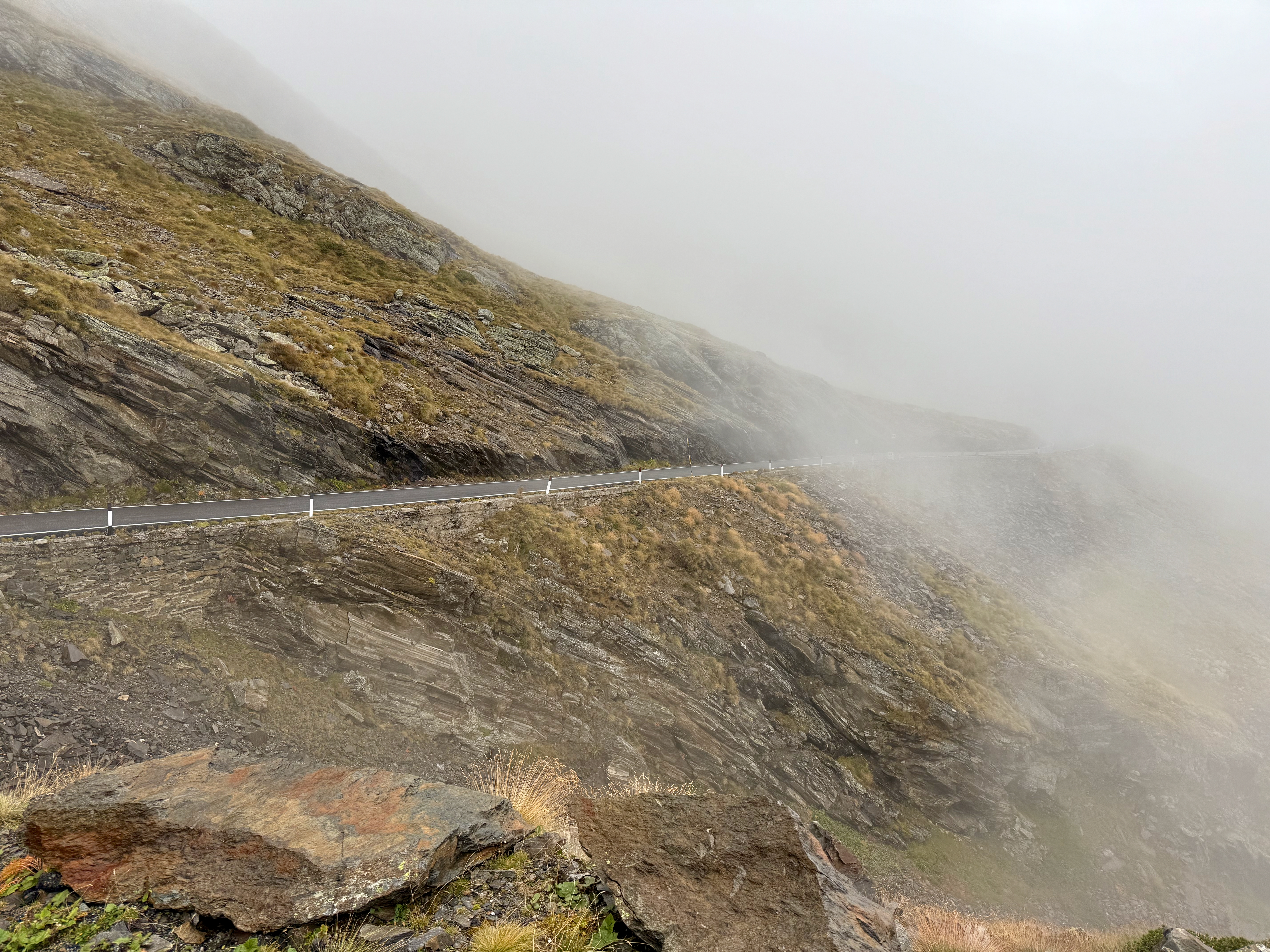
The map might indicate a viable route of travel, but if conditions change, what is your alternate course? What if we create scenarios where we navigate a different path or complete a project with instruments not usually at the top of our toolbox? Building versatility in a controlled environment might open new, more effective pathways and provide a greater impact. If we always take off and land on the same runway, then being directed to an alternate runway during challenging meteorological conditions is a big test of our capabilities. That is why emergency services and military groups drill various scenarios. They develop a mindset to handle the unanticipated.

How might we try new approaches while the conditions are stable? How might we engage skill sets that are not in our top ten daily practices?