wayfinding

Updating Beliefs

I posted about Bayes’ Theorem previously, but stumbled across the concept again from another direction. One line that struck me was the need for new evidence to update prior beliefs. It reminded me that one of the key attributes of remarkable team members is their ability to remain curious—to ask, ‘What else might this be/mean?’ before jumping into action.

How might we embrace new evidence as an opportunity, instead of feeling we have to make it reinforce decisions already made?

Assurance

Seeing a sign, marking, blaze, trail, or symbol that confirms we are on route builds confidence. Even with digital maps, receiving real-world feedback that our navigation remains correct is empowering.

How might we leave the right blend of clues and wayfinding symbols to help those who follow stay on course? How might we assess if we need to leave an uninterrupted painted line or if we need markings at appropriate intervals?

Friction

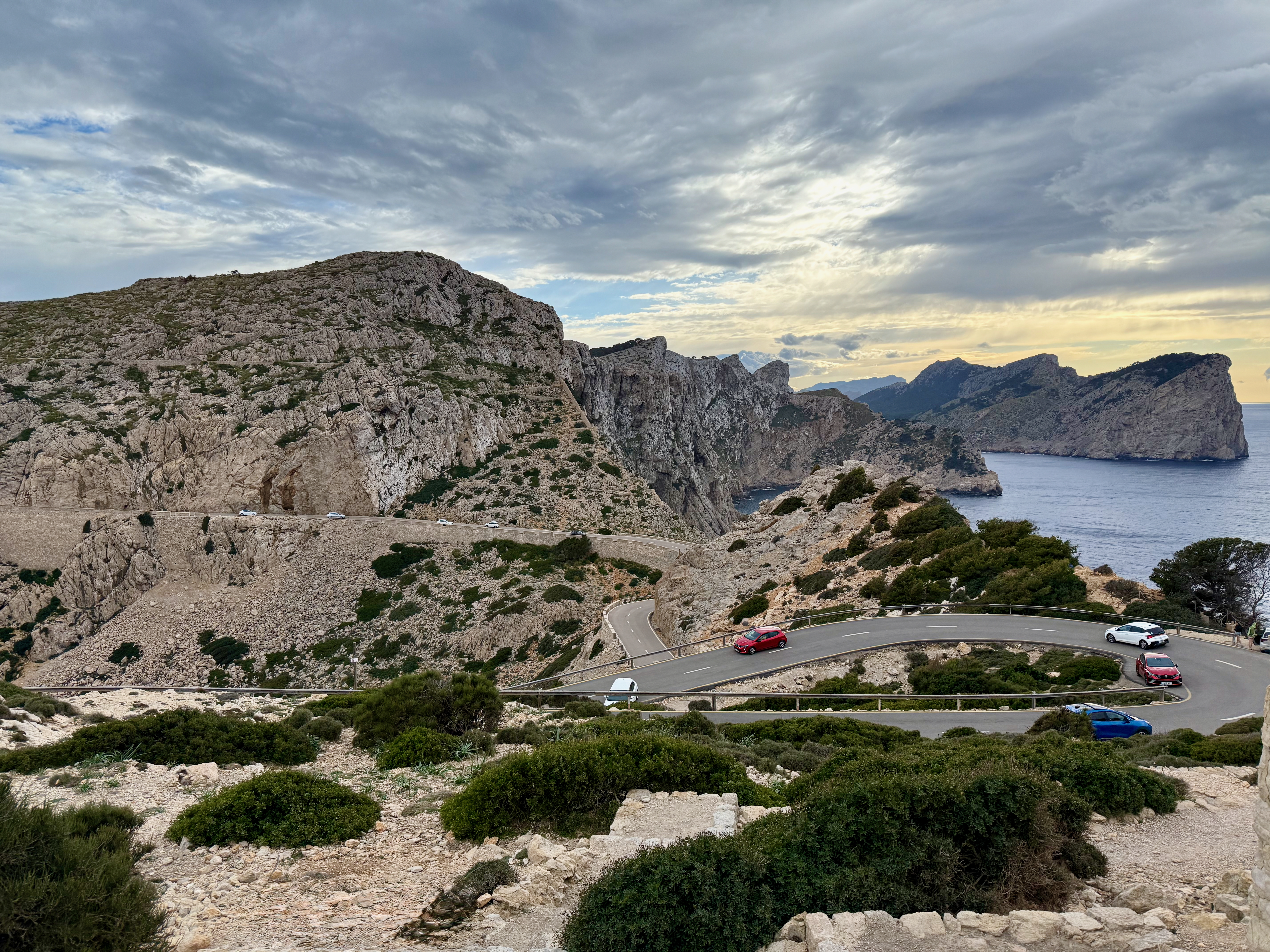
If every destination had an express lane and no traffic, we would quickly underappreciate the journey required to reach the edges of the map. Because of the switchbacks, wayfinding, and moments of confusion, we are forced to endure the moments of high friction. The liminal space between certainty and uncertainty is where our best stories originate.

Completely Safe

What was deemed entirely safe changed with more knowledge and time? What new information has transformed your understanding of reality? What everyday activities from your youth now make you reconsider adult oversight? How might we build in the ability to adapt and amend as new details reveal themselves?

A little more detail on the home Atomic Energy Lab.

Never Let Your Schooling Interfere with Your Education

A sample of school test questions listed online demonstrates that even those responsible for creating tests (exams) can get the answers wrong. It reminds us that despite implied and/or earned expert status, the knowledge/process source might be wrong.

Who are the authority figures that your enterprise relies on as sources of information, resources, funds, and/or accreditation? What happens when they provide incorrect information and/or make the erroneous assumptions? How has your team responded? What lessons have been learned? Is it an anecdote still being discussed, has the organization moved on, or was it catastrophic?