wayfinding

Progress

Progress, not perfection, is an insightful mantra. If we wait to act, curate our art too much, or wait for ideal conditions, we might sacrifice the opportunity to progress. It might feel safer to continue our edits, build another version, or seek additional feedback, but this may delay our chance to generate a more meaningful discussion. Of course, we must assess the risk. We can break the fear threshold if the possible outcome leads to personal failure and hurt feelings. If the user’s safety is compromised, it is best to delay until our concerns can be mitigated.

Control

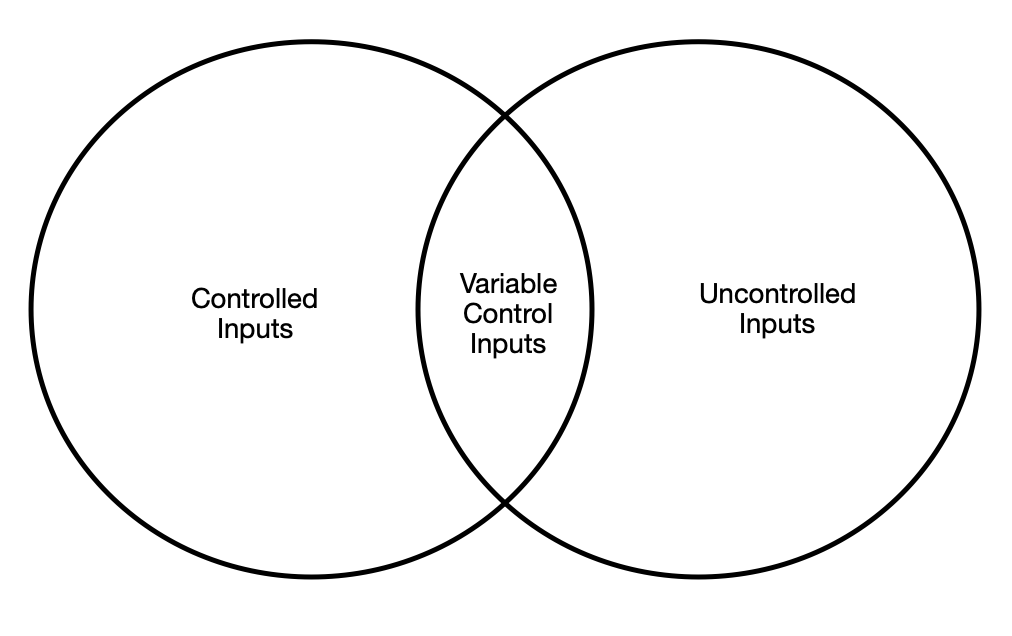
What can you control? What is beyond your control? What falls between these two categories? What if you took the time to map these quickly before your enterprise approves its next budget or decides on resource allocation? What if you started a generative conversation by adding Post-it notes to a larger template of the above graphic? How might our future discussions benefit from agreeing beforehand about what we control and what is beyond our influence?

Thru-hikers planning for one of the ultra-distance trail networks (e.g., Pacific Crest Trail, Continental Divide Trail, Appalachian Trail1, etc.) in the United States during 2025 are working on extensive details. They can control the gear they acquire, fitness level, re-ration boxes, and goals. They cannot control the snowpack, wildlife, availability of trail angels to assist them, or other trail users they will encounter. They have variable control over the distance they plan to cover, hiking partner(s), and probable scenarios encountered based on previous long-distance hikes.

A thru-hiker can spend most of their time on the controlled and variable inputs, leaving the uncontrolled inputs for evaluation as departure day approaches.

1Appalachian Trail Hurrican Damage Update

Amplifying “Can’t”

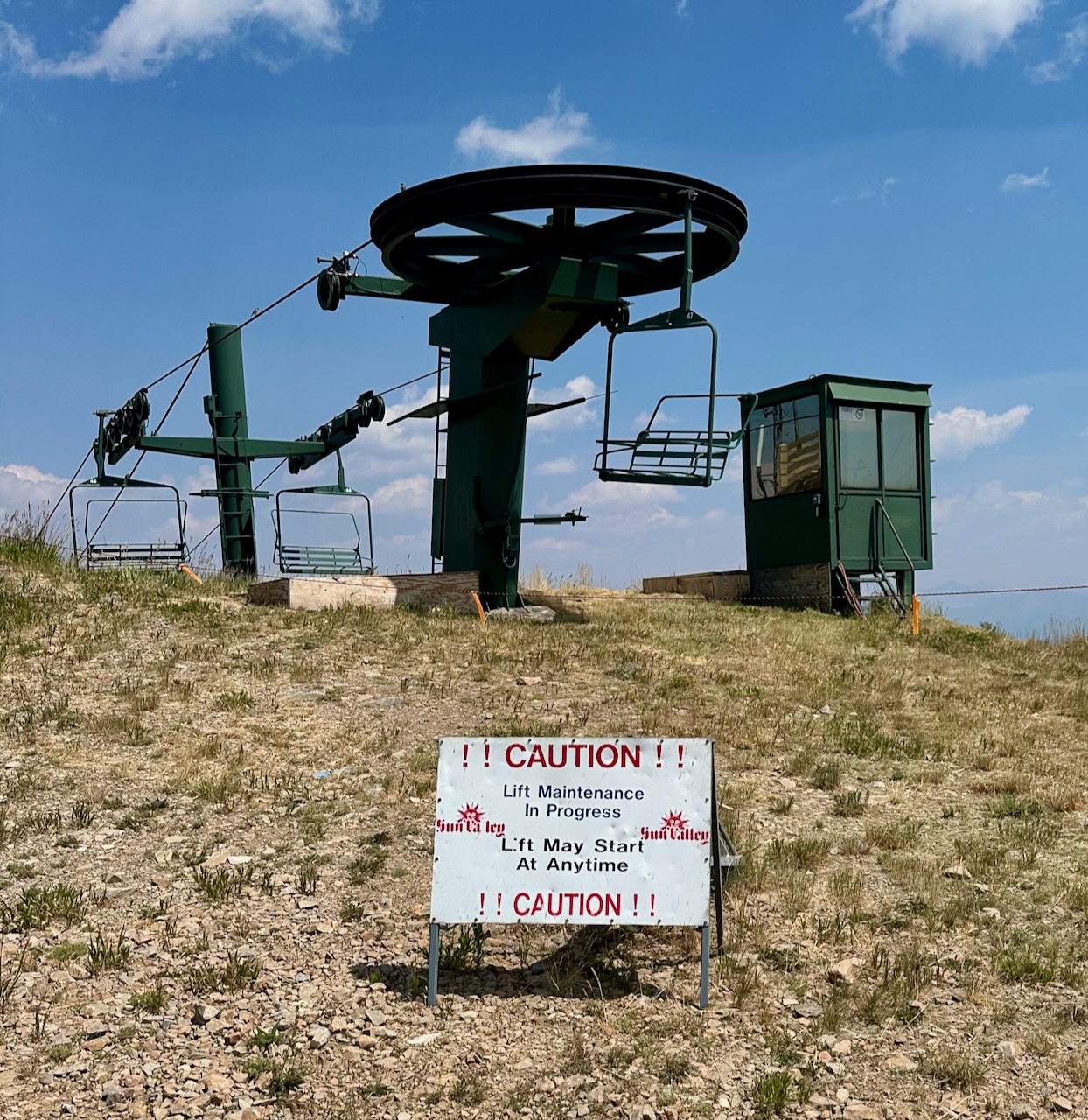
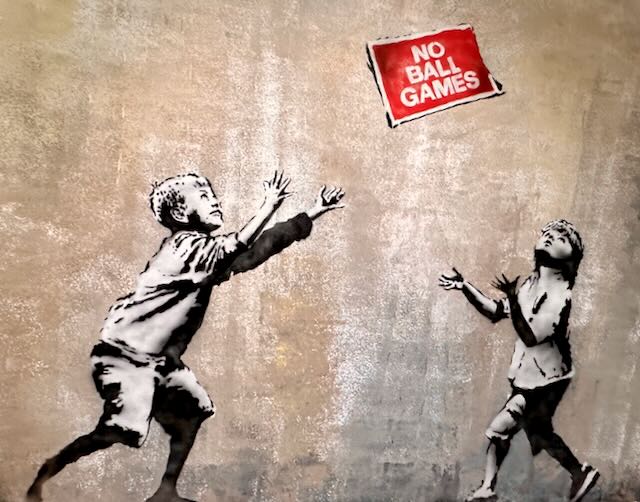
Does your mindset change if you are informed ‘you can’ versus ‘you can’t’? When we are restricted from taking action or proceeding, it may increase our desire to sample the mission we aspire to complete. I have often found more satisfaction in gaining access to an experience that started with ‘you can’t’ or a restriction and ultimately allowed access.

For example, an airport gate agent informing us that the boarding door is closed, and we are denied boarding, only to have the door re-opened to accommodate a crew member, and we are boarded. The flight feels like a reward. Reaching a closed trail which requires us to retrace our steps for miles, only to learn that a seldom-used side trail allows us to proceed. Or an endeavor that we are told we have not acquired sufficient experience to attempt, but we find a support team and complete the quest.

How might we recognize that our motivation may increase expoentially when we first encounter a barrier before we are able to proceed?

Wayfinding

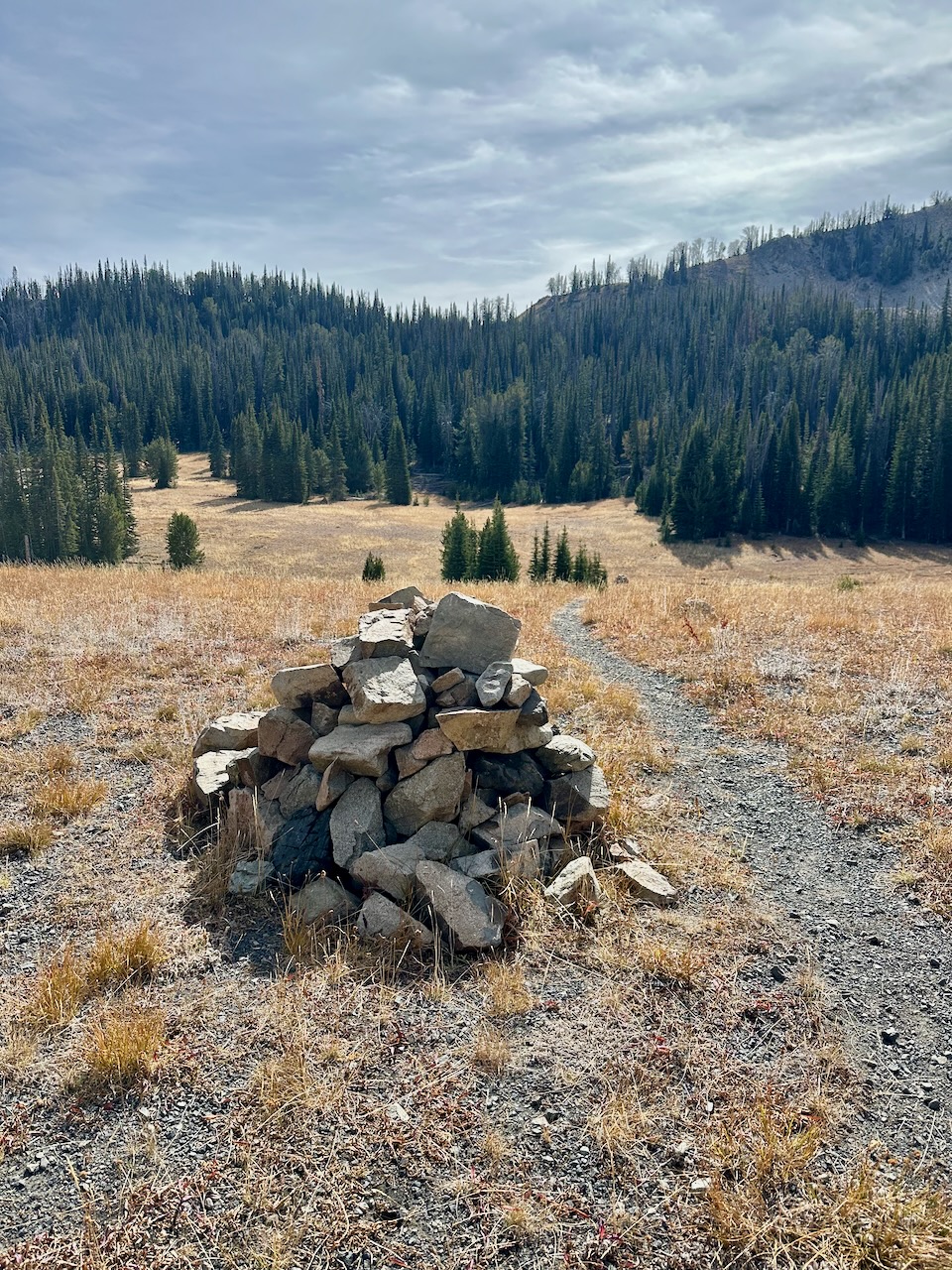
There is not a prescribed route during an orientation race. There are checkpoints but the terrain in between is navigated in real-time with decisions made based on glances at a topographic map and assessing the geography encountered. Wayfinding is a skill that is applied to the expanses we occupy at the moment.

How might we be aligned to checkpoints but not prescriptive about the route? How might we recognize that real-time information is vital to timely decisions? How might we not try to forerun the course when the event is unique to us?

Different Peaks

We are not climbing the same route. We might be mountaineering in the same range, or even ascending the same peak but from different approaches. When we compare ourselves to the progress of others, it is extraneous. Our focus and decision-making are best directed to wayfinding on the terrain in front of us. Keep climbing and once we summit, there will be another mountain to climb. Our goal is not to repeat what has already been done in the exact same order, but rather to find new combinations, unique approaches, and immerse ourselves in new experiences.

Relative

Speed is relative. When running on the promenade deck of an ocean cruise boat, we get a peculiar GPS recording. The ship’s forward momentum might be faster than our average pace, so we progress across the ocean, even when our run changes to walking or standing. Viewed by a passenger sitting in a deck chair, our running speed might be assessed at 8 mph. Seen by a lighthouse tender as the vessel passes close by, we are estimated to be moving at our running pace, plus the ship’s speed. Now, our relative speed might be over 25 mph.

How might we recognize our perspective is relative? We see things from a unique perspective, and our assessment is relative to location. What may feel fast, slow, big, small, daring, safe, lonely, crowded, remarkable, or average is relative.

Backlight

What perspective becomes visible when you add backlighting? How might we use different approaches to consider an idea instead of approaching from the same direction at the same time of day? If you head out on a night hike, navigate in a snowstorm, or work from poorly scaled maps, you experience alternate ways of traveling.

How might we occupy diverse vantage points at irregular times of day to see the terrain ahead in both ideal and challenging conditions?

Celebrating Halfway

How does it resonate if I celebrate running a marathon at the half-marathon mark? A half-marathon is an accomplishment, and on its own, the result would be worthy of sharing. However, in the context of a marathon, it is simply fifty percent of the work, and some suggest less than 50% of the mental and physical exertion. If we state the big goal, our progress bar is correlated to the total distance. Is it necessary to reach the finish line to celebrate the journey?

How might we understand the implications of announcing an ambitious goal? Is there significance in the effort if we do not reach the destination? Is exponential value delivered to those who complete the course versus those who commit to an effort and cease before crossing the line?

The Void

Flightradar24 is an excellent app for tracking flights. You might comprehend some consistent travel patterns by visiting the site enough times. For example, the flights departing for Europe tend to depart in the afternoon and fill the Atlantic routes as the evening progresses. Alternatively, FedEx and UPS aircraft dominate overnight as they sequence into their respective bases in Memphis and Louisville. Occasionally, an anomaly is visible. A disruption to the patterns that stands out, even without activating additional filters like weather or volcanic activity. A void forms. It is easy to see the pattern disruption as an opportunity, like an open travel lane during a traffic bottleneck. But upon closer inspection, we might recognize the barrier.

How might we not race into each opening, focused on getting ahead without evaluating the environment surrounding us? How might we seek the insight of trusted partners before acting?