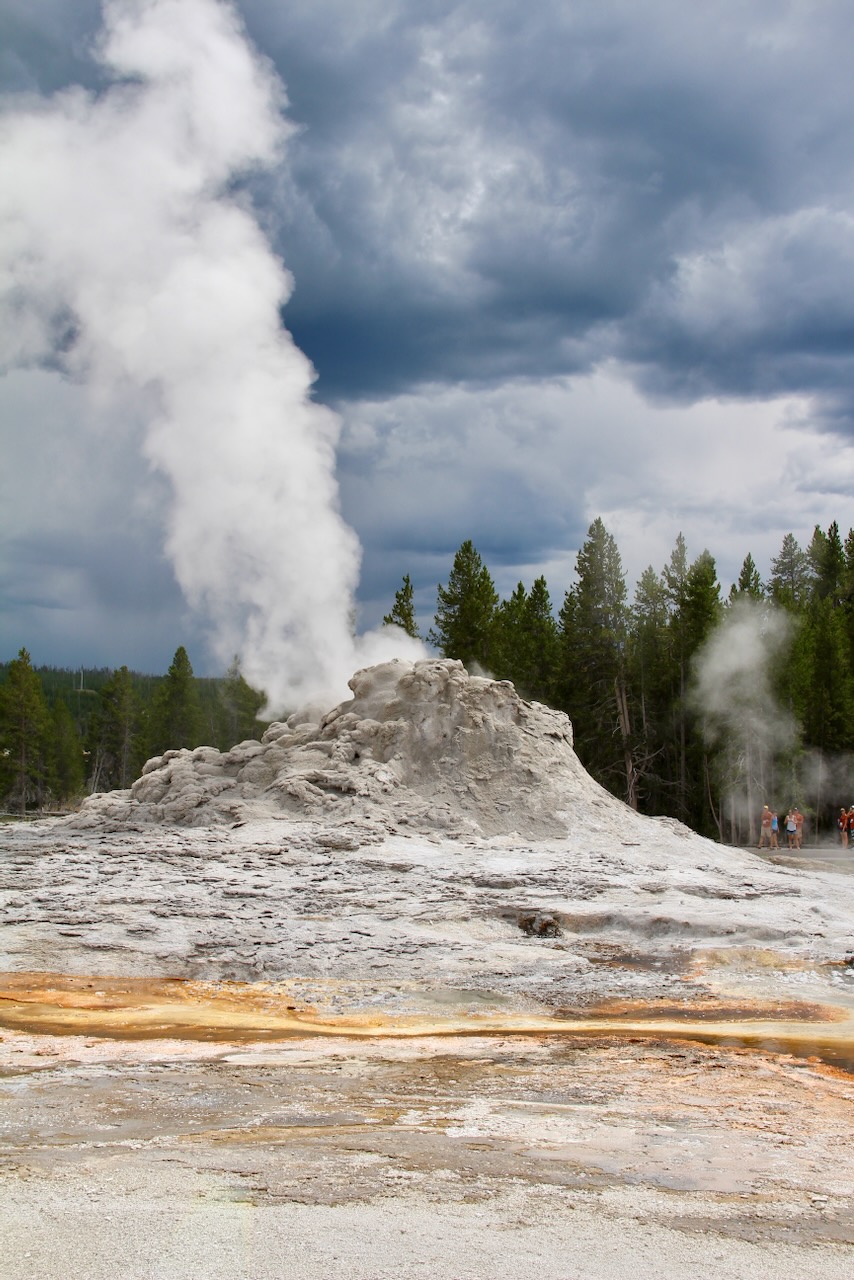
Static might be disruptive and aggravating. It can seize our attention and disrupt our regularly scheduled programs. It transforms how we perceive time. But, it might be the forerunner to a significant event or tectonic shift. How might we remain curious about moments of misalignment and uncertainty? How might we remember that those who came to the edge of the Grand Canyon or trekked into Yellowstone’s Geyser Basin felt doubtful until something unprecedented emerged?
wayfinding
Certainty
Are you more or less likely to trust a directional sign if it appears rickety and patched together? Is it safer to take guidance from a signal that appears in an original state versus one in a liminal state?
What opportunities do we miss when we forsake the uncertain? What risks do we avoid by staying on the main path? What resources are we willing to expend in search of something new?
Blazes and Scars
When does defacing a tree serve the common good? Blazing a tree was a common form of marking a route in geography where trees existed in abundance. A uniform combination of markings symbolized that this was human-made and intentional. It contained meaning and assured travelers that they were on an established trail.
Animals also used trees to mark territory, sharpen claws, or satisfy natural instincts. These markings may be considered scars, even though the animal kingdom might believe that these marks served a similar purpose to a human blaze.
How might we expand our mindset to remain curious about the features we encounter during our journey? How might we not pass up the opportunity to double-click on the unknown so we might add depth and dimension to our understanding?
Direct to the Destination
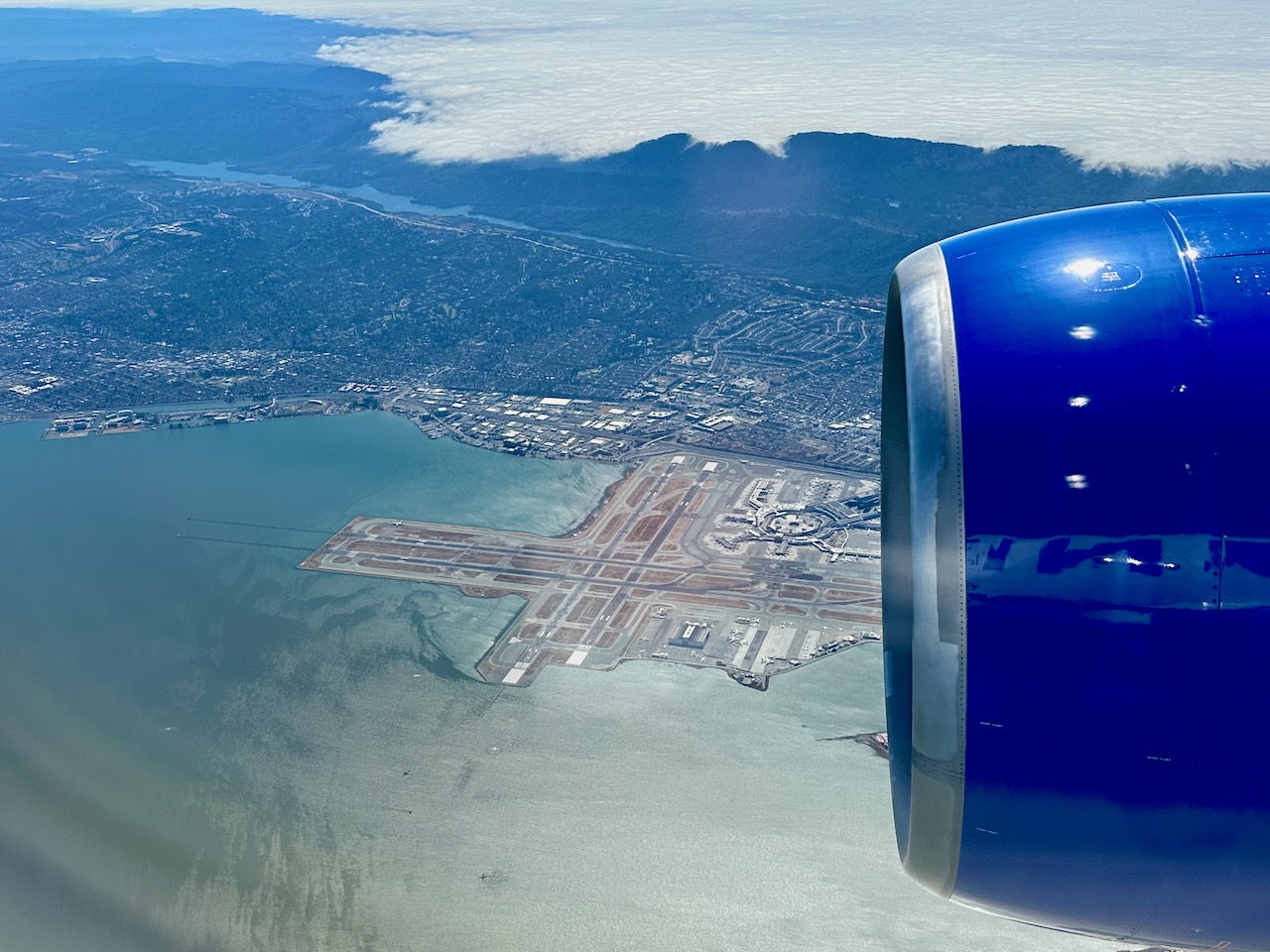
Technically, the pilots could turn the plane in the pictured scenario and attempt to go directly to the airport. The probability of a successful landing is extremely low. It is in the best interest of the plane, passengers, and crew that the flight passes the destination to line up on a final approach that is practiced, planned, and highly predictable.
How might we avoid heading directly to our destination when we are not likely to reach it safely (or with the intended impact)? How might we plan how to arrive, not just focus on connecting the dots between two locations?
Bus Stop
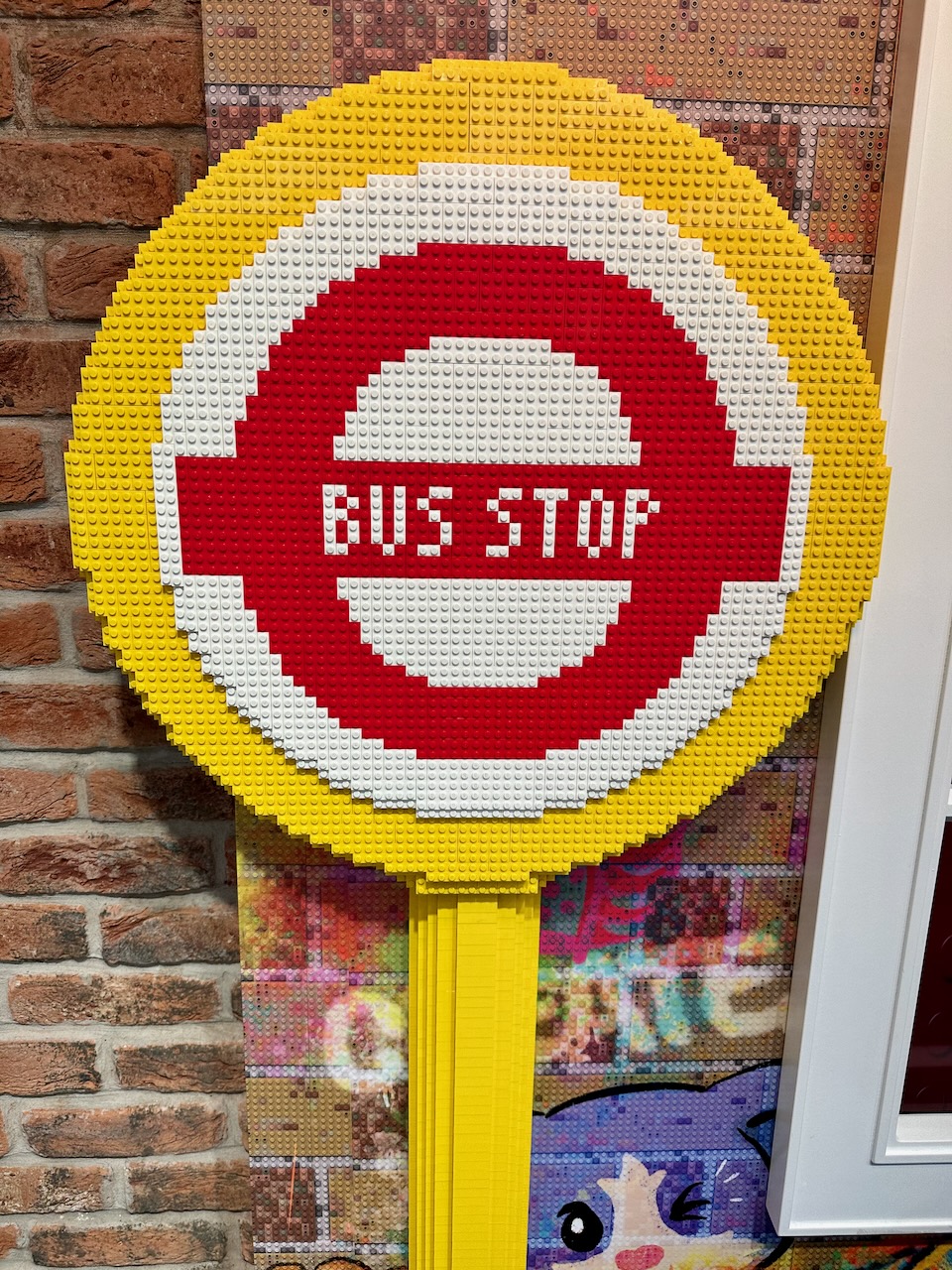
It is not convenient or realistic to wait to engage our fans on the shoulder of an interstate highway between exits. We are more likely to engage if we position ourselves at a bus stop (or any accessible location) where those we serve might be disembarking.
How might we assess if we are accessible to those we wish to support or if we have created unrealistic barriers?
A Tour
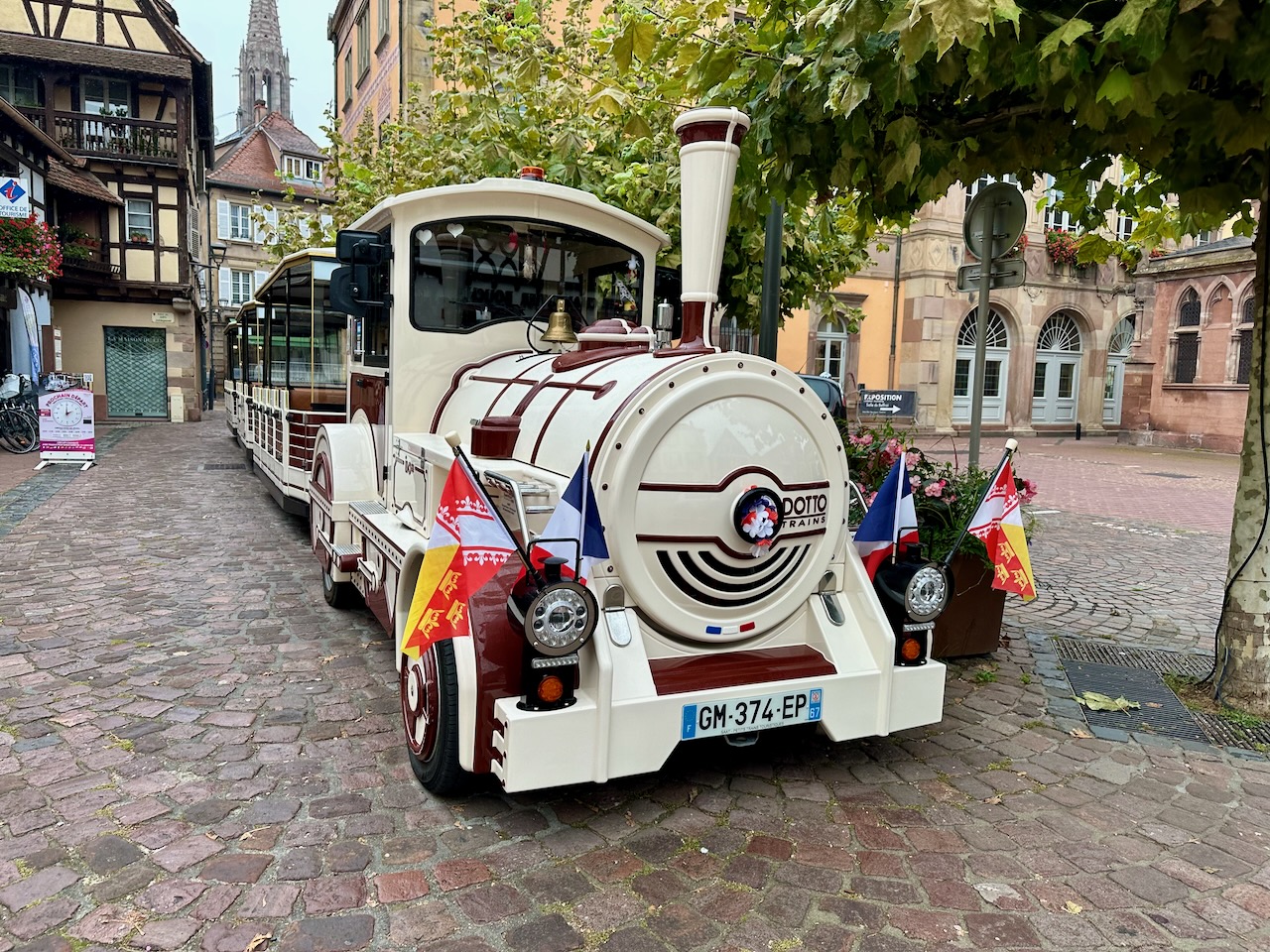
If you had an hour to take key supporters on a tour of your enterprise, which stops would you include? Who would narrate? Who would you invite as guests and as representatives of the cause? Would it be primarily sightseeing, or would there be an immersive opportunity?
How might we pre-plan our itineraries for those who wish to know more about how we serve so we are not just pointing and walking when the opportunity presents itself?
Minding
Together or Separate
When we share a Magnetic North (purpose, vision, mission, and values), it is easier to decide on behalf of the group if we arrive at an intersection first. If we are unclear about our compass, we will likely wait for the group to assemble before proceeding. If we consider generative questions when our environment is stable, we get clarity on where the boundaries exist for our team. We can forerun future events if we deliberate about unique situations our peers encounter. A culture of curiosity allows us to focus on the work that matters and guides our reaction when we find ourselves lost in the wilderness.
We cannot always be together, call a meeting, or wait for an answer. Periodically, we must act for the whole. A sense of shared purpose and a calibrated compass enables us to navigate, even in unfamiliar terrain.
Best Decision?
If you are a summer camp trip leader, taking campers into the wilderness for backpack, horseback, and fishing trips has many responsibilities. One of the primary objectives for any journey is the safe return of all those who sign up for the adventure. You and the staff must make numerous decisions starting before the trip departs (food, gear, medications, briefings, etc.) and continuing until after the trip returns (debriefing, medical reports, repair/return gear, etc.).
The campers are the priority for the trip leaders. However, you make decisions throughout the trip considering more than their desires. Campers might prefer to play Capture the Flag, but it is getting close to dark. The surrounding terrain is a rocky meadow ringed by a dense forest. The group is showing signs of fatigue, and you have been briefed that a black bear was recently sighted in the valley where you are camped. You might postpone the game to another campsite and suggest an alternative activity, or you might organize a quick round.
The best decision for maximum fun is to play the game; it might be the highlight of the summer for the campers. A potentially safer decision is to play cards and not allow anyone to leave the campsite unless accompanied by a staff member. This might disappoint the campers but mitigates the risk management exposure. Our decisions are influenced by who we are serving. As the responsible party, trip leaders might consider their training, what parents want for their campers, and how the camp’s management would respond if an incident occurred. Conversely, the campers seek to maximize the camp experience; they see the joy and happiness of a quick game in a remarkable setting.
We are continuously placed in situations where we must decide between options. The stakes of the decisions vary, and the impact of the outcomes ranges wildly. For monumental decisions, we may labor over a variety of considerations. For inconsequential choices, we probably grab and go. The more clarity we have about what we believe, what values are embedded in our cause, who we serve, and what impact we seek, the less friction, and we will get to the decision point quicker for significant choices.
Predicting the Future- Poorly
If we can predict the future, why did we schedule the gala performance on the night of an enormous summer thunderstorm?
How might we recognize that we cannot predict the weather and, therefore, probably cannot anticipate other critical future events? Perhaps we should leave space in our planning to adjust and reroute.