Work that Matters

Scale

Flying model airplanes is a passion for hobbyists. It is done on a scale that allows for smaller aircraft, and shorter runways and requires less restricted airspace. But it requires some of the regulations and precautions of a real airport.

Which parts of our work are performed on a smaller scale but still require attention to details that may not be obvious? How do we embed our values into each portion of our work, regardless if it is a mainstage or a pop-up performance?

Interpreter of Space

Who is your guide to navigating the terrain ahead? Who can interpret the spaces and blank spots on the map? Roadside attractions are easier to reach with their interpretative signs and pullouts. The landscapes that lack features often test our wayfinding skills the most. How might we prepare for the isolated and desolated sections of our journey with as much care as we commit to reaching the iconic summits?

Trail Companions

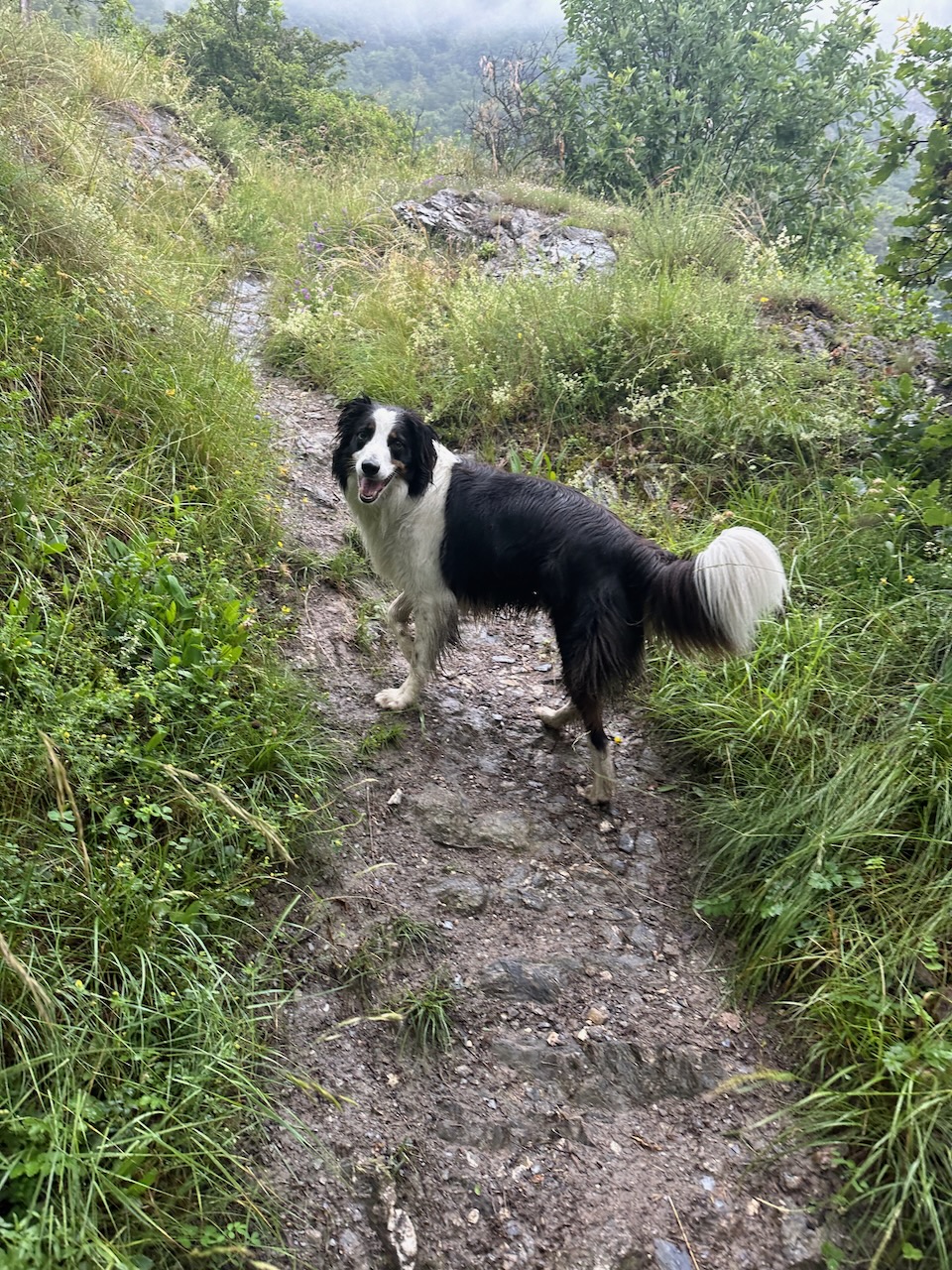
There are times when we select our trail companions, there are times they select us, and there are times when we happen to occupy the same section of the trail. I was running in the mountains when a dog decided to join me for a portion of my run. The adventurous canine appeared happy and confident, so I assumed good intentions. After a couple minutes of shared navigation, I noticed another trail user with an umbrella below me on the lower switchbacks, and the dog dutifully returned to their owner.

We do not always get to pick our partners while doing the work that matters. Sometimes, we join forces after strategic decisions; other times, circumstances compel us into a shared space, and occasionally, we just happen to be occupying the same point in our work (or organizational lifecycle).

How might we be open to all types of partnerships, not just the ones that primarily benefit us? How might we recognize that being a trail partner offers assurance to those who might have doubts or need a little inspiration to continue their journey?

Vision vs Visionary

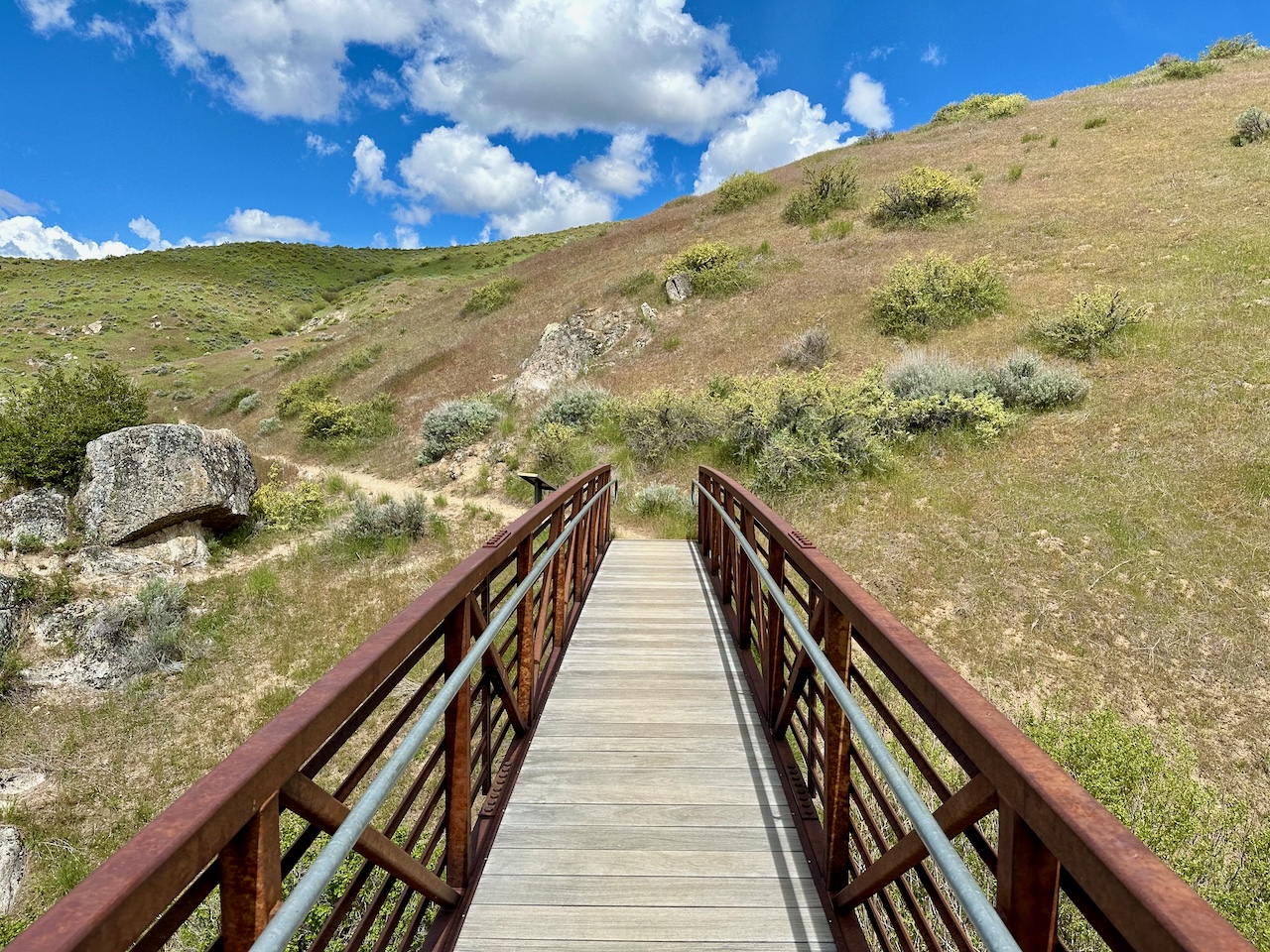
When the conditions are right, I can see the horizon line from the right viewpoint, and if someone designs a functional orientation point, I can align myself. However, imagining the future we are trying to create is harder when obstacles appear.

How might we provide the proper orientation for those we serve? How might we set people up for success? How might we provide a sense of the work that matters for those seeking to fuel our journey? One requires end-user empathy. The other relies on wayfinding attributes.

Specialty

I doubt many museums like this one exist in the Rhone-Alpes, France. It is unique and specialized. If this topic interests us, we will find a route to visit when we are in the region. If we are the specialists, we are afforded more latitude regarding location, hours, amenities, and posted reviews by those not closely connected at the super fan level. This is for a very select group. If you know, you know.

After the Hard Part

After you complete the hard part, then what? Do you stop and rest, or do you continue forward at a recovery pace? Can you accelerate on easier terrain, or is your journey finished? Tour de France riders do not call it a season after three weeks of bicycle stage racing. They move on to the next round of events (World Championships, Olympic Games, Vuelta Espana, etc.).

A way to distinguish ourselves is not by completing the hard section but by our actions after cresting the headwall. A social sector organization that completes a capital campaign and then goes silent is remarkable for not being able to double-click on its campaign’s impact. An enterprise that goes viral for a compelling story and continues to make that event its sole highlight reel for successive years is the equivalent of riding off into the sunset.

How might we plan for the crux move and the terrain that follows?

Rebuild vs New Build

When do you rebuild, and when do you build new? If you are Scenic Hudson, committed to making a transformative investment in Poughkeepsie, NY, you rehabilitate an old Standard Gauge factory into your new headquarters. Building new would have been less expensive, but this project is the most significant undertaking beyond the expansion of a prison complex next door. The location is uniquely positioned at the junction of old railway lines and on the eastern terminus of the Walkway over the Hudson. The site is under construction and led by local contractors and the Mass Design Group.

How might we invest in our mission even when it costs us more resources in the initial phase? How might the long-term impact of our work resonate for our enterprise and the community while preserving a part of the community’s history?

Daily vs Random

Posting a daily blog is a ritual, but the content is not always of the highest quality. Some days, a personal photo drives the content; other days, the content is the foundational element. The frequency of posting is less certain if I only post when the ideas achieve a higher threshold. I toggle between two approaches, balancing the work that matters with what is observable now.

For some readers of the blog, the reliability of new content is important. Another segment desires ideas and resources that impact their specific work. Some visitors only find the blog through a keyword search. Occasionally, I generate traffic when I present at a conference and put materials on the resource page, allowing attendees to return to the most helpful documents. The metrics of engagement for the blog are inconsistent and rarely correlate to the post of the day. When I look at the totality of impact over the past ten years, there are larger numbers that feel rewarding. When I review the statistics on a slow day, it can feel lonely. But I continue to post because it provides me a bridge to reach out and hopefully set others up for success.

Pressure

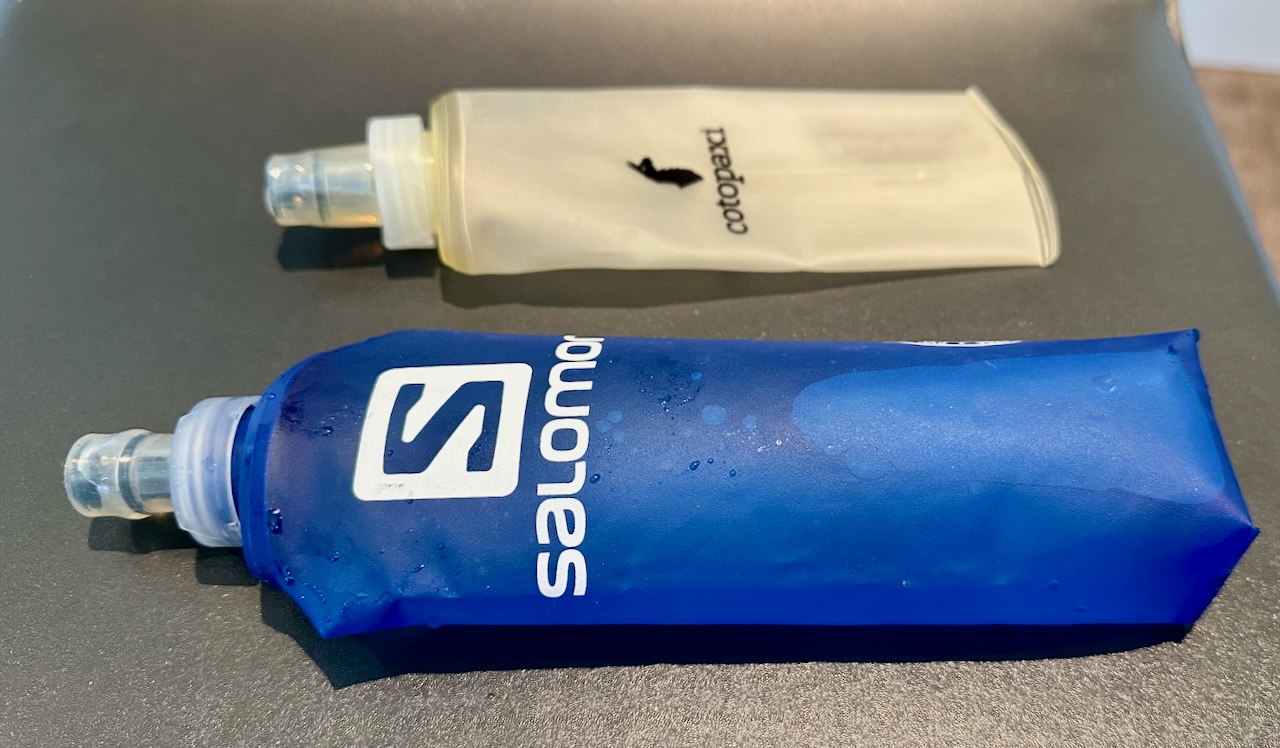
Running with a water flask when full is easy to hold and drink. After a couple of sips, the flask becomes more difficult to secure in my hands and requires either a gravity assist or some external pressure to generate a sip. If I fold up the empty portion of the flask, like rolling up a tube of toothpaste, I can return it to its original form and easily carry and drink from it.

How might we think about the parts of our work best amplified by pressure and those that tend to fail under strain? How might we manufacture force to strengthen our impact, and where might we ease off exertion?

Standardized Tests or Essays

Have you worked on a project where the answer is known and the goal is to complete the project in the right order? Have you engaged in solving an interesting problem that has various possible answers? Seth Godin’s Akimbo podcast provides context for the interesting problem paradigm.

Some of us excel on the bubble sheet test, while others thrive with the essay option. Knowing the medium we are being asked to engage with may help us accept or decline the invitation to join the expedition.