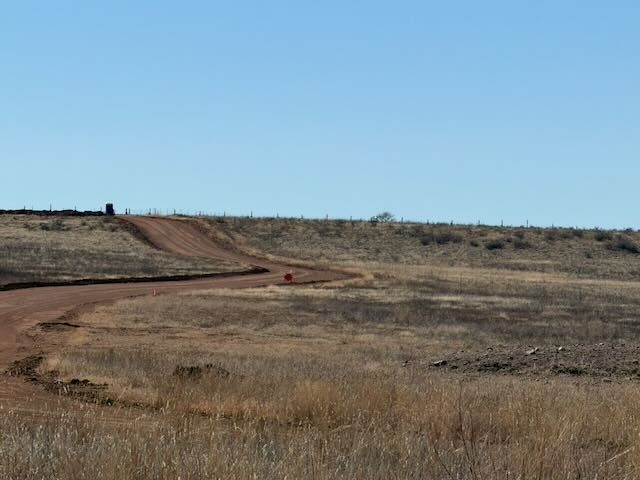
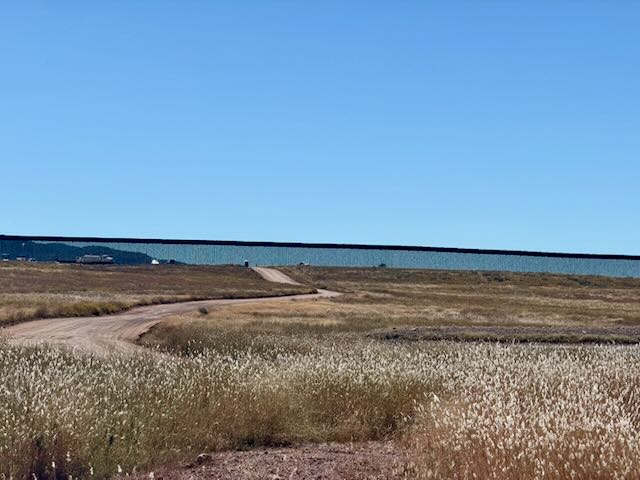
A gravel bike route I have ridden over the years paralleled the United States-Mexico border. The border was a barbed-wire fence, and it was hard to distinguish unless one got within a few feet. On a ride this month, the border is now demarcated by a thirty-foot fence.
It would be easy to assume that this rural tract of land would remain relatively unchanged, as it has for decades. The wall’s construction has altered the landscape and several variables, including how the border is monitored and secured, migration of wildlife, view corridors from border-adjacent ranching communities, short-term economic impact of a federal construction project, improvement of dirt roads to support construction vehicles, increase in visitors, more media attention, among other changes.
When we plan, we often defer to the sense that things will stay the same unless we feel the impact of change in the current moment. One argument for asking generative questions is that they let us consider alternate possibilities without the tension of finding the answers: What else might be true? Who could be affected? What would change if this constraint disappeared? What might we be missing? Considering alternate realities offers a pathway to avoid adopting a ‘fixed mindset.’ Just because you purchased the Lego set that contains the pieces to construct the Magic Kingdom does not mean you are restricted to just one outcome or version.
How might we remember that the work we do matters, and that it is not easy because the conditions are constantly changing?

