
What can you not achieve alone but can achieve with a coordinated team of individuals? When we organize, we achieve much more than we might have anticipated. What act of teamwork has surprised you?
What can you not achieve alone but can achieve with a coordinated team of individuals? When we organize, we achieve much more than we might have anticipated. What act of teamwork has surprised you?

Somebody took an activity too far at some point, and now there is a rule that nobody should do the same thing. What is the ‘too far’ incident in your enterprise?

When we construct items differently, they might engage us more than the real thing. What have you built from materials that are not typical?
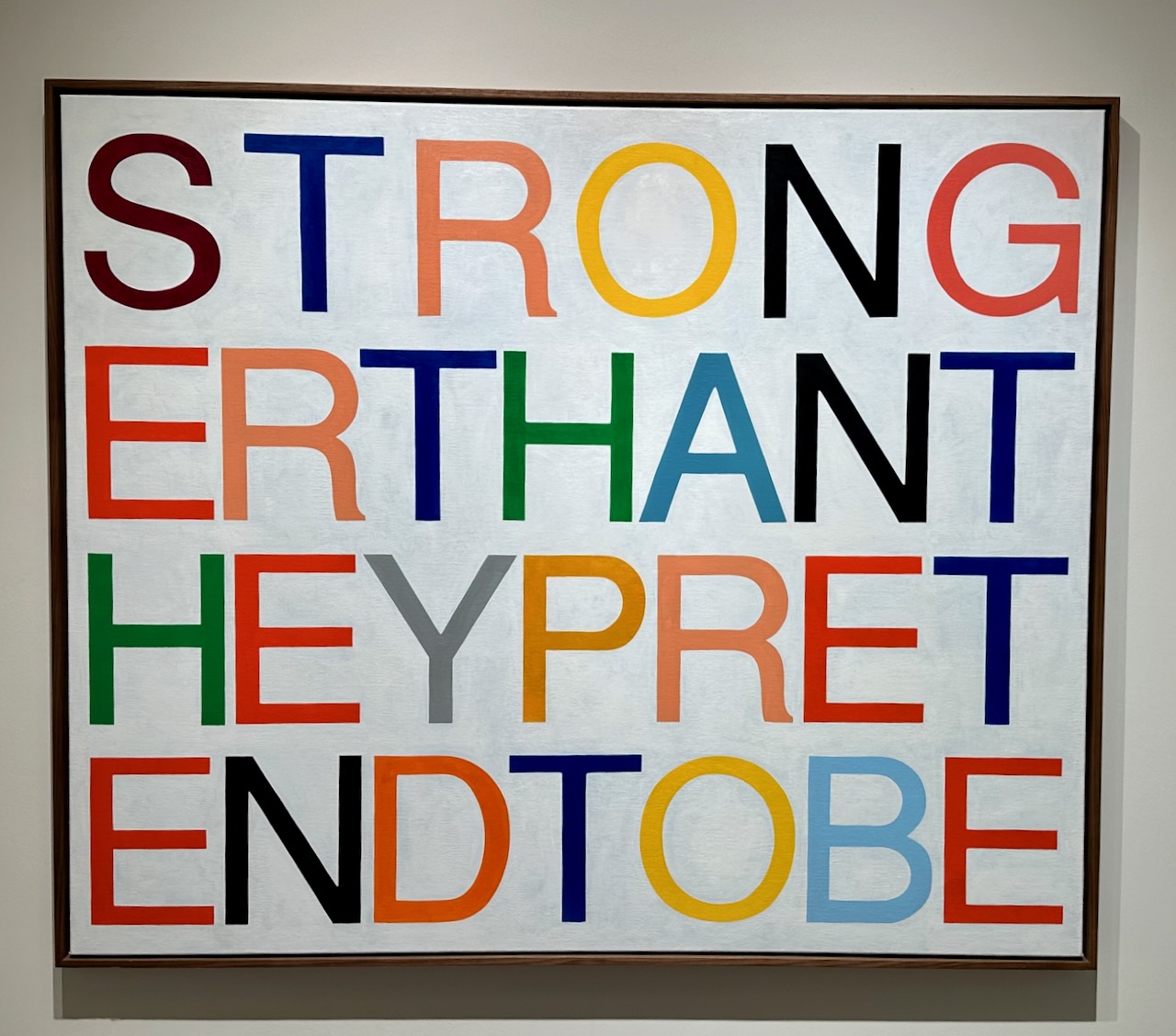
What do we think we are communicating perfectly, yet it does not appear evident to our fans?
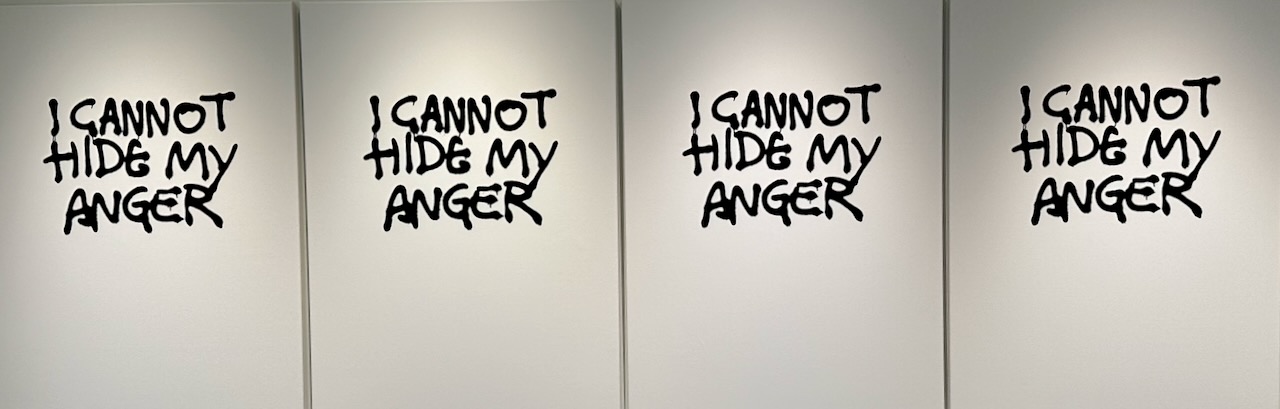
What raises your anger that it cannot be hidden? How does that define us?

What is the master key that opens the most important doors/locks in your enterprise? If you had to take only one key, password, network, or connection with you, which would you grab?

Barbie: The Exhibition is currently on display at the London Design Museum. It is a retrospective of Barbie’s life from her invention in 1959 to the present day. One of the palpable parts of the experience is how many adults find themselves reliving their childhood as they walk between the galleries. Common refrains include,’ I had that Barbie, my friend had that outfit, we still have that Dream House.’ There is a combination of nostalgia and renaissance, aide by the return of Barbie to a greater social consciousness after the Barbie (2023) movie.
What history connects your fans with your enterprise. Is it a person, event, program, decision, structure, critical communication, disaster, or service? What focuses your fans on the events of the past?

When is a piece of infrastructure more than its utilitarian function? When do we deem a structure to be remarkable or notable? Tower Bridge in London is one of many bridges on the River Thames. It is not the only one with history, royal initials, and adjoining key landmarks. Yet, this bridge is viewed more as an iconic part of the city than a functional crossing over water.
What, if any, parts of your organization achieve ‘more than’ status?

What is the difference between being an icon and being famous? Today, I saw a YouTube star while I was visiting a museum. The YouTuber has interviewed some of the most popular athletes and celebrities. I would consider them famous. A short walk from the art institute, I saw a mural of William Shakespeare. I would suggest that he is famous and iconic.
What is your definition of the two terms? What does the Venn diagram look like if we mapped out the two terms?

Minding the obstacle may be a full-time or periodic process. How do we set people up for success when it is needed most?
 What-if-concepts