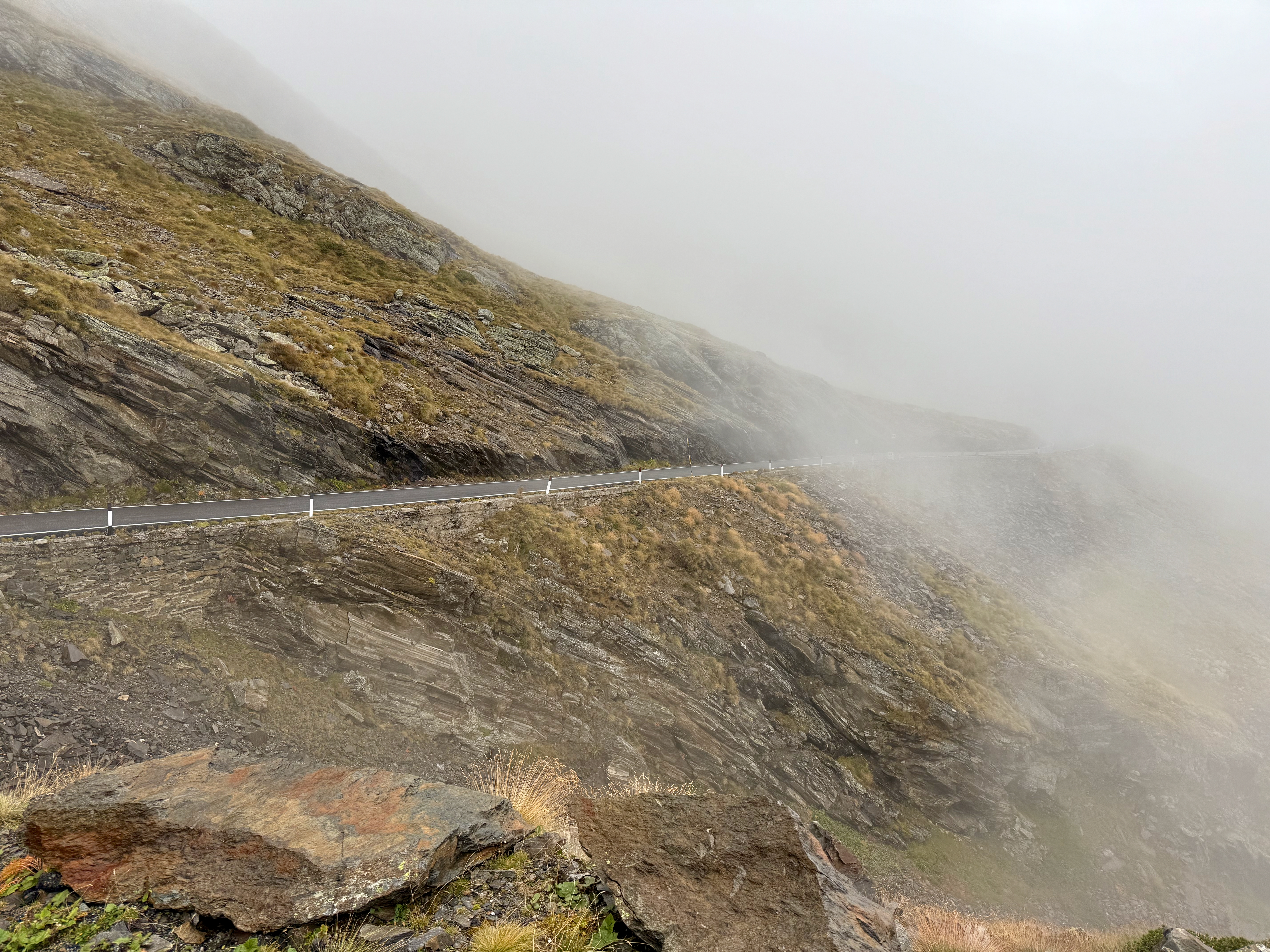
When your journey encounters visibility challenges, what gives you the confidence to continue? When we are unsure of what lies around the next corner, are there techniques and mindsets that offer reassurance?
When your journey encounters visibility challenges, what gives you the confidence to continue? When we are unsure of what lies around the next corner, are there techniques and mindsets that offer reassurance?

Where we place a bridge reflects our priorities. We cannot build a bridge over every obstacle without a massive amount of capital, so we must select the places where constructing a bridge makes the most sense. How might our infrastructure investment have the greatest impact on those we serve?

If you are hiking a mountain trail and come across a sign marking the distance to the destination (or the number of switchbacks remaining to the summit), is there a total that is too overwhelming to consider? Does the knowledge of how much work is left become discouraging if it is too much/many? On occasion, we might believe we are setting people up for success by marking the intervals, but in fact, some individuals find the information supplied to be discouraging. How might we mix sharing what we need to share with a confirmation of belief in those who are mid-journey?

If we claim the core value, “we treat everyone with respect”, then we must act even when it causes disruption. We exist in the risk management business. Our goal is to keep those we serve and our organization in the game, not haphazardly orchestrate the final rendition of our program just to entertain (unless we have achieved our vision).

Eggshells in the wild are a byproduct of a transformation realized. A new lifeform has emerged and is living a narrative informed but not contained by the egg.

Staging an event is a critical part of the play. It adds depth and dimension to the production. It can accentuate or distract. How much effort do you put into staging your presentation? Does it add value to those you serve?
Why does purpose matter? If you are building a castle, knowing its purpose yields dramatically different features and results. Are you defending? Entertaining? Controlling a harbor? Making an architectural statement? Each version shares iconic similarities but adopts critical elements that amplify its purpose. Knowing who you are serving changes the focus of your work.




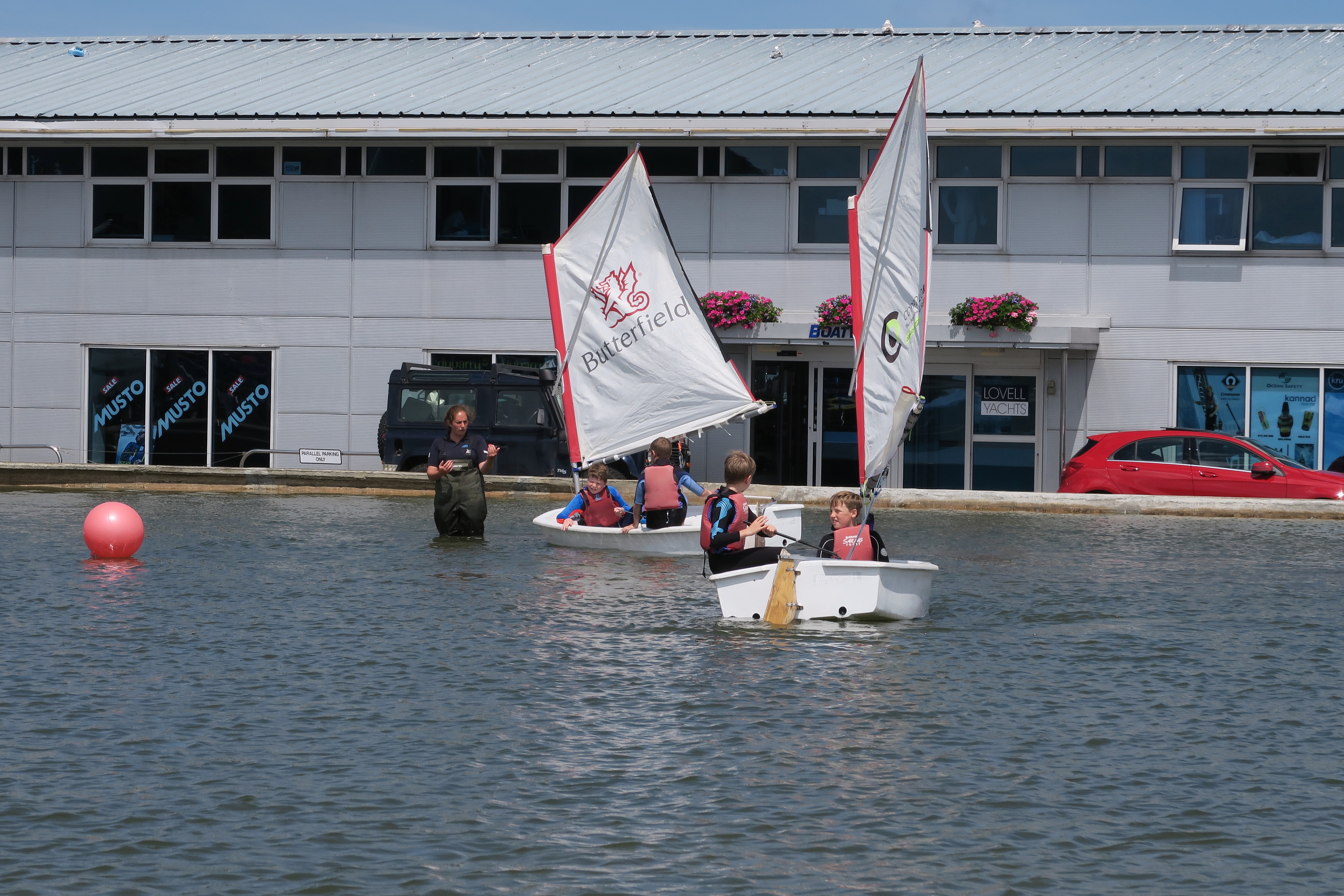
Where do you go to practice your craft? Is it accessible to encourage the development of fundamental skills and provide the opportunity to try new progressions? If we are encouraged to do this for a new hobby, why not have a similar setup for the places we serve? Where are the training grounds for board members and volunteers? Where can we gather to practice, learn new skills, and attempt innovation?
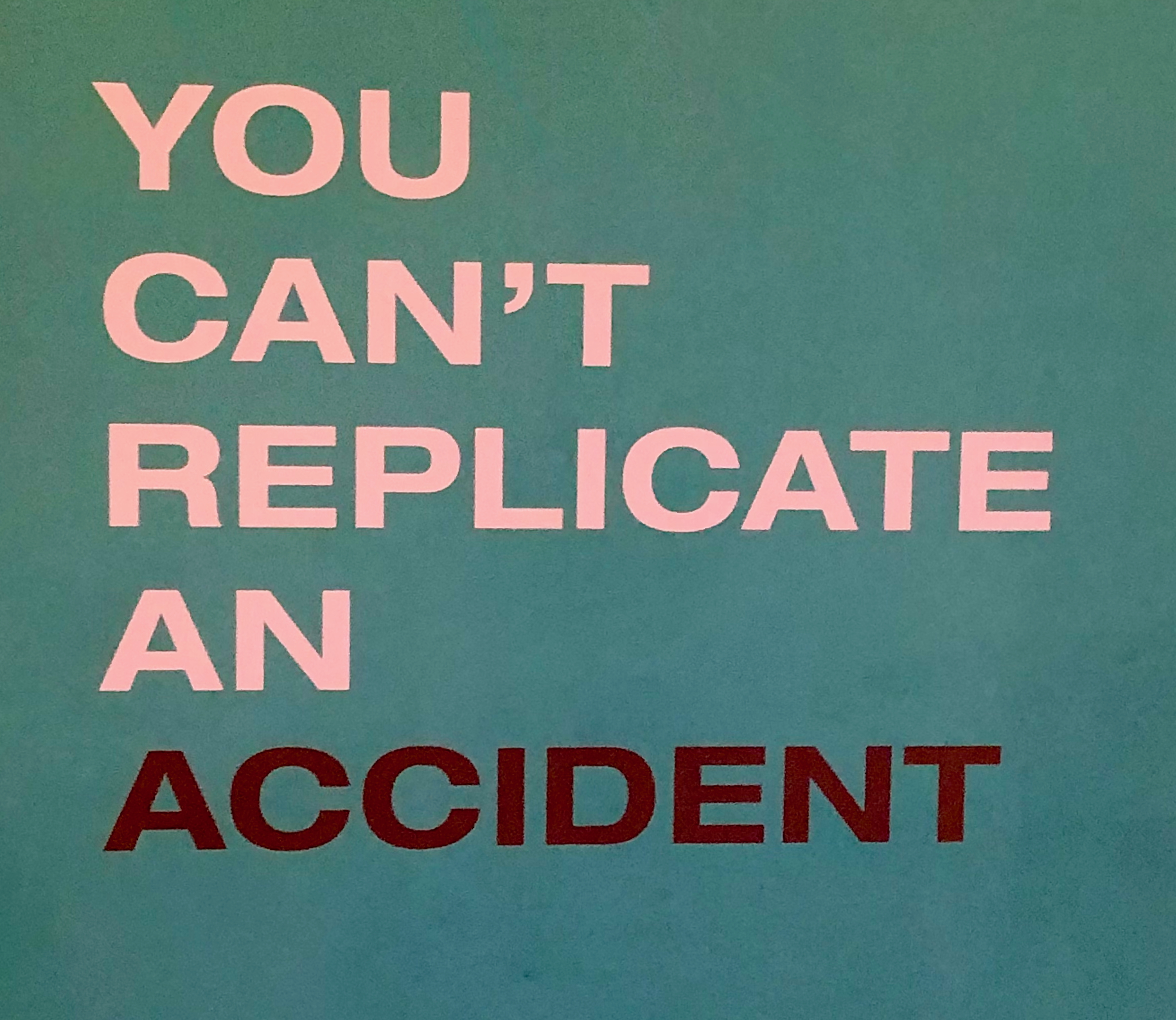
Are you trying to replicate your competitors’ superpowers? Or, have you reviewed what your competition does less well and maximized your talents in those places?

If forced to navigate a squeeze section on a trail, what would you take with you? What would you leave behind? At what point do you look for another route, since the resources sacrificed are too important?
 What-if-concepts