
We might possess the right vehicle, but without superior traction, it may be a showpiece when we encounter challenging conditions. How might we match the set-up of our transportation with the conditions we confront?
We might possess the right vehicle, but without superior traction, it may be a showpiece when we encounter challenging conditions. How might we match the set-up of our transportation with the conditions we confront?

In the Netflix series Queen’s Gambit, Jolene tells Beth, “I am not your guardian angel. I am not here to save you; I can barely save me. I am here because you need me to be here. It is what family does.”
Who are you here for? Who is part of your family? Otherwise, we are rescue beacons waiting to be activated.

There are dog bones or selections of specialty dog bones customized to satisfy your dog’s cravings. So often, there is a comfortable but crowded space in the middle and a vacant frontier on the edges. Which geographic region are you seeking to occupy? Do your stories and actions match up?

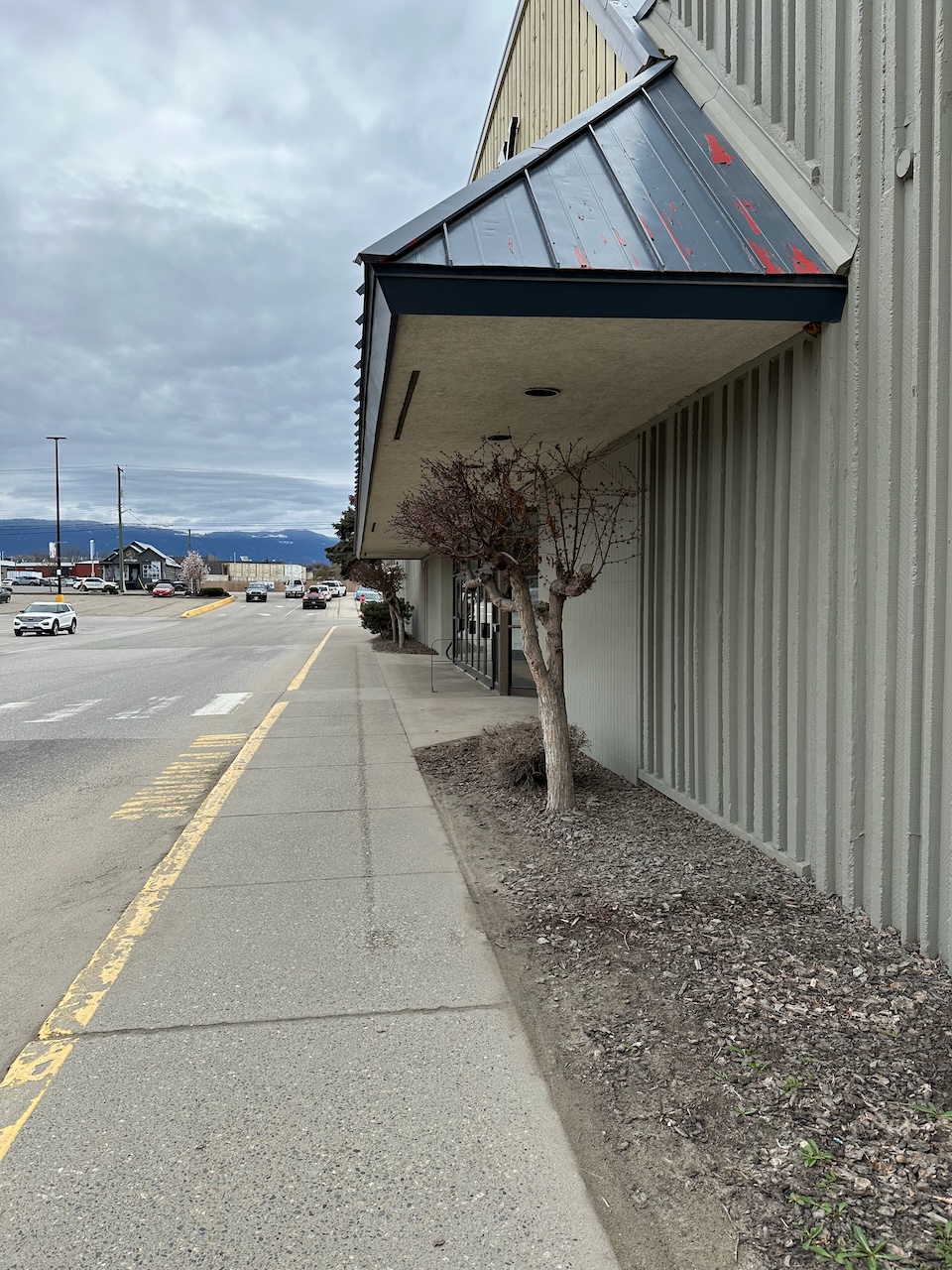
We tend to make an impact when we commit to repeated actions. Take a drip line from an overhang; the constant recurrence of water droplets falling onto cement leaves a dent. It is convenient to believe that we are doing the work that matters, but our actions may be inconsistent or applied to the surface that does not benefit from our emphasis.
How might we ensure our work has the planned results?
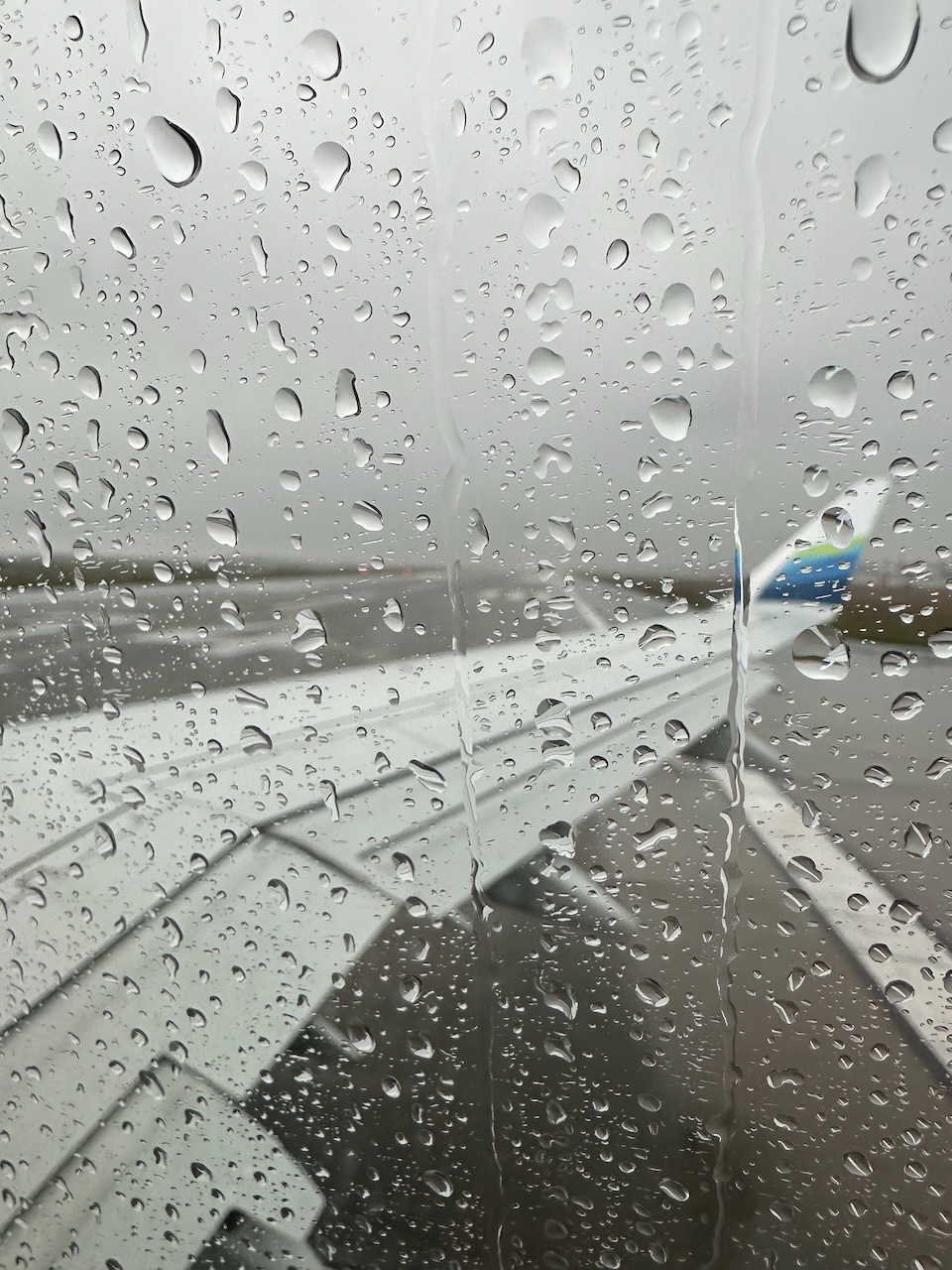
If we rely on visual aids to operate our enterprise, we are restricted from functioning in challenging environments. If we have invested in more sophisticated guidance systems, we can launch our programs even when we cannot see the horizon.
What navigational aids does your cause utilize to remain oriented during tumultuous conditions? What has worked, and what has failed your team?
Emergency service agencies require routine equipment checks to ensure the vital gear for a response remains operational and accessible. If we leave our Emergency Operating Plan in a binder on a shelf and wait for the emergency, we may learn there are unintentional gaps. Facilitated scenario training may be the wisest investment your cause can make to practice and learn in a controlled setting.
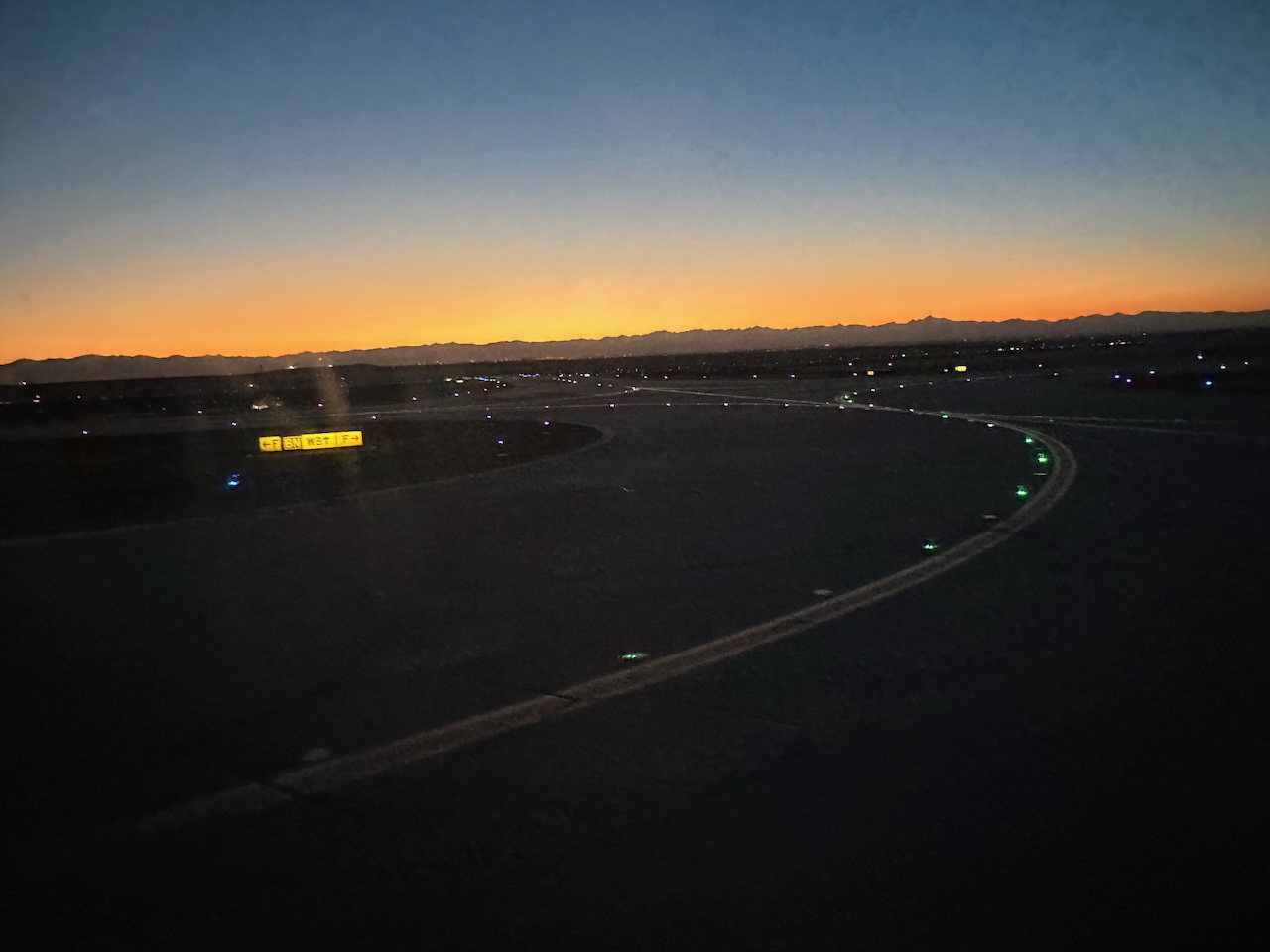
Are you more enthusiastic about the route or the horizon line? Does the idea of travel or the destination resonate more? If you could time travel to the journey in progress or the arrival back home, which would you select? Knowing our preferences influences our mindset. Our mindset prioritizes which aspect of the adventure we deem most important. All of these aspects will allow us to put our signature on the way forward.

What are you building? Do you have plans, or is it more of an organic growth situation? How do you keep your fans apprised of your progress? When do you bring them into the conversation, at the inception of the idea, the grand opening, or somewhere in between?
How might our building project enhance our relationship with the community? How might we position and activate it so that the neighbors embrace the noise and disruption since they understand the impact of the final product?

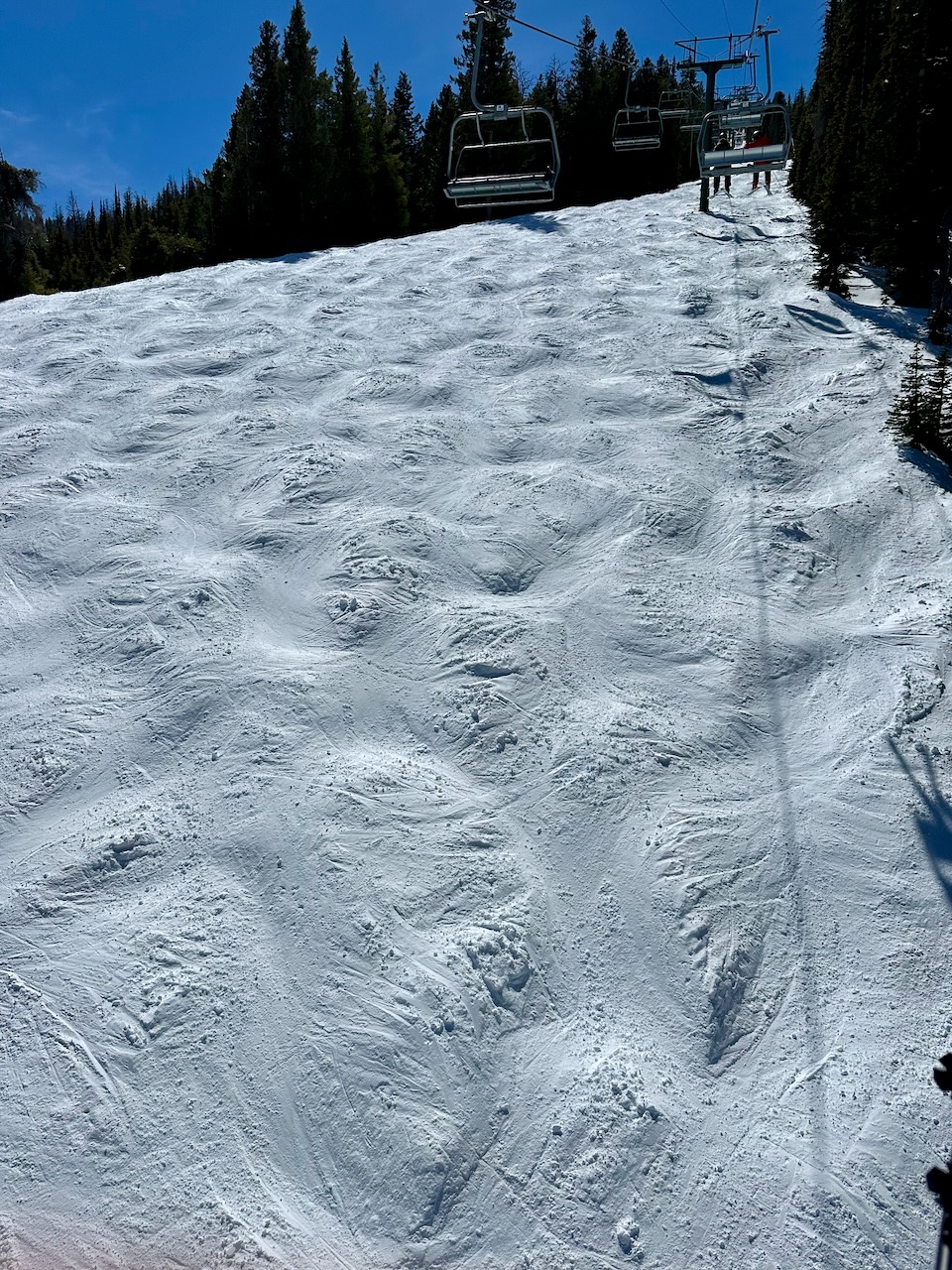
If we make real-time decisions, be aware of our mindset and the moment we decide. No skiers were riding the chairs in front of me, there was no snow on the south slopes, and nobody was skiing the mogul run below the chairlift. A good observation in real time might be that it is time to shift the ski area’s operations to a minimal viable status. The snapshot does not capture that both photos were taken in the last minutes of the ski day for this part of the mountain; everyone had departed or was exiting via other runs.
How might we balance the long view with the immediate facts? How might we remain more holistic when there is a variance in the budget, a blip in enrollment, a change to a donor’s giving habits, a shift in how board members attend meetings or a disruption experienced by a peer organization? How might we prioritize a culture of curiosity over the desire to fix the immediate issue?
What fact do you know to be true? Have you confirmed the hypothesis? I know gravity is a generally agreed-upon truth, but I do not completely comprehend the science and mathematical equations that prove its existence. When I run, I expect my feet to reach for the ground and strike with some level of force. My gut senses this before my brain.
When approached to support a cause and an organizational advocate starts with data, I often ask them for their story about how they got interested in the work. Enter the engagement with a narrative and shift to confirmation with facts. For this reason, I commence consulting engagements with Magnetic North, which involves the articulation of purpose, vision, mission, and values. My experience has confirmed most participants show greater attachment to the purpose and values because those articulations better capture emotions. The vision and mission trend toward factual representations.
How might we embrace emotions, even when we retain overwhelming research that confirms our impact?
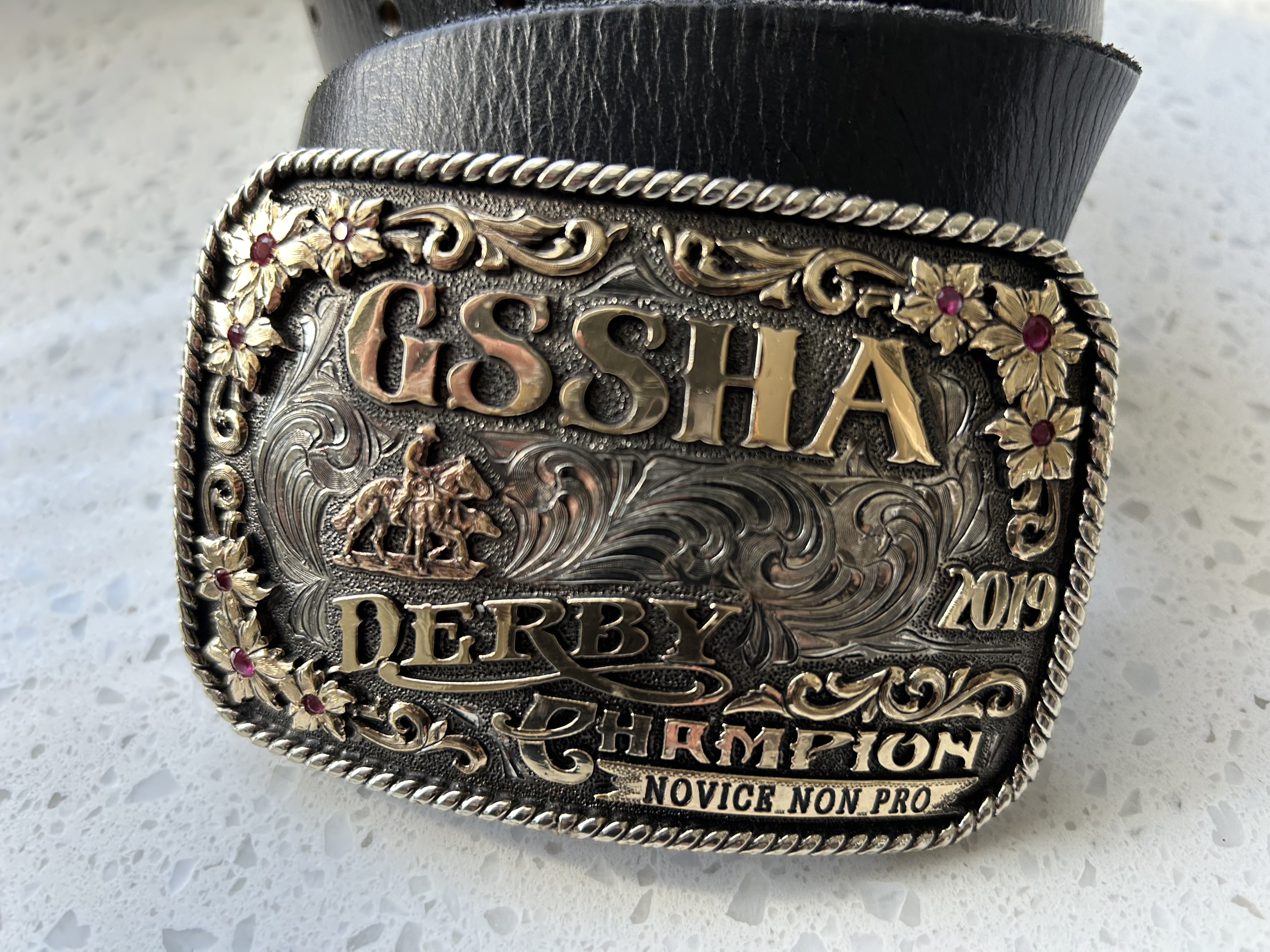
The American West cherishes a good belt buckle. It is even more admired if the buckle is won in a competition such as a rodeo, futurity, or pleasure horse event.
If you presented your team with the outline of a blank belt buckle on a sheet of paper and asked each to create a customized drawing or representation of your cause, what designs might be developed? In facilitating this exercise in organizational retreats, I have witnessed some remarkable results with symbols and icons that range from iconic to obscure.
Consider this icebreaker at your next retreat.

 What-if-concepts