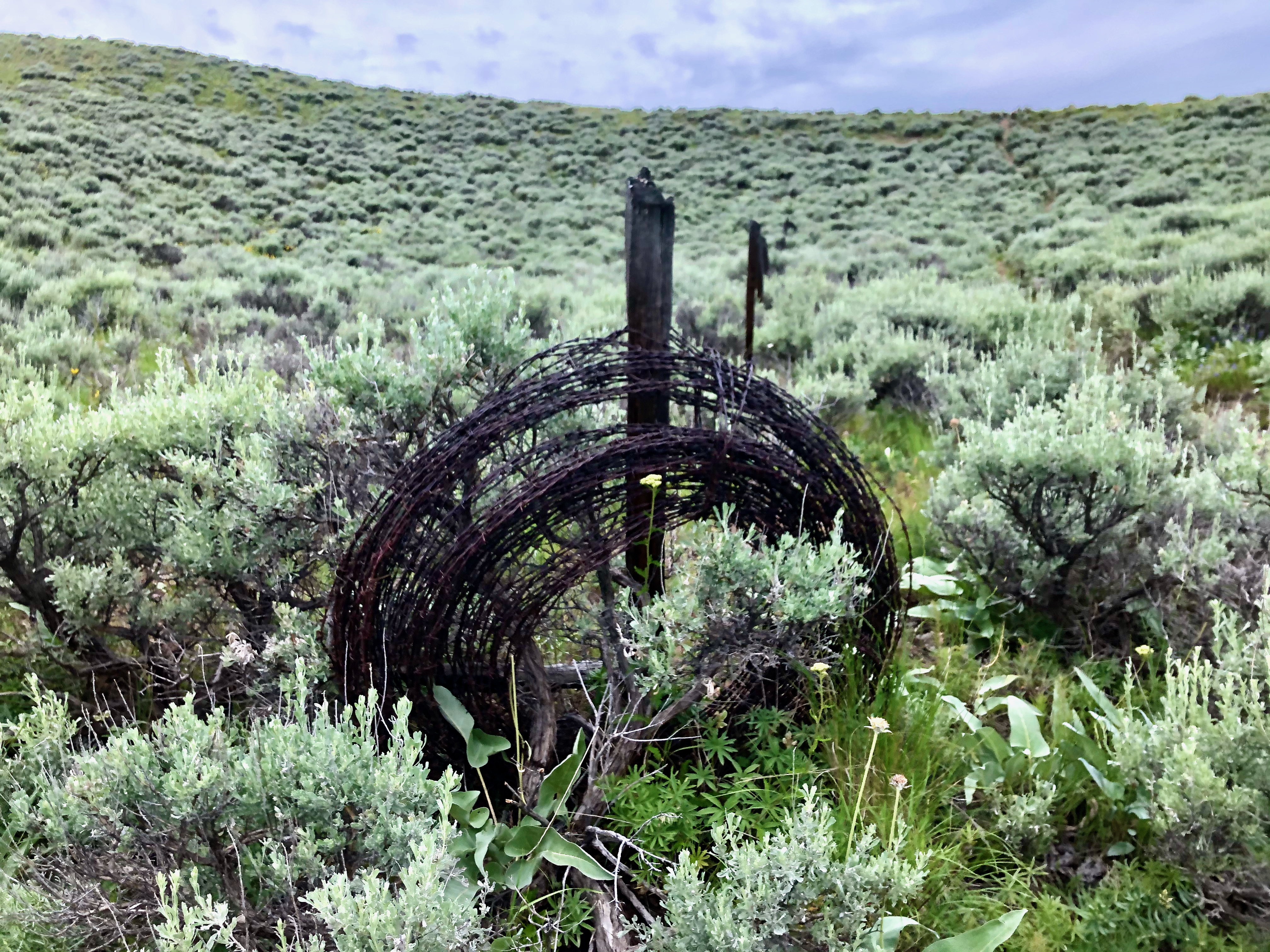
Using an existing path might benefit our journey more than just blindly following a bearing on a compass. Part of wayfinding is making informed choices about navigating the terrain we encounter. The straightest line is not always the preferred (or wise) route.
Author: whatifconcepts
Essence of a Strategic Plan
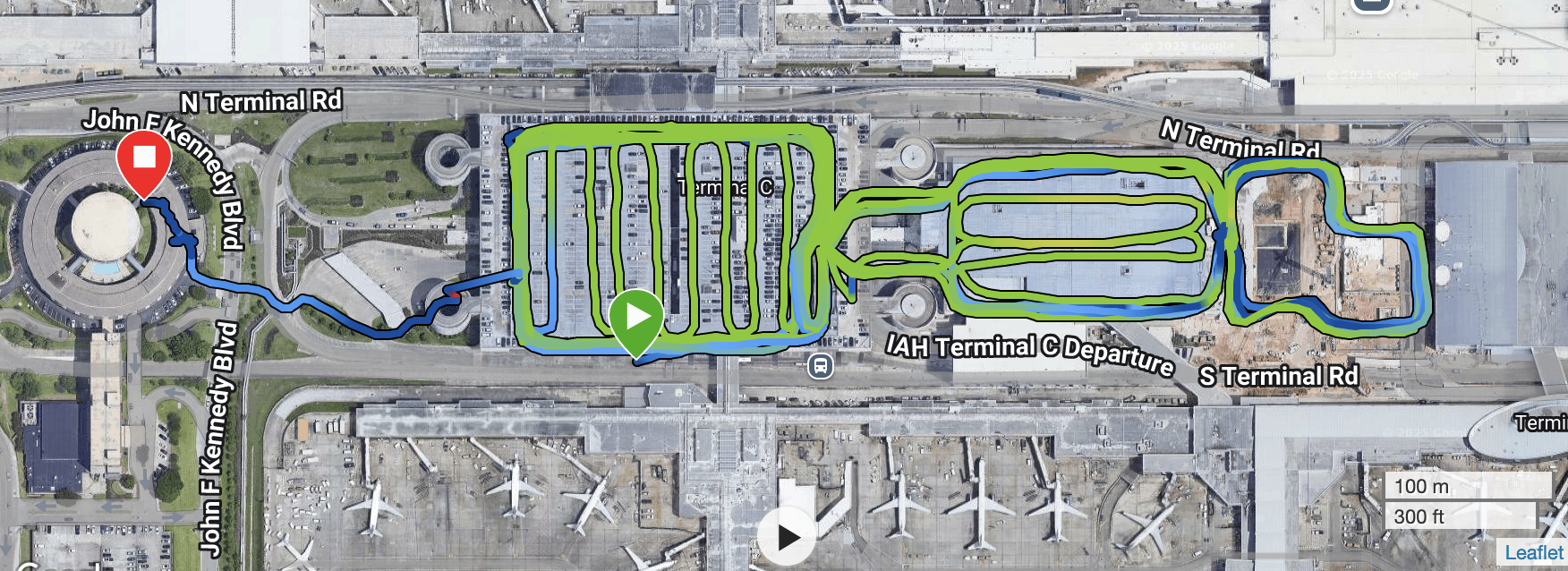
Monorail
Monorails are a fun way to travel between points. They can also be efficient and effective. However, the tracks are not easy to re-engineer if you need to amend the itinerary. If we are confident that two current geographic points will need consistent transportation support, a monorail might be a good choice. If the traffic patterns are less than certain, more mobile forms of travel are better.
How might we recognize where our enterprise has constructed monorails and where more flexible forms of movement might be the best option?
Presentation
Update!
How many posts, announcements, launch celebrations, press releases, or community meetings have you observed during which information was shared about a new initiative or a significant organizational event? How many of these organizations continued to share relevant updates and nurture your engagement?
In my experience, people are keen to make the first announcement but struggle to find an appropriate communication cadence along the journey. It does not take much, but checking deepens connections.
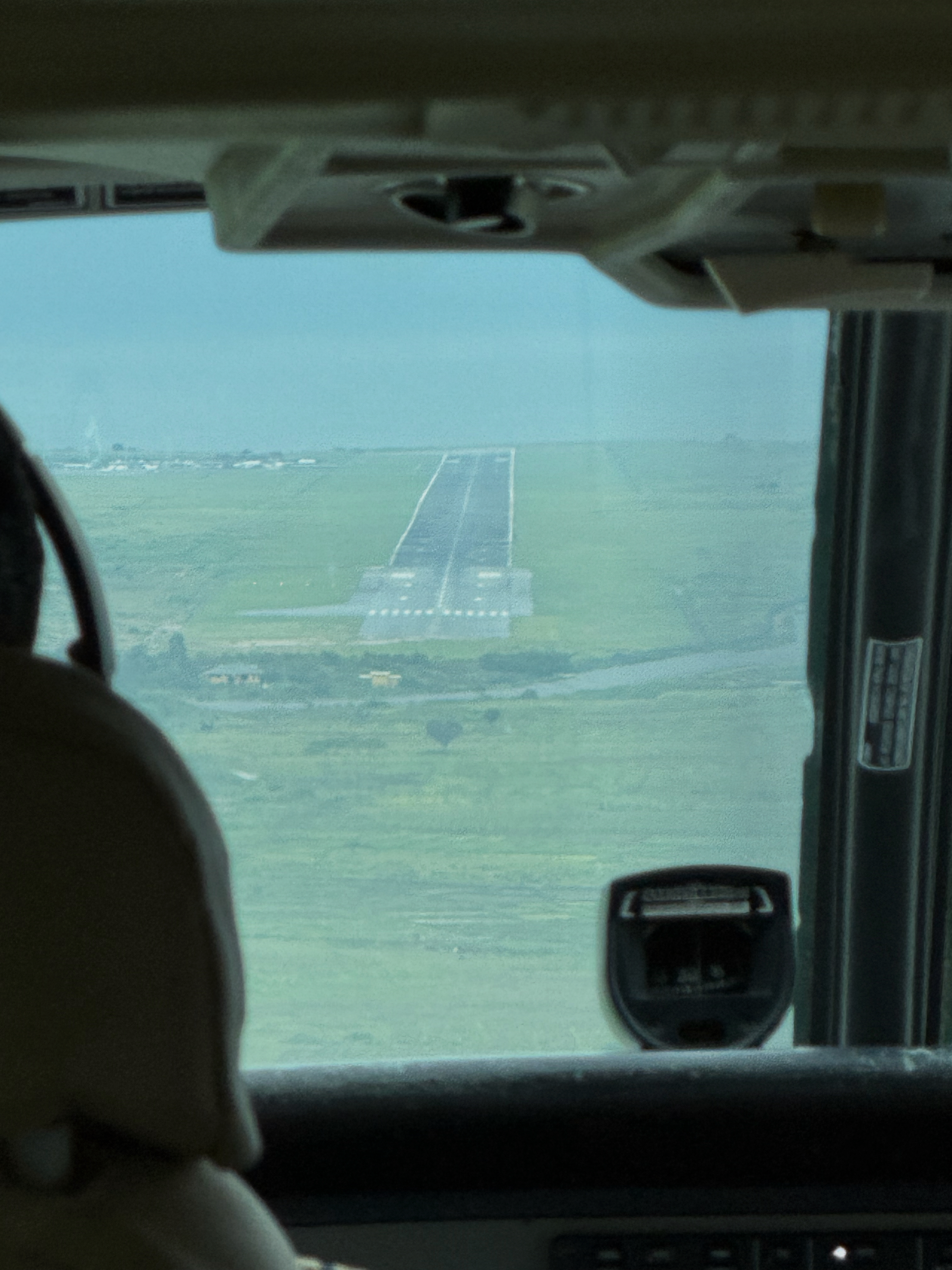
Imagine boarding a long-haul international flight on which the pilots never confirm the destination, make no remarks about the flight plan, do not address abnormal flight conditions, and provide no update before landing. This might make some passengers a bit apprehensive about the journey. Perhaps we can aspire to be more like a well-regarded commercial pilot. Greet passengers, orient them, care for their safety, point out remarkable landmarks, address the unexpected, prepare them for landing, and thank them for their loyalty.
Moderator
Do you need a moderator for your group gatherings? When you deploy one, what are the key characteristics required? Is there a list of norms or responsibilities that they must safeguard? Who holds the moderator accountable? When does the community become defined by the moderator (e.g., a long-serving moderator representing a vibrant subgroup)? What happens if the moderator departs from their role, will the conversation continue, or are disruptions anticipated?
A moderator might have more influence on a group than we anticipate. They curate the conversations, the vibe, and the sense of community. Selecting the right individual and providing them with the right tools creates remarkable experiences, but making a misaligned selection may set back a group.
How might we be intentional in our appointments of moderators? How might we help them succeed so we succeed?
Creating Disruption
Swiss Federal Railways (SBB) banned select Deutsche Bahn (DB) trains from traveling into Switzerland due to their chronic late arrival. The Swiss have declared that late trains disrupt their network too much, so it is better for them to terminate the German service at the border and run SBB trains onward into Switzerland.
Which partners does your work rely upon that consistently disrupt your results? It might be funders who distribute grants late, local government slowed by bureaucracy, another nonprofit organization that needs constant prodding, volunteers who are not engaged effectively, or your own board that is risk-averse and requires more time for contemplation.
We can script a nimble timeline, but the human element often has a bigger impact than we might anticipate. How might we construct alternatives or more flexibility when relying on other components? When do we decide to pause/terminate a partnership because the impact on overall performance is unsustainable?
Operational
The map might indicate a viable route of travel, but if conditions change, what is your alternate course? What if we create scenarios where we navigate a different path or complete a project with instruments not usually at the top of our toolbox? Building versatility in a controlled environment might open new, more effective pathways and provide a greater impact. If we always take off and land on the same runway, then being directed to an alternate runway during challenging meteorological conditions is a big test of our capabilities. That is why emergency services and military groups drill various scenarios. They develop a mindset to handle the unanticipated.
How might we try new approaches while the conditions are stable? How might we engage skill sets that are not in our top ten daily practices?
Remain Curious: Own Mistakes
How did a mistake change the way skyscrapers are built? How did an engineer take responsibility for a design flaw that required a retrofit and a Red Cross evacuation plan?
How might we recognize that a new question might expose a mistake and allow us to correct our flaws?
Work That Matters
If somebody went before us and could not sustain their effort, it might inform our attempt, but it should not discourage us from exploring options. Many first ascents of mountain summits result from mountaineers returning repeatedly to attempt new routes, bringing additional gear, or being armed with knowledge about overcoming obstacles that once thwarted their efforts. We may encounter historical records of their presence, equipment left in place, names attached to geographic and geologic features, and tales about wading into the unknown.
How might we benefit from the lessons learned but not adopt the mindset of inevitability when approaching a barrier yet to be unlocked? How might we honor the efforts of those who proceeded without setting a course to repeat their actions? How might we bring our own approach to the puzzle? How might we step back at least one magnitude before diving into the work?