Author: whatifconcepts

Empowering those that inspire so they can excel at the work that matters.

Positioning Assets

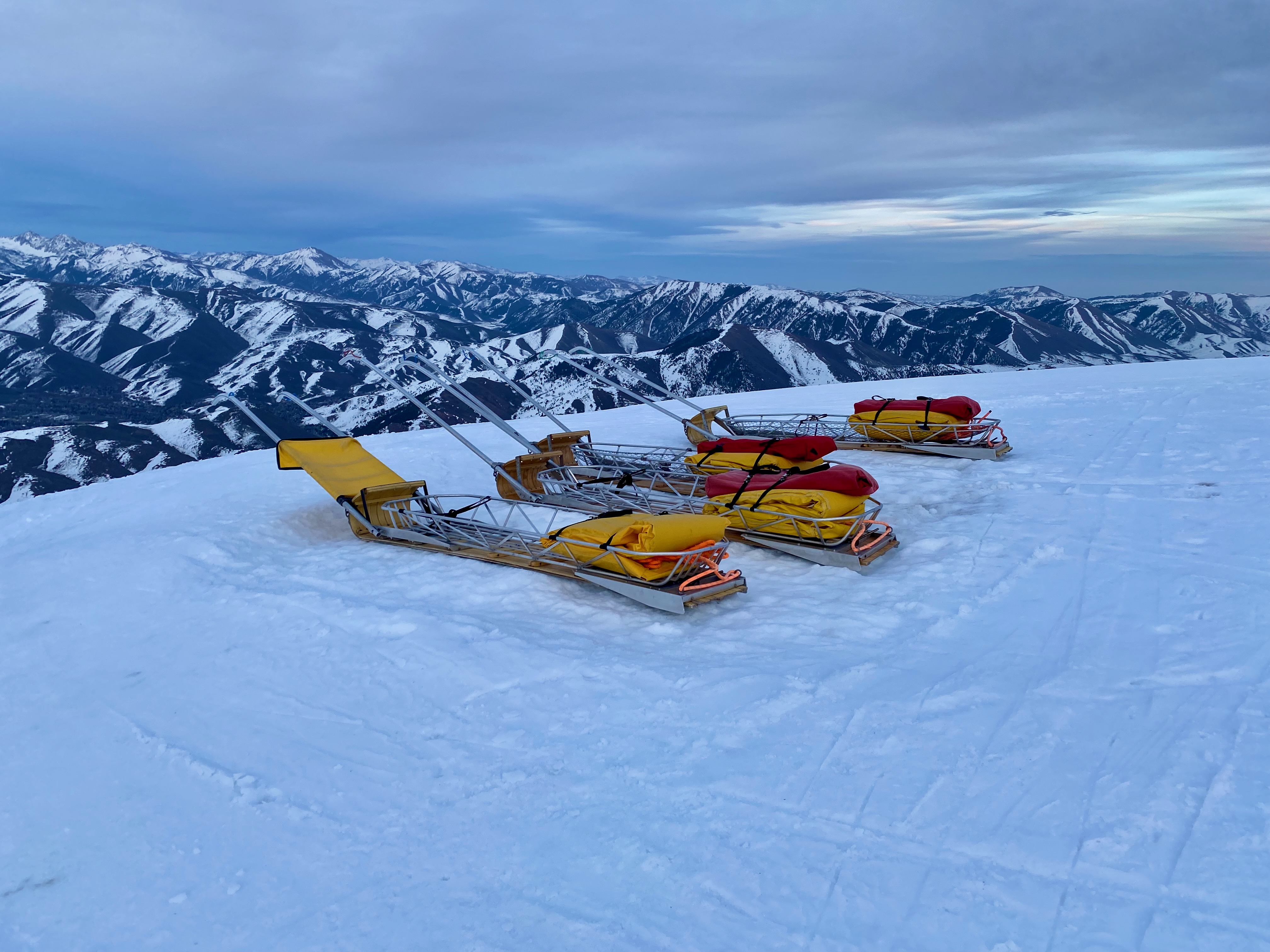
It is leading practice to position ski patrol toboggans at the top of the ski mountain. Much better than in a base area shed. We can respond quickly to an emergency with a well placed asset.

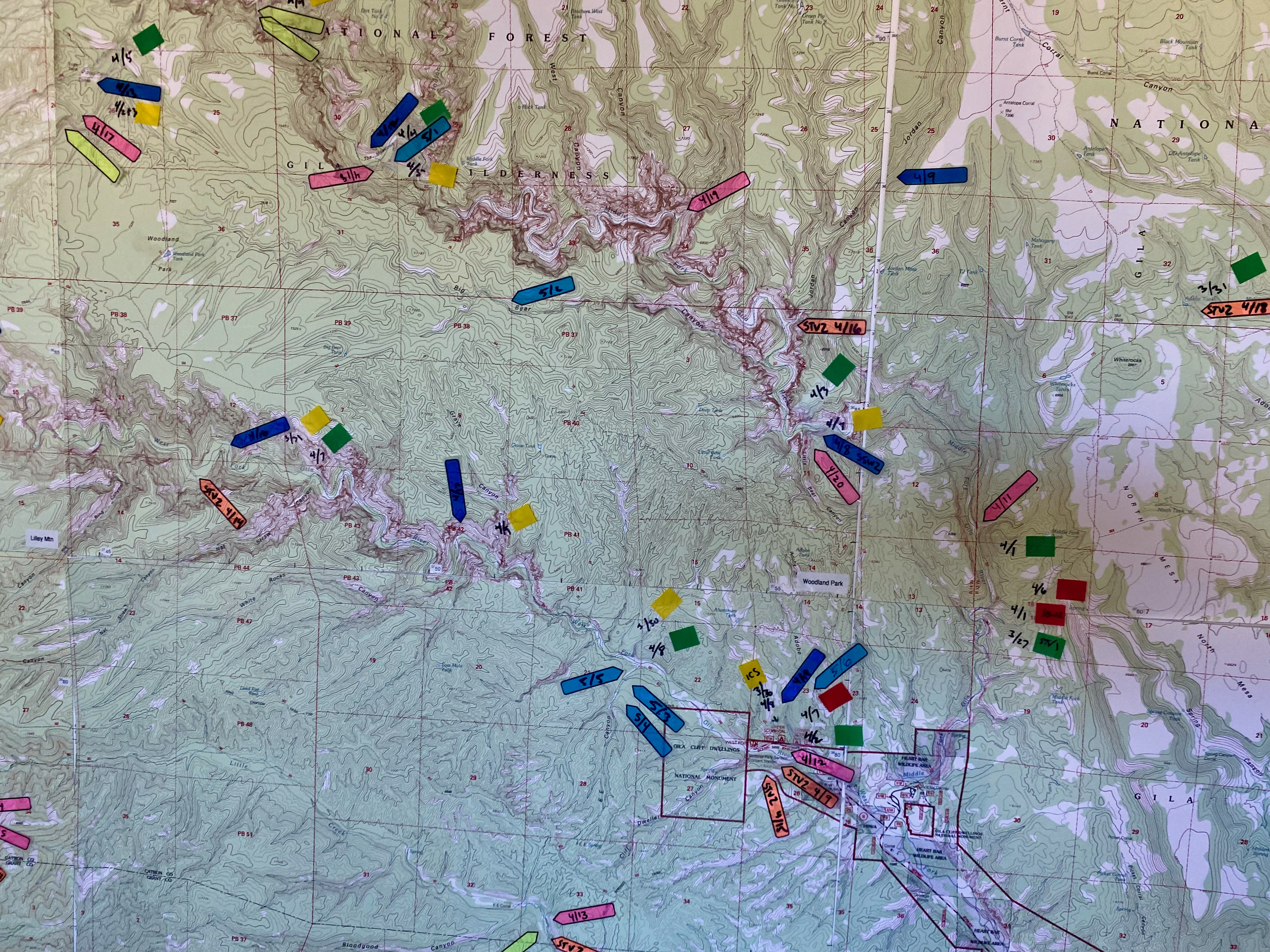
How might we consider which of resources need to be pre-positioned in an accessible location? If we run an outdoor education program with student groups in the field, it might be helpful to have a primary source map that captures scheduled routes and camping locations. If an emergency call comes to the base, we can reduce the friction just getting oriented.

Which resources have you pre-positioned? Which ones do you employ on regular basis? Which are cached for an unexpected event?

BoardSource recommends the following basic resources for most nonprofit organizations. The Nonprofit Center of Northeast Florida has links to emergency planning resources. And Seth Godin blogged about the cost of emergencies.

Corners

We think of property corners as calculated and precise. Real world experience demonstrates a variety of ways to establish a boundary. It is a reminder, just because we have interacted with one nonprofit, one board, one team, one program does not mean we have clarity on that organization and all the other causes/boards/staff/programs who occupy a similar space. What differentiates many of them is not the fence lines and boundaries but the work that takes place within their area of focus.

What if we were a little more curious about what is happening within instead of judging the size and scope of the enterprise we encounter?

Multiple Voices

Unless we are hooked-up to an old fashion party-line where one landline served multiple parties, it is unlikely we are hearing all communications and perspectives. One of the great joys is meeting another person who sees the world in a profoundly different manner and alters our world view. It may be as simple suggestion that changes a subtle routine or it might be as grand as reformatting a universal truth.

The mindset that we have heard it all is limiting. If we gather with like-minded people to discuss new ways if thinking, we miss insights that individuals with weak ties to our cause might offer.

Sometimes we need to look at our inputs before we can adjust our output.

Why and How We Retreat

Why do we schedule organizational retreats? Why must we gather in a different location to think differently? Why do we hire facilitators to guide the process? Why do we assemble differently?

Why did we go on field trips during our school years? Why was a field trip a remarkable moment during our academic journey?

We need space to assume a different mindset as we rarely plan effectively when we are in routine. If we seek to engage secondary and peripheral ideas and considerations, we must be willing to get lost in the wilderness. If we have our Magnetic North compass (articulation of purpose, vision, mission, and values), we will find our way and add dimension and depth to the space we occupy.

How might we intentionally make space to get lost so we might engage our wayfinding skills? We do not retreat to predict the future (anyone have world pandemic written into their strategic plan) but rather to prepare for the terrain that might lay ahead?

Empathy Needs Space

To be empathetic, we need space for reflection and connection. If there are distractions, fear, chaos, alarm, or unsettling mindsets, we are unable to access empathy. Much of our current discourse during the pandemic has diminished the space required for us to see the humanity in each other. If we are consumed with endless distractions, we drift further away from a human-centered approach. We lose curiosity and adopt a snap judgement approach.

How might we consistently develop practices that generate space and curiosity? How might our reflections allow us to ask ‘what else might this be,’ when we encounter events and information that might be triggering? How might we recognize that the path others are traveling might be more challenging or require more of their resources than we might assume? How might we set each other up for success?

How we might realize that we are encountering others in the construction phase? We might not be seeing the final product.

Function

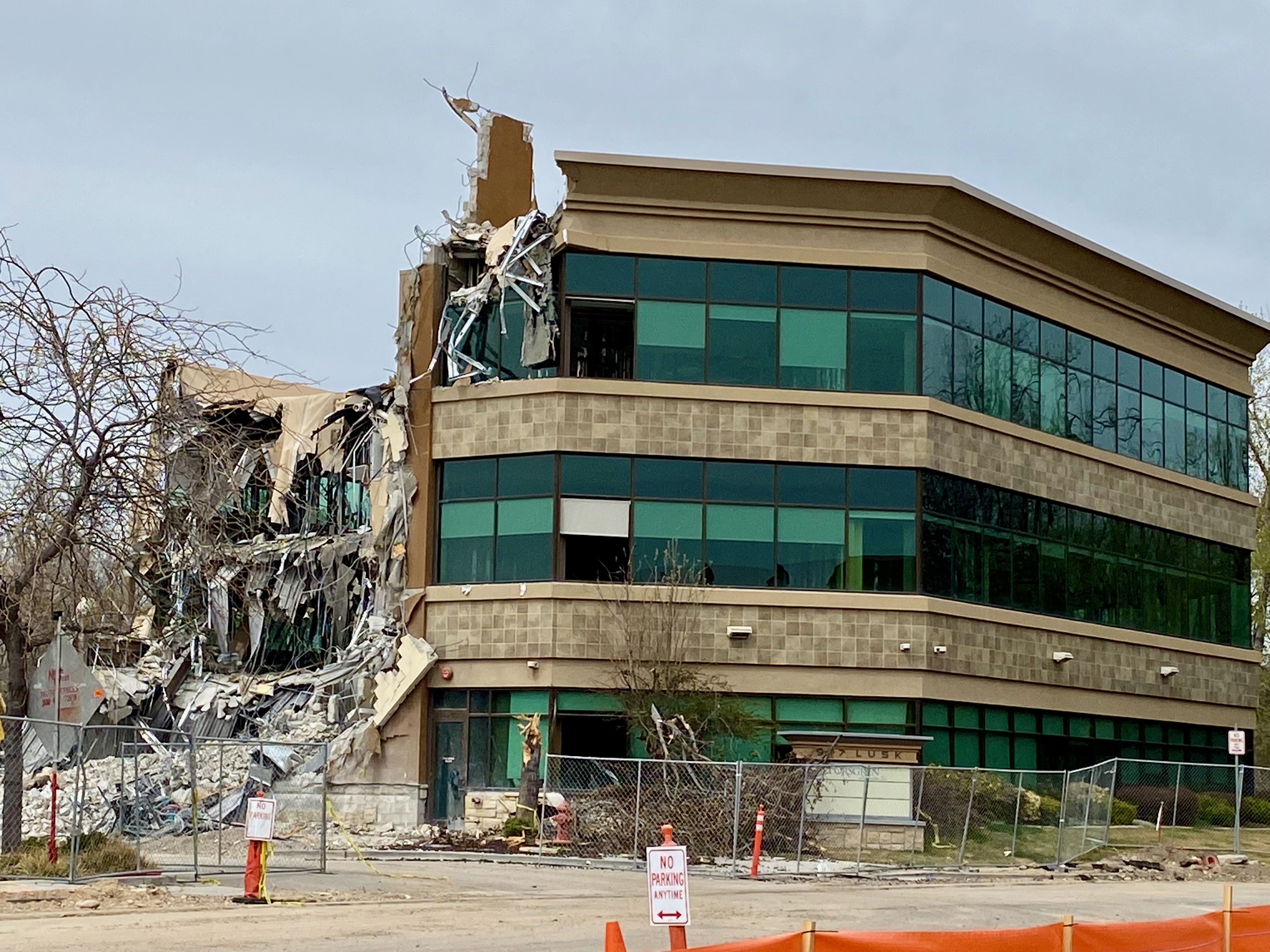
I am curious when I encounter a man-made feature that’s current function seems less obvious. What was the opportunity that somebody recognized before the structure was built? Where did the idea originate? What went into the design? How was it constructed? When was it completed? How did it operate during its lifespan? Why does it remain?

When we build our real-time structures, how might we leave clues for those that follow? How might we leave sufficient insights to orient those who encounter it later can understand the context of our creation? How might we set others up for success?

Exposure

How might we get the right amount of exposure to capture both the focal point and the background? It is often the elements that are not in focus that make the image remarkable.

I recently toured the Whyte Museum of the Canadian Rockies and the exhibit of photographer John E. Marriott. I found his wildlife images to be striking. His ability to use the camera as a vehicle to transport, to engage, humor, and amaze is uncanny. The photographic story he tells is more complex that putting wildlife in the center of the frame. There is a tension, emotion, complexity, and depth to each print. How might we add a similar amount of care to our art? How might we not mistake exposure for connection?

Everybody But One

When I first encountered this sign I missed the arrow for Vaca Ranch and assumed every outfit was to the right. It seemed obvious that the main course of travel went right. Among the noise and clutter, it is hard to stand out, despite taking the road less traveled. Just because we are on different route than the rest, does not mean those seeking us will be successful in navigating to our location.

Open or Closed?

In attempt to appear frugal and lean with our resources, we quickly fill a liminal space. Our fans and interested parties cannot tell if we are open for business and functioning with remarkable impact, or if we have shuttered our services as a victims of thriving inspiration blocked by insufficient fuel for the journey. How might we balance stewardship with responsible investment in the people and tools that matter? How might we work effectively without appearing to putting our own needs before those we serve?

Assumptions

When we view an image, what assumptions do we make? What mindset do we assume? Does it alter our mood and influence our emotions? Is there a standard narrative that comes to mind? Do we experience FOMO (fear of missing out) or JOMO (joy of missing out)?

Do we select certain images to inspire or create fear? Are we hoping our tribe will activate, take action, become more aware, or lend their social influence?

What assumptions are we making when we curate the message? What assumptions our our fans making about the stories we share? How much is based on trust and how much is the work of creative editing?