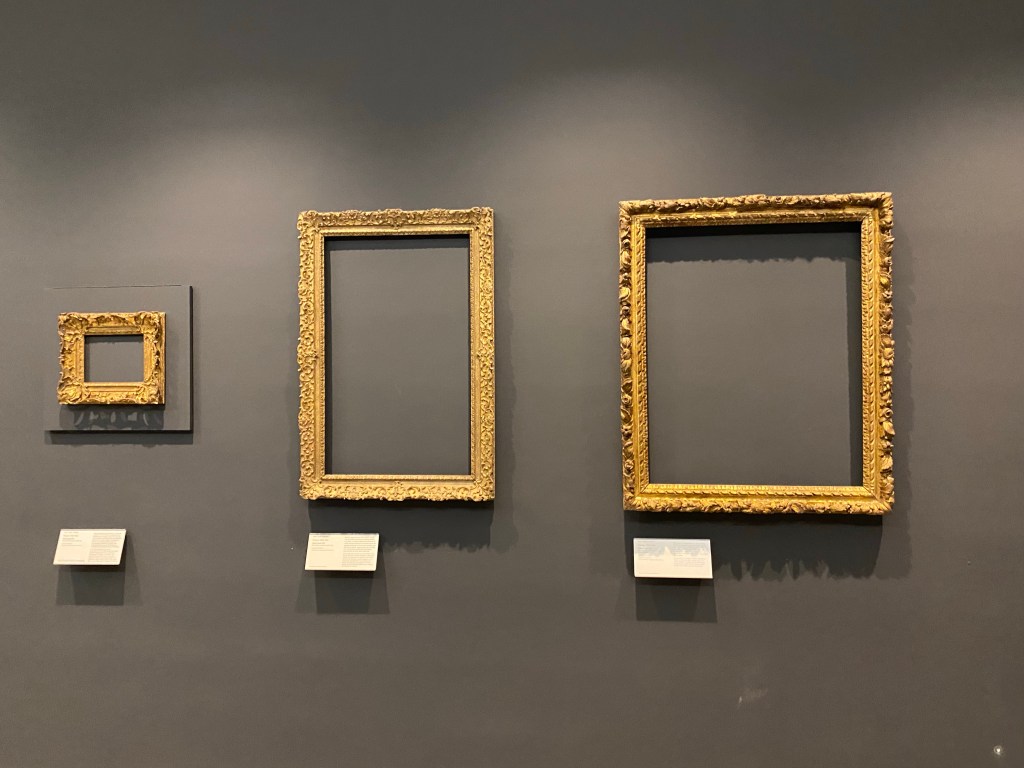
What is in your frame? We cannot capture everything so we draw an artificial line. What must be in the frame for us to continue our quest?
What is in your frame? We cannot capture everything so we draw an artificial line. What must be in the frame for us to continue our quest?
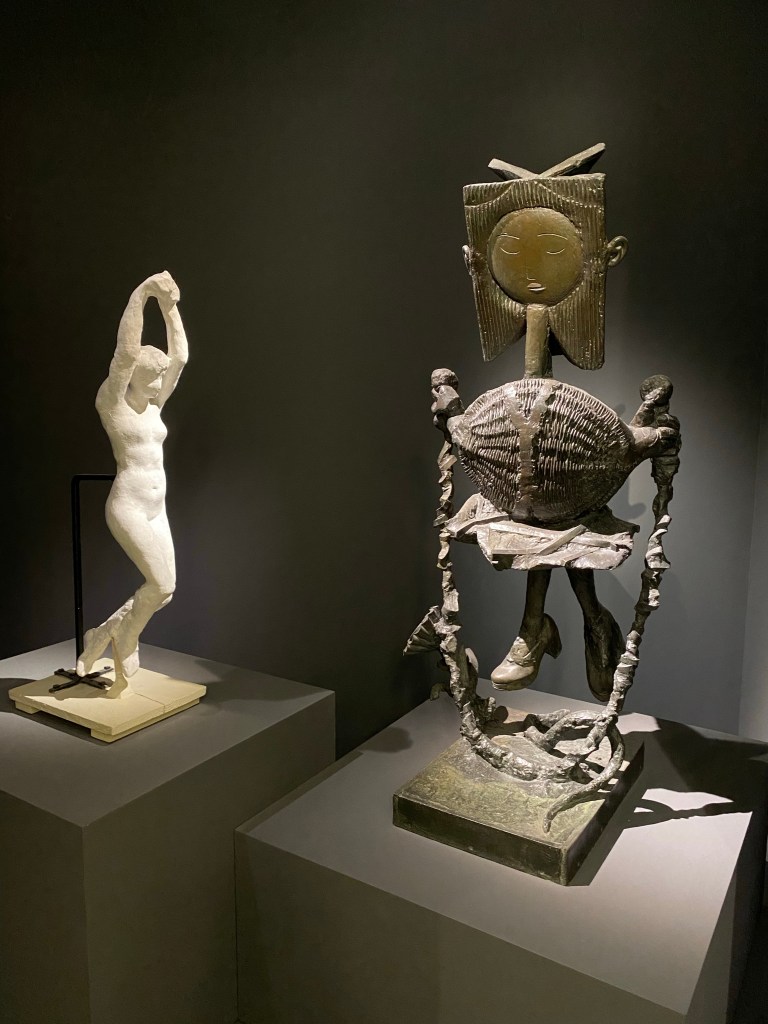
Rodin and Picasso were fascinated with the human form. They expressed their perspective in different manners but used the same models, the human form. Individual views but expressing the same concept.


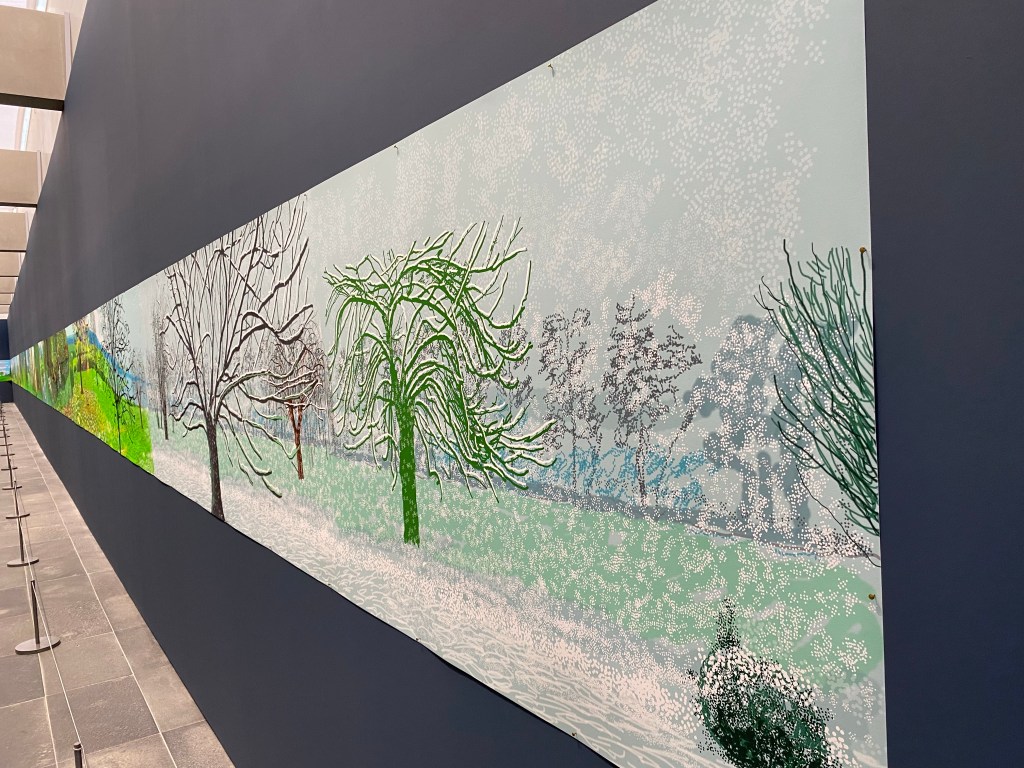
British painter, David Hockney used the pandemic to focus his artistic expertises on his local landscape in Normandy. Being unable to travel and find sources of inspiration, David looked out the window and made it his masterpiece. Disruption might change our itinerary but it does not keep us from asking, ‘how might I….’

Sometimes our failures are what sets us apart. When we do not produce the work the way we intended, we can still be noticed.


We attributed human traits to a robot and Wookiee. How might we build connections with those that are feel alien to us?

What is your beacon? What lighthouse guides your journey?

If we are doing the work that matters then we should start with the human connection. Otherwise, we are building transactions. I believe we are in search of more than a checklist of items completed.

Morten Hansen wrote a book title Great At Work: How Top Performers Work Less and Achieve More. One of Morten’s areas of study was the difference between purpose and passion. Purpose asks what you can contribute to others. Passion is the pursuit of things that excite you.
Morten’s team collected data on work place engagement as self-reported by individuals and confirmed by managers. As expected, those who report high passion and high purpose were in the 80th percentile of their team. On the flip-side, those who report low passion and low purpose rank in the bottom 10 percent. So far, this resonates with conventional wisdom.
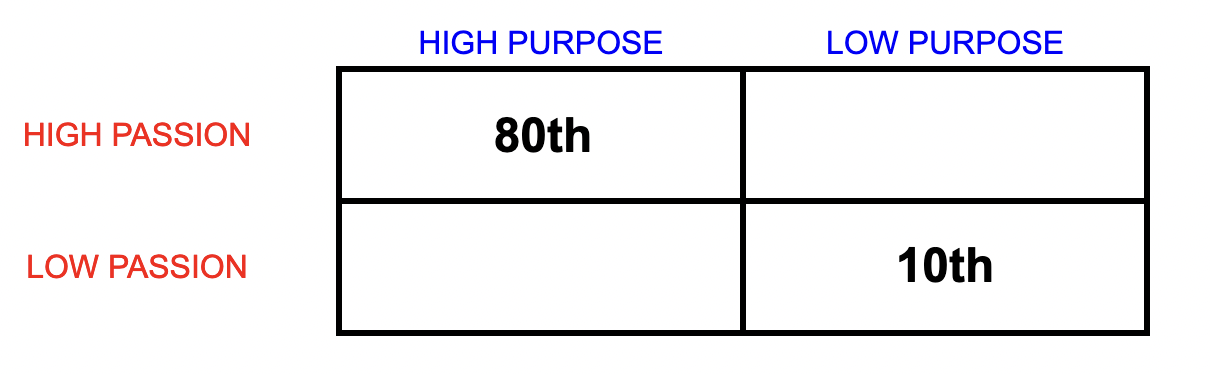
Next, the researchers focused on those with high passion but low purpose. How much impact does passion deliver for a team member, even when their sense of purpose was low? This group was close to the low passion, low purpose group. High passion, low purpose individual rank in the bottom 20th percent.

Which brings us to the high purpose, low passion individual. What is the impact of purpose on their contribution? It is remarkable. High purpose, low passion team members rank in the 64th percentile of their team.

The research confirms purpose overshadows passion like a giant oak tree. If we identify team members that embody both, the probability of success is high. If we must choose between an individual with a sense of purpose and a sense of passion, purpose delivers a significantly higher value.
Intrigued? Here is an interview on career advise from Morten Hansen

Acclaimed poet Rumi stated, “You are not a drop in the ocean; you are the entire ocean in a drop.”
I think both mindsets matter. The optimist and dreamer in us embraces the remarkable state of being that believes the entire ocean resides in each and every drop. The empathetic self needs to recognize that ourselves or individuals we encounter temporarily adopt the mindset that we/they are a lonely drop in the ocean.
Managing our mindset allows us to toggle between the drop and the ocean.
What discussion and opportunities have you missed because they were postponed until the next meeting or there was not time on the agenda? What might have happened if the moment of creativity and insight was allowed to take flight in real-time? If all our actions are captured on a schedule, then when does ‘be remarkable’ appear in writing on our calendar? Perhaps we have the inspiration, strength, endurance, or ideal conditions to tackle the crux move today. What if we embraced the dynamic, now?
Thanks for the reminder Seth Godin.
 What-if-concepts