Uncategorized

Exhibiting Responsibility

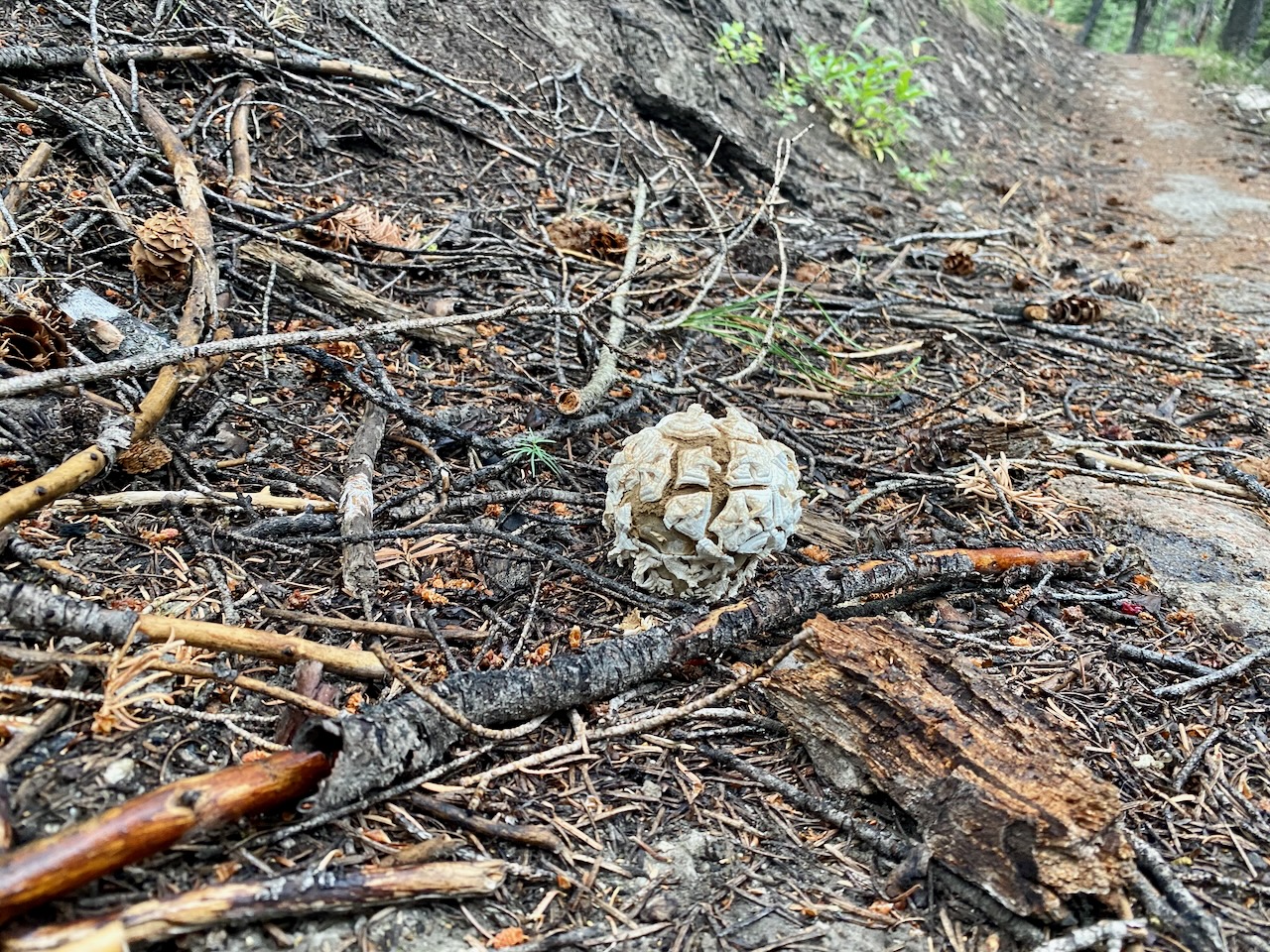
The other day, I sent the above photo to Rebecca’s Private Idaho (RPI) Race Leadership Team. RPI is an Idaho-based gravel cycling event consisting of three major races. The photo captured a snapshot of trash I encountered on a popular trail the day after RPI’s first day of competition. As I stuffed used gels and discarded wrappers into my jersey pocket, I realized race participants had adopted a mindset that littering was acceptable (despite being asked to keep the trails pristine at the pre-race briefings). I sent off a quick email with three suggestions in hopes it might curtail racers from depositing trash on the course during the events.

What followed was a master class in responsibility. Rebecca (of local and national cycling fame) responded quickly, despite being in total demand as leader of the weekend, acknowledged there had been a volunteer breakdown. The trail was not swept (ridden afterward) with a crew specifically assigned to collecting trash. Further, she was sending out a team that day to take another pass and collect remaining items. Most importantly, she was committed to making an emphatic announcement about rider expectations at the next rider briefing before the largest part of the event. Lastly, I received an email with a photo showing a few additional pieces of trash collected by the follow-up team who had checked the trail by that evening.

I share this story because at no time did anyone try to dismiss the issue as unimportant. There was no way to confirm all the trail litter was from the race. The RPI event used the trail system and took responsibility for returning it for public use in good shape.

How might we take responsibility like RPI, even when the actions that cause friction are outside our control? If our name is on the banner, how do we live our organizational values to provide uninterrupted accountability? When we seek to create trust and authenticity, we say what we believe and then act in a manner that reinforces our beliefs. There are no shortcuts to integrity (or hosting a large cycling event).
Defined By The Unseen

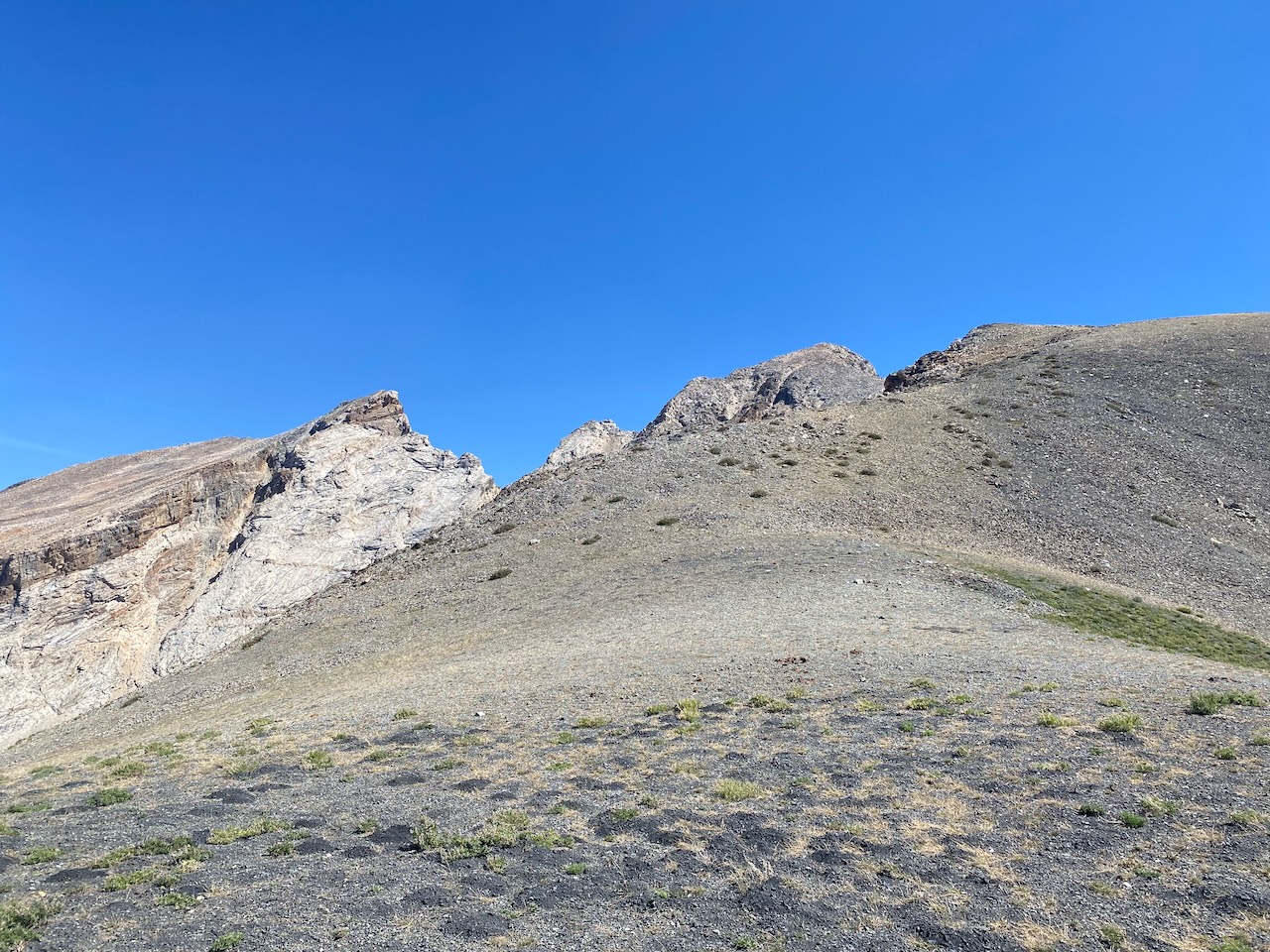
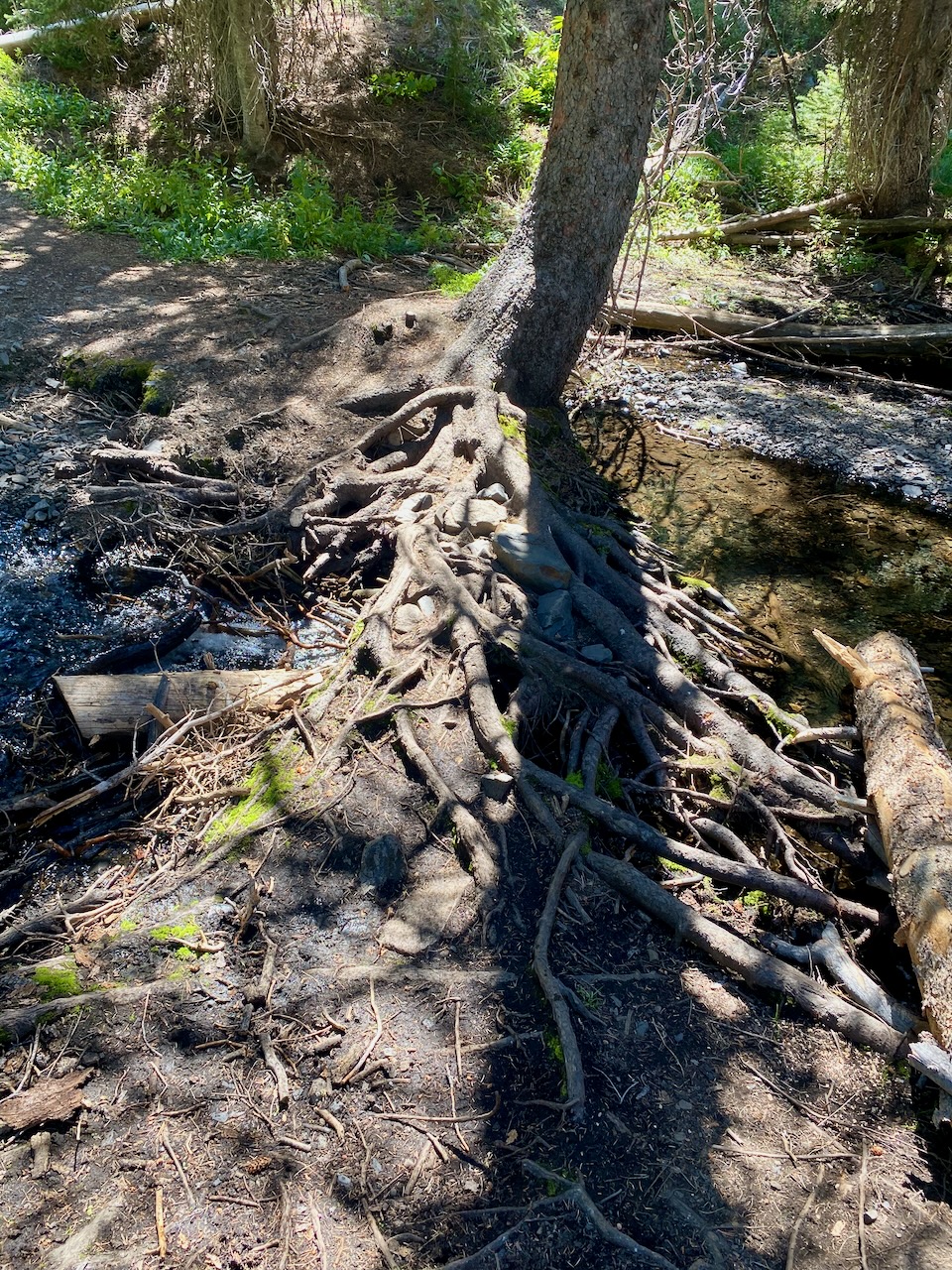
We cannot always see the route to the summit. It might be visible on our map but not from our current location. Does that mean we abort the peak ascent? If we are committed to the journey, we move forward, wayfinding as we encounter each obstacle while focused on keeping ourselves oriented to the summit. Even when we lose sight of the pinnacle, we ascend, knowing the journey will forever change the context of the work that inspires us.

Exposing Our Critical Infrastructure

Making the inner workings of our organizational visible might be more revealing than professionally polished inspiration. As a former fire fighter, almost everyone who peeked into the fire department’s open bay doors was glad to be offered a tour. Their curiosity to see the fire engines, ambulances, emergency response equipment, and fire fighters in person enhanced their appreciation for the responsibility of the fire service.

How might we provide behind the scene tours that provide greater depth and dimension to our work. How might we engage our community with an authentic show-and-tell moment?

Measuring Productivity to Inspire?

First, try this productivity exercise posted by the New York Times.

What is your reaction to this monitoring system? Does it inspire? Does it connect you to the work? Does it provide motivation and accountability? Is there a hybrid version you would prefer? Is it relevant? Does it empower and build trust?

I am curious where platforms like this will land in the social sector workplace?

Time vs. Energy Management

What if we thought of planning as a calculation of energy management? What if we deprioritized the role of time in our planning efforts? What if we were more honest about where to focus our energy instead of what schedule we might reverse-engineer on a calendar?

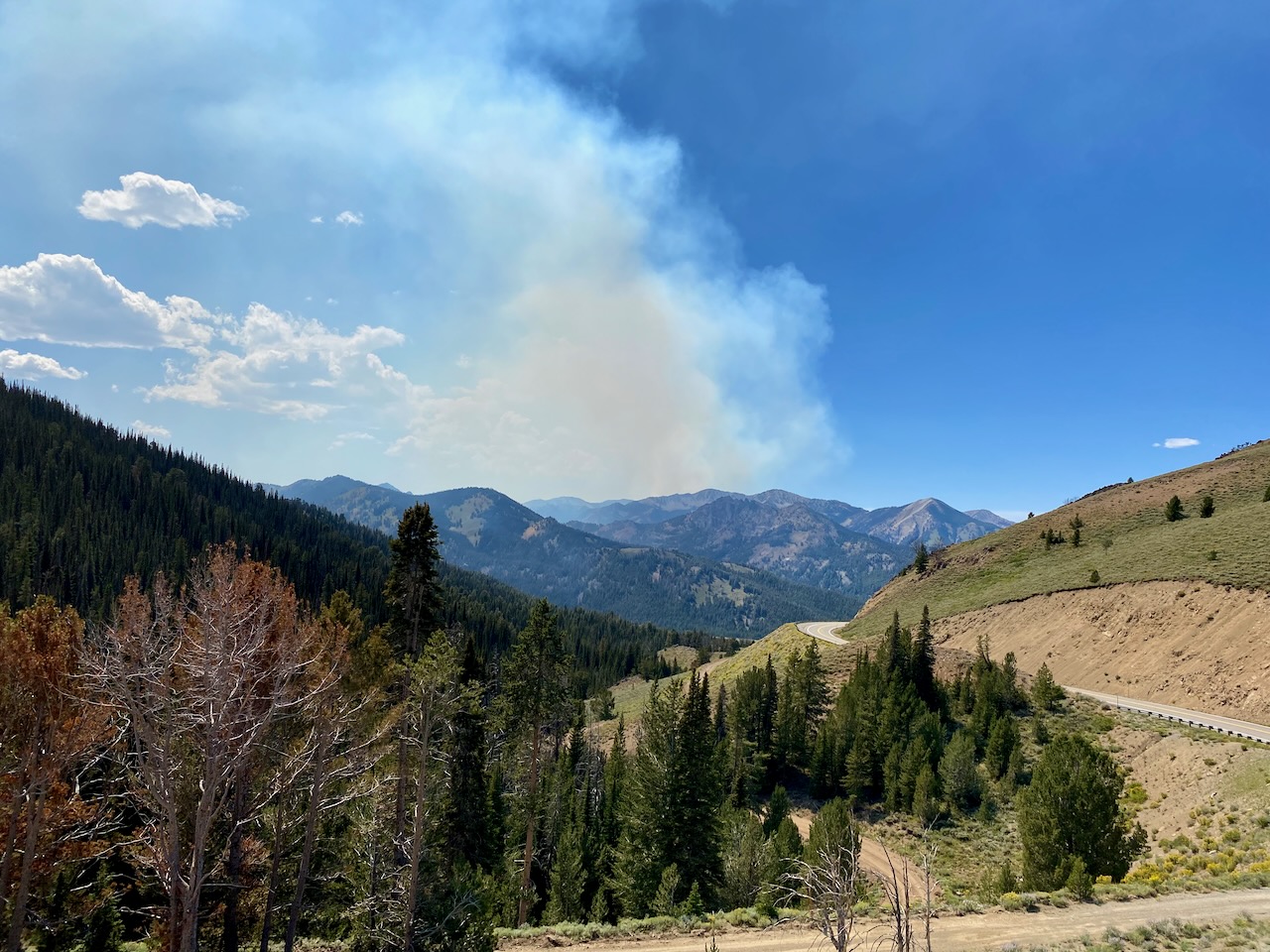
We might assume the forest fire can be extinguished in 24 hours, but external factors may change the reality; a significant weather event, the inability to secure needed resources, or a more pressing fire closer to a town changes the energy we invest in fighting the current fire. There is a scenario where the first winter snowstorm ultimately extinguishes the fire. The ‘let nature take care of it’ option usually does not appear on the first draft of our timeline.

Secondary Issues

When I trail run with my wonder dog, we occasionally encounter thunder and lightning storms, such as the one building in the background of the above photo. The storm arrived twenty minutes after this picture as we began our descent back towards the trailhead. My mountain canine is not a fan of thunder, and her allegiance to me is quickly tested when it rumbles across the mountains. She considers her option of heading directly back to the car, leaving me to navigate on my own. She always stays close, but I can see the panic in her thought process. No matter my words of assurance, she is fixated on the noise. I, however, spend time evaluating the proximity of the lightning. I am well aware that lightning is the primary threat to our well-being. When we stopped in a dense section of forest to allow the lightning to move out of our location, my running companion thinks it is a poor choice because the noise is still audible.

How might we confirm that we are focused on the right challenges and opportunities? The loudest noise might not be the best area for our focus.

Not Everyone Wants a Front Row Seat

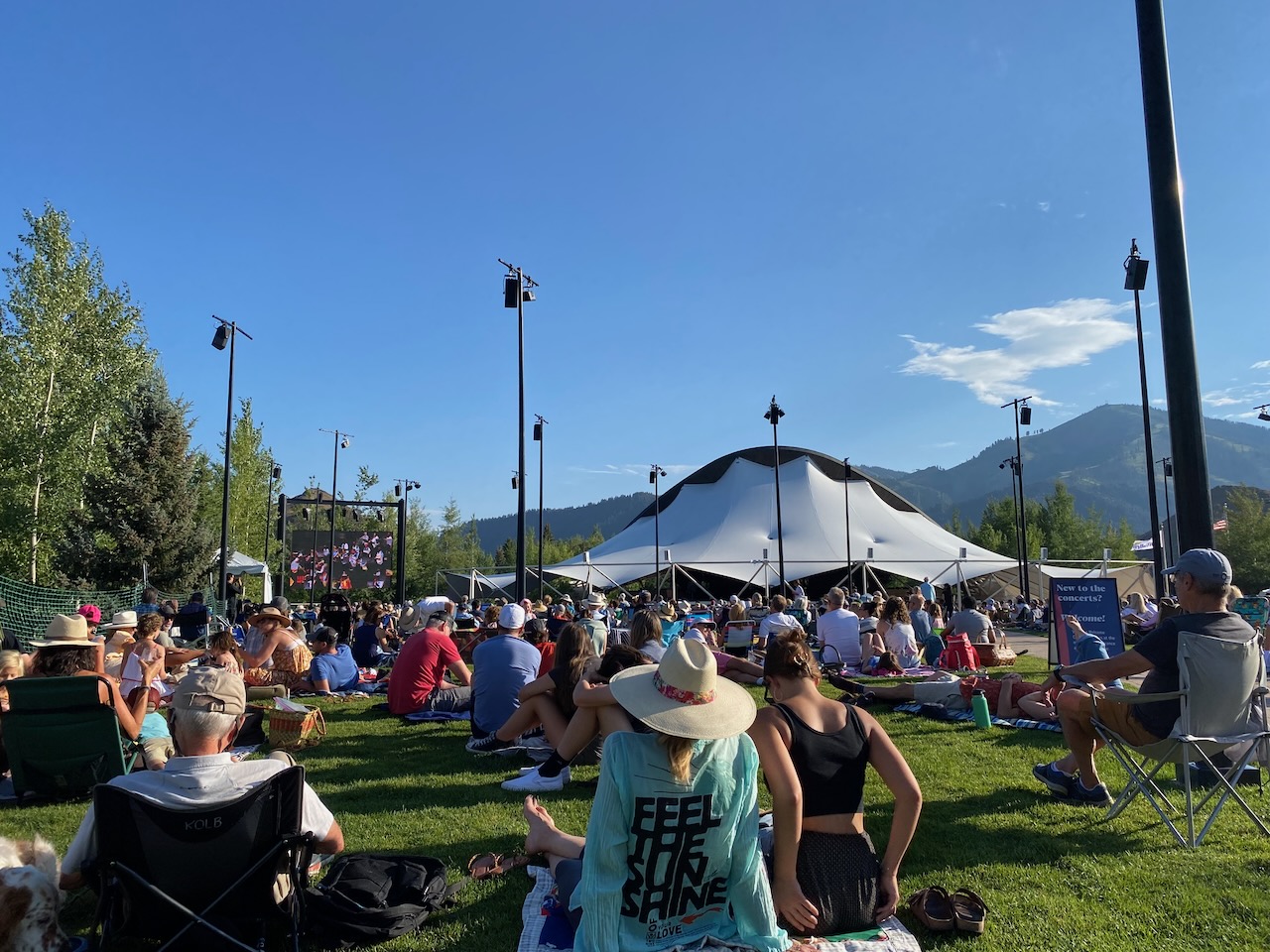
Not everyone needs or wants a front-row seat, and there are plenty of reasons to prefer sitting outside the tent. When we try to force everyone to upgrade to the best available seat, our mindset is that closer is better. If we want to sit in the sun, bring a picnic, entertain younger kids, and even bring a canine, outside is far superior.

If somebody attends our performance, they are part of the team. No matter if the patron pays for the highest-priced seat or sits on the lawn outside. We might be misaligned with their preferences if we are always trying to upsell and upgrade their experience.