Our best guess of what to build may not suit the needs of those that follow. How might we prepare that the work and equity we invested will evolve before a better version can be constructed? How might we embrace progress, even when our contribution is no longer visible?
Uncategorized
Your Standards
When you work on a project, what are your standards? Is starting sufficient to meet your expectations? How about creating a beta version? What if the deliverable meets the customer’s expectations but you decided not to complete upgrades that will maximize performance? Where do you stop?
When you operate an airline, is getting the passenger from departure airport to arrival airport sufficient? When does passenger engagement begin and where does it stop? What interactions meet an airline’s standards during the journey? What is the promise you make?
There is a remarkable difference between delivering for the customer’s standard and our own standard? It is important to know which one we have prioritized.
Helpful or Unnecessary?
When are our attempts to set others up for success redundant? Where should we allow for serendipity? How might we frame an opportunity without announcing the ‘moving sidewalk is ending, prepare to step forward?’ Do we need to sign every vantage point and are the moments that have been scripted as remarkable os those we encounter unexpectedly?
How might we allow for wayfinding without providing every adventurer the same script? Even the Wizard of Oz’s Yellow Brink Road presented numerous unexpected side quests.
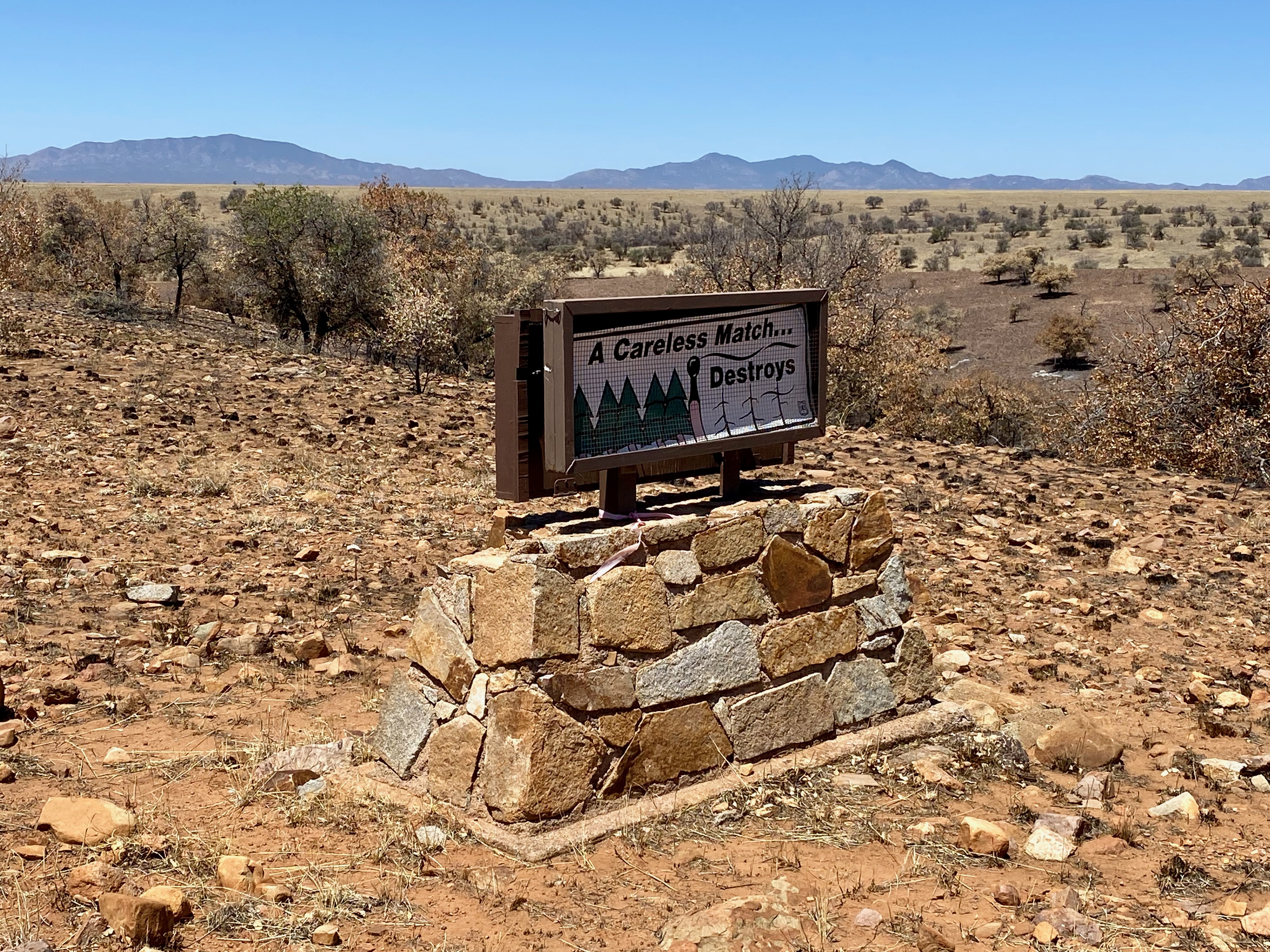
If we are not human centered, is the sign a warning for the fish?
Frontier
As social sector enterprises, many of us work on the frontier. We address problems so big, complex, under-represented, or unique that business has seen limited ways to monetize a return on investment. So, we work at the edges of the map, cobbling together resources, scouting the landscape, engaging those with news from different geographies and cultures. It is not an romantic endeavor but a commitment of community. We invest, partner, fail, endure, and succeed.
How might we learn from the leading practices of a frontier mindset? How might we correct course before we adopt a perspective that we are first to encounter the challenge and there is only one approach to move forward? How might we set other up for success and be of service?
Positioning Assets
It is leading practice to position ski patrol toboggans at the top of the ski mountain. Much better than in a base area shed. We can respond quickly to an emergency with a well placed asset.
How might we consider which of resources need to be pre-positioned in an accessible location? If we run an outdoor education program with student groups in the field, it might be helpful to have a primary source map that captures scheduled routes and camping locations. If an emergency call comes to the base, we can reduce the friction just getting oriented.
Which resources have you pre-positioned? Which ones do you employ on regular basis? Which are cached for an unexpected event?
BoardSource recommends the following basic resources for most nonprofit organizations. The Nonprofit Center of Northeast Florida has links to emergency planning resources. And Seth Godin blogged about the cost of emergencies.
Corners
We think of property corners as calculated and precise. Real world experience demonstrates a variety of ways to establish a boundary. It is a reminder, just because we have interacted with one nonprofit, one board, one team, one program does not mean we have clarity on that organization and all the other causes/boards/staff/programs who occupy a similar space. What differentiates many of them is not the fence lines and boundaries but the work that takes place within their area of focus.
What if we were a little more curious about what is happening within instead of judging the size and scope of the enterprise we encounter?
Multiple Voices

Unless we are hooked-up to an old fashion party-line where one landline served multiple parties, it is unlikely we are hearing all communications and perspectives. One of the great joys is meeting another person who sees the world in a profoundly different manner and alters our world view. It may be as simple suggestion that changes a subtle routine or it might be as grand as reformatting a universal truth.
The mindset that we have heard it all is limiting. If we gather with like-minded people to discuss new ways if thinking, we miss insights that individuals with weak ties to our cause might offer.
Sometimes we need to look at our inputs before we can adjust our output.
Why and How We Retreat
Why do we schedule organizational retreats? Why must we gather in a different location to think differently? Why do we hire facilitators to guide the process? Why do we assemble differently?
Why did we go on field trips during our school years? Why was a field trip a remarkable moment during our academic journey?
We need space to assume a different mindset as we rarely plan effectively when we are in routine. If we seek to engage secondary and peripheral ideas and considerations, we must be willing to get lost in the wilderness. If we have our Magnetic North compass (articulation of purpose, vision, mission, and values), we will find our way and add dimension and depth to the space we occupy.
How might we intentionally make space to get lost so we might engage our wayfinding skills? We do not retreat to predict the future (anyone have world pandemic written into their strategic plan) but rather to prepare for the terrain that might lay ahead?
Empathy Needs Space

To be empathetic, we need space for reflection and connection. If there are distractions, fear, chaos, alarm, or unsettling mindsets, we are unable to access empathy. Much of our current discourse during the pandemic has diminished the space required for us to see the humanity in each other. If we are consumed with endless distractions, we drift further away from a human-centered approach. We lose curiosity and adopt a snap judgement approach.
How might we consistently develop practices that generate space and curiosity? How might our reflections allow us to ask ‘what else might this be,’ when we encounter events and information that might be triggering? How might we recognize that the path others are traveling might be more challenging or require more of their resources than we might assume? How might we set each other up for success?
How we might realize that we are encountering others in the construction phase? We might not be seeing the final product.