
Do you perform your craft for attention or the passion of the art you are creating? If we need attention, then we might wait until the crowd assembles. We might play regardless of whether an audience assembles if we are passionate about our craft.
Do you perform your craft for attention or the passion of the art you are creating? If we need attention, then we might wait until the crowd assembles. We might play regardless of whether an audience assembles if we are passionate about our craft.

What events are worth celebrating? Which celebrations can be customized by adding distinctive touches? Bringing a cowbell to a ski race is a borrowed ritual from Europe. Breaking out the super-sized cowbells for a FIS World Cup Finals elevates the celebration.
How might we have levels of celebration? Meeting a quarterly goal might not require the same response as honoring a retiring board member, which might not be the same as completing a generational capital campaign project.

A commercial airline commits numerous resources to selling as many seats as possible on every departing plane. A ski area is less fixated on the number of empty seats on the ski lift. Ski reports are more focused on selling tickets, passes, food, lessons, and other point-of-sale opportunities.
When we produce an event/program, do we measure its impact by the number of attendees or the depth of engagement of those who participate?

We might build a viable enterprise if we establish a solid foundation and frame our strategies with appropriate materials. We invest significant resources to occupy a distinct location. As an alternative, we can carry our basic necessities and be mobile.
How might we decide if our location defines our work or if our work defines the location?


How do you understand if we are making progress? If we use your peers’ momentum as a metric, are we sure they are advancing? We might be keeping up only to realize we are motionless?
How might we use external waypoints and independent confirmations to assess our progress?

What was deemed entirely safe changed with more knowledge and time? What new information has transformed your understanding of reality? What everyday activities from your youth now make you reconsider adult oversight? How might we build in the ability to adapt and amend as new details reveal themselves?
A little more detail on the home Atomic Energy Lab.

As you gain experience and maturity, how does it impact your perspective? When we were younger, what age did you consider old? As we enter new decades, does our definition of old change? How might we recognize our perspective is associated with a sliding scale?

When does your adventure become ‘a situation.’ What tipping point crosses the line from Type A Fun to ‘looking for an escape route?’ Our values are stressed, and we must recalibrate or remove ourselves from the environment challenging our worldview.
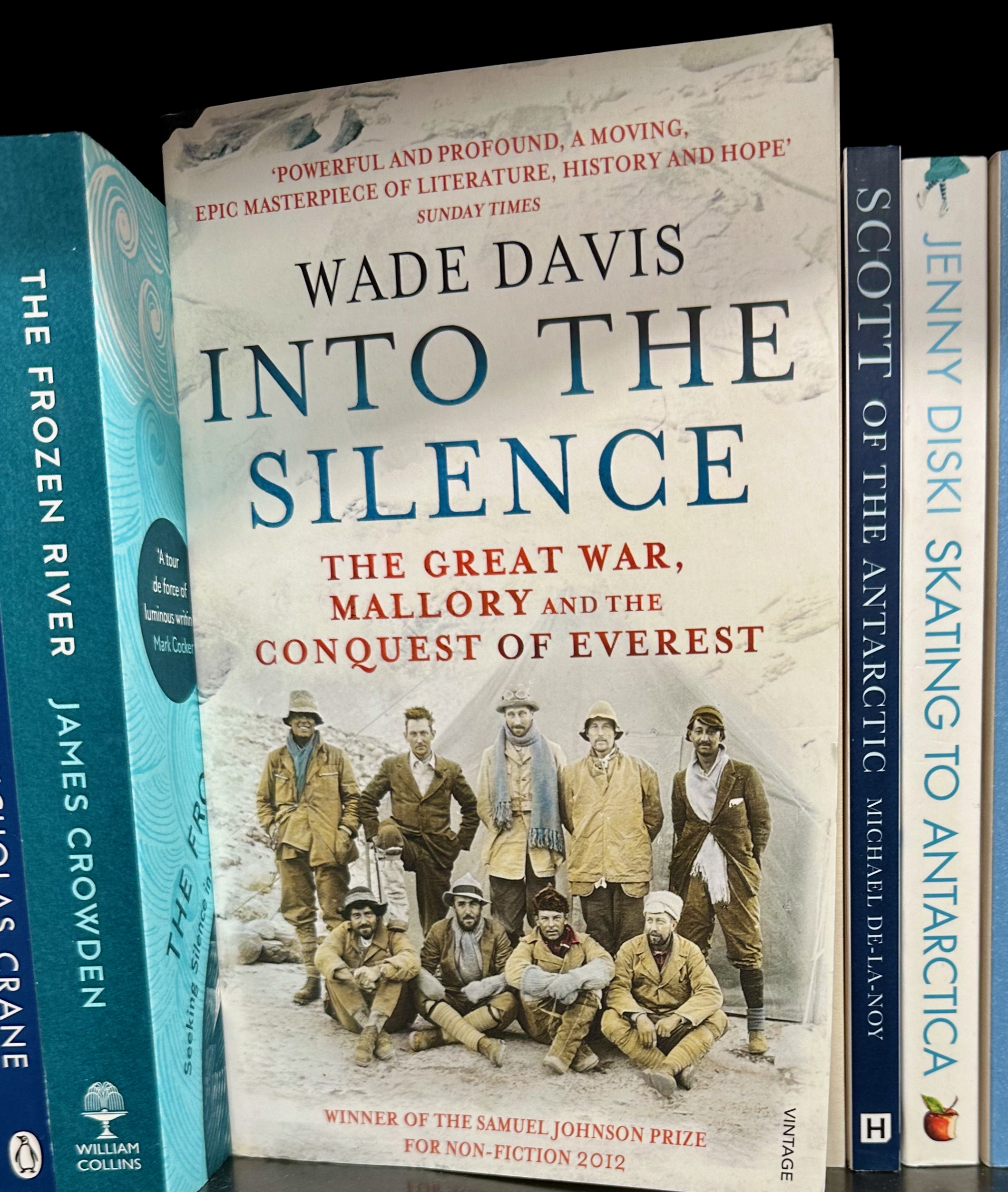
When you share your story, do you prioritize continuity or curation of the narrative? Do you have a default mode, or does it depend on the audience? Does the purpose of the story matter? Are you entertaining or making a call to action?

What if your planning starts from the end? What if you reverse engineer from the finish line? How might it change your mindset and alter priorities? How might our investments of resources alter if our strategy works from a different perspective?

