Impact

Fractional Utilization

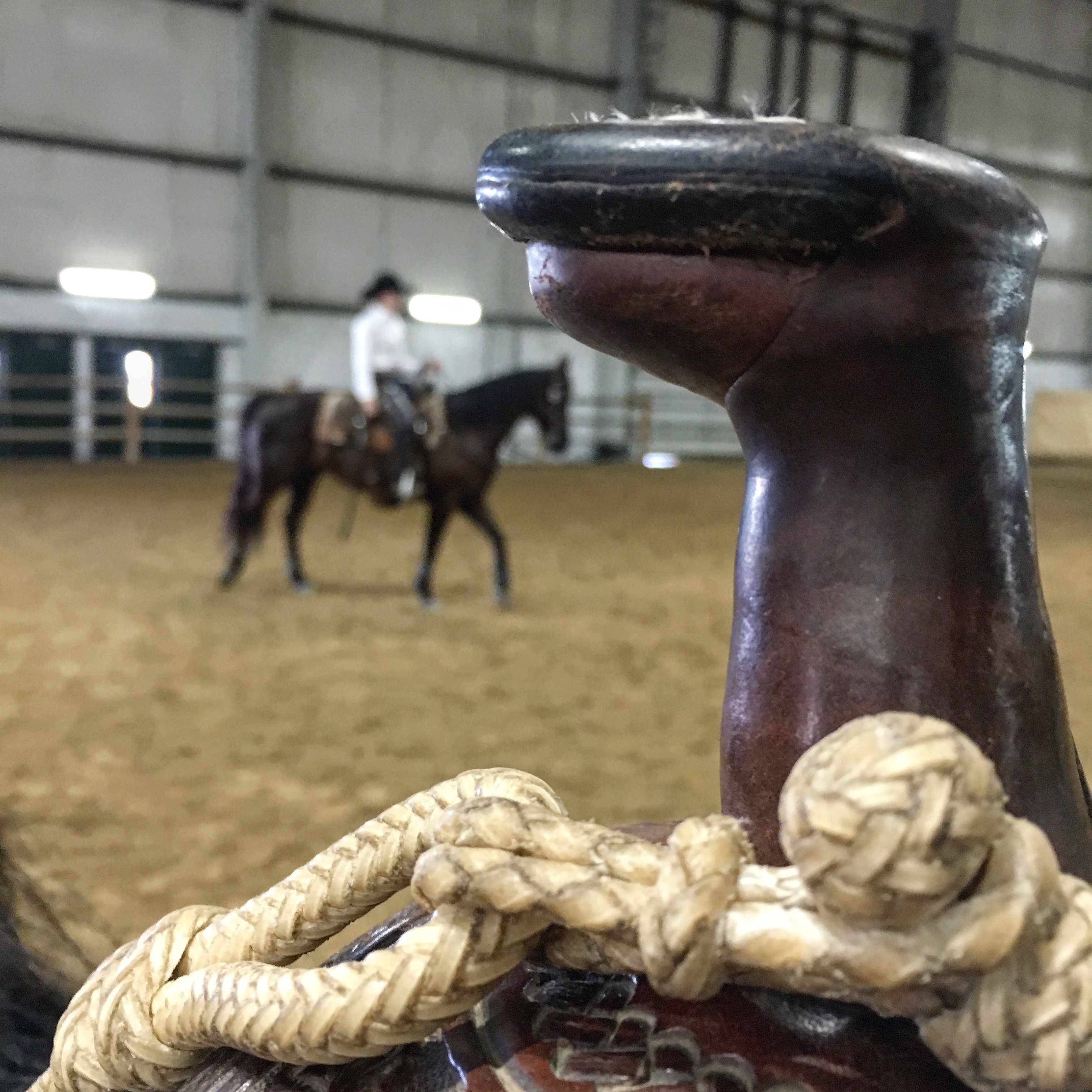
Top performers learn how to use their elite capacity in doses. Instead of maintaining an output that is always at their redline, they can calibrate the scale of their effort to the requirements of the terrain they face.

How might we scale our efforts to better reflect the real-time demand on our resources? How might we set those who serve up for success by coordinating their efforts to the work that matters?

Knots

When we introduce a knot, we weaken the working load of a rope up to 50%. If we project the impact of a knot into our own work, what are the literal or figurative knots that create impediments to our impact? Which systemic knots can easily be removed? Which operational knots have been stressed so dramatically that they cannot be undone?

How might we employ knots to secure essential items and avoid using them when they are redundant or unnecessary?

Creating Disruption

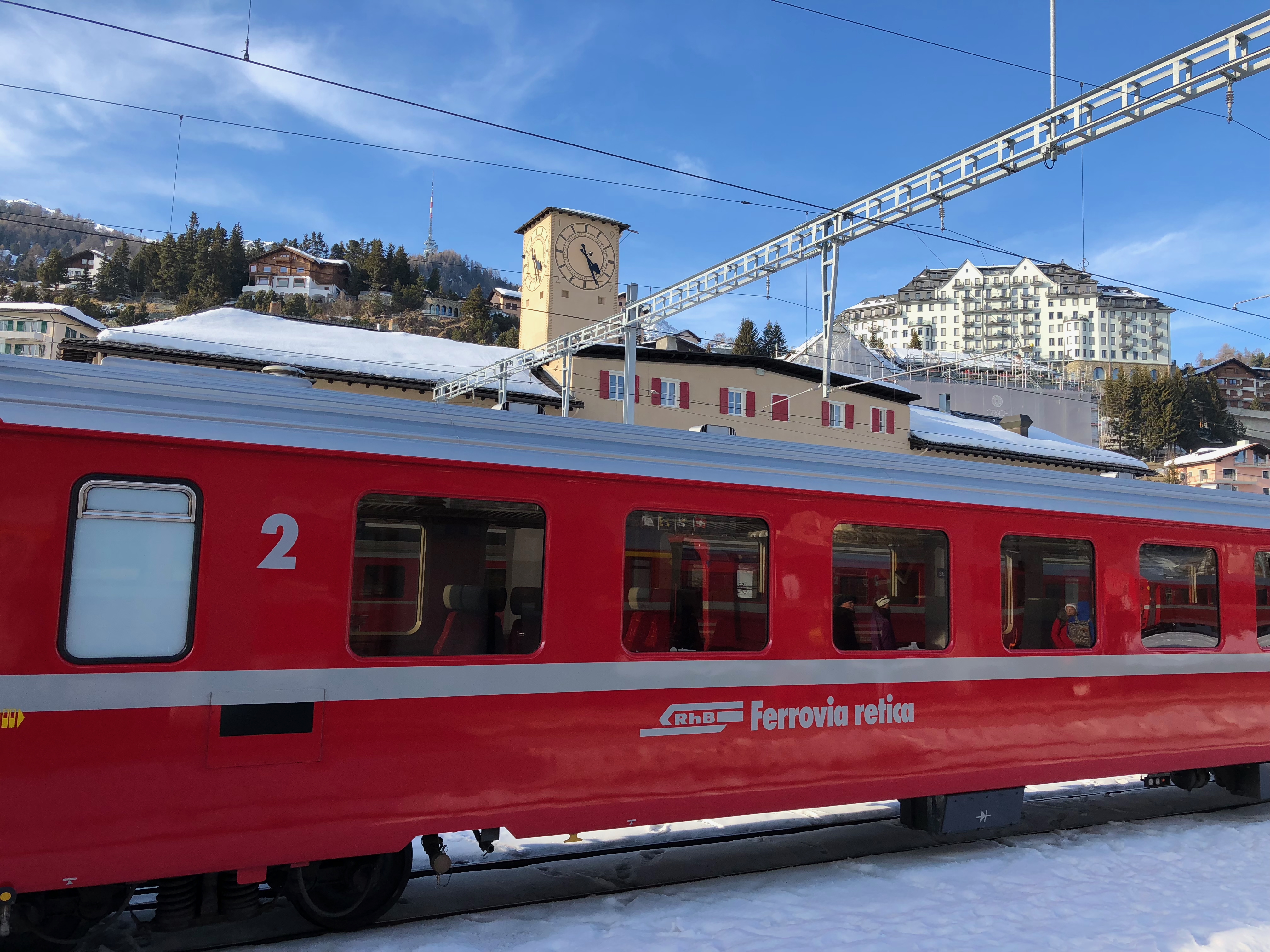
Swiss Federal Railways (SBB) banned select Deutsche Bahn (DB) trains from traveling into Switzerland due to their chronic late arrival. The Swiss have declared that late trains disrupt their network too much, so it is better for them to terminate the German service at the border and run SBB trains onward into Switzerland.

Which partners does your work rely upon that consistently disrupt your results? It might be funders who distribute grants late, local government slowed by bureaucracy, another nonprofit organization that needs constant prodding, volunteers who are not engaged effectively, or your own board that is risk-averse and requires more time for contemplation.

We can script a nimble timeline, but the human element often has a bigger impact than we might anticipate. How might we construct alternatives or more flexibility when relying on other components? When do we decide to pause/terminate a partnership because the impact on overall performance is unsustainable?

Empty Seats

A commercial airline commits numerous resources to selling as many seats as possible on every departing plane. A ski area is less fixated on the number of empty seats on the ski lift. Ski reports are more focused on selling tickets, passes, food, lessons, and other point-of-sale opportunities.

When we produce an event/program, do we measure its impact by the number of attendees or the depth of engagement of those who participate?

The Gutter

Gutters help keep the primary travel surface free of debris and precipitation. They collect everything from snow to trash to lost treasure. We barely see the gutter if the central lane is free of obstacles. But we reach a liminal zone when forced to navigate using the gutter due to hindrances, too many pedestrians on the sidewalk, or to evade collision. Gutters serve as thresholds between different forms of travel. Until we venture into one to expedite our journey or utilize it in an emergency, we rarely pause as we cross this boundary.

However, it can become emotional when forced into the gutter to accommodate a person or object deemed a priority. For example, proprietors may claim sidewalk space for their enterprise and route passersby into the gutter as egress. A poorly parked vehicle that

Navigating by gutters can add to our journey: it can make room for a wedding party spilling out of a church, creep past a fire truck engaged in emergency services, or accommodate a new neighbor moving into an adjacent property.

How might we recognize that how we position and communicate a detour, a reroute, or a temporary barrier may be interpreted in various ways?

The Making of ____ Was A Sh*T Show

A YouTube channel (The Making of ____ Was A Sh*t Show) highlights iconic movies and the lesser-known details behind each film’s production. The primary focus is on the movie’s obstacles and challenges it overcame. Many films made it to the silver screen despite all the odds stacked against them.

It reminds us that some of our best work encounters more obstacles than our less impactful efforts. A Tour de France cyclist can ride considerable kilometers of training on flat roads, but they will not be prepared for the race if they forego training in the mountains. We must venture into challenging terrain to fully develop a project’s potential. Getting lost, scraped up, and uncomfortable creates the stories we remember and tell afterward.

Archeology

If we participate in archeology, gaining a spotlight for our work is formidable. We are as remarkable as the people/objects/history that preceded us and occupied the space where we excavate. If we find something never cataloged before, we can draw much attention. However, our site and work can diminish in significance when an older or more preserved version of our find is discovered elsewhere.

If we are committed to doing the work that matters, we may need to be comfortable making meaningful contributions rather than generating headlines. If we are in it for the glory, then we must be willing to sacrifice long-term gains for short-term attention.

Tracking

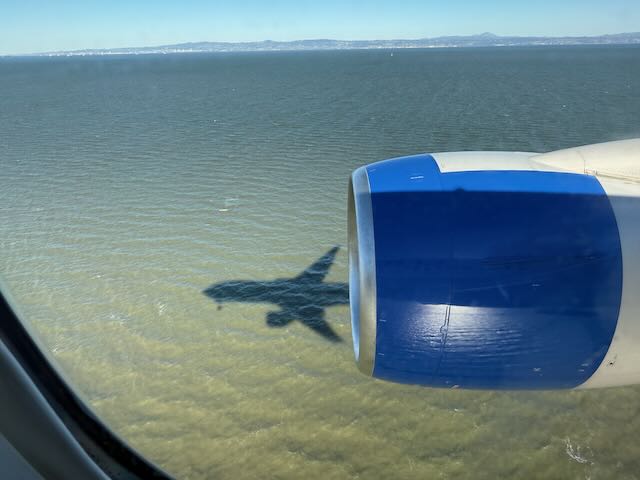
If you are a plane spotter, you can track inbound/outbound flights using an app like Flightradar24. You can see all the relevant information about the aircraft type, destination, speed, altitude, and estimated route online. But you miss the sensation of sitting in a seat as the plane approaches a runway for landing. The noises emitted by deploying the flaps, the landing gear being lowered, the engines varying thrust patterns, the hush of the passenger cabin just before touch-down, and the phenomena of controlled flight.

When we support an enterprise, we are often relegated to flight-tracking mode. We can read the annual reports, review strategic plans, and glance at periodic emails. The majority of our interactions might be fleeting check-ins. We experience the virtual reality version of the in-flight paradigm when we attend a program or visit a site. We get closer to sitting in a passenger seat when we serve on the board or volunteer. The juxtaposition of tracking an organization versus being involved in executing the vision and mission is significant.

How might we provide context for our supporters who are in flight-tracking mode? How might we give the occasional test flight for those interested? Who might we recognize that we have a limited number of seats on the plane and want to populate them with those we serve and a team committed to the voyage?

Hidden Signs

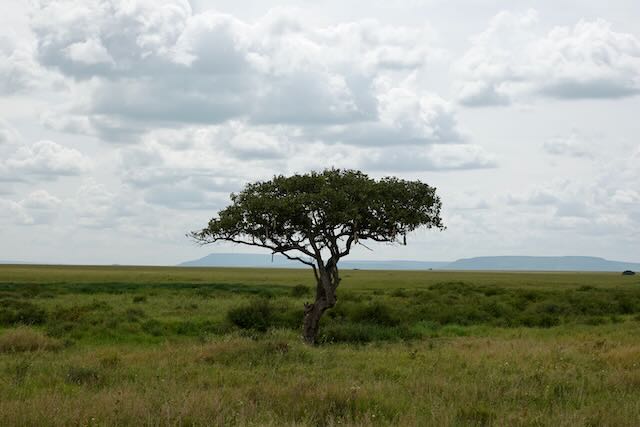
Spotting wildlife on a safari can be challenging. Moving across rough tracks in a moving vehicle, looking for subtle clues to reveal a unique viewing opportunity, is part art form and part science. Leopards are incredibly challenging to spot, even when they take shelter in a tree. A safari guide noted that a tail or paw hanging below a branch is often the only signal to reveal the leopard’s presence.

What are the hidden signs that you use to navigate your journey? A backcountry skier may be alerted to high avalanche conditions by hearing snow settle below their skis as they approach a possible ski slope. A board member may seek more follow-up if numerous committee meetings are canceled over a short period. A supporter of a social sector enterprise may be curious when they only receive communications related to philanthropic giving opportunities.

How might we think about the signals we send and receive when doing the work that matters?

Delayed Reaction

Superheated air takes thirty seconds to reach the top of a hot air balloon and influence its rate of ascent or descent. Therefore, a balloon pilot must make decisions half a minute ahead of the current position. It is a good metaphor for our own expedition. We cannot have the instantaneous response of an accelerator or disc brakes in modern vehicles. Our enterprises are more of a balloon journey; we need to look far enough ahead to navigate and adjust for the wind conditions at different altitudes.

How might we recognize that deploying resources has a delayed impact on our progress?