Impact

Your Single Ride Ticket

Head to the polls, secure a ballot and vote. Vote on every issue. Vote for a single candidate. Or return a blank ballot. Participate in the process. Be heard, be present, be engaged, be unique.

You received a single-ride ticket; how do you choose to use it? It retains no value and cannot be redeemed after Election Day. Participation is your superpower.

Hour of Youth

This moment is the youngest you will ever be, at least in the chronology of conventional time as we define it. What activities and areas of focus are deserving of your current youth? If you map our attention over a day, did we invest it in activities and interactions that maximized our youthful capabilities? We cannot bank it for tomorrow, so how are we spending our youthful resources today?

We the People

Dedicated to serving others, perhaps start with the perspective of ‘we.’ A marching band of one person might be unique but likely limited in their capabilities. If we work together, we can achieve a level of performance and impact that might not be available to those who focus on their individual status. Even if the stadium is not full, we deliver for those who are looking to engage with what we have to offer.

Return on Investment

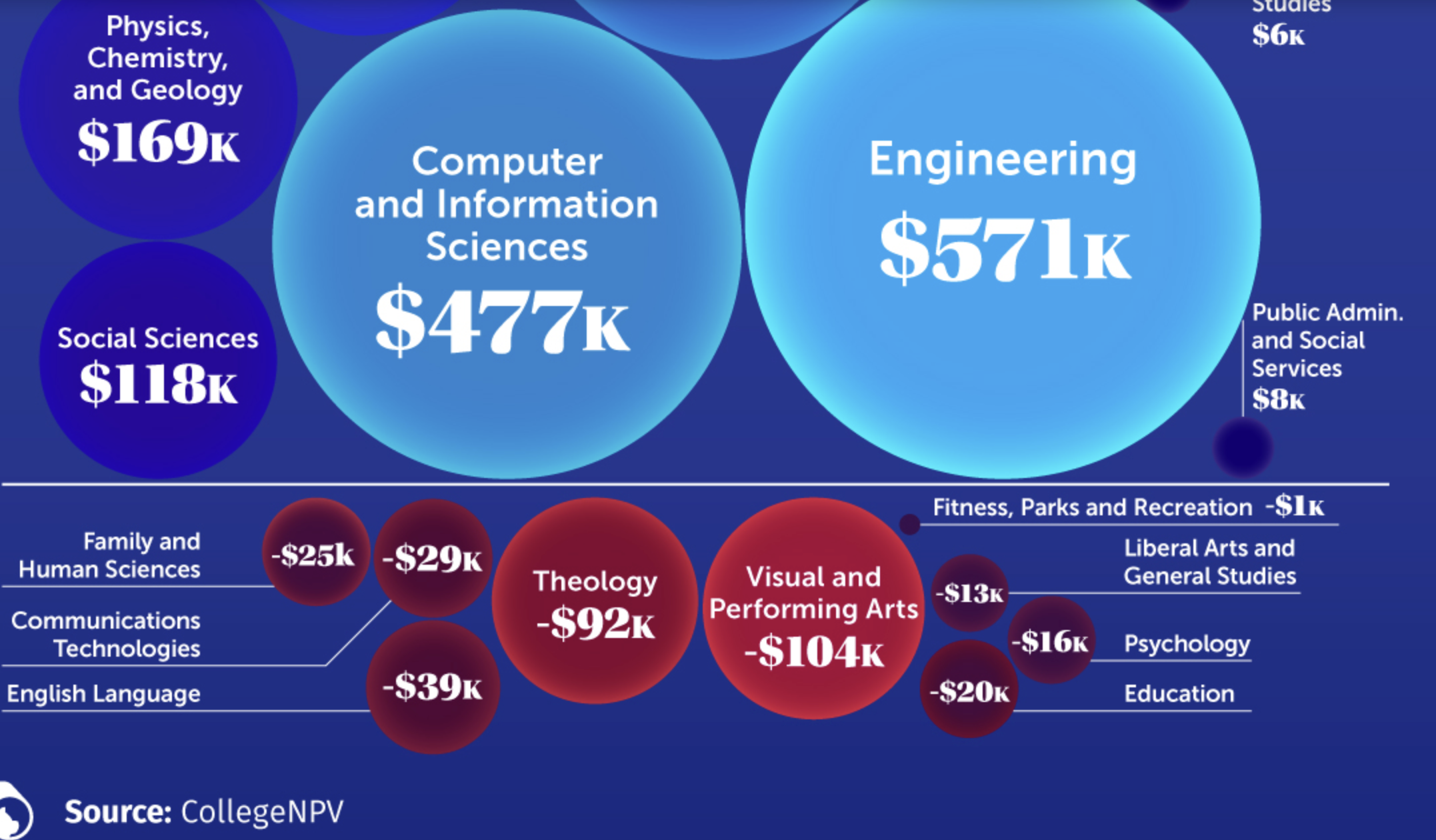
The above chart lists college degrees that have the best return on investment. Would your decision on which major to pursue or recommend to your child alter due to this data? If their passion was to teach, would you steer them away due to the projected lack of economic benefit? If they had a pathway to an engineering degree might you devote additional resources to make sure they benefited from the future forecasted earnings?

What program and resource allocation decisions have your enterprise made based on the calculations for return on investment? What if you are uniquely positioned to act but the momentary reward is not sufficient? Where does return on investment rank in your priority of screen questions when debating the merits of future strategy?

Your Pace

Find your pace, it is the amount of effort that you might sustain over the required distance. External factors like terrain, weather, and outside circumstances might dictate the exertion required. When we try to progress by calibrating our pace off of others, we may benefit from the draft or we may find ourselves over or under our ideal pace.

What is your happy pace? How do you know when you are in that zone? Where has it allowed you to travel?

Correlation and Causation

Correlation is not causation. In a US Presidential election cycle, there are references to one party’s ascendency to power equating to economic outcomes. These correlations and causation folk tales either lack evidence, do not account for other factors, or focus on limited outcomes.

It is a convenient trap in which we get caught. We believe that adding a certain type of board member, hosting a specific gala, running a certain program, or marketing on a particular platform will lead to a specific outcome. There may be correlation and causation links, but often, they are anecdotal and conceal better decision-making opportunities.

How might we not inherit the C-to-C trap and remain curious, even if it appears to go against tradition?

Lagom

Lagom is a Swedish word that translates to “just about the right amount.” What is Lagom for your work? What level of services, resources, engagement, impact, and awareness fit that mindset? So often, the social sector exists in a deficit mindset, driven to scale and expand. If we were to calibrate our work, where would just about the right amount appear on the scale?

Scale

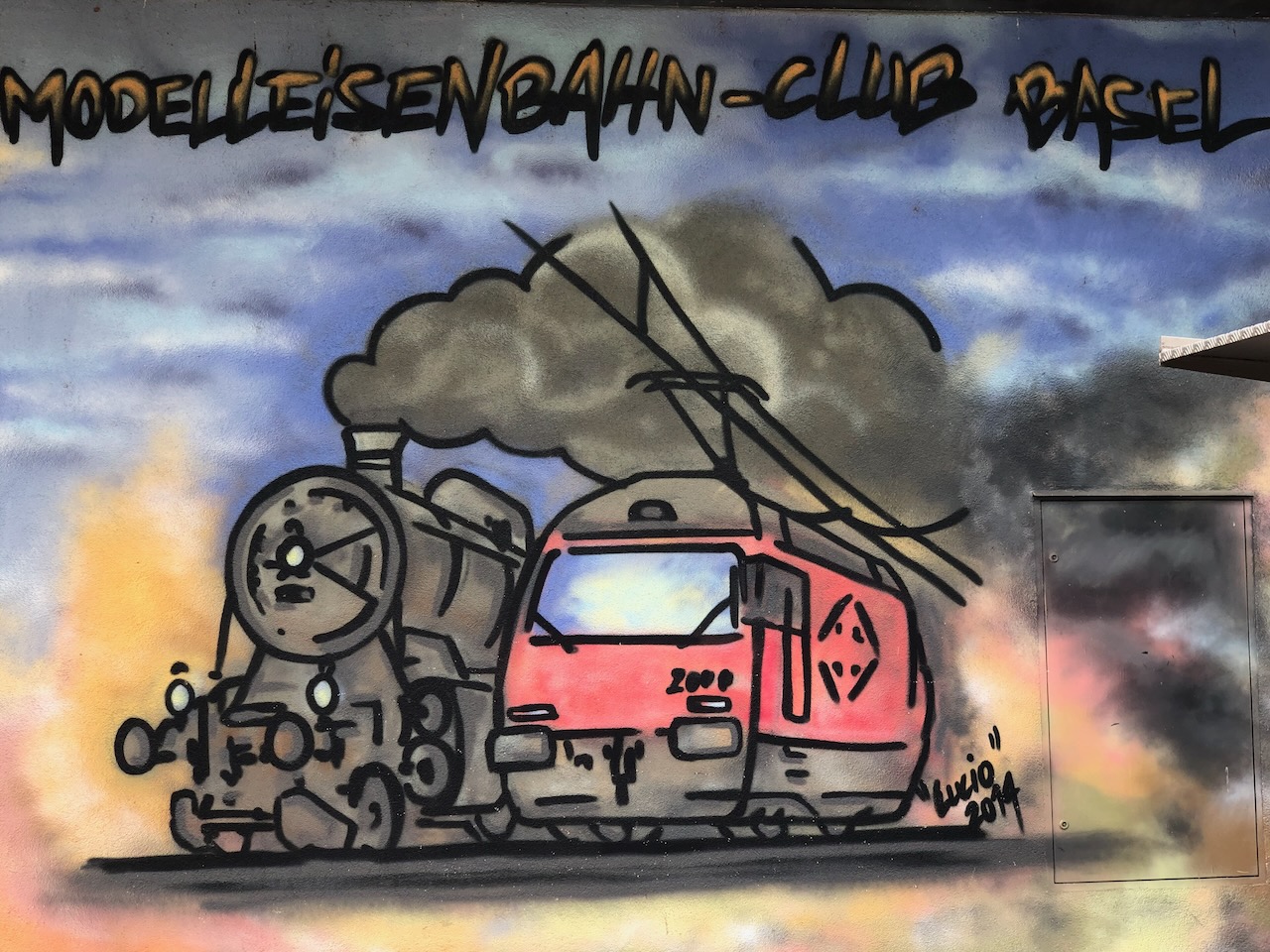
Flying model airplanes is a passion for hobbyists. It is done on a scale that allows for smaller aircraft, and shorter runways and requires less restricted airspace. But it requires some of the regulations and precautions of a real airport.

Which parts of our work are performed on a smaller scale but still require attention to details that may not be obvious? How do we embed our values into each portion of our work, regardless if it is a mainstage or a pop-up performance?

Bus Stop

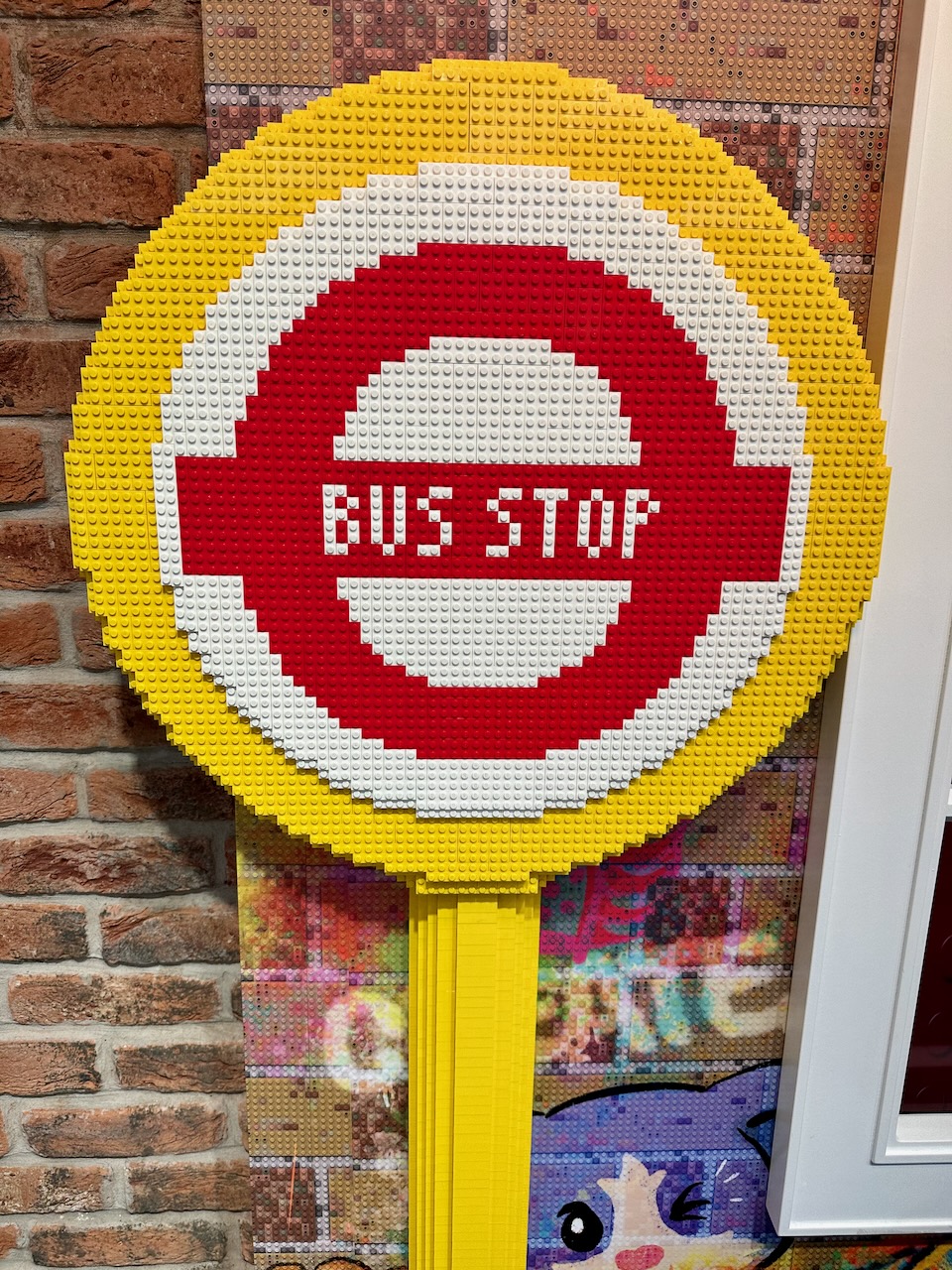
It is not convenient or realistic to wait to engage our fans on the shoulder of an interstate highway between exits. We are more likely to engage if we position ourselves at a bus stop (or any accessible location) where those we serve might be disembarking.

How might we assess if we are accessible to those we wish to support or if we have created unrealistic barriers?