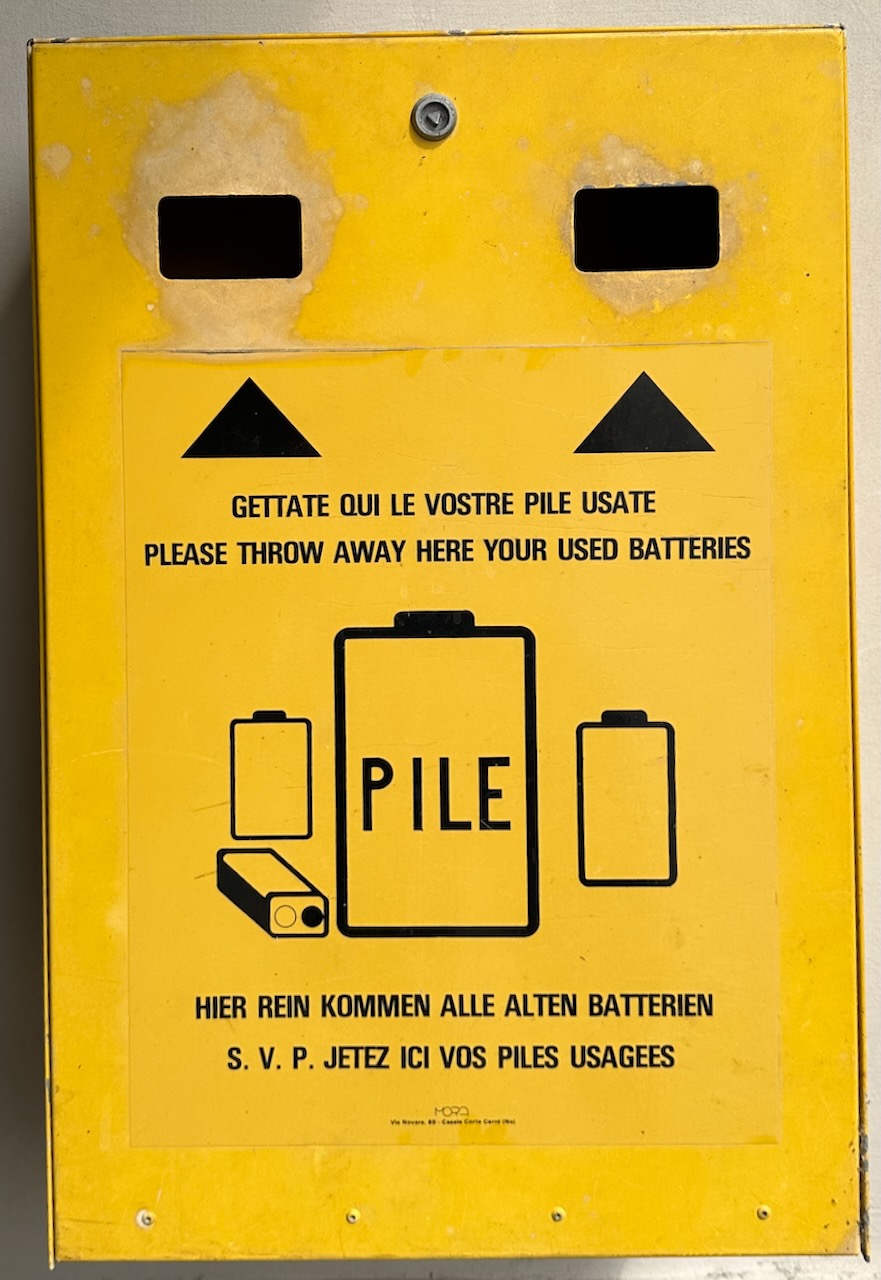
Some things do not require over-design and thinking. If you want to offer a drop-and-go option, make it easy to use, simply designed, and well-positioned.
Some things do not require over-design and thinking. If you want to offer a drop-and-go option, make it easy to use, simply designed, and well-positioned.

A water fountain requires little maintenance but provides essential fuel (hydration) for those who pass. A thirsty hiker, cyclist, runner, hot canine, and many others benefit from a good water source’s self-service, always-on nature.
What services do you provide that are easy to use, simply designed, and require little labor to monitor?
When we navigate mountain ridgelines, we get a different perspective. When the views are optimal, we can see multiple sides of the peak we are ascending. When the weather closes in, we are closer to the terminal velocity point, where weather sweeps across the edges, and we adjust to atmospheric pressure differences. It is often a dynamic place.
How might we situate ourselves at our organization’s ridgeline to better understand what terrain we have ascended and what remains above? When I worked at an elementary school, the student drop-off and pick-up points provided a ridgeline vantage point into parent-student interactions. The faculty lounge was a ridgeline to staff morale and mindset. The recess area was the ridgeline for student-to-student interactions outside of the classroom setting. What are your organizational ridgelines?

If we place our work against the right backdrop, it amplifies our intended impact. The effect is diminished if we locate it against a background that overshadows or camouflages our work. As much as we concentrate on our output, we might give more weight to the setting.
Setting the right pace is essential to provide the best experience for those you serve. A shepherd can only push a flock of sheep so fast; speed shepherding is not sustainable.
How might we pace our efforts so those who want to travel with us can stay in touch?

Waterfalls tend to attract attention. If reaching one requires navigating a hiking trail, many people use the waterfall as a turn-around point or a place to rest before continuing up the trail.
How might we position ourselves as a point of confluence with the surrounding environment? How might we evaluate our location as part of our strategic value proposition?
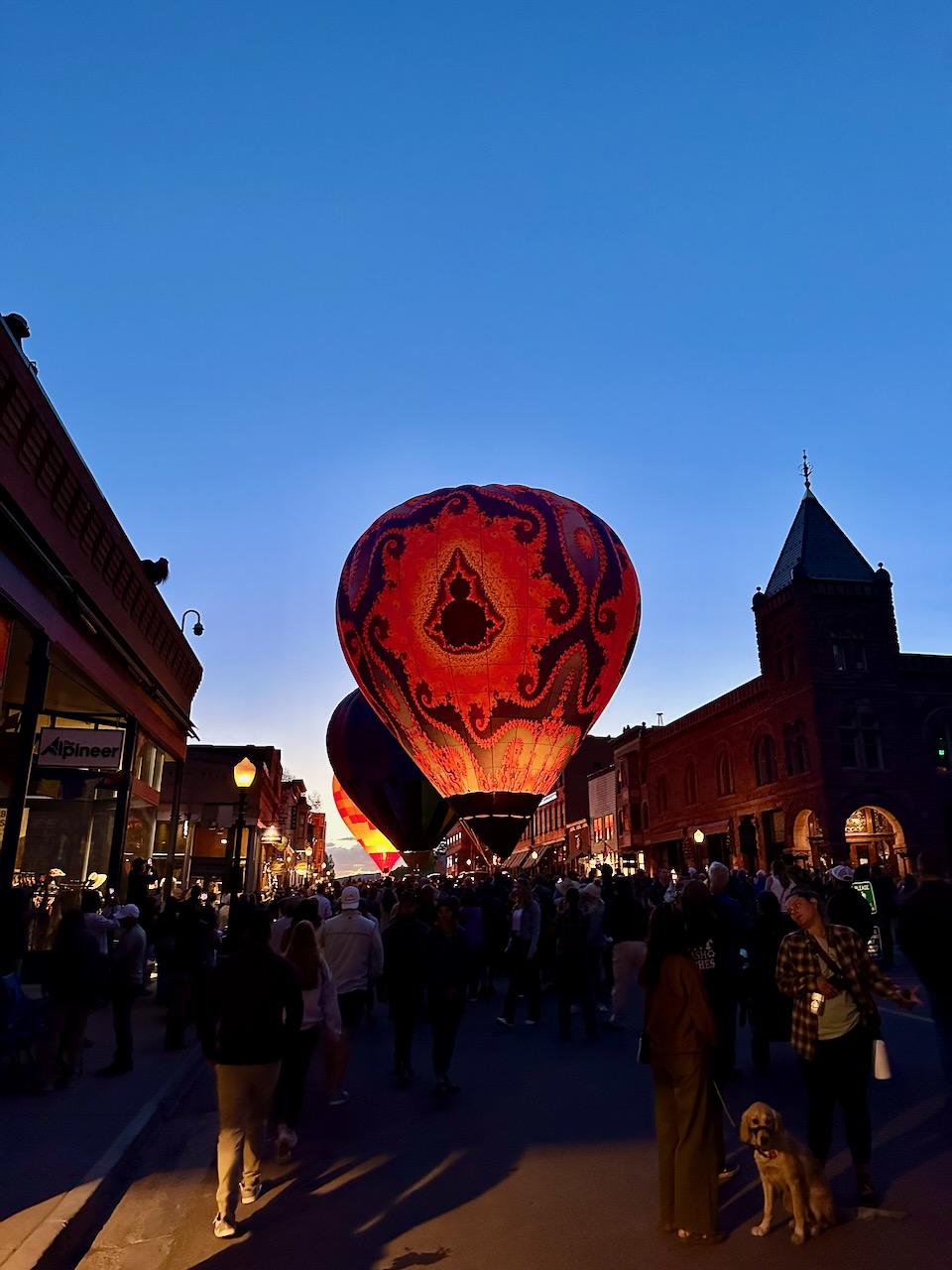
Selling travel insurance at the airport baggage carousel is a poor prospect. Running a lemonade stand after exiting a fast food drive-thru window presents fewer sales opportunities. Giving a keynote on ‘how to get the most out of a conference’ as the closing presenter might be less impactful. Inflating a hot air balloon in a remote field with no spectators generates less excitement.
How might we recognize that our setting matters? If we are uniquely positioned, then our services will be relevant. If we hide in the shadows, we may be of value only to those who took a wrong turn.

After you complete the hard part, then what? Do you stop and rest, or do you continue forward at a recovery pace? Can you accelerate on easier terrain, or is your journey finished? Tour de France riders do not call it a season after three weeks of bicycle stage racing. They move on to the next round of events (World Championships, Olympic Games, Vuelta Espana, etc.).
A way to distinguish ourselves is not by completing the hard section but by our actions after cresting the headwall. A social sector organization that completes a capital campaign and then goes silent is remarkable for not being able to double-click on its campaign’s impact. An enterprise that goes viral for a compelling story and continues to make that event its sole highlight reel for successive years is the equivalent of riding off into the sunset.
How might we plan for the crux move and the terrain that follows?

Leaving the barn for a horseback ride, dirt and debris from one horse collects in the aisle. So, I could sweep just outside my horse stall. Or, I could sweep the entire aisle. The entire job might take a few additional minutes, and it leaves the barn cleaner for those who come after.
Are we serving ourselves, or are we being of service to others? We cannot always do more than needed but when we do, we amplify the work of those around us.

If you have energy for one more interval (high intensity, shorter duration effort) during endurance training, should you do the interval, or is it more beneficial to finish the workout before reaching empty? Sports physiologists suggest that the body is like an iPhone battery. It performs best between 80-20% of charge. Draining the battery (body) too much causes the battery to lose functionality, and maintaining a constant 100% charge decreases total battery life. We can take steps to expand our functionality in that sweet spot, but ultimately, there is a threshold for return on investment.
How might we understand that the attributes of ‘grit,’ ‘fortitude,’ and ‘never say quit’ are noble but potentially misguided if not utilized in the right circumstances? Leaving one more interval (effort) in our capacity may be more impactful than finishing the workout (project) in total exhaustion. What is your ideal performance bandwidth if you selected a percentage of effective output (like a mobile phone battery)?
 What-if-concepts