Impact

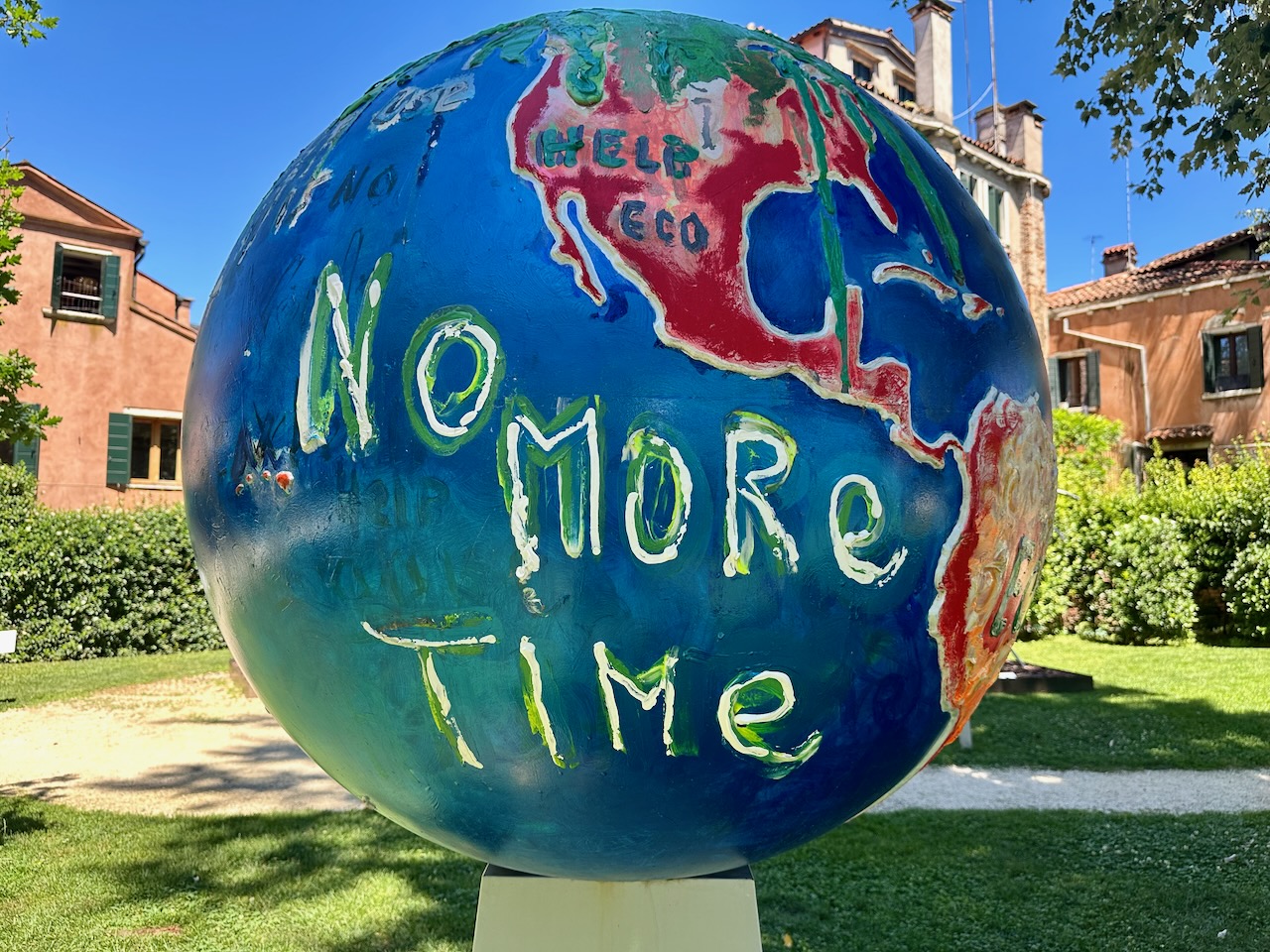
No More Time?

We will not know there is no more time until we cross some imagined or real threshold. Until then, the anxiety and panic of these alarming pronouncements claiming we are out of time feel insufficient (and liminal). How might we raise awareness and create pathways to change, informed by a limitation of duration but not stating we passed the endpoint? If we miss the last train/plane/bus, there is little we can do but wait in place (and perhaps sulk). If there are options to rejoin our journey, we should make those opportunities visible. Distracting the team by activating the alarm system creates distraction; we focus on evacuation when alarms sound instead of addressing the problem.

Useful

A tugboat is not useful for the majority of a transatlantic crossing. However, it is a crucial tool to pilot a large cruise ship from the departure port and upon arrival at the destination port. Tugboats are uniquely positioned to ensure successful voyages. We do not disparage the value of a tug boat when it returns to the harbor once the cruiseliner reaches the breakwater and open seas. The confined and complex waters of a busy port require a specialist, and the tugboat is the ‘offensive lineman’ of the harbor. Working in close proximity to others and rarely receiving the spotlight unless something goes wrong.

How might we maximize our usefulness without fretting about the portion of the journey we are not equipped to support?

Reflection

We project reflections to those we serve. Despite our original narrative and authenticate approach, the process of interpreting us is left to the receiver, who must decode numerous cues and subtle outputs. No matter how vast, rapid, versatile, gritty, dedicated, inspired, generous, or empathetic our intentions, they must be converted into the base language of the recipient.

How might we remain curious about the impact of our superpowers? We may think we are saving the village nestled in the mountain valley by removing the giant balance rock perched precariously on top of the cliff, but perhaps that boulder was the iconic centerpiece of the town’s identity and folklore.

How might we consider, ‘What else can this represent’ before reacting to our reflection?

Providing Access

How do you deliver your services to those who benefit from your superpower? Is the access point narrow and secretive, or is it broad and expansive? Are you offering urgent care level availability, or are you a specialist that requires an appointment and a long wait? Knowing where we are uniquely positioned to serve allows us to think about the platforms where our services are most effectively delivered.

How might we provide access for those in need? What is worth positioning in the public domain, and what requires safeguarding behind a robust fortress rampart?

Fuel for Your Journey

A water fountain requires little maintenance but provides essential fuel (hydration) for those who pass. A thirsty hiker, cyclist, runner, hot canine, and many others benefit from a good water source’s self-service, always-on nature.

What services do you provide that are easy to use, simply designed, and require little labor to monitor?

Ridgelines

When we navigate mountain ridgelines, we get a different perspective. When the views are optimal, we can see multiple sides of the peak we are ascending. When the weather closes in, we are closer to the terminal velocity point, where weather sweeps across the edges, and we adjust to atmospheric pressure differences. It is often a dynamic place.

How might we situate ourselves at our organization’s ridgeline to better understand what terrain we have ascended and what remains above? When I worked at an elementary school, the student drop-off and pick-up points provided a ridgeline vantage point into parent-student interactions. The faculty lounge was a ridgeline to staff morale and mindset. The recess area was the ridgeline for student-to-student interactions outside of the classroom setting. What are your organizational ridgelines?

Waterfalls

Waterfalls tend to attract attention. If reaching one requires navigating a hiking trail, many people use the waterfall as a turn-around point or a place to rest before continuing up the trail.

How might we position ourselves as a point of confluence with the surrounding environment? How might we evaluate our location as part of our strategic value proposition?