Innovative Concepts

Your Pace

Find your pace, it is the amount of effort that you might sustain over the required distance. External factors like terrain, weather, and outside circumstances might dictate the exertion required. When we try to progress by calibrating our pace off of others, we may benefit from the draft or we may find ourselves over or under our ideal pace.

What is your happy pace? How do you know when you are in that zone? Where has it allowed you to travel?

Getting Out

It might be easy to enter. The door is open, the trail looks enticing, the seas are calm, or the new idea is energizing. When things do not proceed as anticipated, things get problematic. Our exit plan is not apparent. The door is locked, the trail has intersections we do not recall, the tide has turned, or the idea deflated our resources.

How might we consider the exit strategy before we launch? How might we leave clues to ourselves as we enter so we can retrace our steps?

Relative

Speed is relative. When running on the promenade deck of an ocean cruise boat, we get a peculiar GPS recording. The ship’s forward momentum might be faster than our average pace, so we progress across the ocean, even when our run changes to walking or standing. Viewed by a passenger sitting in a deck chair, our running speed might be assessed at 8 mph. Seen by a lighthouse tender as the vessel passes close by, we are estimated to be moving at our running pace, plus the ship’s speed. Now, our relative speed might be over 25 mph.

How might we recognize our perspective is relative? We see things from a unique perspective, and our assessment is relative to location. What may feel fast, slow, big, small, daring, safe, lonely, crowded, remarkable, or average is relative.

Skeuomorph

A skeuomorph is a derivative object that retains ornamental design cues (attributes) from structures that were necessary in the original. A dated example is a floppy disk serving as the ‘save’ icon on a computer screen even after primary storage transitioned to USB flash drives and the cloud.

What are skeuomorphs in your enterprise? How do they benefit or hold back the organization? A private investment bank I know uses roll-top desks in the partner’s room despite the move to more modern office decor throughout the rest of the building. Computers, cloud storage, and wireless forms of communication are mixed with slots for sorting written correspondence, ink wells, and deep filing drawers. The roll-top desk for the bank is a reminder of its heritage as a merchant shipping company and maritime history.

Backlight

What perspective becomes visible when you add backlighting? How might we use different approaches to consider an idea instead of approaching from the same direction at the same time of day? If you head out on a night hike, navigate in a snowstorm, or work from poorly scaled maps, you experience alternate ways of traveling.

How might we occupy diverse vantage points at irregular times of day to see the terrain ahead in both ideal and challenging conditions?

Not As Planned

Despite a simple design, the package label was affixed to the box in the wrong corner. The parcel arrived and no delays were encountered. However, the designers must wonder what they need to do to achieve a higher level of compliance.

What systems have we established that appear straightforward and yet the plurality of users fail to follow the instructions? What works but not as designed? Is it worth redesigning or living with individuals struggling to follow the instructions? How many people wander down the ‘do not enter’ entrance, take photos of the protected artwork, reply to unmonitored email addresses, make contributions without designating their intentions, or ask questions before the Q&A session? Nothing was broken but the system grinds a little louder.

Celebrating Halfway

How does it resonate if I celebrate running a marathon at the half-marathon mark? A half-marathon is an accomplishment, and on its own, the result would be worthy of sharing. However, in the context of a marathon, it is simply fifty percent of the work, and some suggest less than 50% of the mental and physical exertion. If we state the big goal, our progress bar is correlated to the total distance. Is it necessary to reach the finish line to celebrate the journey?

How might we understand the implications of announcing an ambitious goal? Is there significance in the effort if we do not reach the destination? Is exponential value delivered to those who complete the course versus those who commit to an effort and cease before crossing the line?

Common Language

An aviator might use the following terms during a flight: departure, crosswind, entry, downwind, base, and final. It is vital that other aviators and control tower operators understand these terms. This allows for a shared language and expectations.

What is your enterprise’s common language? How do you orient new members of the community to the terms? What value do they add to your cause? When (if ever) do they fail?

The Rules of Buck

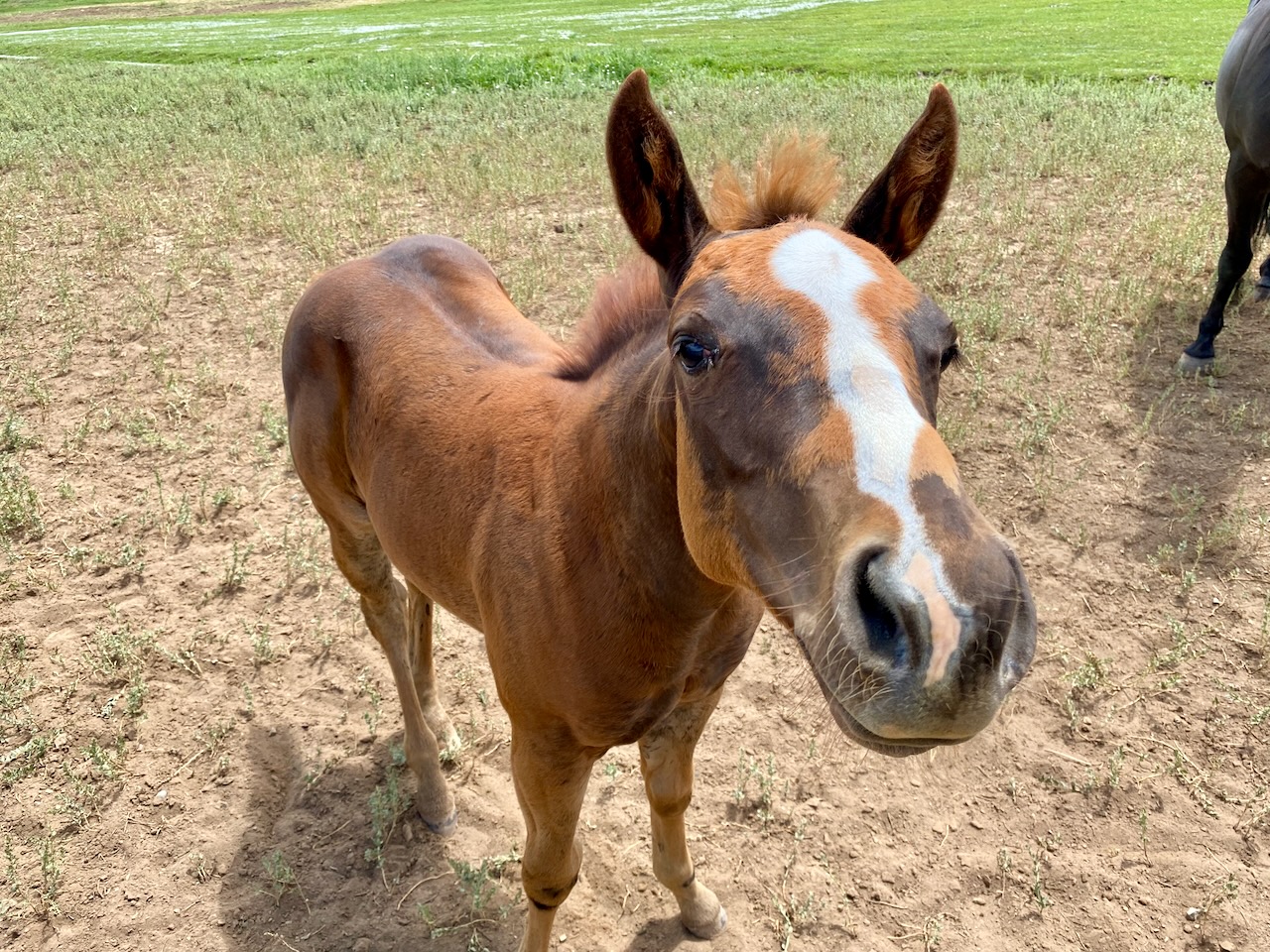
In my early teen years, my parents owned a buckskin quarter horse (named Buck) who had lived a traumatic life before arriving at our barn. He had been starved one winter, receiving too little hay to survive. In response, he ate his hay from the ground by standing over it and working backward, prepared to kick any horse who came up behind him. He propelled to a gallop the moment one put a foot in the stirrup, a neat trick for a cowboy who wanted to make a fancy exit but not ideal for recreational horsemen. He had frequently been caught by a cowboy who threw a lariat to capture him from a herd of running horses. In turn, we built a small side corral to trap Buck for our rides and slowly haltered him, despite his constant threats of bolting. We had a mental list that was referred to as the ‘Rules of Buck.’ Every month or so we added a new entry. For example, while on a trail ride, my Dad attempted to put on a raincoat when the weather turned. Buck bolted and only settled when the slicker was dropped. We later learned Buck had been used at hunting camp to pack out harvested and quartered elk, which were secured to him on a pack saddle and covered with a tarp that resembled a raincoat. The joys of riding Buck outweighted the numerous rules but he required empathy and a compassioante approach.

We are all a bit like Buck. Past events inform our current mindset and perspective. What rules have helped you succeed, and which do individuals unknowingly violate? Where has empathy and compassion allowed you to progress in arenas that might have been unimaginable in a just proceed forward approach?