
What are you monitoring? Where have you placed your sensors to gain access to the data and metrics? Are you tracking the best information for your enterprise, or have you left the options on the pre-programmed default option?
What are you monitoring? Where have you placed your sensors to gain access to the data and metrics? Are you tracking the best information for your enterprise, or have you left the options on the pre-programmed default option?

How do you understand if we are making progress? If we use your peers’ momentum as a metric, are we sure they are advancing? We might be keeping up only to realize we are motionless?
How might we use external waypoints and independent confirmations to assess our progress?

The mountain glacier used to occupy this location in the 1800s. Today, you have to travel more than 3 kilometers (almost 2 miles) up the valley to view the glacier, and even then, you are not at the glacier’s terminal moraine. We are so keen to measure progress but are reticent to monitor regression. What does regression tell us? It might be the most crucial narrative we can explore.

In 2018, the New York University School of Medicine announced free tuition for enrolling students. A stated metric was the growth in attracting more diverse candidates and greater placement of primary care physicians in underserved areas. MarketPlace aired an update on the program’s progress. A quick glance at the stated metric suggests this effort has not yielded the anticipated results.
The hypothesis was that tuition was a significant barrier to entry, and due to the likelihood of student loan debt, medical students would select specialties that paid the highest salaries over primary care or other lower-compensation medical fields. ‘Free’ is complex and has not vacated all the anticipated barriers. The growth of diverse and challenged socio-economic students has not been as expected.
Leading with a metric can mask the more significant investment we seek to actualize. NYU’s School of Medicine has additional levers and strategies to launch to address the national shortage of medical professionals. The metric might get the headline, but the work that matters may be buried in the heart of the story.

Last night as I was out a ridin’
graveyard shift, midnight ‘till dawn
the moon was as bright as a readin’ light
for a letter from an old friend back home
He asked me why do you ride for your money
Why do you rope for short pay
You ain’t getting’ nowhere
And you’re losin’ your share
Boy, you must have gone crazy out there
But he’s never seen the Northern Lights
Never seen a hawk on the wing
He’s never seen Spring hit the Great Divide
And never heard Ol’ Camp Cookie sing
Night Rider’s Lament is a classic song illuminating the paradox of a cowboy’s employment for minimal pay versus real-world working opportunities. The song’s refrain provides an insight into the benefits of enduring the challenging conditions; the beauty of nature and the comradery of those who join you in a unique pursuit.
How might we recognize that how we keep score is not universal? How might we remain curious about the motivations of those who take a different route?

Jetways and Airstairs located at commercial airports have one job. They are necessary to load and unload passengers and crew. They are deployed for high-use periods and then sit idle. When reviewing utilization patterns, these items might not deliver a compelling return on investment. However, when a plane filled with people arrives, they are essential.
How might we not prioritize utilization metrics but look at the resource’s impact? A ladder would cost less money, but customer satisfaction would definitely drop. Even more critical, a jetway allows us to efficiently board a $100 million commercial airplane that does benefit from monitoring utilization metrics.

Our metrics may change as the organization matures. The number of days in business might be useful as the enterprise launches but becomes muted after a few years. The number of customers enrolled might change to the number of people on the waiting list. Total work accomplished might transition to workflow by category. As we scale and/or refine our approach we get better data and more options to generate metrics. Netflix is no longer going to share the total number of subscribers. They are going to focus on subscriber milestones.
What measurements need evolution in your enterprise? Which ones continue to provide value?

Without awards, how would we know where we rank? How do you measure progress? Do you wait for the annual award show to allow for recognition or disappointment? What if you only have your personal results to use as a measurement? What if you only get a data report once a year? How long does an award sustain your efforts? Are you still talking about an elementary school spelling bee victory, a middle school track and field win, a high school team victory, a college academic achievement, a workplace honor from an accrediting agency, or the nod of appreciation from a co-worker? Awards have a shelf-life unless they are extremely rare (Noble Prize, Olympic Gold medal, World Championship). Awards might be waypoints to acknowledge and re-energize our efforts, but they cannot nourish or sustain us unless high school is the highlight of our lives.

What information do we need to be tracking? How much data do we need, and at what frequency? How do we balance doing the work with being reflective of the metrics? Do we need a snapshot or a deep dive into the numbers?
Quarterly reports, guidebooks, heads-up displays, and forecasts are helpful if we know how to apply them to the terrain we encounter. Otherwise, it is easy to steer the enterprise onto an abandoned dead-end road. Many of us have made ‘great time’ during our travels while headed in the wrong direction.

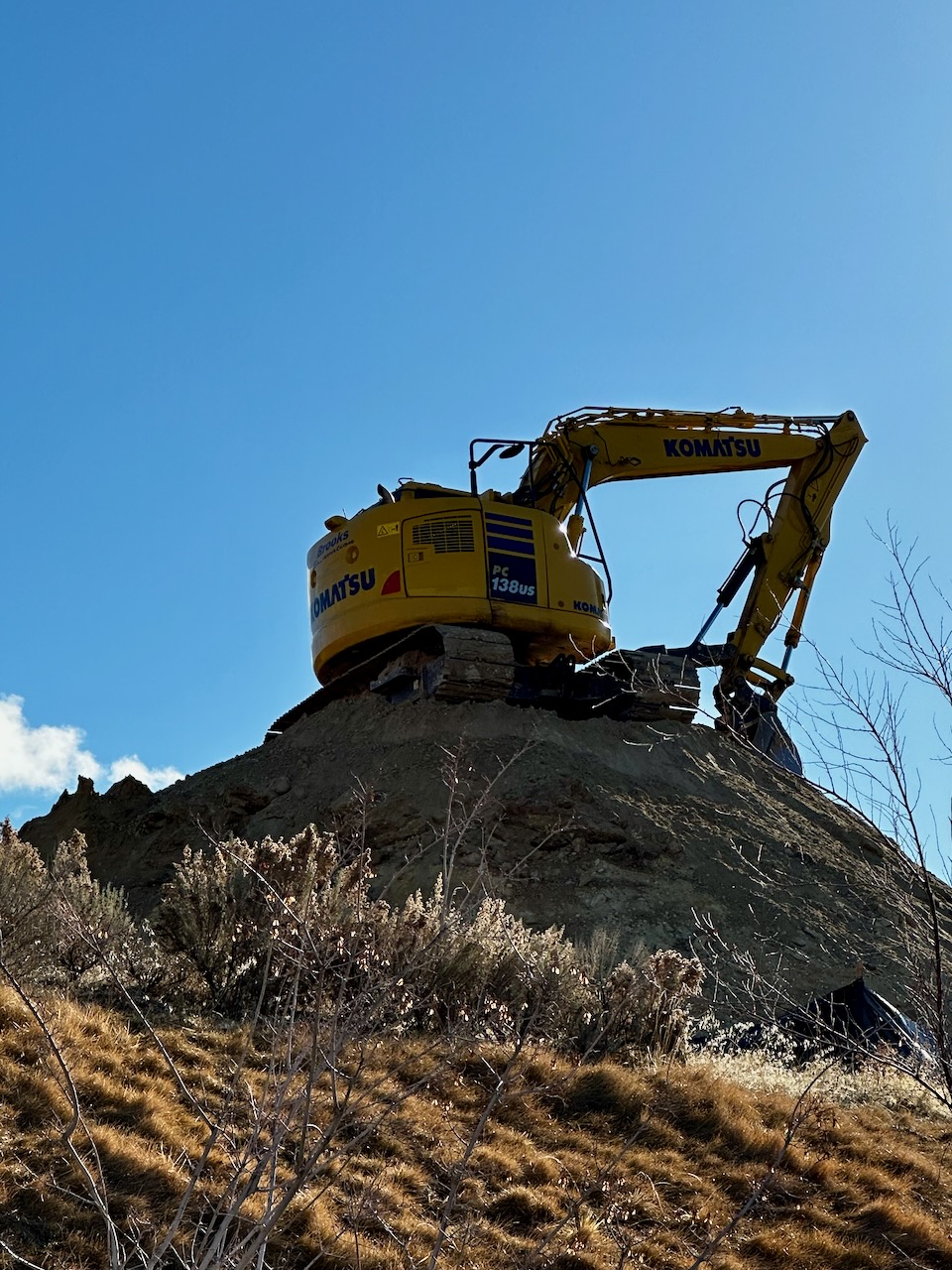
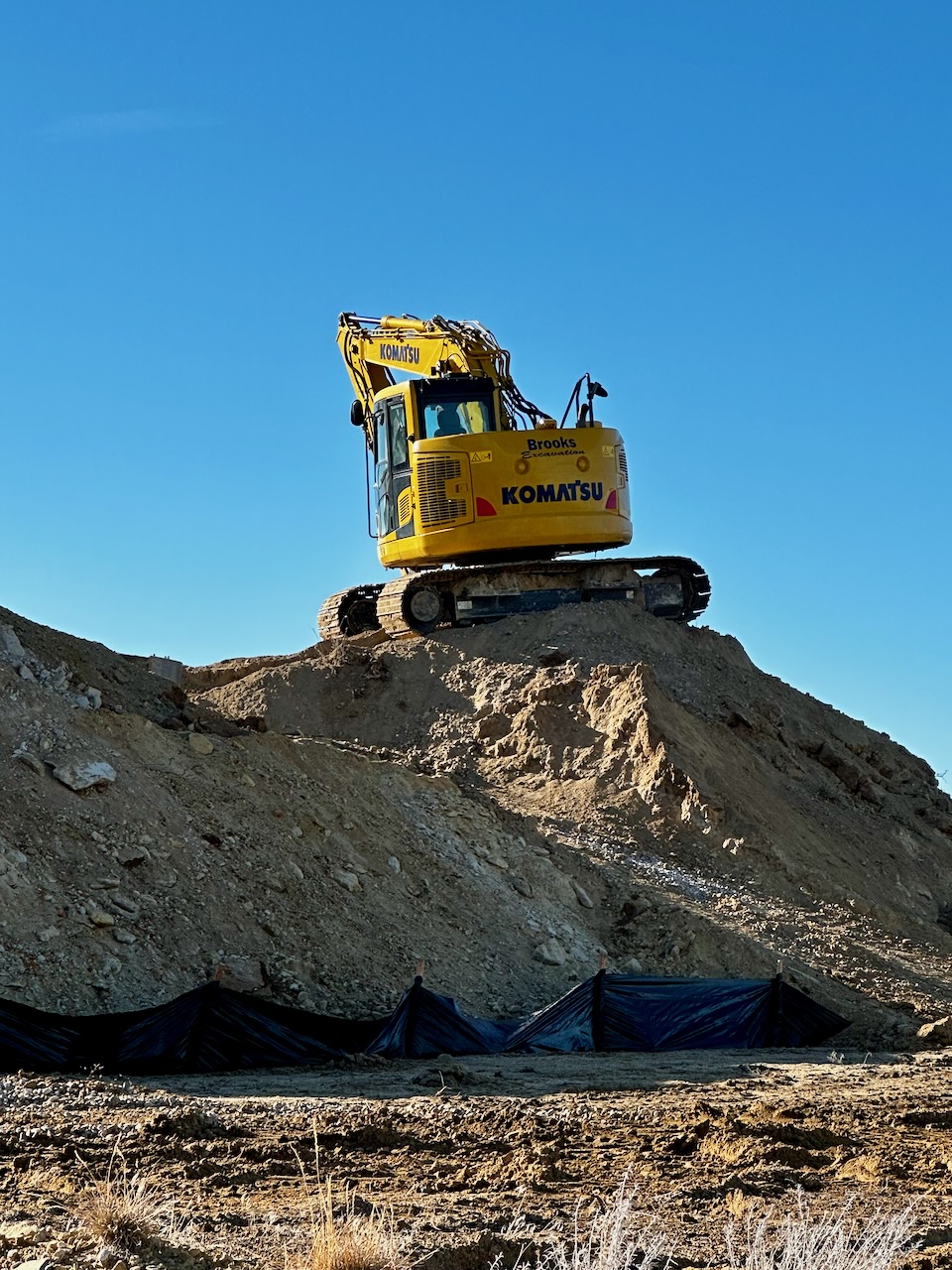
The direction from which we approach an obstacle impacts how we attempt to make sense of the problem. If we are committed to measuring success using data, numerical metrics are essential to our evaluation process. If we believe in the power of stories, then a compelling narrative is vital. If we seek intended impact as the ultimate symbol of success, we might be more committed to reaching the destination than visiting all the waypoints. Endurance and relevance might be our superpowers if we want to remain in the conversation.
How might we recognize that our approach to an obstacle is one of many mindsets in which it can be solved.
 What-if-concepts