mindset

Good Deals, Bad People

Warren Buffet suggested that he avoids trying to make a good deal with a bad person. A flawed individual might flourish by testing every exception within the legal instrument, even if the contract is superbly crafted.

Expanding on this notion, perhaps our enterprise should avoid adding people to the board or team if they possess a history of immoral activity and lack any sense of collegiality. Too often, an organization overlooks historical patterns to attain a single talent (money, network, influence, connections). How might we find at least three key attributes of a potential candidate before nominating them to our cause?
Proxy

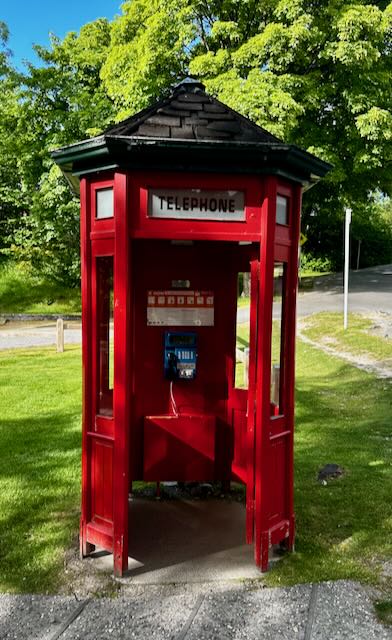
What decisions are we comfortable making via proxy? Which ones do we feel better about being present for? Where are you willing to leverage your decision-making authority, and which requires your presence? When ordering take-out food, a surrogate might be easily endowed with menu choices. Signing a lease for an apartment might fall in the middle. Choosing a life partner is probably best navigated with input from the two interested parties.

Mergers

Last month, I received emails from three different social sector organizations launching separate mergers. Each one made me optimistic. The rationale and plan to move forward were well articulated, but more importantly, the work that had been done to move from concept to merger was impressive. Equally significant were the open questions that these different groups shared. The mergers may or may not work. The abilities of two unique boards of directors to combine may or may not resonate. Retaining all the staff members may or may not endure the transformation. But, there appeared to be a genuine attempt to continue providing essential services.

How might we be open to conversations about partnerships, mergers, and sunsetting if needed? How might we remain curious about the network of affiliates doing the work that matters? How might we not miss the opportunity to ask, ‘What other direction might we consider?’

I Know

I know what I’m gonna do tomorrow, and the next day, and next year, and the year after that.” George Bailey

What will you do tomorrow, the next day, and the next year? How certain are you of these commitments? What if circumstances change?

Are we committed to the journey or the destination? Prioritizing the behaviors and processes that launch us in our expected direction might strengthen the results of our planning; otherwise, we might find ourselves close to our goal but unable to grasp our transformation.

Reaction

How do you react when you get into your vehicle and the check engine light is illuminated? What if the scenario changes to a rental car? What if the warning flashes on randomly but then ceases?

One critical attribute many enterprises seek is individuals skilled at decision-making. Without more information, none of those incidents mentioned earlier have a proper solution. However, how we seek more context and react may reflect our decision-making ability.

How might we not always recruit the most credentialed individuals for our cause but consider their ability to help our enterprise navigate demanding decisions?

Before The Grinch

Many a child has heard or seen the tale of The Grinch. The Grinch’s appearance during the holiday season is almost guaranteed in certain countries.

What if our childhood pre-dates the 1957 creation of the Grinch? Or what if we had a different version narrated in our culture? What might have preceded this green icon of emotional transformation? Other stories of gratitude and reclamation of one’s soul were ubiquitous. From biblical to fables, the parable of witnessing humankind in a new light is constant.

How might we avoid being resolved to one version of a narrative? How might we be open to other interpretations? How might portrayals from others add value to our journey instead of challenging our core beliefs?

Shift Gears

Why do bicycles, automobiles, blenders, and wind turbines have gears? Why not maintain the same mechanical ratio and remove numerous redundant parts?

A partial answer is that gears allow control over power and movement.

When we are working on a project and an individual requests that we shift gears, it implies that our efforts need to be recalibrated to another ratio. Perhaps we need to add more creativity, speed up, wrap up, abandon, try another way, seek help, change leadership…

Gears are magical when we use them to our advantage. When riding a bike in the French Alps, we might use the entire capacity of the rear cassette. Cruising across town on a greenbelt with a negative one-degree slope and a fixed-gear commuting bike is sufficient. Shifting gears is highly beneficial in mixed terrain and likely fine-tuning in static conditions.

How might we shift gears when it benefits our work but not allow the machine to control the operator?