Planning

WIIFT

Have you considered the WIIFT mindset, because most of us are masters of WIIFM; What In It For Them (WIIFT) versus What In It For Me (WIIFM)? There is little friction to assuming a human-centered approach when we are the priority. The degree of difficulty increases as we try to empathize about the needs and priorities of other people. If we are articulating a Magnetic North (purpose, vision, mission, and values) or setting strategic priorities, the likelihood of it resonating is tied to a WIIFT framework.

Operational

The map might indicate a viable route of travel, but if conditions change, what is your alternate course? What if we create scenarios where we navigate a different path or complete a project with instruments not usually at the top of our toolbox? Building versatility in a controlled environment might open new, more effective pathways and provide a greater impact. If we always take off and land on the same runway, then being directed to an alternate runway during challenging meteorological conditions is a big test of our capabilities. That is why emergency services and military groups drill various scenarios. They develop a mindset to handle the unanticipated.

How might we try new approaches while the conditions are stable? How might we engage skill sets that are not in our top ten daily practices?

Where It Will Be

If we want to intersect an orbiting planet, we will fail if we wait until it is closest to Earth and launch. We need to anticipate when the planet will reach the nadir of its orbit relative to Earth and then calculate how much time in advance we need to launch. The same is true for life. Savings funds are best started years in advance, not the week before a major purchase. Save-the-date announcements are sent months before a major ceremony. Architectural plans are drafted through iterations, beginning with broad concepts and moving towards construction and engineering details before building begins.

If the journey ahead is uncharted, we probably cannot plan today for tomorrow’s complete immersion. We need to aim for a point of confluence, where our vision and the future might intersect.

Vista

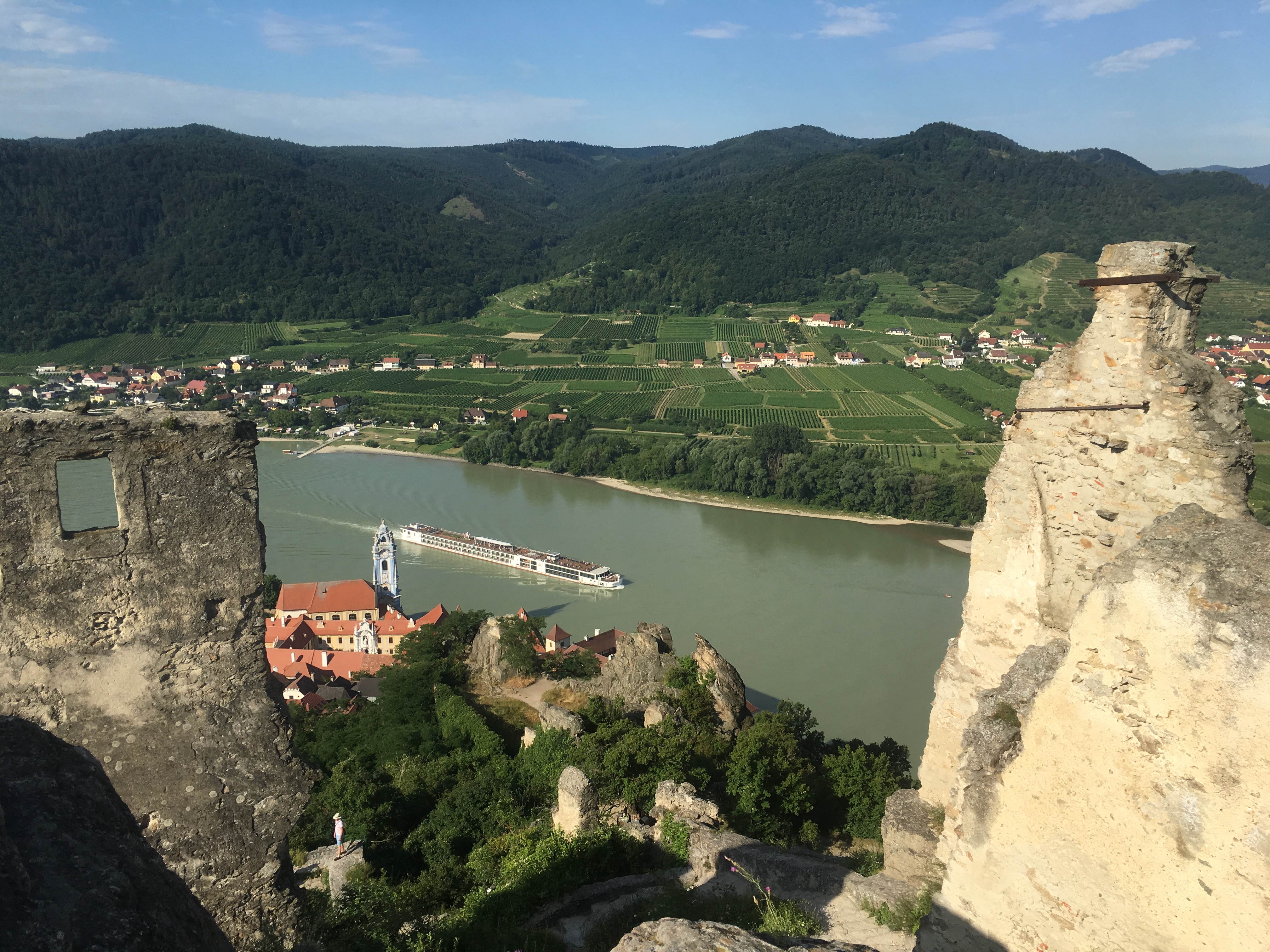
It can be rewarding to arrive at an overlook or a lake shore that provides an expansive view. If we have been navigating paths that have restricted our ability to assess the surrounding landscape, an open area offers solace. This is often why we might take a break in such an area. It calms our primitive mind on the lookout for danger and allows us to reflect and project.

How might we use this approach in our own work? What moments of overlook provide a new mindset and allow us to access unique reflections?

Off the Map

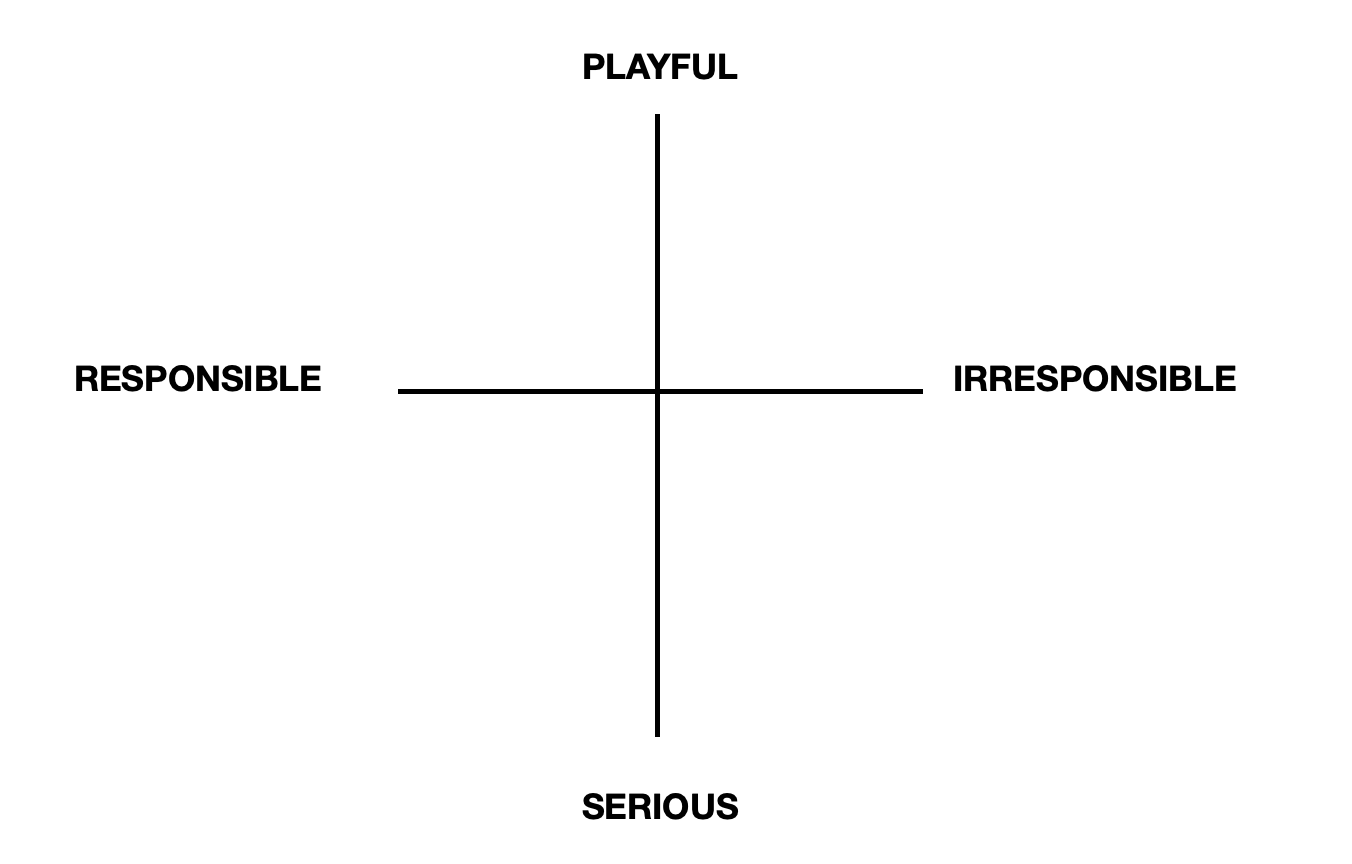
What if you started your next planning session by adopting four mindsets? How would your approach be different if you took a playful and irresponsible approach? What does a serious irresponsible process reveal? By taking on mindsets that are not typical in our practice, we open up conversations that inhabit our blind spots.

Unless You’d Rather Stay, Of Course

Hagrid offers Harry Potter two choices: to follow him to enroll in Hogwarts or to stay with the Dursley family. The story (and film franchise) would have been very different if Harry had chosen to stay with the Dursleys.

We are presented with the same opportunity daily. Although the magnitude of our decisions might differ daily, we can stay or go.

How do you approach ‘unless you’d rather stay’ options?

Obstructed Views

A few years ago, a friend and I made dinner reservations at a hotel restaurant. We had just eaten breakfast and noted that the mountains and snow-covered valley views from the tables by the big windows were remarkable. So we requested a window table if possible. When we arrived for dinner, we were seated at a window table, but we had forgotten to account for the fact that sunset occurred so early in the winter season. We sat at the window table for our meal but could only stare into the night.

Sometimes, we make plans, assuming the views will be amenable to our experience. When an obstacle appears (weather, daylight, misaligned window, selecting the wrong side of our mode of transport), we must be content with the outcome. Planning can be tricky, and we are not guaranteed the results we outlined before arriving in person.

How might we be adaptable to the environment? How might our entire plan not hinge on a single attribute or assumption?

Delayed Reaction

Superheated air takes thirty seconds to reach the top of a hot air balloon and influence its rate of ascent or descent. Therefore, a balloon pilot must make decisions half a minute ahead of the current position. It is a good metaphor for our own expedition. We cannot have the instantaneous response of an accelerator or disc brakes in modern vehicles. Our enterprises are more of a balloon journey; we need to look far enough ahead to navigate and adjust for the wind conditions at different altitudes.

How might we recognize that deploying resources has a delayed impact on our progress?

What, Then Where

If we get precise about what we are doing, it will clarify where we position ourselves. Companies prioritizing returning their employees to the office are reversing this conversation. They are focused on filling their offices with employees that the ‘where’ is proceeding the ‘what.’ Southwest Airlines allows customer support team members to work from home. As an airline, there are vital roles that require presence at an airport or base of operations, but there are roles that allow for a ‘work from anywhere’ approach.

If our journey has the strategic impact we planned, we need to know what road signs to look for. Otherwise, we might confuse motion for progress. If we are living our stated organizational values, it should be evident in the team’s behaviors. Otherwise, we just connect the closest dot without appreciating the whole picture.