Planning

Vista

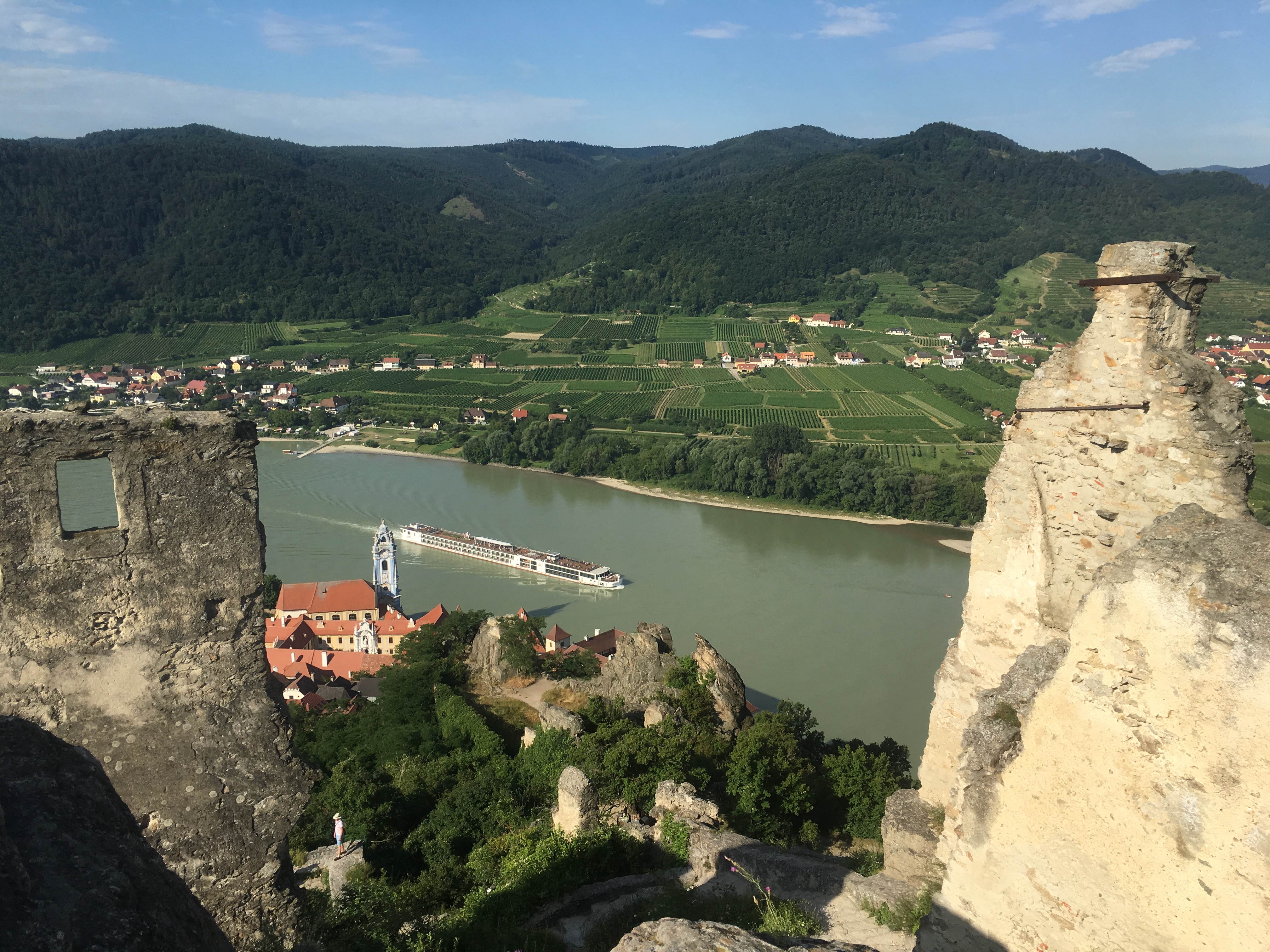
It can be rewarding to arrive at an overlook or a lake shore that provides an expansive view. If we have been navigating paths that have restricted our ability to assess the surrounding landscape, an open area offers solace. This is often why we might take a break in such an area. It calms our primitive mind on the lookout for danger and allows us to reflect and project.

How might we use this approach in our own work? What moments of overlook provide a new mindset and allow us to access unique reflections?

Off the Map

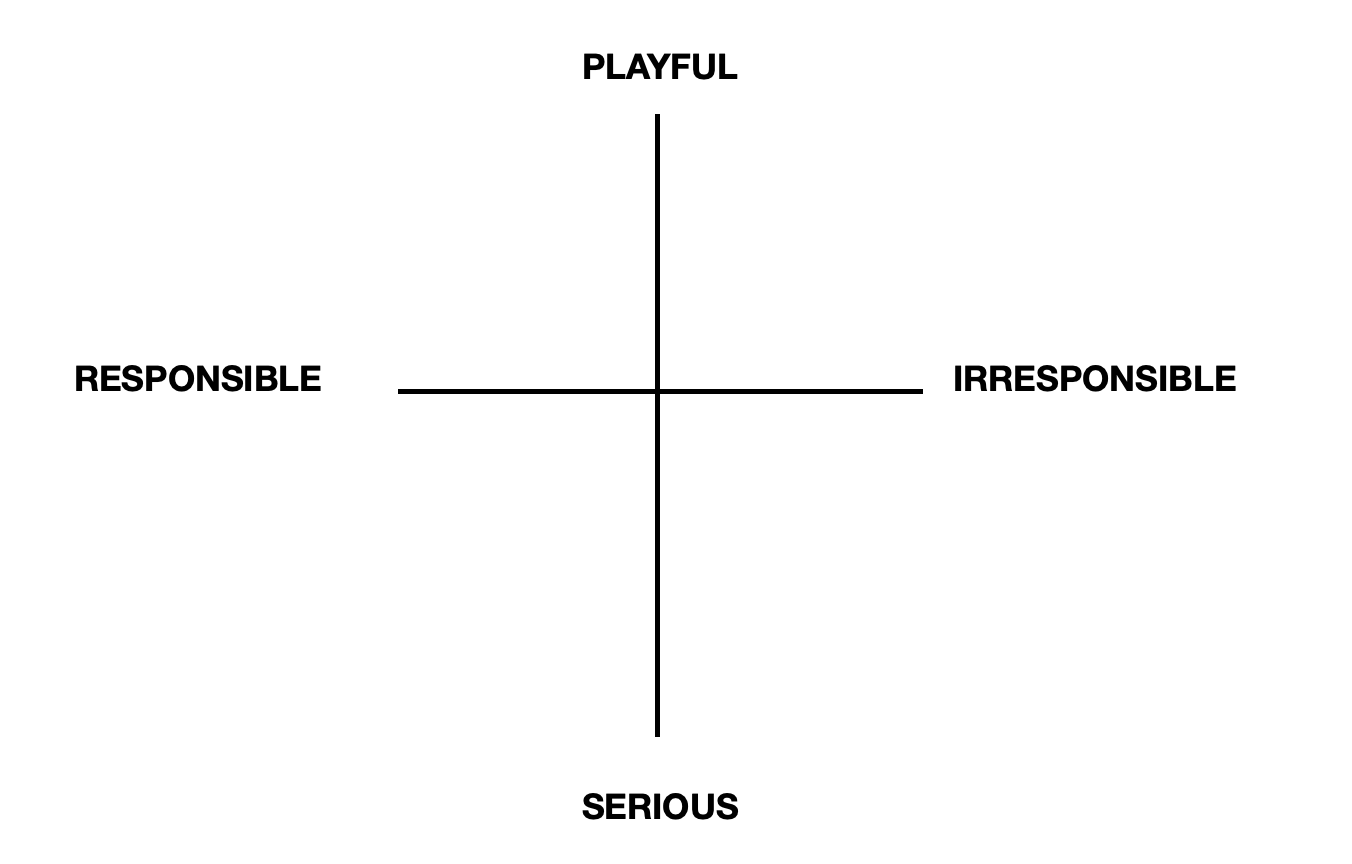
What if you started your next planning session by adopting four mindsets? How would your approach be different if you took a playful and irresponsible approach? What does a serious irresponsible process reveal? By taking on mindsets that are not typical in our practice, we open up conversations that inhabit our blind spots.

Unless You’d Rather Stay, Of Course

Hagrid offers Harry Potter two choices: to follow him to enroll in Hogwarts or to stay with the Dursley family. The story (and film franchise) would have been very different if Harry had chosen to stay with the Dursleys.

We are presented with the same opportunity daily. Although the magnitude of our decisions might differ daily, we can stay or go.

How do you approach ‘unless you’d rather stay’ options?

Obstructed Views

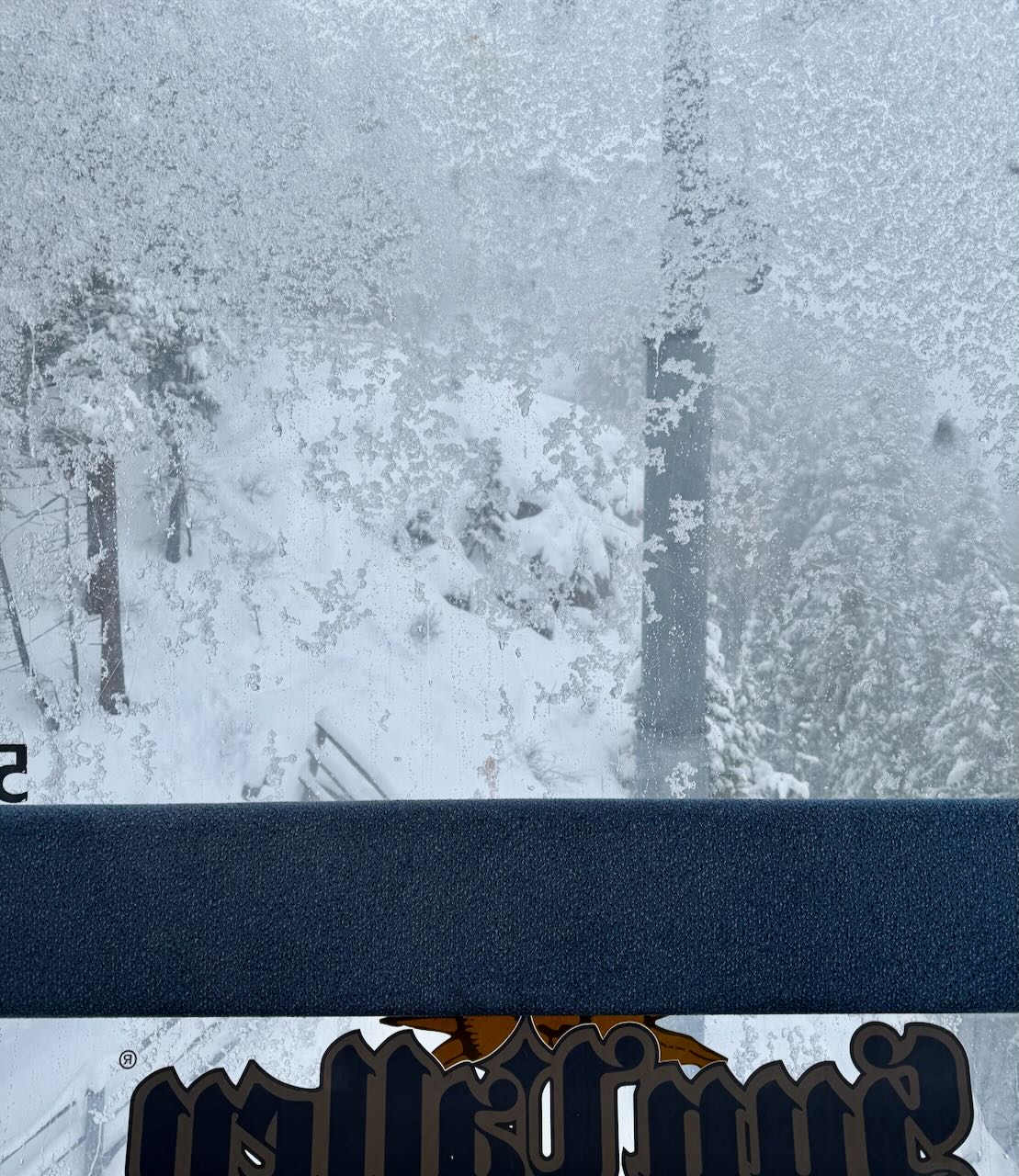
A few years ago, a friend and I made dinner reservations at a hotel restaurant. We had just eaten breakfast and noted that the mountains and snow-covered valley views from the tables by the big windows were remarkable. So we requested a window table if possible. When we arrived for dinner, we were seated at a window table, but we had forgotten to account for the fact that sunset occurred so early in the winter season. We sat at the window table for our meal but could only stare into the night.

Sometimes, we make plans, assuming the views will be amenable to our experience. When an obstacle appears (weather, daylight, misaligned window, selecting the wrong side of our mode of transport), we must be content with the outcome. Planning can be tricky, and we are not guaranteed the results we outlined before arriving in person.

How might we be adaptable to the environment? How might our entire plan not hinge on a single attribute or assumption?

Delayed Reaction

Superheated air takes thirty seconds to reach the top of a hot air balloon and influence its rate of ascent or descent. Therefore, a balloon pilot must make decisions half a minute ahead of the current position. It is a good metaphor for our own expedition. We cannot have the instantaneous response of an accelerator or disc brakes in modern vehicles. Our enterprises are more of a balloon journey; we need to look far enough ahead to navigate and adjust for the wind conditions at different altitudes.

How might we recognize that deploying resources has a delayed impact on our progress?

What, Then Where

If we get precise about what we are doing, it will clarify where we position ourselves. Companies prioritizing returning their employees to the office are reversing this conversation. They are focused on filling their offices with employees that the ‘where’ is proceeding the ‘what.’ Southwest Airlines allows customer support team members to work from home. As an airline, there are vital roles that require presence at an airport or base of operations, but there are roles that allow for a ‘work from anywhere’ approach.

If our journey has the strategic impact we planned, we need to know what road signs to look for. Otherwise, we might confuse motion for progress. If we are living our stated organizational values, it should be evident in the team’s behaviors. Otherwise, we just connect the closest dot without appreciating the whole picture.

Binoculars

Binoculars are a liminal object to me. Most binoculars I have encountered are safely positioned in a case or sitting static on a shelf; they are more accessory than instrument. But, when required, they can transform quickly. Is that a wildfire on the ridge? Is there a vessel at sea requiring assistance? Is that an Ivory-Billed Woodpecker? Did my favorite musical artist playing in a mega stadium change into a new costume? Who walked into the building at the far end of the property?

Using them constantly makes the world myopic, and our sense of scale is unrealistic. By deploying them randomly, we spin the wheel of serendipity, hoping a worthwhile subject will appear. Treating them as a resource can enhance our culture of curiosity and provide confirmation of our interest or render the subject matter a lower priority.

What are the binoculars of your enterprise? What can your team leverage at key moments to make sense of the territory ahead?

It is a Theme (Not a Specific)

When asking nutritionists about the best diets to follow, their answer tends to contemplate themes. They can highlight the benefits and challenges of specific diets, but they return to more prominent themes. How might we recognize that we sometimes require a specific resource to move forward, but on numerous occasions, we can progress with different forms of fuel for our journey? An ultra hiker can snack on Snicker bars, pieces of fruit, plant foods, or nothing (for limited durations), and all these forms will help them move down the trail.

What if our planning was not so rigid about meeting specific goals, except where necessary? What if we developed themes we were curious about exploring, understanding that navigating to a general vicinity of a goal might be more potent than clambering to a specific summit?

The Bucket

Melting snow for water during a yurt trip.

Social media post I encountered. “I completed the first thing on my bucket list…I got a bucket.”

The quip is positioned as a humorous post but embeds truth in its simplicity. Before launching our aspirational moonshot, how might we ensure we have the essential supplies and a basic foundation? If we continuously operate on a burning platform, trying to assemble the basics to stay in the game, perhaps a fully articulated marketing plan is not our next move.